
- Domov

- Reprodukcija oljne slike
- Antal Ligeti
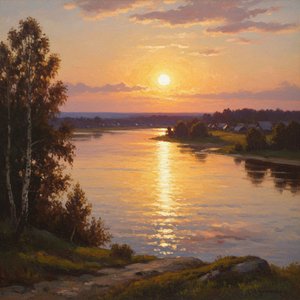
- Italian Landscape

 Kupi tiskanino Kupi digitalno sliko
 Pošlji
 Deli
Deli
 Details
 Dodaj v priljubljene

 Prenesi
 Podobni izdelki
 X-Ray
X-Ray
 Predvajaj diaporama
Italian Landscape

Ročno izdelana oljna reprodukcija
Ročno slikano olje na platnu v vaši izbiri velikosti in okvirja, izdelano po naročilu naših umetnikov.




































 Preberi več
Izberite eno od naših vnaprej določenih velikosti, ki ustrezajo prvotnim proporcijam umetničkega dela.

Svoje dimenzije lahko vnesete tako, da se prilagodite določenemu okvirju ali prostoru. Če izbrana velikost ne ustreza razmerjem originalne slike, bomo umetniško delo obrezali ali sliko dopolnili z dodatnimi ročno naslikanimi elementi. Pred začetkom proizvodnje vam bo poslan digitalni osnutek v odobritev.
Upoštevajte, da predogled na zaslonu ne odraža dejanskega obrezovanja ali podaljšanja. Le osnutek bo natančno prikazal končno kompozicijo.
Čeprav so na voljo velikosti po meri, priporočamo izbiro dimenzije s preddefiniranega seznama, da ohranimo originalne razmere.
Po oddaji naročila bo ekipa ArtsDot.com stranki po e-pošti poslala navodila in predogled digitalnega predogleda.
Svetska dostava () za 3/4 nedelje umesto uobičajenih 5 nedelja. (1 julij). Bez kompromisa po pitanju kvaliteta.

Brezplačna ekspresna dostava po vsem svetu

Visokokakovostno laneno platno

Popolno zavarovanje pošiljke

Garancija povračila carine in uvoznih davkov

Garancija popolnega ujemanja barv

60-dnevna politika vračanja (le v primeru napak)

Garancija 100% povračila denarja

Popust pri večjem naročilu
 Možnost stekla je na voljo le za velikosti pod 110 cm

Italian Landscape
Tehnika reprodukcije
Velikost reprodukcije
-


Skupna končna cena
-
Sorodna umetniška dela


Biografija umetnika
Antal Ligeti: Life and Legacy
Early Life and Artistic Beginnings
- Born: Antal Hekler (he later adopted the name Ligeti) in 1823, in Karakö̈r, Romania.
- Initially expected to follow his family into merchantry, Ligeti harbored a strong passion for art from a young age.
- He defied familial expectations and journeyed to Italy – specifically Naples and Florence – to pursue formal artistic training.
- Florence proved pivotal as he studied under his compatriot, Károly Markó, who significantly influenced his early style.
Travels and Artistic Development
- A brief period in Munich preceded Ligeti’s return to Hungary in 1848, where he briefly participated in the Hungarian Revolution.
- Settling initially in Sopron, his attempts at portraiture proved unsuccessful, leading him to Pest (Budapest).
- A turning point came with the patronage of Count István Károlyi, who provided Ligeti with accommodation and financial support.
- Between 1855 and 1861, Ligeti embarked on extensive travels to Egypt, Palestine, Syria, Cyprus, and Malta. These journeys were crucial in shaping his artistic focus.
- He amassed a vast collection of sketches during these expeditions, which served as the foundation for many of his subsequent paintings.
Artistic Style and Themes
- Ligeti primarily worked in oils, mastering landscape painting, orientalist themes, and portraiture.
- Orientalism became a defining characteristic of his work, reflecting the exotic landscapes and cultures he encountered during his travels. His paintings often depict scenes from North Africa and the Middle East with vibrant colors and dramatic lighting.
- His landscapes showcase a Romantic sensibility, emphasizing atmosphere, emotion, and the sublime beauty of nature.
- While known for larger-scale works, Ligeti also produced smaller, intimate studies demonstrating his technical skill and observational abilities.
Major Achievements and Recognition
- By 1861, Ligeti had established a successful studio in Pest, solidifying his reputation as a prominent artist.
- In 1868, he was appointed curator of the art gallery at the Hungarian National Museum, demonstrating his standing within the Hungarian art world.
- Ligeti’s work gained considerable acclaim during his lifetime, and he became a sought-after artist among collectors and patrons.
Influence and Legacy
- Ligeti served as a mentor to several younger artists, most notably Mihály Munkácsy and Géza Mészöly, shaping the next generation of Hungarian painters.
- His paintings continue to be exhibited in museums and galleries throughout Hungary and internationally.
- Ligeti’s contribution lies in his ability to blend Romantic aesthetics with Orientalist subject matter, creating a unique visual language that captured the spirit of 19th-century exploration and artistic innovation.
- He died in 1890, leaving behind a rich artistic legacy that continues to inspire and captivate audiences today.

Antal Ligeti
1823 - 1890 , Romania
Hitri podatki
- Birth Date: 1823
- Birth Place: Karakö̈r, Romania
- Death Date: 1890
- Influenced:
- Mihály Munkácsy
- Géza Mészöly
- Influenced By: Károly Markó
- Movement: Romanticism, Orientalism
- Name: Antal Ligeti
- Nationality: Hungarian
- Notable Works:
- Oasis In The Desert
- View Of Visegrád With The Solomon Tower
- Sunset On The Nile
- Greek Temple
- Italian Landscape
Sorodni članki

Evoking Emotion & Transcendence: Romantic Landscape Painting (18th-19th Century)
Explore the emotional depth of Romantic landscape painting (18th-19th century). Discover key artists like Friedrich & Cole, and the concepts of the sublime. Expert insights for art lovers & collectors.


Romantična pokrajina: 10 mojstrovin, ki so definirale gibanje | Umetnost za vaš dom z ArtsDot.com
Odkrijte 10 mojstrovin romantizma v slikarstvu! Caspar David Friedrich, Turner in drugi. Preučite zgodbe, tehnike in čustva teh ikoničnih krajinskih slik. Kvalitetne reprodukcije za vaš dom na ArtsDot.com

David Cox the Elder: Landscape, Light & the Romantic Vision of Rural England
Explore the captivating landscapes of David Cox the Elder, a pivotal figure in British Romanticism. Discover his masterful watercolour techniques, enduring legacy & find timeless art for your home at ArtsDot.

Thomas Girtin: Pioneering Atmospheric Landscapes & the Rise of Romantic Watercolour
Explore the captivating world of Thomas Girtin, a pioneer of Romantic watercolour painting. Discover his innovative techniques, key masterpieces & lasting influence on British art history. Learn about collecting Girtin's work today.
Arkhip Kuindzhi: Capturing Light & Romantic Vision in Imperial Russia's Landscapes
Explore the captivating world of Arkhip Kuindzhi, a master of light and Romantic realism in Imperial Russia. Discover his iconic landscapes, artistic techniques, and lasting legacy with ArtsDot.

