


 Predogled
 Pošlji
 Deli
Deli
 Podrobnosti o delu

 Prenesi
 Podobni izdelki
 Rentgenski posnetek
 Predvajaj diaporama
 Stats
Statsaoi ooinu
 Oil On Canvas
- WallArt
- Contemporary Art
 2012
2012- Contemporary
 110.0 x 110.0 cm
 Meiji Jingu Forest Festival of Art
 Razviljaj več
Ročno izdelana oljna reprodukcija
Ročno slikano olje na platnu v vaši izbiri velikosti in okvirja, izdelano po naročilu naših umetnikov. ( Switch to Print Switch to Digital Image)




P118B $10

P118H $10

P118W $10

P438Z $10

P508JH $12

P508YH $12

P805H $10

P805Z $10

P919BZ $10

P919G $10

P919XJ $10

P959ZH $10

P968JZ $12

W106C $8

W218G $10

W218JH $8

W218Y $10

W307PJ $10

W316G $10

W316PJ $8

W316Y $10

W398PJ $8

W4111J $10

W500HY $15

W500JH $15

W692G $12

W849H $8

W940BG $15

W953PJ $8




Izberite eno od naših vnaprej določenih velikosti, ki ustrezajo prvotnim proporcijam umetničkega dela.

Svoje dimenzije lahko vnesete tako, da se prilagodite določenemu okvirju ali prostoru. Če izbrana velikost ne ustreza razmerjem originalne slike, bomo umetniško delo obrezali ali sliko dopolnili z dodatnimi ročno naslikanimi elementi. Pred začetkom proizvodnje vam bo poslan digitalni osnutek v odobritev.
Upoštevajte, da predogled na zaslonu ne odraža dejanskega obrezovanja ali podaljšanja. Le osnutek bo natančno prikazal končno kompozicijo.
Čeprav so na voljo velikosti po meri, priporočamo izbiro dimenzije s preddefiniranega seznama, da ohranimo originalne razmere.
Po oddaji naročila bo ekipa ArtsDot.com stranki po e-pošti poslala navodila in predogled digitalnega predogleda.
Svetska dostava () za 3/4 nedelje umesto uobičajenih 5 nedelja. (8 september). Bez kompromisa po pitanju kvaliteta.

Brezplačna ekspresna dostava po vsem svetu

Visokokakovostno laneno platno

Popolno zavarovanje pošiljke

Garancija povračila carine in uvoznih davkov

Garancija popolnega ujemanja barv

Politika vračilo v 100 dneh (le v primeru okvar)

Garancija 100% povračila denarja

Popust pri večjem naročilu
 Možnost stekla je na voljo le za velikosti pod 110 cm

aoi ooinu
Tehnika reprodukcije
Velikost reprodukcije
-


Skupna končna cena
$ 263
Sorodna umetniška dela


Biografija umetnika
Akira Yamaguchi: Bridging Tradition and Innovation in Yamato-e Painting
Akira Yamaguchi (山口晃, *Yamaguchi Akira*; born 1969 in Tokyo, Japan) stands at the intersection of Japanese artistic heritage and contemporary visual expression. His distinctive style—characterized by a masterful fusion of Yamato-e tradition with oil painting techniques—has garnered international acclaim and cemented his place as one of Japan’s most compelling artists working today. While biographical details remain relatively sparse beyond confirmed birthdate, Yamaguchi's artistic journey has been marked by a profound engagement with Buddhist iconography and a dedication to exploring themes of femininity and spirituality.- Early Life & Artistic Beginnings: Yamaguchi’s formative years were spent in Tokyo, fostering an early appreciation for Japanese art history and aesthetics. He honed his skills through rigorous training in traditional Yamato-e painting—a genre deeply rooted in Buddhist symbolism and known for its serene landscapes and stylized depictions of deities—before transitioning to oil painting as a medium. This deliberate choice reflects a desire not merely to replicate established forms but to reinterpret them with fresh perspectives.
The Influence of Yamato-e Tradition
Yamato-e, originating in the Edo period (1603–1868), represents more than just a stylistic preference for Yamaguchi; it’s an intellectual bedrock. The genre's emphasis on capturing the essence of nature—often imbued with spiritual significance—directly informs his artistic vision. Specifically, Yamaguchi draws inspiration from depictions of Buddhist guardians, or *Shintenno*, transforming them into powerful female figures rendered in luminous watercolor and oil blends. This reimagining isn’t simply decorative; it’s a deliberate challenge to conventional representations, elevating feminine strength and embodying the core tenets of Buddhist philosophy.- Notable Works & Artistic Style: Yamaguchi's oeuvre showcases a remarkable versatility across mediums. He is particularly recognized for his dresses—elaborate textile designs that combine intricate patterns with symbolic imagery—and his contributions to the film ‘Lost in Translation,’ where he created stunning illustrations capturing the melancholic beauty of Tokyo. His technique distinguishes itself through a layered approach: watercolor serves as an initial foundation, establishing tonal harmony and atmospheric depth before being overlaid with oil paint for textural richness and luminosity. This blending process allows him to achieve unparalleled visual impact—capturing both subtle nuances and grand vistas simultaneously.
Exploring Themes of Femininity & Spirituality
Yamaguchi’s artistic explorations consistently grapple with concepts of femininity and spirituality, mirroring the core values of Yamato-e. Recurring motifs – such as lotus blossoms symbolizing purity and enlightenment—underscore his commitment to conveying profound philosophical ideas through visual language. His depictions often portray women not merely as subjects but as active agents embodying resilience and grace, reflecting a broader humanist perspective.- Recognition & Legacy: Yamaguchi’s work has garnered critical acclaim internationally, appearing in prestigious exhibitions and publications. He continues to push boundaries within the contemporary art landscape while honoring the legacy of Yamato-e tradition. His enduring contribution lies in demonstrating how artistic innovation can simultaneously engage with deep cultural roots—a testament to his singular talent and vision.
Further Exploration
For a deeper understanding of Akira Yamaguchi’s artistic practice, consider examining his pieces ‘Shintenno,’ ‘aoi ooinu’, and ‘mata au hi ni’. These artworks exemplify his distinctive style and thematic concerns. You can find more information about his work on ArtsDot.
akira yamaguchi
1969 - , Japan
Hitri podatki
- Artistic Movement Or Style: Yamato-e & Contemporary Oil Painting
- Date Of Birth: 1969
- Full Name: Akira Yamaguchi
- Nationality: Japanese
- Notable Artworks:
- Shintenno
- aoi ooinu
- mata au hi ni
- Place Of Birth: Tokyo, Japan
Sorodni članki
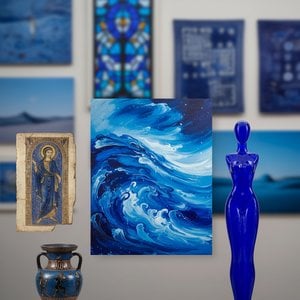
The Allure of Azure: Exploring the Symbolic & Aesthetic Depths of Blue in Art History
Explore the rich history of blue in art! Discover its symbolism, from ancient pigments to modern masterpieces by Kandinsky & Seurat. Uncover the psychological impact and cultural meanings behind this captivating hue.

Slate Blue Masterpieces: 10 Iconic Paintings & Timeless Home Decor Ideas
Immerse yourself in the captivating world of slate blue! Explore 10 iconic paintings by Monet, Van Gogh & Renoir. Discover their stories, techniques & find museum-quality art reproductions for your home at .
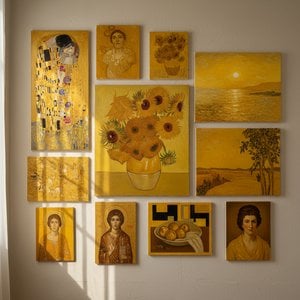
Golden Hues: Top 10 Paintings Dominated by Yellow Ochre |
Explore 10 iconic paintings bathed in golden yellow ochre! From Van Gogh's sunflowers to Monet’s haystacks, discover the stories behind these masterpieces. Find museum-quality art reproductions & elevate your home decor on .

The Golden Hue: Exploring Symbolism & Emotion in Yellow Art
Explore the rich symbolism & emotional power of yellow in art history! From Van Gogh to Kandinsky, discover how artists used this vibrant hue. Expert analysis & high-quality reproductions at ArtsDot.
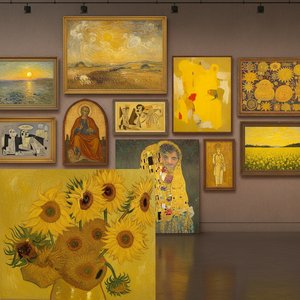
Golden Hues: 10 Masterpieces Dominated by Chrome Yellow | ArtsDot
Immerse yourself in golden light! Explore 10 famous paintings dominated by 'Chrome Yellow', from Van Gogh’s Sunflowers to Monet's Haystacks. Discover the stories behind these iconic Impressionist & Post-Impressionist masterpieces and find museum-quality art reproductions at ArtsDot.com.