


 Zobraziť v interiéri
 Odoslať
 Zdieľať
 Podrobnosti
 Príručka

 Stiahnuť
 Podobné položky
 RTG skúška
 Prehliadanie diapo\]
 Štatistiky
John Trumbull

 Prečítať si viac
Giclée / Umenotlač
Giclée tlač alebo plátno múzeálnej kvality s rýchlou výrobou a rôznymi možnosťami povrchovej úpravy. ( Objednať ručne maľovanú reprodukciu Prepnúť na digitálnu verziu obrazu)




































Vyberte si z našich preddefinovaných rozmerov, ktoré zodpovedajú pôvodným pomeroḿ diela.

Môžete zadať vlastné rozmery, aby sa reprodukcia prispôsobila konkrétnemu rámu alebo priestoru. Ak zvolená veľkosť nebude zodpovedať proporciám originálu, dielo buď orežeme, alebo obraz rozšírime pomocou zrkadlenia či farebného doplnenia okrajov. Pred začatím výroby vám pošleme digitálnu ukážku na schválenie.
Máte na vedomí, že náhľad na obrazovke neodzrkadľuje skutočné orezanie alebo rozšírenie. Len digitálna ukážka presne zobrazí finálnu kompozíciu.
Hoci sú k dispozícii vlastné rozmery, pre zachovanie pôvodných proporcií odporúčame vybrať si rozmer z vopred definovaného zoznamu.
Celosvetová doprava () do 2 týždňov namiesto štandardných 4 až 5 týždňov. (26 september)

Bezplatná expresná doprava po celom svete

Vysokokvalitné lnianske plátno

Úplné poistenie prepravy

Záruka vrátenia colného poplatku

Záruka presného farebného zhodnutia

100-dená politika vrátenia tovaru (iba pri vadách)

100% záruka vrátenia peňazí

Ponuka množstevnej zľavy
 Možnosť skla je dostupná len pri rozmeroch pod 110 cm

John Trumbull
Giclée / Umenotlač
Veľkosť reprodukcie
-


Celková cena
$ 62
Súvisiace diela


Biografia umelca
William Smith Jewett: A Pioneer of California Landscape Painting
William Smith Jewett (1812 – 1873) stands as a remarkable figure in the annals of American art, particularly celebrated for his evocative depictions of California’s burgeoning frontier landscape during the mid-nineteenth century. Born in Dover, Massachusetts, Jewett possessed an unwavering passion for observation and meticulous detail—qualities that would define his artistic approach and solidify his legacy as one of the era's foremost watercolorists. While biographical information remains somewhat sparse compared to contemporaries like Asher B. Durand or Frederic Church, his contribution to capturing the spirit of California’s transformation is undeniable.- Early Life & Education: Jewett received a solid grounding in classical art principles at Yale University, where he studied under Thomas Beale and Samuel Huntington Pickering. This academic foundation instilled in him a disciplined eye for form and composition—elements that would permeate his subsequent artistic endeavors.
- Move to California: Driven by an adventurous spirit and captivated by the allure of the West Coast’s unexplored wilderness, Jewett relocated to Sacramento County, California, in 1853. He quickly established himself as a respected artist and teacher, fostering a burgeoning watercolor school that attracted students eager to embrace the Californian landscape aesthetic.
- Artistic Style & Technique: Jewett's distinctive style leaned heavily toward Romanticism, characterized by luminous color palettes and expressive brushwork—techniques honed through extensive study of European masters like Claude Lorrain and Nicolas Poussin. He meticulously rendered geological formations, vegetation, and atmospheric conditions with astonishing accuracy, striving to convey not merely visual representation but also the emotional resonance of the Californian wilderness.
Notable Works & Landscapes of California
Jewett’s artistic output focused primarily on capturing the grandeur of California's landscapes—a subject that resonated deeply with his generation and reflected the optimistic vision of westward expansion. Among his most celebrated paintings are “A View of Sutter’s Mill and Culloma Valley,” a breathtaking watercolor commemorating the pivotal moment when James Marshall discovered gold in Sutter’s Creek, initiating the Gold Rush frenzy. This artwork exemplifies Jewett's masterful blending of scientific observation with artistic sensitivity—a hallmark of his oeuvre. Similarly impressive is "The Yosemite Valley," showcasing the majestic beauty of Yosemite National Park and demonstrating Jewett’s ability to convey both topographical precision and profound emotional impact. His depictions of Sutters Mill are considered among the most accurate representations of this historic site.- “A View of Sutter’s Mill and Culloma Valley”: This monumental watercolor captures the essence of California's Gold Rush era, portraying the valley with remarkable detail—highlighting geological formations and capturing the misty atmosphere characteristic of the region.
- “The Yosemite Valley”: Jewett’s portrayal of Yosemite embodies Romantic idealism, conveying the sublime grandeur of the park while subtly hinting at its spiritual significance.
Influence & Legacy
Jewett's artistic endeavors profoundly impacted the development of Californian landscape painting and contributed to establishing Yosemite National Park as a symbol of American wilderness preservation. His meticulous renderings served as inspiration for subsequent artists—including Frederic Church—who sought to emulate his stylistic prowess and convey similar emotional depth. Furthermore, Jewett’s dedication to watercolor technique—particularly his masterful use of glazing—became influential within the broader artistic community. Though he died prematurely in 1873, William Smith Jewett's enduring contribution to American art ensures that his landscapes continue to inspire awe and admiration generations later. His work remains a testament to the power of observation, artistry, and the transformative beauty of the natural world.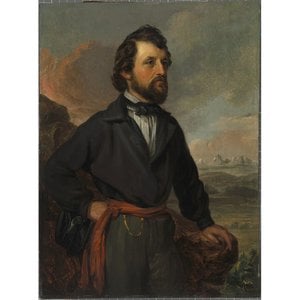
william smith jewett
1812 - 1873 , United States of America
Rýchle fakty
- Artistic Movement Or Style: Romantic Landscape Painting
- Artists Or Movements Influenced By This Artist: ['Romanticism']
- Artists Who Influenced This Artist: ['Hudson River School']
- Date Of Birth: 1812
- Full Name: William Smith Jewett
- Nationality: American
- Notable Artworks:
- A view of Sutter’s Mill and Culloma Valley
- John Trumbull
- Portrait of a Man
- Place Of Birth: South Dover, United States
Súvisiace články

Top 10 majstrovských diel neoklasicizmu: Umění, krása a dekor pre váš domov
Objavte top 10 majstrovských diel neoklasicizmu od David, Ingres a Canova. Prežite príbeh umenia, techniky a nadčasnej krásy. Reprodukcie obrazov pre váš domov na ArtsDot.com! Preskúmajte kolekciu online.

Top 10 diel 19. storočia: Majstri a príbehy v umení pre váš domov
Ponorte sa do sveta 19. storočia s top 10 dielami impresionizmu, realizmu a romantizmu! Objavte príbehy Courbeta, Moneta a Van Gogha. Reprodukcie obrazov pre luxusný interiér na ArtsDot.com – umenie online.

Engraving: A Historical Survey of Technique, Artistic Expression & Enduring Legacy
Explore the rich history of engraving with ArtsDot. Discover techniques, iconic artists like Dürer & Callot, collecting tips, and expert guidance for preserving your art investment. Learn about intaglio printing & more!

Reflections of an Era: Identity & Social Commentary in 19th-Century Portraiture
Explore the captivating world of 19th-century portraiture! Discover key artists, movements like Realism & Impressionism, and the powerful social commentary embedded within these iconic artworks. Expert insights at ArtsDot.

Top 10 legendárnych rytín, ktoré navždy zmenili umenie | ArtsDot.sk
Objavte top 10 legendárnych rytín od Dürera, Rembrandta a Goya! Prežite príbeh majstrov grafiky a ich nadčasových diel. Kvalitné reprodukcie obrazov pre váš interiér na ArtsDot.sk. Preskúmajte kolekciu online!