

 Náhľad
 Odoslať
 Zdieľať
 Podrobnosti o dielo

 Stiahnuť
 Podobné diela
 RTG skúška
 Prezentácia
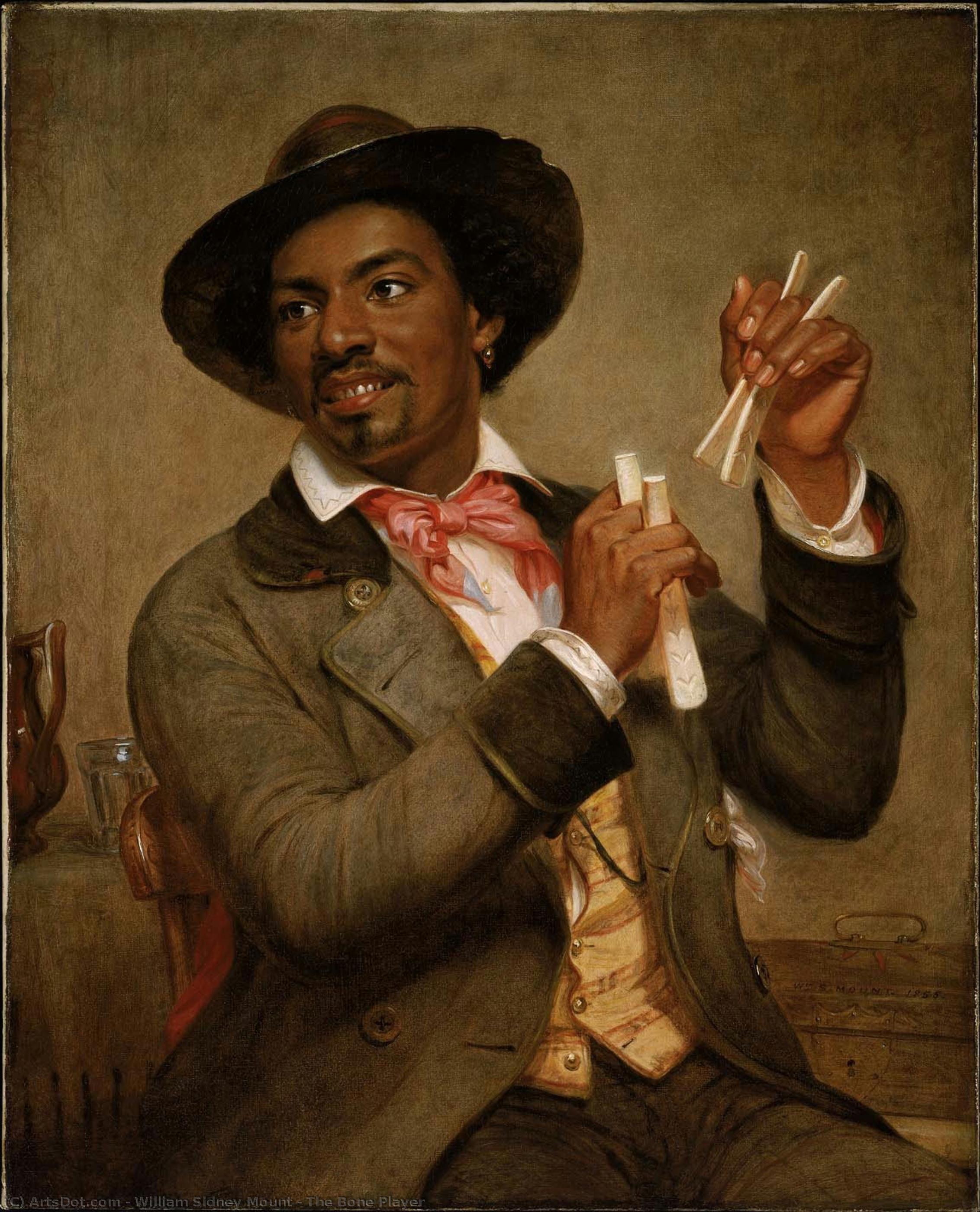
The Bone Player
 Oil On Canvas
- WallArt
- American Genre Painting
 1856
1856- 19th Century
 91.0 x 74.0 cm
 Museum of Fine Arts
 Zobraziť viac
Giclée / Umenotlač
Giclée tlač alebo plátno múzeálnej kvality s rýchlou výrobou a flexibilnými možnosťami povrchovej úpravy. ( Kúpiť ručne maľovaný obraz Kúpiť obrázok)




P118B $10

P118H $10

P118W $10

P438Z $10

P508JH $12

P508YH $12

P805H $10

P805Z $10

P919BZ $10

P919G $10

P919XJ $10

P959ZH $10

P968JZ $12

W106C $8

W218G $10

W218JH $8

W218Y $10

W307PJ $10

W316G $10

W316PJ $8

W316Y $10

W398PJ $8

W4111J $10

W500HY $15

W500JH $15

W692G $12

W849H $8

W940BG $15

W953PJ $8




Vyberte si z našich preddefinovaných rozmerov, ktoré zodpovedajú pôvodným pomeroḿ diela.

Môžete zadať vlastné rozmery, aby sa reprodukcia prispôsobila konkrétnemu rámu alebo priestoru. Ak zvolená veľkosť nebude zodpovedať proporciám originálu, dielo buď orežeme, alebo obraz rozšírime pomocou zrkadlenia či farebného doplnenia okrajov. Pred začatím výroby vám pošleme digitálnu ukážku na schválenie.
Máte na vedomí, že náhľad na obrazovke neodzrkadľuje skutočné orezanie alebo rozšírenie. Len digitálna ukážka presne zobrazí finálnu kompozíciu.
Hoci sú k dispozícii vlastné rozmery, pre zachovanie pôvodných proporcií odporúčame vybrať si rozmer z vopred definovaného zoznamu.
Celosvetová doprava () do 2 týždňov namiesto štandardných 4/5 týždňov. (21 august)

Bezplatná expresná doprava po celom svete

Prémiové lnianske plátno

Kompletné poistenie prepravy

Záruka vrátenia colného poplatku

Záruka presného farebného zhodnutia

60-dňá politika vrátenia (iba pri defektoch)

100% záruka vrátenia peňazí

Výhodná množstevná zľava
 Možnosť skla je dostupná len pri rozmeroch pod 110 cm

The Bone Player
Giclée / Umenotlač
Veľkosť reprodukcie
-


Celková cena za vybrané možnosti
$ 62
Popis predmetu
The Bone Player: A Portrait of Musical Identity Amidst Victorian Stereotypes
William Sidney Mount’s *The Bone Player* stands as a fascinating testament to the artistic landscape of mid-nineteenth century America—a blend of portraiture and genre painting that simultaneously celebrates individual character and reflects prevailing societal attitudes toward African American musicians. Born in Long Island, Mount honed his craft alongside his brother, a skilled painter specializing in portraits and signage, before pursuing formal training at the National Academy of Design in New York City. By 1856, he had firmly established himself as one of the nation’s foremost artists, recognized for his ability to capture the essence of everyday life with remarkable realism. Mount embarked on this ambitious project—two depictions of African American musicians destined for lithographic reproduction in Europe—following a commission from Goupil and Company. This undertaking wasn't merely about commercial success; it was deeply intertwined with intellectual currents shaping the era, notably theories of evolution which positioned African Americans as possessing innate musical aptitude surpassing that of Caucasians. Recognizing the potential market appeal of such imagery – both to European audiences captivated by exoticism and to American sensibilities eager to define national identity – Mount skillfully navigated the complexities of artistic representation within a politically charged climate surrounding slavery. The painting itself presents a man seated comfortably, holding chopsticks with an air of quiet contemplation. He wears a scarlet bow tie and boasts a neatly groomed mustache, details meticulously rendered by Mount—a deliberate departure from stereotypical depictions prevalent in genre paintings of the time. Unlike many artists of his era who employed caricature to portray African Americans as caricatured figures, Mount treated his subject with respect and nuance, emphasizing his distinctive facial features – high cheekbones, white teeth, and a refined mustache – suggesting an individual portrait rather than a generalized type. The inclusion of instruments like ivory chopsticks—a symbol associated with African American minstrels—further reinforces the painting’s thematic focus on musical skill as opposed to broader biographical information. Adding to the intrigue is the backdrop: bottles of liquor positioned strategically, alongside two books and cups – elements that contribute to an intimate domestic scene. These props subtly underscore the sitter's social milieu and invite contemplation about his life beyond his musical talent. Scholars have debated whether *The Bone Player* embodies a genuine portrayal of an individual or merely reflects Victorian stereotypes concerning African American intellect and artistic inclination. While Mount’s title— “The Bone Player”—indicates an emphasis on musical proficiency, the careful delineation of physical characteristics argues for a more humanist approach. Ultimately, Mount's masterpiece transcends its historical context to offer a poignant meditation on identity and representation. It exemplifies his masterful technique – blending realism with psychological insight – securing its place as a landmark achievement in American genre painting and demonstrating an artist’s awareness of the cultural currents shaping his time. Its enduring appeal lies not only in its aesthetic beauty but also in its capacity to provoke thoughtful discussion about perceptions of race and artistry during the tumultuous years leading up to the Civil War.Stylistic Considerations: Genre Painting Meets Portraiture
Mount's approach distinguishes *The Bone Player* from many contemporary artistic endeavors. Rather than adhering strictly to formal portrait conventions—characterized by idealized poses and meticulous attention to detail—he embraced the tenets of genre painting, a movement that championed depictions of everyday life with an emphasis on capturing authentic emotion and atmosphere. This stylistic choice reflects Mount’s broader artistic philosophy: to elevate the commonplace into something beautiful and meaningful. The artist skillfully combined elements of both genres, resulting in a composition that is simultaneously intimate and socially conscious. The muted color palette—dominated by earthy tones—contributes to the painting's subdued yet contemplative mood. Mount employed meticulous brushwork, layering thin glazes to achieve remarkable luminosity and textural richness. This technique—characteristic of American Realism—allowed him to convey subtle nuances of expression and capture the tactile qualities of the sitter’s clothing and surroundings. Furthermore, Mount’s compositional arrangement—centered around the figure—creates a focal point that draws the viewer's eye inward, fostering a sense of connection with the subject.Historical Context: Victorian Stereotypes and Evolutionary Thought
*The Bone Player* emerged during a period marked by intense intellectual debate concerning racial hierarchies and evolutionary theories. The prevailing belief was that African Americans possessed inherent musical talent surpassing that of Europeans due to their perceived proximity to “primitive” instincts—a notion championed by figures like Herbert Spencer. Mount’s decision to portray his subject as an individual, rather than adhering to stereotypical representations prevalent in genre painting, speaks to this broader intellectual landscape. He deliberately avoided caricature, opting instead for a dignified depiction that acknowledged the sitter's humanity and challenged prevailing prejudices. The commission from Goupil and Company—a Parisian printing firm eager to capitalize on European fascination with exotic cultures—further underscores the painting’s significance within its historical context. Mount understood that images of African American musicians would resonate powerfully with audiences abroad, bolstering his reputation as a commercially astute artist while simultaneously engaging in a dialogue about societal perceptions of race.Symbolism: Instruments and Domestic Tranquility
The inclusion of instruments like ivory chopsticks—a symbol associated with African American minstrels—serves as more than mere decorative element; it encapsulates the painting’s central theme – musical skill as opposed to biographical information. This deliberate choice reflects Mount's artistic sensitivity and his awareness of cultural conventions shaping Victorian society. Simultaneously, the domestic setting—characterized by bottles of liquor, books, and cups—suggests a scene of quiet contemplation and social comfort. These props invite viewers to consider the sitter’s life beyond his musical talent, prompting reflection on themes of identity, leisure, and human connection.Emotional Impact: Dignity and Observation
Ultimately, *The Bone Player* succeeds in conveying a profound sense of dignity and observation—qualities that define Mount's artistic legacy. Unlike many artists of his time who prioritized spectacle or melodrama, he focused on capturing the quiet beauty of everyday life with remarkable empathy. The painting’s understated palette, meticulous brushwork, and carefully considered compositional arrangement contribute to its emotional resonance, inviting viewers to contemplate the complexities of human experience within a specific historical context. It remains a powerful reminder that art can illuminate both individual character and broader societal concerns—a testament to Mount's enduring artistic vision.Podobné diela


Biografia umelca
A Pioneer of American Genre Painting
William Sidney Mount, born November 26, 1807, in the quiet hamlet of Setauket, Long Island, emerged as a pivotal figure in the development of distinctly American art. He wasn’t drawn to the grand historical narratives or formal portraiture championed by many of his contemporaries; instead, Mount turned his keen eye toward the everyday lives unfolding around him – the farmers, musicians, and ordinary folk who populated the rural landscapes of 19th-century Long Island. This unwavering dedication to depicting scenes of common life established him as a true innovator, marking him as one of the earliest practitioners of genre painting in America—a style that celebrated the dignity and inherent beauty found within the mundane. His artistic journey was profoundly shaped by his upbringing; his father operated a bustling farm, store, and tavern, fostering an environment rich with both practical experience and observation of human character. Micah Hawkins, Mount’s uncle, possessed a remarkable array of talents – a composer, playwright, mimic, and poet – nurturing within young William a spirit of artistic curiosity and engagement with diverse forms of expression.Early Training and Artistic Awakening
Mount's initial foray into the art world commenced not within the confines of an academic institution but through a formative apprenticeship with his older brother, Henry Smith Mount, who worked as a sign painter in New York City. This invaluable practical training honed his draughtsmanship skills and instilled a foundational understanding of painting techniques—skills that would serve him exceptionally well throughout his illustrious career. However, it was a visit to the American Academy of the Fine Arts exhibition in 1825 that truly ignited Mount’s artistic passion. Surrounded by the works of established artists who favored grand historical subjects, he experienced an epiphany, shifting his focus away from convention toward capturing authentic moments from daily life. Recognizing the compelling narrative inherent in these seemingly unremarkable scenes, he embarked on a path that would define his artistic identity. He established his own studio in New York City in 1829—a decisive step towards independence and solidifying his commitment to pursuing art as a vocation. Despite initial influences drawn from historical painting—he created works like *Christ Raising the Daughter of Jairus* (1828)—Mount swiftly discovered his true calling lay in portraying the world he knew best: the rural life of Long Island.Capturing Rural Life with Realism and Warmth
Mount’s artistic style is characterized by an unwavering realism blended seamlessly with a remarkable ability to infuse his canvases with warmth, humor, and profound empathy. He deliberately resisted the idealized depictions favored by many artists of his time—instead, he presented rural life as it truly was: replete with both labor and leisure, hardship and joy. His meticulous attention to detail is breathtaking; from the textures of clothing to the subtle expressions on faces, Mount meticulously recreated scenes that transported viewers directly into the heart of American society. *Dancing on Barn Floor* (1831), arguably his most celebrated masterpiece, exemplifies this approach—a vibrant portrayal of a rural dance brimming with energy and capturing the spirit of communal celebration. Subsequent paintings like *The Banjo Player* (1856) demonstrate not only Mount’s exceptional technical skill but also his deep sensitivity to his subjects—particularly African American musicians—challenging prevailing stereotypes of the era and advocating for dignity and respect. Other notable works include *The Long Story*, *Right and Left*, and *Loss and Gain*, each offering a poignant glimpse into the lives and experiences of ordinary Americans.Innovation Beyond the Canvas
Mount’s creative spirit extended far beyond the realm of painting; he was also an accomplished musician and inventor—a testament to his multifaceted intellect and unwavering passion for artistic pursuits. He possessed considerable musical talent, mastering the fiddle with virtuosity and composing music that reflected the rhythms and harmonies of rural Long Island. Furthermore, demonstrating a remarkable ingenuity, Mount constructed a portable studio within a horse-drawn wagon—a bold innovation that allowed him to travel freely throughout Long Island, capturing spontaneous moments as they unfolded in their natural environment. This mobile workspace underscored his dedication to authenticity and his desire to engage directly with the subjects he depicted.Legacy and Enduring Influence
William Sidney Mount passed away on November 19, 1868, in Setauket—a poignant farewell to a life devoted to artistic expression and observation of human character. His pioneering contribution to genre painting irrevocably altered the trajectory of American art history, establishing him as one of the foremost figures in capturing the essence of rural America and fostering a tradition of realism that would inspire generations of artists to come. Mount’s paintings continue to resonate today—serving not only as visual records of 19th-century life but also as reminders of the beauty and significance found within the everyday moments that shape our collective heritage. He remains remembered not merely for his technical prowess but, crucially, for his compassionate portrayal of ordinary people—a testament to his enduring legacy as an artist who championed dignity and respect for all humanity.
William Sidney Mount
1807 - 1868 , USA
Základné informácie
- Artistic Movement Or Style: Žánrová malba, Realizmus
- Artists Or Movements Influenced By This Artist: ['Americký žánrový impresionizmus']
- Artists Who Influenced This Artist:
- Benjamin West
- William Hogarth
- Date Of Birth: November 26, 1807
- Date Of Death: November 19, 1868
- Full Name: William Sidney Mount
- Nationality: Američan
- Notable Artworks:
- The Banjo Player
- The Long Story
- Dancing on Barn Floor
- Right and Left
- Place Of Birth: Setauket, USA
Súvisiace články

Katsushika Hokusai: 25 Majstrovských Diel pre Krásu Vášho Domova | ArtsDot.com
Ponorte sa do sveta Katsushika Hokusaiho a objavte 25 jeho najznámejších umeleckých diel. Ukiyo-e, The Great Wave, Fujiyama – príbehy za ikonickými obrazmi. Kvalitné reprodukcie pre váš domov na ArtsDot.com.

Giclée Prints: Archival Quality & Aesthetic Nuances for the Discerning Collector
Explore the world of giclée prints with ArtsDot. Learn about archival quality, aesthetic nuances & investment potential. Expert guidance for discerning art collectors seeking museum-quality reproductions and lasting value.
Harmonies on Canvas: Exploring the Visual Representation of Music in Art History
Explore the fascinating history of music's visual representation in art! From ancient symbolism to modern abstraction, discover how artists have captured sound and emotion on canvas. Expert insights & stunning examples.

The Enduring Legacy of Fine Art Prints: Technique, History & Aesthetic Impact
Explore the rich history & techniques of fine art prints. Discover investment potential, assess authenticity, and learn how to preserve your collection with expert guidance. Trusted insights for discerning collectors.

Grant Wood & American Regionalism: Identity, Myth & the Rural Landscape
Explore the world of Grant Wood & American Regionalism with ArtsDot. Discover the symbolism behind 'American Gothic', recurring themes, and the movement's lasting impact on art history. High-quality reproductions available.

