
- Domov

- Reprodukcia olejomaľby
- vincenzo camuccini
- Classical male bust in profile

 Kúpiť tlač Kúpiť digitálnu verziu
 Odoslať
 Zdieľať
 Details
 Pridať do obľúbených

 Stiahnuť
 Podobné diela
 X-Ray
X-Ray
 Prezentácia
Classical male bust in profile
 Black and White Photography
- Photo
- Neoclassicism
 19th Century
 25.0 x 22.0 cm
 Metropolitné múzeum umenia
Ručne maľovaná olejová reprodukcia
Ručne maľovaný olej na plátne vo vašej zvolenej veľkosti a v ráme, vyrobený na mieru našimi umelcami.




































 Zobraziť viac informácií
Vyberte si z našich preddefinovaných rozmerov, ktoré zodpovedajú pôvodným pomeroḿ diela.

Môžete zadať vlastné rozmery tak, aby sa hodili do konkrétneho rámu alebo priestoru. Ak sa váš zvolený rozmer nezhoduje s pôvodnými proporciami obrazu, dielo buď orezáme, alebo ho doplníme ručne maľovanými prvkami. Pred začiatkom výroby vám zašleme digitálny náhľad na schválenie.
Upozorňujeme, že ukážka na obrazovke neodráža skutočné orezanie alebo doplnenie. Skutočnú finálnu kompozíciu zobrazuje iba digitálny náhľad.
Hoci sú k dispozícii vlastné rozmery, odporúčame vybrať rozmer z preddefinovaného zoznamu, aby sme zachovali pôvodné proporcie.
Po odoslaní objednávky vám tím ArtsDot.com pošle e-mail s pokynmi a poskytne náhľad na návrh.
Celosvetová doprava () za 3 až 4 týždne namiesto štandardných 5 týždňov. (1 júl). Bez kompromisov v kvalite.

Bezplatná expresná doprava po celom svete

Prémiové lnianske plátno

Kompletné poistenie prepravy

Záruka vrátenia colného poplatku

Záruka presného farebného zhodnutia

60-dňá politika vrátenia (iba pri defektoch)

100% záruka vrátenia peňazí

Výhodná množstevná zľava
 Možnosť skla je dostupná len pri rozmeroch pod 110 cm

Classical male bust in profile
Technika reprodukcie
Veľkosť reprodukcie
-


Celková cena za vybrané možnosti
-
Popis diela
A Silent Echo of Antiquity
In the quietude of a monochrome frame, a profound dialogue between the past and the present unfolds. This exquisite profile study of a classical male bust serves as more than a mere depiction; it is a window into the soul of Neoclassicism. Through the masterful hand of Vincultenzo Camuccini, the subject—a man of dignified bearing, adorned in the timeless folds of a toga—emerges from the shadows with a striking, sculptural presence. The use of black and white photography strips away the distractions of color, forcing the viewer to confront the raw essence of form, light, and shadow. Every line of the beard and every contour of the short-cropped hair is rendered with an academic precision that honors the ancient Roman tradition, inviting us to contemplate a lost era of stoic grace.
The technique employed here reflects the rigorous discipline of the Roman school, where the mastery of chiaroscuro allows for a dramatic interplay between light and dark. As the eye traces the silhouette of the profile, one can sense the weight of the marble and the texture of the stone, even through the medium of a two-dimensional work. This piece captures the very essence of Camuccini’s talent—his ability to breathe life into classical motifs by emphasizing the structural integrity of his subjects. For the discerning collector or interior designer, this artwork offers a sophisticated focal point that commands respect, providing a sense of historical depth and intellectual gravity to any curated space.
Beyond its aesthetic brilliance, the work carries a heavy symbolic weight, evoking themes of permanence, memory, and the enduring legacy of Greco-Roman ideals. The bust, a symbol of immortality, stands as a testament to the human desire to preserve greatness against the erosion of time. There is an inherent emotional resonance in this profile; it evokes a sense of melancholic nostalgia for the grandeur of antiquity while simultaneously offering a grounded, meditative stillness. Whether placed in a sunlit gallery or a moody, private study, this reproduction serves as an evocative piece of storytelling, bridging the gap between the ancient world and the modern connoisseur.
Podobné diela


Biografia umelca
The Zenith of Neoclassicism in Rome
Vincenzo Camuccini, a master chronicler of classical grandeur and religious devotion, stands as one of the most significant figures in the artistic landscape of early 19th-century Rome. Born into an environment steeped in art—his initial tutelage came from his brother Pietro, a restorer, and the engraver Pietro Leone Bombelli—Camuccini’s early years were marked by diligent study. He spent much of his formative time immersed in the techniques of the old masters, absorbing centuries of artistic tradition. This rigorous foundation proved crucial, allowing him to later establish himself as the premier academic painter of his era within the vibrant, yet demanding, atmosphere of Roman art.
Embracing Greco-Roman Themes and Academic Rigor
As an original artist, Camuccini became a key proponent of the Neoclassical school that flourished in Rome, a movement deeply invested in the ideals and aesthetics derived from Greek and Roman antiquity. His early breakthrough as an independent painter arrived around 1798 with a monumental canvas depicting the Death of Caesar. This work immediately drew comparisons to the classicizing themes favored by Jacques-Louis David, though art historians suggest that both artists were rather emerging from a shared current: the powerful resurgence of interest in Greco-Roman narratives and styles. His commitment to these grand historical subjects defined much of his mature style.
Major Commissions and Artistic Flourishing
Camuccini’s reputation grew through increasingly important commissions that showcased both his skill and the prevailing tastes of the Church and aristocracy. A notable early undertaking was his work on an incredulity of St. Thomas, commissioned by the Vatican in 1800, which involved replicating a mosaic's grandeur. His talents were further displayed when he contributed to large-scale decorative cycles; for instance, alongside Gaspare Landi, he painted a presentation within the temple for the chapel of the Madonna of the Rosary in Piacenza in 1806. These collaborative and independent efforts cemented his status among Rome's leading artistic minds.
A Life of Travel and Enduring Influence
The call of art led Camuccini beyond the Eternal City’s walls. He was invited to Munich and, significantly, to Paris. In Paris, he found himself in the orbit of towering figures such as Napoleon, David, Perodet, and Gérard, absorbing the currents of contemporary European art. While his travels broadened his scope, his core strength remained rooted in history painting—the depiction of moments from classical or religious narratives. Whether through grand historical scenes or more intimate works like a betrothal of Psyche, Camuccini’s hand consistently conveyed a sense of noble drama and academic polish. His career stands as a testament to the enduring power of Neoclassicism, leaving behind a legacy that continues to inspire those who appreciate the meticulous detail and sweeping narratives found in his masterful reproductions.

vincenzo camuccini
1771 - 1844
Základné informácie
- Artistic Movement Or Style: Neoclassicism
- Artists Who Influenced This Artist: ['Jacques-Louis David']
- Date Of Birth: 1771
- Date Of Death: 1844
- Full Name: Vincenzo Camuccini
- Nationality: Italian
- Notable Artworks:
- Death of Caesar
- Presentation in the Temple
- Place Of Birth: Rome, Italy
Súvisiace články

From Portrait to Icon: Exploring the Aesthetic and Digital Transformation of Self-Representation within Classical Art Traditions
Explore the fascinating evolution of portraiture from classical masterpieces to digital art! Discover symbolism, techniques & societal impact. Expert insights for collectors & enthusiasts at ArtsDot.

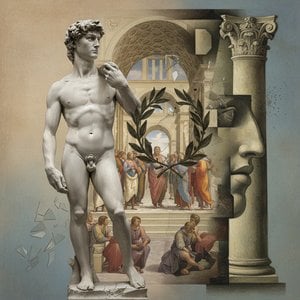
The Enduring Echo of Antiquity: Classical Ideals in Art from Renaissance to Modernism
Explore the lasting impact of classical ideals on art from the Renaissance to Modernism. Discover key movements, iconic artists & find museum-quality reproductions at ArtsDot.

From Renaissance Memes to Viral Portraits: The Rise of Customized Classical Paintings in the Age of Instagram
Discover the captivating world of customized classical paintings! Explore how memes sparked a renaissance & learn to commission your own personalized portrait. Expert art consultation & museum-quality reproductions at ArtsDot.

Bridging Centuries: Digital Visualization & Classical Oil Painting Techniques in Contemporary Art Commissioning
Discover the art of commissioning bespoke oil paintings blending classical techniques with modern digital precision. Expert artists, personalized service & museum-quality results. Invest in a timeless masterpiece today.

From Concept to Canvas: An Exploration of Emotional Sketching in Art Reproduction & Commission Processes
Explore the art of emotional expression & bespoke creation. Commission museum-quality paintings or find unique reproductions crafted by skilled artists. Expert consultation & personalized service at ArtsDot.

