


 Odoslať
 Zdieľať
 Podrobnosti o dielo

 Stiahnuť
 Podobné diela
 Prezentácia
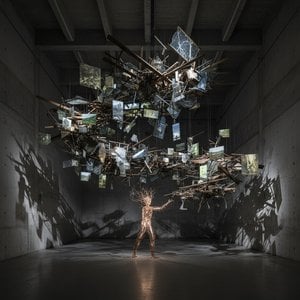
Erase
 Installation Art
- Installation
- Contemporary Installation Art
 2013
2013- Contemporary
 Kochi-Muziris Biennale
 Zobraziť viac
Ručne maľovaná olejová reprodukcia
Ručne maľovaný olej na plátne vo vašej zvolenej veľkosti a v ráme, vyrobený na mieru našimi umelcami. ( Kúpiť tlač Kúpiť obrázok)




































Vyberte si z našich preddefinovaných rozmerov, ktoré zodpovedajú pôvodným pomeroḿ diela.

Môžete zadať vlastné rozmery tak, aby sa hodili do konkrétneho rámu alebo priestoru. Ak sa váš zvolený rozmer nezhoduje s pôvodnými proporciami obrazu, dielo buď orezáme, alebo ho doplníme ručne maľovanými prvkami. Pred začiatkom výroby vám zašleme digitálny náhľad na schválenie.
Upozorňujeme, že ukážka na obrazovke neodráža skutočné orezanie alebo doplnenie. Skutočnú finálnu kompozíciu zobrazuje iba digitálny náhľad.
Hoci sú k dispozícii vlastné rozmery, odporúčame vybrať rozmer z preddefinovaného zoznamu, aby sme zachovali pôvodné proporcie.
Po odoslaní objednávky vám tím ArtsDot.com pošle e-mail s pokynmi a poskytne náhľad na návrh.
Celosvetová doprava () za 3 až 4 týždne namiesto štandardných 5 týždňov. (28 august). Bez kompromisov v kvalite.

Bezplatná expresná doprava po celom svete

Prémiové lnianske plátno

Kompletné poistenie prepravy

Záruka vrátenia colného poplatku

Záruka presného farebného zhodnutia

60-dňá politika vrátenia (iba pri defektoch)

100% záruka vrátenia peňazí

Výhodná množstevná zľava
 Možnosť skla je dostupná len pri rozmeroch pod 110 cm

Erase
Technika reprodukcie
Veľkosť reprodukcie
-


Celková cena za vybrané možnosti
$ 263
A Ritual of Release: The Immersive World of Erase
In the quiet intersection of sculpture and performance, Venkataiah Srinivas Prasad’s 2013 installation, Erase, stands as a profound testament to the power of catharsis. This is not merely an object to be viewed from a distance, but an experiential journey that demands physical participation. The work presents a striking visual paradox: a thorny, woven cocoon suspended precariously above a rugged ascent of gunny sacks. As one navigates the uneven terrain of these earth-toned, filled bags, the viewer is drawn upward toward a prickly hollow. This architectural movement—the literal climb toward vulnerability—sets the stage for a deeply personal encounter with one's own psyche.
The aesthetic of the piece is rooted in a raw, organic minimalism that resonates with the textures of the natural world. The use of thorny branches to construct the cocoon creates a sense of protective yet sharp boundaries, while the burlap and sand elements ground the installation in a tactile, elemental reality. To look upon this work is to witness a dialogue between the man-made and the wild; the structured geometry of the ascent meets the chaotic, organic sprawl of the thorns. For collectors and designers, the visual language of Erase offers a sophisticated palette of earthy neutrals and complex textures that evoke a sense of grounded tranquility and contemplative depth.
Symbolism and the Alchemy of Destruction
Beyond its physical presence, Erase functions as a vessel for human emotion. The interior of the thorny cocoon serves as a sacred, private chamber—a sanctuary where the boundaries between the self and the external world blur. It is within this hollow that the artist invites the viewer to perform an act of psychological shedding. By whispering or thinking of unwanted memories, fears, or traumas into the heart of the structure, the participant engages in a ritualistic form of letting go. The installation acts as a physical manifestation of the desire to purge the heavy burdens of the past.
The true climax of the work, however, lies in its ephemeral nature. At the conclusion of its exhibition period, the cocoon is set ablaze under the cover of night. This ritualistic destruction is the ultimate expression of the title; as the flames consume the thorns and the branches, they take with them the very confessions uttered within. What remains is nothing but a layer of sand—a clean slate, devoid of the weight of history. This cycle of creation and annihilation offers a powerful metaphor for renewal, making the piece an emotionally resonant masterpiece that speaks to the universal human need for rebirth and the beauty of starting anew.
A Legacy of Experimental Vision
Venkataiah Srinivas Prasad’s work continues to captivate because it refuses to remain static. By blending elements of installation art, environmental sculpture, and ritualistic performance, he challenges the traditional boundaries of what a piece of art can be. Erase is not just a relic of a moment in time, but a living concept that explores the fragility of memory and the strength found in vulnerability. For those seeking to bring a sense of profound meaning and narrative complexity into their spaces, a high-quality reproduction of this work serves as a constant reminder of the transformative power of release and the enduring elegance of the natural world.
Podobné diela


Biografia umelca
The Emergence of a Minimalist Vision: Laurie Anderson’s Pioneering Career
June 5, 1947, marked the birth of Laura Phillips Anderson, later known to the world as Laurie Anderson – an artist whose career spanned decades and fundamentally reshaped the landscape of contemporary performance art, music, and electronic literature. Born in Chicago and nurtured by a vibrant artistic environment, Anderson’s early life was steeped in exposure to classical music through her family's musical background and a deep appreciation for visual arts cultivated at the Art Institute of Chicago. This foundation would prove crucial as she navigated a path that defied easy categorization, forging a unique voice rooted in experimentation and technological innovation.
Initially trained as a violinist and sculptor, Anderson’s artistic trajectory shifted dramatically in the early 1960s. Rejecting traditional painting techniques, she embraced a radical approach to three-dimensional art, pioneering new methods of installation and challenging conventional notions of sculpture. This period witnessed the development of her signature “Jelly Belly” sculptures – translucent, gelatinous forms that embodied a playful yet unsettling aesthetic. Simultaneously, Anderson began exploring performance art, utilizing her voice and body as instruments within immersive environments. These early explorations laid the groundwork for her later work, demonstrating a willingness to push boundaries and embrace unconventional materials and methods.
The Rise of Electronic Sound and Performance
The 1970s proved to be a pivotal decade for Laurie Anderson’s artistic development. She embraced electronic music with fervor, incorporating synthesizers, keyboards, and percussion into her performances. This period saw the emergence of “O Superman,” a hauntingly beautiful song that became an unexpected global hit in 1981, catapulting her to international recognition. The track's blend of spoken word, synthesized sounds, and minimalist instrumentation exemplified Anderson’s signature style – a fusion of technological innovation and poetic storytelling.
Beyond music, Anderson continued to develop her performance art practice, creating multimedia installations that combined visual imagery, sound, and text. Her work frequently addressed themes of language, technology, identity, and the human condition. She utilized innovative techniques such as looping recordings, incorporating video projections, and employing robotic devices to create dynamic and engaging experiences for audiences. This period saw her develop a distinctive stage presence – often utilizing a minimalist aesthetic with a single microphone and a stark white suit – that became instantly recognizable.
Innovations in Multimedia and Conceptual Art
Throughout the 1980s and beyond, Laurie Anderson remained at the forefront of multimedia art. She explored the intersection of music, visual arts, and literature through groundbreaking projects like *Home of the Brave* (1986), a concert film that combined live performance with projected imagery and spoken word narratives. This work demonstrated her mastery of integrating disparate media into a cohesive artistic statement.
Anderson’s influence extends far beyond her own creative output. She is considered a pioneer in electronic literature, experimenting with the possibilities of combining text, sound, and interactive elements. Her work has inspired countless artists across various disciplines, shaping the development of contemporary performance art and influencing approaches to multimedia storytelling. Her commitment to pushing technological boundaries while retaining a deeply human sensibility continues to resonate today.
Legacy and Continuing Influence
Laurie Anderson’s career is characterized by an unwavering dedication to experimentation and innovation. From her early explorations in sculpture and performance to her groundbreaking work with electronic music and multimedia, she has consistently challenged artistic conventions and expanded the possibilities of creative expression. Her influence can be seen across a wide range of contemporary art forms, from installation art to digital media to experimental theater.
Anderson’s legacy is not simply one of technical innovation but also of intellectual curiosity and social commentary. Her work often engages with complex themes related to technology, identity, and the human experience, prompting audiences to reflect on their relationship with the world around them. She remains a vital voice in contemporary art, continuing to create new works that push boundaries and inspire generations of artists.

venkataiah srinivas prasad
1947 - 2024 , India
Základné informácie
- Artistic Movement Or Style:
- Avant-garde
- Performance art
- Electronic music
- Artists Or Movements Influenced By This Artist:
- Marina Abramović
- Neo-Futurism
- Artists Who Influenced This Artist:
- John Cage
- Stockhausen
- Date Of Birth: June 5, 1947
- Full Name: Laurie Anderson
- Nationality: American
- Notable Artworks:
- O Superman
- Home of the Brave
- Place Of Birth: Chicago, Illinois
Súvisiace články

Raja Ravi Varma: Bridging Tradition & Modernity in 19th-Century Indian Art
Explore the life & art of Raja Ravi Varma, a pioneer who fused European techniques with Indian iconography. Discover his iconic paintings, lasting legacy, and influence on modern Indian art at ArtsDot.

The Aesthetic Catalyst: Leveraging Art Installations for Guest Engagement & Organic Social Marketing
Discover how strategic art installations elevate hotel experiences & drive organic social visibility. Expert insights on design, ROI, guest engagement, and creating unforgettable spaces for luxury hospitality brands.
Richard Wilson: Deconstructing Landscape & Memory in Contemporary Installation Art
Explore Richard Wilson's groundbreaking landscape paintings & his enduring influence on contemporary installation art. Discover investment opportunities, provenance insights & the materiality of memory in this expert analysis.

Transforming Hospitality Spaces: A Comprehensive Approach to Hotel Art Procurement and Installation for Consistent Brand Aesthetics
Elevate your hotel's aesthetic with expert art procurement & installation services. Discover how strategic artwork enhances guest experiences & reinforces brand identity. Get a free consultation!

F.A.Q.: Nástenné maľby a fresky – Exkluzívne riešenia pre náročných zberateľov
ponúka exkluzívne nástenné maľby a fresky na mieru pre náročných zberateľov. Profesionálni umelci, tradičné techniky a garancia kvality. Objavte monumentálne umelecké diela pre váš interiér.

