

 Náhľad
 Odoslať
 Zdieľať
 Podrobnosti o dielo

 Stiahnuť
 Podobné diela
 RTG skúška
 Prezentácia
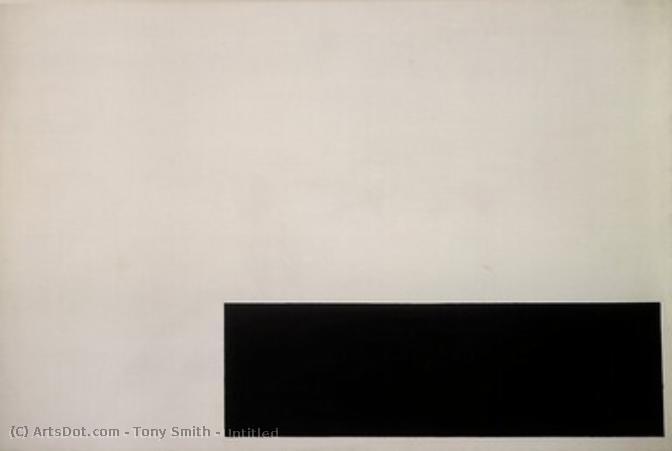
Untitled
 Minimalism
 1962
1962 163.0 x 244.0 cm
 Zobraziť viac
Kúpte si digitálnu snímku vo vysokom rozlíšení s vylepšenými detailmi, ktorá je oveľa kvalitnejšia než online náhľad.
Každý súbor starostlivo pripravujú naši interní špecialisti pomocou pokročilých nástrojov a odborného manuálneho retušovania. Zabezpečujeme, aby každý obrázok disponoval výnimočnou čistotou, presnou farebnou vernosťou a jemnými detailmi.
Konečný súbor vám bude doručený e-mailom do 72 hodín, optimalizovaný pre okamžité použitie v profesionálnom, redakčnom aj tlačovom prostredí. Ide o rovnakú kvalitu, ktorej dôverajú špičkové dizajnérske štúdiá, vydavateľstvá a galérie.
Digitálny obraz
Stiahnite si vysokorozlíšený súbor na osobné zobrazovanie, tlačenie a kreatívne projekty. ( Prejsť na tlač Prejsť na ručne maľovanú reprodukciu)
Súčasťou každej objednávky digitálneho obrazu
Expetórne digitálne doručenie, garantované
Keď si vyberiete ArtsDot.com, nedostávate len obrázok – získate profesionálne upravené digitálne umenie, vytvorené s precíznosťou a so zárukou vašej maximálnej spokojnosti. Tu je všetko, čo je súčasťou vašej objednávky automaticky:

Rýchle doručenie e-mailom
Vaša vysokorozlíšená digitálna súprava obrázkov vám bude zaslaná e-mailom do 72 hodín od objednávky – pripravená na okamžité použitie.

Digitálny súbor s vylepšením AI
Vaše dielo je profesionálne optimalizované pomocou pokročilých nástrojov umelej inteligencie a manuálnej editácie, čo zaručuje maximálnu úroveň detailov, čistotu a presnosť farieb.

Bezplatné celoživotné opätovné doručenie
Náhodou ste zmazali alebo ste stratili svoj súbor? Nebavžte sa – pošleme vám ho kedykoľvek znova, úplne bez poplatkov.

Bez poplatkov za dovoz – navždy
Užite si svoje umelodelo okamžite bez colných poplatkov, daní alebo nákladov na dopravu – digitálne stiahnutia sú vždy oslobodené od dane.

Garantovaná presnosť farieb
Pomocou profesionálnych nástrojov a farebného manažmentu zabezpečujeme, aby vaša digitálna fotografia čo najpresnejšie odrážala pôvodné farby.

60-dňová záruka spokojnosti
Ak nebudete spokojní so svojou digitálnou fotografiou, upravíme ju alebo vám vrátime 100% v priebehu 60 dní – bez zbytočných otázok.

100% Záruka vrátenia peňazí
Nie ste spokojní? Získajte plnú náhradu peňazí do 60 dní od prijatia vášho digitálneho súboru – bez zbytočných otázok.

Zľavy pri veľkom odbere
Kúpte si 3 obrazy, ušetrite 10% - Kúpte si 5, ušetrite 15% - Kúpte si 10+, ušetrite 20%. Ideálne pre kreatívne projekty, galérie a agentúry.
Podobné diela




Životopis umelca
The Architect of Presence: The Life and Legacy of Tony Smith
In the vast, often turbulent landscape of postwar American art, few figures cast a shadow as profound or as geometrically precise as Tony Smith. Born in South Orange, New Jersey, in 1912, Smith’s journey toward becoming a cornerstone of Minimalist sculpture was not a linear ascent through academic halls, but rather a complex weaving of architectural discipline, industrial fascination, and an intuitive connection to the unconscious. His early life was shaped by a profound encounter with physical fragility; a bout of tuberculosis in his youth instilled in him a deep reverence for the transformative power of structure and the way built environments can respond to human limitations. This early exposure to innovative building techniques—witnessed through his family’s use of prefabricated housing—planted the seeds for an artistic language that would eventually bridge the gap between the organic spirit and the industrial machine.
Smith’s path to creative mastery was marked by a restless, experiential intellect. Eschewing the rigid confines of traditional academia, he sought knowledge through direct engagement with the masters of his era. At the Art Students League of New York, he immersed himself in the meticulous disciplines of anatomy and drawing under figures such as George Bridgman and George Groszek. His pursuit of architectural truth led him to the New Bauhaus in Chicago and, most pivotally, to an apprenticeship with the legendary Frank Lloyd Wright. Working on the Ardmore Project and spending time at Taliesin, Smith absorbed a philosophy where form and function were inseparable. Yet, as he matured, a certain disillusionment began to take root. The domestic restrictions of client-driven architecture—the demand for comfort over pure form—began to feel like a cage, prompting him to seek a medium that offered the permanence and monumental presence he craved.
From Blueprint to Bronze: The Emergence of Minimalism
The transition from architect to sculptor in the early 1960s represented one of the most radical shifts in modern art history. Smith did not merely abandon architecture; he translated its principles into a new, sculptural vocabulary. He began to view his works not as mere objects, but as presences—entities that occupied space with a spiritual and physical weight. This period saw the birth of his iconic large-scale, modular works, characterized by their geometric abstraction and industrial rigor. One of his most revolutionary innovations was the decision to have his sculptures industrially fabricated. By utilizing steel and other industrial materials, Smith stripped away the "hand of the artist" in the traditional sense, allowing the raw, unyielding power of the material to speak for itself.
His work during this era was a masterful synthesis of seemingly contradictory forces:
- Geometric Precision: The use of cubes, pyramids, and interlocking modules that echoed the logic of mathematical structures.
- Industrial Scale: A commitment to works that commanded the landscape, forcing the viewer to confront the physical reality of mass and volume.
- Intuitive Spirit: Despite the coldness of steel, Smith’s process remained deeply rooted in the unconscious, exploring themes of spirituality and a sense of "being" within the void.
A Lasting Monument: Historical Significance
The legacy of Tony Smith extends far beyond the steel monoliths that bear his name. He was a bridge-builder between generations, a teacher at institutions like NYU and Cooper Union who mentored future icons of the New York School. His influence can be traced through the lineage of contemporary art, even reaching into the work of his daughter, the renowned artist Kiki Smith, whose sensitivity to the human form carries a different, yet equally profound, resonance. Smith’s ability to infuse industrial geometry with an almost primordial sense of mystery ensured that his work would never be dismissed as mere mathematical exercise.
Today, the significance of Smith’s oeuvre is recognized through major retrospectives at The Museum of Modern Art, the Menil Collection, and the Los Angeles County Museum of Art. He remains a vital figure for anyone studying the intersection of art and architecture, reminding us that even within the most rigid structures, there exists a profound capacity for human expression and spiritual depth. His sculptures remain as they were intended: powerful, silent presences that continue to challenge our perception of space, weight, and the very essence of existence.

Tony Smith
1912 - 1980 , United States of America
Základné informácie
- Artistic Movement Or Style: Minimalist sculpture
- Artists Or Movements Influenced By This Artist: ['American Minimalist Art']
- Artists Who Influenced This Artist:
- George Bridgman
- George Grosz
- Vaclav Vytlacil
- Date Of Birth: 1912
- Date Of Death: 1980
- Full Name: Tony Smith
- Nationality: American
- Notable Artworks:
- Untitled (1962)
- Untitled
- Place Of Birth: South Orange, United States

