
 Oil On Canvas
- WallArt
- Impressionism
 1919
1919 50.0 x 60.0 cm
 Ashmolean Museum

The picture follows your choices: , .
Popis zberateľského predmetu
Explore Robert Polhill Bevan’s ‘The Chestnut Tree’ (1919). An evocative oil painting of rural life, showcasing Impressionistic brushwork & muted tones. A unique piece for art collectors.
 Zobraziť viac
Biografia umelca
Robert Polhill Bevan (1865–1925): Britský malíř a zakladatel skupiny Camden Town. Pionýr fauvizmu, známý výraznými krajinami a scénami každodenního života.
Ručne maľovaná olejová reprodukcia
Ručne maľovaný olej na plátne vo vašej zvolenej veľkosti a v ráme, vyrobený na mieru našimi umelcami. ( Prepnúť na tlač Prepnúť na digitálny obraz)
More about this painting
 Náhľad v interiéri
 Odoslať ako digitálnu kartu
 Zdieľať
 Podrobnosti o dielo
 Príručka

 Stiahnuť obraz
 Podobné položky
 RTG skúška
 Prehliadanie diapozoje
 Q&A
Q&A Štatistiky
Order your painting in four simple steps
Take your time. You can change any answer; the price in your order card follows each choice.
1 Step one of four
Which size would you like?
These sizes keep the proportions of the original painting. The drawing shows your choice on a wall, above a two-metre sofa.
Or give your own measurements
Vyberte si z našich preddefinovaných rozmerov, ktoré zodpovedajú pôvodným pomeroḿ diela.

Zadajte šírku a výšku, ktoré potrebujete, aby sa dielo hodilo k vášmu rámu alebo stene. Keďže ide o ručnú maľbu, pri rozmeroch s odlišným pomerom strán môže umelec namalovať o niečo viac okolo obrázka alebo ho mierne orezatú — výber patrí vám. Pred začatím maľovania vám pošleme digitálnu ukážku na schválenie. Obrázok zobrazený na tejto stránke nenahrádza reálny výsledok — ten zobrazuje iba digitálna ukážka.
2 Step two of four
How should it be prepared: rolled, stretched or framed?
The prices below are for the size you chose in step one.
Choose the edges of the stretched canvas
Choose your frame

White €1

Blurside €1

Extended €1

P118B €10

P118H €10

P118W €10

P438Z €10

P508JH €12

P508YH €12

P805H €10

P805Z €10

P919BZ €10

P919G €10

P919XJ €10

P959ZH €10

P968JZ €12

W106C €8

W218G €10

W218JH €8

W218Y €10

W307PJ €10

W316G €10

W316PJ €8

W316Y €10

W398PJ €8

W4111J €10

W500HY €15

W500JH €15

W692G €12

W849H €8

W940BG €15

W953PJ €8

H24-GOLD €30

H24-SILVER €30

H36-GOLD €45

H36-SILVER €45
V rámoch
Moulding: . Overall size with the frame: .
3 Step three of four
Would you like anything changed in the painting?
Most people answer no. Because each painting is made by hand, our artist can also adapt it for you.
After order, ArtsDot.com team will email client for instructions and provide a mockup preview
4 Step four of four
A few finishing options
All of them are optional. The answers already selected cost nothing extra.
Who paints it?
Celosvetová doprava () za 3 až 4 týždne namiesto štandardných 5 týždňov. (29 október). Bez kompromisov v kvalite.
A nameplate, as in a museum?
Detaily vygravírovaného bronzového pláka
This elegant plaque features the artist's name and the title of the artwork, finely engraved for a timeless presentation.
It is made from bronze with a refined, elegant finish. The text is precisely laser-engraved for a sharp and permanent result. Measuring 9x2 cm, the plaque is compact yet easy to read. It's built to be durable and scratch-resistant, offering a professional, museum-quality look. Mounting is simple thanks to the included adhesive backing.
Detaily transparentnej akrylovej plăty
The plaque includes essential engraved details such as the artist's name, the title of the artwork, the date it was created, the type of media used-like oil on canvas or watercolor-a brief description of the piece, and a QR code that links to the complete artwork information.
It is crafted from clear acrylic, offering a sleek, modern appearance. The text is UV-engraved in black to ensure strong visual contrast. With a size of 10x15 cm, it ensures optimal readability. It comes equipped with two metal hooks for secure wall mounting. The plaque is designed to be weather-resistant, making it suitable for various environments, and it includes interactive features that work seamlessly with smartphone scanning.
Detaily čiernej akrylovej plăty
This elegant plaque includes engraved information such as the artist's name, the title of the artwork, the date it was created, the type of media used (like oil on canvas or watercolor), a short description of the artwork, and a QR code for quick access to more information.
The plaque itself is made from refined black acrylic with a premium finish. The text is laser-engraved in white for high contrast and readability. Its size is 10x15 cm, designed to be easy to read. It comes with two metal hooks for professional mounting. The design is sleek and fits any interior style. It is also weather-resistant and durable, with built-in digital integration for mobile compatibility.
A protective varnish?
When do you need it?
✓ Check and order
Your painting, as you ordered it

The Chestnut Tree
Technika reprodukcie
Veľkosť reprodukcie
-

Výborne skúsený umelec
Viac detailov, jemnosti a dodatočného času na výrobu
-

Rámovanie reprodukcie
-
-
V prípade umeleckých diel alebo reprodukcií, ktorých ktorákoľvek strana je väčšia ako 105 cm (cca 41 palcov), sa rám dodáva v rozloženom stave ako sada. Táto metóda zabezpečuje bezpečnú доставu a chráni pred poškodením počas prepravy.
Vyžaduje sa odborná montáž – toto nie je produkt na vlastnú prípravu (DIY).
Sada musí byť zmontovaná a plátno napnuté skúseným profesionálnym rámovaníkom, s použitím drevárneho lepidla (nie je súčasťou sady), klieš na napínanie plátna a svoriek na udržanie prav角的 rámov počas schnutia lepidla. Nesprávna montáž alebo nerovnomerné napnutie plátna môže trvalo poškodiť umelecké dielo, čo nie je kryté našou zárukou.
 V prípade umeleckých diel alebo reprodukcií, ktorých ktorákoľvek strana je väčšia ako 105 cm (cca 41 palcov), sa rám dodáva v rozloženom stave ako sada. Táto metóda zabezpečuje bezpečnú доставu a chráni pred poškodením počas prepravy.
Všetky lišty z masívneho dreva sú súčasťou balenia, presne narezané na mieru.
Montuje sa pomocou súčasťou balenia dodaných skrutiek, plus drevolepu na spoje v rohoch, ktorý nie je súčasťou balenia a musí si ho zabezpečiť váš montážnik.
Vyžadujú sa profesionálne nástroje, ktoré nie sú súčasťou sady: kliešte na napínanie plátna (napínací nástroj) a svorky na udržanie pravých uhlov rámov počas schnutia lepidla.
Dôležité:
Spoje v rohoch si vyžadujú lepidlo na drevo, tyče je potrebné upevniť pomocou svoriek, kým lepidlo úplne newyschne, a napnutie plátna na zostavený rám si vyžaduje klieže na napínanie plátna. Žiadna z týchto pomôcok nie je súčasťou sady. Pred objednaním tejto veľkosti si, prosím, zabezpečte skúseného odborníka na zakladanie rámov.

Popisné označenie
-
-

Ochranný lak
Lesklý lak (zvýrazňuje farby, chráni pred svetlom a vlhkosťou)
-

Prispôsobiť moje dielo
Príklady možností úprav: nahradenie tváre vlastnou fotografiou; pridanie domáceho zvieraťa (napr. nahradenie mačky psom); vloženie skrytého odkazu do pozadia; zmena krajiny alebo prvkov v pozadí.
-

Prioritné doručenie
Celosvetová doprava () za 3 až 4 týždne namiesto štandardných 5 týždňov. (29 október). Bez kompromisov v kvalite.
-
Rýchle doručenie
Celosvetová doprava do za 5 týždňov. (5 november).
V cene
Celková cena
€ 232
Možnosť skla je dostupná len pri rozmeroch pod 110 cm
Included with every order
- Bezplatná expresná doprava po celom svete
- Vysokokvalitné lnianske plátno
- Kompletné poistenie prepravy
- Záruka vrátenia colného poplatku
- Záruka presného farebného zhodnutia
- 100-dená politika vrátenia tovaru (iba pri vadách)
- 100% záruka vrátenia peňazí
- Zľava pri väčšom množstve


A Rustic Reverie: Robert Polhill Bevan’s “The Chestnut Tree”
Robert Polhill Bevan's "The Chestnut Tree," painted in 1919, isn’t merely a depiction of a rural scene; it’s a carefully constructed evocation of the English countryside imbued with a quiet intensity and a nascent modernist sensibility. This oil on canvas transports us to a moment suspended between tradition and a burgeoning awareness of color and form – a pivotal point in British art history. The painting immediately draws the eye with its muted palette, dominated by earthy browns, deep greens, and subtle greys, creating an atmosphere of understated beauty and timelessness. It’s a landscape that feels both familiar and subtly unsettling, inviting contemplation rather than immediate gratification.
Bevan, a key figure in the Camden Town Group and a pioneer of British Post-Impressionism, was deeply influenced by the artistic currents swirling through Paris at the time. However, he skillfully synthesized these influences – particularly the vibrant color palettes of Gauguin and the evocative brushwork of Pissarro – with his own distinctly English sensibility. The composition itself is deceptively simple: a weathered stone farmhouse anchors the scene, its sturdy presence contrasting with the delicate branches of the chestnut tree that dominates the upper portion of the canvas. The arrangement feels deliberately balanced, yet there’s an underlying tension—a sense of quiet observation rather than dramatic action.
Decoding the Symbolism
Beyond its purely visual appeal, “The Chestnut Tree” is rich in symbolic meaning. The chestnut tree itself holds a complex significance in British folklore and tradition – representing longevity, fertility, and even resurrection. Its presence here speaks to a deep connection with the land and a reverence for nature’s cycles. The farmhouse, too, carries weight; it embodies stability, heritage, and the enduring values of rural life. The muted colors contribute to this sense of rootedness, suggesting a timeless quality that transcends specific moments in time.
Furthermore, the painting can be interpreted as a reflection on the changing social landscape of early 20th-century Britain. Bevan’s work emerged during a period of rapid industrialization and urbanization, prompting artists to seek solace and inspiration in the countryside. “The Chestnut Tree” captures this yearning for connection with nature—a desire to preserve the values of rural life against the relentless march of modernity. The solitary farmhouse suggests a quiet resistance, a steadfastness amidst change.
A Masterclass in Impressionistic Technique
Bevan’s masterful technique is evident in every brushstroke. He employs a loose, expressive style that prioritizes capturing the *impression* of light and color over meticulous detail. Thick impasto application—particularly noticeable on the building's walls and the foliage—creates a tactile surface, inviting viewers to almost feel the texture of the paint. The use of broken color – applying small dabs of pure pigment side-by-side rather than blending them seamlessly – adds vibrancy and luminosity to the scene.
The artist’s skillful manipulation of light is particularly noteworthy. A diffused, overcast sky casts a soft glow over the landscape, creating an atmosphere of tranquility and mystery. The shadows are deep but not harsh, contributing to the painting's overall sense of harmony. Bevan’s ability to capture the subtle nuances of light and color—a hallmark of Impressionism—demonstrates his technical prowess and artistic sensitivity.
Bringing “The Chestnut Tree” Home
Reproductions of "The Chestnut Tree" offer a remarkable opportunity to bring this evocative landscape into your home or office. Whether you’re drawn to its rustic charm, its symbolic depth, or simply its exquisite beauty, this painting is sure to spark conversation and inspire contemplation. A high-quality reproduction captures the essence of Bevan's original work—the rich colors, the expressive brushwork, and the underlying sense of timelessness. It’s a piece that will add character and sophistication to any space, serving as a constant reminder of the beauty and tranquility of the English countryside.
Otázky a odpovede
Existuje sprievodca k dielu „The Chestnut Tree“ od Robert Polhill Bevan?
Sprievodca k dielu „The Chestnut Tree“ je stránka Sprievodca študentom pre dané umelecké dielo – ide o vytlačiteľnú informačnú listinu, ktorá zobrazuje dielo spolu s jeho popisom, uvedením autorstva a identifikačnými údajmi (umelec, dátumy, médium, pôvodná veľkosť, kolekcia).
Hacia ktorej farbe sa naklonilo dielo "The Chestnut Tree"?
Celé dielo „The Chestnut Tree“ od Robert Polhill Bevan prechádza Green to Violet Spectrum odtieňom.
Akým mierou sú farby diela „The Chestnut Tree“ od Robert Polhill Bevan harmonické?
Farebná harmónia diela „The Chestnut Tree“ je charakterizovaná ako Discordant Palette.
Podobné diela


Robert Polhill Bevan
1865 - 1925, Spojené kráľovskosti
Biografia umelca
Robert Polhill Bevan (1865–1925): British painter & Camden Town Group founder
Robert Polhill Bevan, born in Hove in 1865, occupies a pivotal yet often understated position within the narrative of early 20th-century British art. Emerging from a Quaker background steeped in banking connections – his parents were Richard Alexander Bevan and Laura Maria Polhill – he defied conventional expectations to become a daring innovator, a key figure in the transition from Impressionism towards more radical explorations of color and form. His journey was one of constant experimentation, absorbing influences from across Europe while forging a distinctly personal artistic vision that would profoundly impact the development of modern art in Britain. Bevan’s early education at Westminster School of Art under Fred Brown provided a solid foundation, but it was his subsequent studies at the Académie Julian in Paris that truly ignited his creative spark. There, he encountered a constellation of rising stars – Paul Sérusier, Pierre Bonnard, Édouard Vuillard, and Maurice Denis – artists who were challenging academic conventions and embracing new approaches to painting. These encounters proved formative, exposing Bevan to the principles of synthetism and laying the groundwork for his future explorations.Early Influences & Parisian Awakening
Bevan’s artistic sensibilities were profoundly shaped by his formative years in Paris. The Académie Julian served as a crucible for innovation, immersing him in the vibrant intellectual atmosphere of the Belle Époque and fostering connections with artists who championed groundbreaking ideas. He was particularly captivated by the work of Gauguin and Cézanne, whose expressive use of color and simplified forms resonated deeply within his artistic sensibilities. These encounters instilled in Bevan a conviction that art should transcend mere representation, prioritizing emotional impact and conveying subjective experience—a stance that would become central to his subsequent artistic endeavors. The influence of Brittany is undeniable; two significant journeys undertaken between 1890 and 1891 cemented his fascination with the region’s dramatic landscapes and bold chromatic palette. Observing Gauguin's pioneering approach to depicting indigenous cultures and simplifying forms captivated Bevan, prompting him to translate these principles into his own artistic practice. His sketchbook pages from this period—now housed in the Ashmolean Museum—offer invaluable insight into the genesis of his distinctive visual language.The Fauvist Breakthrough & Divisionist Technique
Around 1904 Bevan embarked on a transformative path of experimentation with pure color, anticipating the emergence of Fauvism on the continent and marking a decisive break from Impressionistic conventions. His painting “Courtyard” exemplifies this audacious stylistic choice—a deliberate rejection of naturalistic hues in favor of vibrant, emotionally charged pigments—demonstrating a willingness to prioritize expressive intensity over accurate depiction. This bold move wasn’t merely aesthetic; it reflected Bevan's belief that color possessed inherent power to communicate emotion and convey psychological states—a conviction that would inform his artistic vision throughout his career. Furthermore, Bevan honed his technique by adopting divisionist or pointillist principles, evident in masterpieces such as “Ploughing on the Downs” and “The Chestnut Tree.” This meticulous method involved applying tiny dots of color onto a canvas surface, allowing for subtle blending effects and creating luminous textures—a stylistic innovation that distinguished Bevan from many of his contemporaries. He drew inspiration from masters like Velázquez and Goya, recognizing their masterful use of chiaroscuro and capturing the essence of human emotion through nuanced tonal variations.Collective Artistic Endeavors & Recognition
Bevan’s artistic pursuits weren't confined to solitary contemplation; he actively engaged in collaborative projects that propelled him into the forefront of British modern art. He was a founding member of the Camden Town Group, alongside artists like Walter Sickert and Frank Auerbach, who sought to depict urban life with uncompromising honesty and expressive fervor—challenging academic traditions and forging a new visual language rooted in direct observation. This collective spirit extended to his involvement with the London Group and the Cumberland Market Group, fostering an exchange of ideas that enriched his artistic repertoire. Notably, Bevan joined Walter Sickert’s Fitzroy Street group in 1908, where he encountered encouragement from Sickert to explore themes of everyday life—a pivotal moment that steered Bevan towards a more socially conscious aesthetic. His membership in the New English Art Club and participation in exhibitions underscored his commitment to disseminating innovative artistic concepts and engaging with broader cultural dialogues.Legacy & Enduring Influence
Robert Polhill Bevan’s contribution to British art history is undeniable, securing his place as a pioneer of Fauvist principles and shaping the trajectory of modern British painting. His landscapes—particularly those depicting Sussex and Brittany—remain celebrated for their luminous color palettes and expressive brushwork—capturing the spirit of rural life with remarkable sensitivity. Works like “In the Downs near Lewes” and “The Chestnut Tree” exemplify Bevan’s ability to convey both visual beauty and emotional resonance—a testament to his artistic mastery and enduring influence on subsequent generations of painters. A retrospective exhibition at Colnaghi’s in 1961 served as a crucial moment of recognition, solidifying Bevan's legacy and ensuring that his innovative spirit continues to inspire artists today. His unwavering dedication to experimentation and his profound engagement with the visual arts cemented his position as one of Britain’s foremost artistic figures—a visionary who dared to challenge conventions and forge a path toward a radically new aesthetic horizon.


Súvisiace články
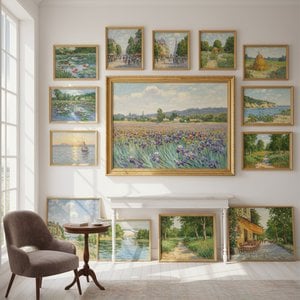
Top 10 impresionistických krajín: Majstrovské diela, ktoré zmenili umenie a dekoráciu interiéru
Ponorte sa do sveta impresionizmu! Objavte top 10 majstrovských diel krajinárstva od Monet, Renoir a ďalších. Inšpirujte sa farebnými plátnami a dekorujte svoj dom s ArtsDot.com – múzejnou kvalitou pre váš interiér. Preskúmajte kolekciu online!

Cultivating Visions: A Historical Journey Through Rural Landscapes in Art
Explore the rich history of rural landscape painting with ArtsDot. Discover Impressionist masterpieces, key artists & movements. Find your perfect serene artwork and bring nature's beauty home.
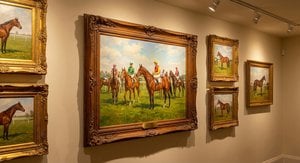
Sir Alfred James Munnings: Top 25 Majstrovských Diel pre Kolekcionárov a Milovníkov Umenia
Objavte top 25 majstrovských diel Alfreda Jamesa Munninga – britského impresionistu oslávujúceho kone a krajinu. Historické maľby, portréty koní a vojnové scény v múzejnej kvalite. Nájdite perfektnú dekoráciu interiéru na ArtsDot.com