
- Domov

- Reprodukcia olejomaľby
- richard wilson
- Italian lake scene

 Kúpiť tlač Kúpiť digitálnu verziu
 Odoslať
 Zdieľať
 Podrobnosti
 Pridať do obľúbených

 Stiahnuť
 Podobné diela
 RTG skúška
 Prezentácia
Italian lake scene

 Zobraziť viac
Ručne maľovaná olejová reprodukcia
Ručne maľovaný olej na plátne vo vašej zvolenej veľkosti a v ráme, vyrobený na mieru našimi umelcami.




P118B $10

P118H $10

P118W $10

P438Z $10

P508JH $12

P508YH $12

P805H $10

P805Z $10

P919BZ $10

P919G $10

P919XJ $10

P959ZH $10

P968JZ $12

W106C $8

W218G $10

W218JH $8

W218Y $10

W307PJ $10

W316G $10

W316PJ $8

W316Y $10

W398PJ $8

W4111J $10

W500HY $15

W500JH $15

W692G $12

W849H $8

W940BG $15

W953PJ $8




Vyberte si z našich preddefinovaných rozmerov, ktoré zodpovedajú pôvodným pomeroḿ diela.

Môžete zadať vlastné rozmery tak, aby sa hodili do konkrétneho rámu alebo priestoru. Ak sa váš zvolený rozmer nezhoduje s pôvodnými proporciami obrazu, dielo buď orezáme, alebo ho doplníme ručne maľovanými prvkami. Pred začiatkom výroby vám zašleme digitálny náhľad na schválenie.
Upozorňujeme, že ukážka na obrazovke neodráža skutočné orezanie alebo doplnenie. Skutočnú finálnu kompozíciu zobrazuje iba digitálny náhľad.
Hoci sú k dispozícii vlastné rozmery, odporúčame vybrať rozmer z preddefinovaného zoznamu, aby sme zachovali pôvodné proporcie.
Po odoslaní objednávky vám tím ArtsDot.com pošle e-mail s pokynmi a poskytne náhľad na návrh.
Celosvetová doprava () za 3 až 4 týždne namiesto štandardných 5 týždňov. (2 júl). Bez kompromisov v kvalite.

Bezplatná expresná doprava po celom svete

Prémiové lnianske plátno

Kompletné poistenie prepravy

Záruka vrátenia colného poplatku

Záruka presného farebného zhodnutia

60-dňá politika vrátenia (iba pri defektoch)

100% záruka vrátenia peňazí

Výhodná množstevná zľava
 Možnosť skla je dostupná len pri rozmeroch pod 110 cm

Italian lake scene
Technika reprodukcie
Veľkosť reprodukcie
-


Celková cena za vybrané možnosti
-
Popis diela
A Serene Vista: Richard Wilson’s Italian Lake Scene
Italian Lake Scene by Richard Wilson transports viewers to a tranquil and idyllic landscape, embodying the artist's mastery of British picturesque painting. This work exemplifies Wilson’s shift from portraiture to landscapes – a pivotal moment in his career that established him as a leading figure in 18th-century art.Subject & Composition
The painting depicts a classical Italianate vista, featuring a calm lake cradled by majestic mountains. A solitary man stands on the shore, seemingly lost in contemplation of the breathtaking scenery. His placement is central, drawing the eye, yet Wilson skillfully balances this focus with scattered figures along the shoreline and a small boat gently floating on the water’s surface. This arrangement creates depth and perspective, inviting the viewer to step into the scene. The composition adheres to principles of classical landscape painting, prioritizing harmony and balance.Style & Technique
Wilson's style is characterized by its serene atmosphere and idealized representation of nature. He employs a soft, diffused light that bathes the landscape in a warm glow, enhancing the sense of tranquility. His brushwork is delicate and refined, particularly evident in the rendering of the foliage and water reflections. The technique demonstrates Wilson’s strong foundation in classical techniques, likely honed during his early training. He was heavily influenced by artists like Thomas Gainsborough, a fellow British master known for his atmospheric landscapes.Historical Context & Influences
Richard Wilson emerged during a period of growing interest in landscape painting within the British art world. The Grand Tour – a traditional educational journey undertaken by wealthy young men to Italy and other parts of Europe – fueled this fascination with classical scenery. Wilson himself traveled extensively in Italy, absorbing the landscapes that would profoundly influence his work. He became known for creating “British Claudes,” referencing the idyllic pastoral scenes of Claude Lorrain, a 17th-century French landscape painter whose works were highly admired by British collectors. Artists like William Linton and George Barret the Elder also followed in Wilson’s footsteps, further popularizing this classical style.Symbolism & Emotional Impact
The painting evokes a sense of peaceful contemplation and appreciation for the beauty of nature. The solitary figure on the shore invites viewers to project their own emotions onto the scene – perhaps feelings of solitude, wonder, or spiritual connection. Italian Lake Scene isn’t merely a depiction of a place; it's an exploration of human emotion within the natural world. The idealized landscape suggests a longing for harmony and tranquility, offering respite from the complexities of everyday life.Collecting & Interior Design
This artwork would be a stunning addition to any art collection, particularly those focused on British landscapes or 18th-century painting. Its serene palette and balanced composition make it suitable for a variety of interior design schemes.- In a living room:
- It could serve as a focal point above a fireplace.
- In a study or library:
- Its contemplative mood would complement the space’s intellectual atmosphere.
- In a bedroom:
- The calming colors and peaceful subject matter would promote relaxation.
Podobné diela


Biografia umelca
Richard Wilson: A Pioneer of British Landscape Painting
Richard Wilson (1713/1714–1782) stands as a monumental figure in the annals of British art history, recognized primarily for his transformative contribution to landscape painting—a genre that fundamentally shifted its focus from mere topographical representation to conveying emotion and exploring philosophical ideas. Born in Islington, United Kingdom, around 1713/1714 (precise birthdate remains debated), Wilson’s artistic journey began with foundational training rooted in classical techniques and observation, mirroring the broader intellectual currents of his time. While biographical details are scarce, evidence suggests a deliberate pursuit of mastery over fundamental principles—a characteristic that would define his distinctive style. His early career centered on portraiture, reflecting the prevailing artistic conventions of the era and demonstrating an adeptness at capturing likenesses with considerable skill. However, Wilson’s true legacy resides in his decisive embrace of landscape painting, marking a pivotal moment in British art's evolution. This transition wasn’t merely stylistic; it represented a profound reimagining of artistic purpose—a move away from documenting the external world toward engaging with its inner spirit. Influenced initially by artists like Godfrey Kneller, Wilson honed his craft during his formative years in London, absorbing techniques and sensibilities prevalent within the established artistic milieu. Yet, his travels to Italy around 1752 proved instrumental in reshaping his artistic vision. Exposure to Italianate landscapes—particularly those championed by Claude Lorrain—deepened his understanding of atmospheric perspective and compositional harmony. Lorrain’s masterful use of light and shadow served as a blueprint for Wilson's own approach, profoundly impacting the mood and grandeur of his paintings. Wilson developed a uniquely British aesthetic that skillfully blended classical ideals with the distinctive qualities of the English countryside. He eschewed grand theatrical displays favored by some contemporaries, prioritizing instead a contemplative engagement with nature—a sensibility that resonated deeply with the burgeoning Romantic movement. His landscapes weren’t simply picturesque vistas; they were carefully constructed narratives designed to evoke feelings of serenity and wonder. Notable among Wilson's achievements is “Meleager and Atalanta” (c. 1743), a painting that exemplifies his ability to distill the essence of British pastoral beauty into a single, unforgettable image. The composition—characterized by balanced symmetry and subtle tonal gradations—reflects Wilson’s unwavering commitment to classical principles of harmony and proportion. Similarly impressive is “The Hengö Watch” (1756–57), where Wilson masterfully captures the interplay of light and color against a backdrop of undulating hills—a testament to his technical prowess and artistic intuition. Beyond these iconic works, Wilson produced a substantial body of paintings depicting diverse locations throughout Britain and Italy, cementing his reputation as one of the foremost landscape artists of his generation. His artistic style was significantly shaped by Thomas Gainsborough, whom he admired for his sensitivity to light and atmosphere—techniques that Wilson incorporated into his own oeuvre. However, Wilson distinguished himself through a more deliberate compositional structure and an unwavering focus on idealized beauty—a hallmark of his distinctive vision. He meticulously studied the works of Claude Lorrain and Gaspard Dughet, adopting their techniques of dramatic lighting and expressive brushwork to convey emotion and grandeur. Wilson’s legacy extends far beyond his individual paintings; he established a precedent for future generations of artists—including Francis Cotes—demonstrating that British landscape could aspire to artistic greatness. His insistence on capturing the sublime qualities of nature contributed to the formation of a distinctly British tradition of landscape art, influencing painters like Turner and Constable who would champion similar ideals throughout the Romantic era. He remains an enduring symbol of artistic innovation and a testament to the transformative power of observation—a true pioneer whose work continues to inspire admiration and contemplation today.
richard wilson
1713 - 1782 , Spojené kráľovskства
Základné informácie
- Artistic Movement Or Style: Landscape painting
- Artists Or Movements Influenced By This Artist: ['Francis Cotes']
- Artists Who Influenced This Artist:
- Godfrey Kneller
- Claude Lorrain
- Date Of Birth: 1713/1714
- Date Of Death: 1782
- Full Name: Richard Wilson
- Nationality: Británia
- Notable Artworks:
- Meleager and Atalanta
- The Hengö Watch
- Place Of Birth: Islington, Veľká Británia
Súvisiace články

Bridging Centuries: Digital Visualization & Classical Oil Painting Techniques in Contemporary Art Commissioning
Discover the art of commissioning bespoke oil paintings blending classical techniques with modern digital precision. Expert artists, personalized service & museum-quality results. Invest in a timeless masterpiece today.

From Imagination to Canvas: Commissioning Bespoke Fantasy Art with Traditional Oil Painting Techniques
Commission breathtaking bespoke fantasy art with skilled oil painters. Explore techniques, artist selection & preservation tips. Invest in a unique masterpiece today!

Top 10 olejomaľieb, ktoré zmenili svet umenia | ArtsDot.sk
Objavte top 10 legendárnych olejomaľieb, ktoré zmenili svet umenia! Pozrite sa na príbehy Van Gogha, Moneta a Rembrandta. Reprodukcie obrazov pre váš interiér – ArtsDot.sk
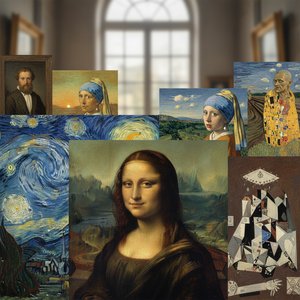
Top 10 olejomaľieb, ktoré zmenili svet umenia | ArtsDot.sk
Objavte top 10 legendárnych olejomaľieb, ktoré zmenili svet umenia! Pozrite sa na príbehy Van Gogha, Mona Lisy a ďalších majstrov. Reprodukcie obrazov pre váš interiér – ArtsDot.sk

Idyllic Visions: Exploring Pastoral Scenes in Art History – From Arcadia to Modern Interpretations
Explore the captivating history of pastoral art, from classical Arcadia to 19th-century masterpieces. Discover key artists like Millet & Cole and find serene landscape paintings for your home at ArtsDot.

