


 Zobraziť v interiéri
 Odoslať
 Zdieľať
 Podrobnosti
 Príručka

 Stiahnuť
 Podobné položky
 RTG skúška
 Prehliadanie diapo\]
 Štatistiky
Sideboard
 1805
1805 103.0 x 189.0 cm
 Taft Museum of Art
 Prečítať si viac
Umelecké dielo zobrazené na tejto stránke je chránené autorským zákonom, čo znamená, že nemôžeme legálne vytvárať ani predávať jeho identickú reprodukciu. Táto ochrana je vymáhaná na základe medzinárodných dohôd, ako napríklad Bernská konvencia a národnými zákonmi, vrátane tých, ktoré sú stanovené v Autorské právo USA – Title 17. Všetky práva vyhradené.
Táto metóda plne dodržiava autorské práva, pretože nezahŕňa kopírovanie ani duplikovanie chráneného diela. Ide skôr o kreatívnu reinterpretáciu – nový obraz, ktorý je ovplybnený originálom, no nie je s ním identický.
Giclée / Umenotlač
Giclée tlač alebo plátno múzeálnej kvality s rýchlou výrobou a rôznymi možnosťami povrchovej úpravy. ( Objednať ručne maľovanú reprodukciu Prepnúť na digitálnu verziu obrazu)




































Vyberte si z našich preddefinovaných rozmerov, ktoré zodpovedajú pôvodným pomeroḿ diela.

Zadajte šírku a výšku, ktoré potrebujete, aby sa reprodukcia hodila k vášmu rámu alebo stene. Print možno len orezávať, nikdy však nemennú veľkosť zvětšiť oproti pôvodnému obrázku, preto pri inom formáte stráca časť obrazu. Pred samotným vytlačiacím procesom vám pošleme digitálny náhľad na schválenie. Obrázok zobrazený na tejto stránke nezobrazuje reálny rez — len digitálny náhľad ukazuje presný výsledok.
Celosvetová doprava () do 2 týždňov namiesto štandardných 4 až 5 týždňov. (22 október)

Bezplatná expresná doprava po celom svete

Vysokokvalitné lnianske plátno

Úplné poistenie prepravy

Záruka vrátenia colného poplatku

Záruka presného farebného zhodnutia

100-dená politika vrátenia tovaru (iba pri vadách)

100% záruka vrátenia peňazí

Ponuka množstevnej zľavy
 Možnosť skla je dostupná len pri rozmeroch pod 110 cm

Sideboard
Giclée / Umenotlač
Veľkosť reprodukcie
-


Celková cena
€ 54
Súvisiace diela


Biografia umelca
The Genesis of a Craftsman
Born in the rugged landscape of Hanover County, Virginia, in 1779, Porter Clay emerged from a lineage where precision and devotion were inextricably linked. As the son of the Reverend John Clay, his early years were steeped in an atmosphere of meticulous care, a legacy inherited from a father who viewed the world through a lens of profound detail. This foundational discipline prepared him for a life far removed from the pulpit, yet equally dedicated to the pursuit of perfection. When the frontier spirit beckoned toward Kentucky, Clay brought with him more than just tools; he carried an ancestral reverence for the transformation of raw, natural elements into enduring legacies of beauty.The Lexington Workshop and Material Mastery
In the burgeoning heart of Lexington, Kentucky, Clay established a workshop that would become synonymous with American excellence. His artistry was a tactile dialogue with the forest itself, as he skillfully manipulated the rich textures of cherry wood, crotch cherry, and the shimmering patterns of tiger maple. Each piece was a testament to his technical prowess, often elevated by the striking addition of brass mounts—elements that provided a brilliant, metallic counterpoint to the warm, organic grains of the timber. His work embodied a seamless marriage of form and function, where the structural integrity of a sideboard or table was inseparable from its aesthetic grace.A Bold Aesthetic Vision
While rooted in the traditions of his era, Clay’s creative spirit possessed an unconventional edge that hinted at a deeper, more experimental impulse. He embraced a stylistic sensibility akin to the burgeoning neo-dada movement, seeking to bridge the gap between formal artistry and the raw immediacy of everyday experience. This desire to challenge established conventions is most evident in his use of brass, which introduced a sense of spontaneity and an unconventional aesthetic flair. Much like the later approaches taken by artists such as Elbridge Ayer Burbank, Clay’s approach sought to infuse the inanimate object with a living, breathing energy, ensuring that his furniture was never merely utilitarian, but rather a profound expression of artistic experimentation.A Lasting Legacy in American Art
The significance of Porter Clay extends far beyond the borders of Kentucky. As the brother of the legendary statesman Henry Clay, his life was intertwined with the very fabric of American history, yet his contribution remained uniquely his own—a quiet, enduring mastery of the decorative arts. Though his personal journey may have been as mercurative as the woods he worked, his impact on the landscape of 18th and 19th-century craftsmanship remains indelible. Today, his pieces stand as silent witnesses to a period of American growth, reminding us that true artistry lies in the ability to find elegance within the grain of the wood and strength within the precision of the craft.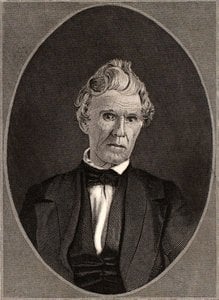
Porter Clay
1779 - , United States of America
Rýchle fakty
- Full Name: Porter Clay
- Nationality: American
- Date Of Birth: 1779
- Place Of Birth: Hanover County, United States of America
- Notable Artworks: ['Sideboard']
- Artistic Movement Or Style: Neo-Dada
- Artists Who Influenced This Artist: ['Lucas Cranach the Elder']
- Artists Or Movements Influenced By This Artist: ['Elbridge Ayer Burbank']