

 Náhľad
 Odoslať
 Zdieľať
 Podrobnosti o dielo

 Stiahnuť
 Podobné diela
 RTG skúška
 Prezentácia
 Štatistiky
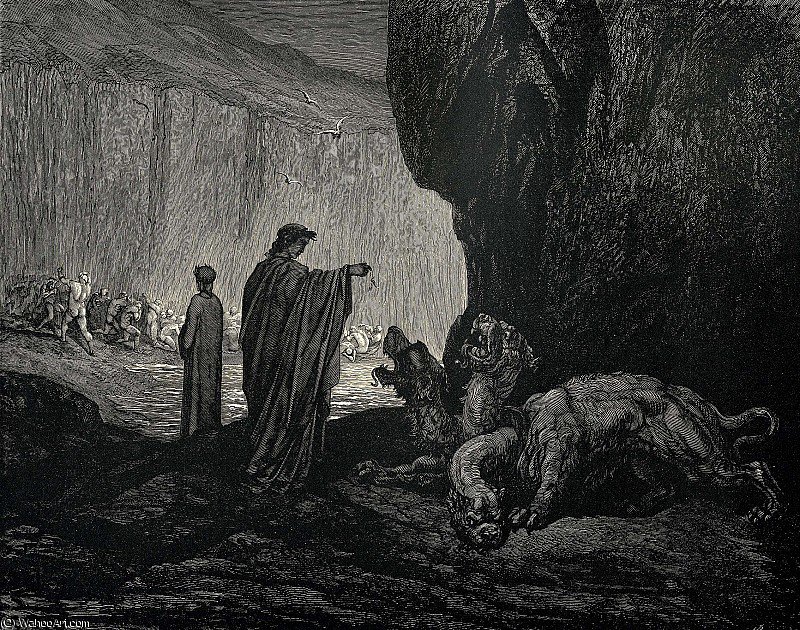
Then my guide his palms expanding on the ground thence filled with earth


 Zobraziť viac
Ručne maľovaná olejová reprodukcia
Ručne maľovaný olej na plátne vo vašej zvolenej veľkosti a v ráme, vyrobený na mieru našimi umelcami. ( Prepnúť na tlač Prepnúť na digitálny obraz)




P118B $10

P118H $10

P118W $10

P438Z $10

P508JH $12

P508YH $12

P805H $10

P805Z $10

P919BZ $10

P919G $10

P919XJ $10

P959ZH $10

P968JZ $12

W106C $8

W218G $10

W218JH $8

W218Y $10

W307PJ $10

W316G $10

W316PJ $8

W316Y $10

W398PJ $8

W4111J $10

W500HY $15

W500JH $15

W692G $12

W849H $8

W940BG $15

W953PJ $8




Vyberte si z našich preddefinovaných rozmerov, ktoré zodpovedajú pôvodným pomeroḿ diela.

Môžete zadať vlastné rozmery tak, aby sa hodili do konkrétneho rámu alebo priestoru. Ak sa váš zvolený rozmer nezhoduje s pôvodnými proporciami obrazu, dielo buď orezáme, alebo ho doplníme ručne maľovanými prvkami. Pred začiatkom výroby vám zašleme digitálny náhľad na schválenie.
Upozorňujeme, že ukážka na obrazovke neodráža skutočné orezanie alebo doplnenie. Skutočnú finálnu kompozíciu zobrazuje iba digitálny náhľad.
Hoci sú k dispozícii vlastné rozmery, odporúčame vybrať rozmer z preddefinovaného zoznamu, aby sme zachovali pôvodné proporcie.
Po odoslaní objednávky vám tím ArtsDot.com pošle e-mail s pokynmi a poskytne náhľad na návrh.
Celosvetová doprava () za 3 až 4 týždne namiesto štandardných 5 týždňov. (13 september). Bez kompromisov v kvalite.

Bezplatná expresná doprava po celom svete

Prémiové lnianske plátno

Kompletné poistenie prepravy

Záruka vrátenia colného poplatku

Záruka presného farebného zhodnutia

100-dená politika vrátenia tovaru (iba pri vadách)

100% záruka vrátenia peňazí

Výhodná množstevná zľava
 Možnosť skla je dostupná len pri rozmeroch pod 110 cm

Then my guide his palms expanding on the ground thence filled with earth
Technika reprodukcie
Veľkosť reprodukcie
-


Celková cena za vybrané možnosti
$ 363
A Descent into the Abyss: The Chiaroscuro of Terror
In the hauntingly beautiful realm of Paul Gustave Doré’s “Then my guide his palms expanding on the ground thence filled with earth,” we are not merely observers of a scene, but witnesses to a profound spiritual descent. This masterful engraving, inspired by the harrowing verses of Dante Alighieri's Inferno, serves as a visceral window into the ninth circle of Hell. Doré does not simply illustrate text; he breathes life into the psychological landscape of damnation. The artwork captures a moment of chilling theological weight, where the boundaries between the physical world and the metaphysical abyss dissolve into a sea of ink and shadow. As the viewer’s eye is drawn into the yawning chasm, one feels the palpable weight of Dante's journey—a movement from the light of the known world into the suffocating darkness of the eternal.
The composition is a masterclass in dramatic tension, utilizing strong diagonal lines to guide the gaze downward, mirroring the literal and metaphorical descent of the protagonists. A massive, rugged rocky formation anchors the right side of the frame, providing a sense of monumental scale that makes the figures within appear small and vulnerable against the infinite void. Through the meticulous use of chiaroscuro, Doré creates an atmosphere where light does not illuminate so much as it struggles to exist against an encroaching, velvety darkness. This interplay of light and shadow is central to the piece's emotional resonance, evoking feelings of isolation, dread, and the sublime terror that characterizes the Romantic era.
The Artistry of the Line: Technique and Texture
To behold a Doré engraving is to appreciate the pinnacle of 19-century printmaking virtuosity. The artwork is built upon an intricate web of fine lines, where every hatch and cross-hatch serves a specific narrative purpose. There is no reliance on color to convey emotion; instead, the artist utilizes a monochromatic palette of varying grays to sculpt form out of nothingness. The texture of the jagged, desolate landscape is rendered with such precision that one can almost feel the cold, abrasive surface of the stones and the dampness of the subterranean air. This technical mastery allows for a profound sense of materiality, making the fantastical elements of the underworld feel disturbingly tangible.
The technique of engraving—cutting fine lines into a metal plate—allows for a level of detail that is unparalleled in much of the era's broader painting styles. In this specific work, Doré uses these delicate incisions to create atmospheric perspective, where distant figures and terrain become blurred and ghostly, lost in the haze of the underworld. For the collector or interior designer, this level of detail offers an incredible depth of visual interest. When viewed as a high-quality reproduction, the sharpness of the linework remains intact, providing a sophisticated focal point that commands attention through its complexity rather than through overt brightness.
Symbolism and the Eternal Legacy
Beyond its technical brilliance, the piece is steeped in profound symbolism. The central figure’s gesture—palms expanding to grasp at the earth—is a powerful metaphor for the insatiable hunger of sin and the desperate, futile attempts to find substance within the void. It captures the essence of Lucifer’s role as a fallen entity, trapped in a cycle of consumption and destruction. This thematic depth ensures that the artwork remains much more than a mere illustration; it is a philosophical meditation on ambition, consequence, and the human condition. The presence of the guide suggests the necessity of wisdom and light even in the deepest reaches of despair.
For those looking to curate a space with intellectual and emotional gravity, this work offers an unparalleled opportunity. It is a piece that invites contemplation and serves as a conversation starter regarding history, literature, and the darker corners of the human imagination. Whether placed in a private library, a sophisticated study, or a contemporary gallery setting, Doré’s vision brings a sense of timelessness and dramatic elegance. Owning a reproduction of such a seminal work allows one to possess a fragment of the Romantic movement's soul—a piece that celebrates the beauty found even within the most terrifying shadows.
Podobné diela


Biografia umelca
A Life Etched in Shadow and Light: The World of Gustave Doré
Paul Gustave Louis Christophe Doré, známy po celom svete ako Gustave Doré, bol umelec, ktorý sa s úchvatnou zručnosťou prepletal medzi svetom ilustrácie, maľby a sochaŕstva. Narodil sa v Štrasburgu, Francúzsko, 6. januára 1832, a jeho život sa rozvinul počas obdobia obrovských spoločenských a umeleckých zmien – doby, kedy romantizmus ešte sílil, no ustupoval novým prúdom realizmu a symbolizmu. Už ako dieťa prejavil Doré nadprirodzený talent, nie len v kreslení – čo začal už v nesmierne mladom veku – ale aj v osobnosti, ktorá naznačovala dramatické sklony, ktoré by sa stali charakteristickým znakom jeho diela. Rozprávajú sa príbehy o detských žertoch, ktoré dokazovali zrelosť za hranice jeho veku, čo predznamenáva komplexné a často melancholické témy, ktoré budú prenikávať do jeho umenia. Začal svoju profesionálnu kariéru relatívne skoro, už v pätnástom roku ako karikaturista pre francúzskejšažurnal *Le Journal pour rire*, kde si osvojil zručnosti pozorovania a kompozície v pulzujúcom svete parížskej satiry.From Caricature to Literary Giants: The Rise of an Illustrator
Doréove skoršie úlohy položili základy pre jeho budúcu pýchu. Práce ako *Les Travaux d'Hercule* (1847), *Trois artistes incompris et mécontents* (1851) a *Les Dés-agréments d'un voyage d’agrément* (1851) ukázali rozvíjajúci sa talent pre dynamickú kompozíciu a mistrné použitie svetla a tieňa, aj keď v týchto relatívne skromných začiatkoch. Hlboko bol ovplyvnený ilustráciami J.J. Grandville, čísofantistické obrazy a satirický prehľad rezonovali s Doréovým vlastným rozvíjajúcim sa štýlom. No presadil sa hlavne prostredníctvom spolupráce s literárnymi gigantmi. V roku 1853 dostal povel na ilustrovanie diel Lorda Byrona, čo mu otvorilo dvere k ďalším prestížnym projektom. Monumentálna úloha ilustrovania Biblie nasledovala, ktorá zabezpečila jeho povesť a priniesla jeho umenie pred rozsiahlu medzinárodnú verejnosť. Jeho ilustrácie pre Cervantesa *Don Quijote* v roku 1860 boli obzvlášť významné a hlboko ovplyvnili ďalšie interpretácie postavy a príbehu. Nevidel v nich len ilustráciu, ale aj reinterpretáciu, s dramatickým intenzívnym dotýkaním sa ľudského stavu. Jeho spolupráca na *Londone: A Pilgrimage* (1872) s Blanchardom Jerroldom bola obzvlášť dojemná a kontroverzná práve pre svoje zobrazenie drsnej reality víťazného Londona v 19. storočí, čo vyvolalo diskusiu o sociálnych podmienkach.A Master of Technique: Wood Engraving and Romantic Vision
Doréov umelecký talent nebol len v jeho imaginatívnom zmysle, ale aj v technickej mašternej zručnosti, najmä v drevorezbe. Vlastnil výnimočnú schopnosť vytvárať nesmierne detailné a dramatické obrazy prostredníctvom tohto média, čo mu umožňovalo masové produkcie a široké šírenie jeho diela. Jeho kompozície sú charakterizované dynamikou, silnými kontrastami medzi svetlom a tieňom – technika známa ako chiaroscuro – a pocitom grandeuru, ktorý často vyvoláva pocit úžasu alebo dokonca hrôzy. Často používal tím rezbárov na prekladanie svojich návrhov do drevorezbárstva, čo umožňovalo efektívnu produkciu potrebnú na uspokojenie náročností vydavateľstiev a čitateľov. Jeho štýl je pevne zakorennený v romantickej tradícii, ktorá zdôrazňuje emócie, imagináciu a nadhľad – fascináciu mocou prírody a ľudského stavu. Nevidel v nich len záznamy, ale aj interpretácie prostredníctvom zmyslu pre dramatickú intenzitu. Tento prístup, hoci bol oslavovaný mnohými, zároveň čelil kritike od niektorých súčasníkov, ktorí považovali jeho dielo za príliš divadelné alebo senzacionalistické.Notable Works and Lasting Influence
Gustave Doré dostal titul Čestného rytieľa z rímskej Légie v roku 1861, čo bolo dôkazom jeho rastúcej povesťi v umeleckých kruhoch. Avšak jeho skutočná dedičnosť presahuje ocenenia a uznanie. Jeho ilustrácie mali hlboký dopad na vizuálnu kultúru, ovplyvnili umelcov a čitateľov po generácie. Vincent van Gogh bol medzi mnohými, ktorí boli silne inšpirovaní Doréovým dielom, najmä jeho zobrazovaním utrpenia a ťažkostí, rozpoznávajúc v ňom spoločný citlivý prístup k ľudskému stavu. Napriek tomu, že čelil kritike počas svojho života – niektorí ho považovali za príliš divadelného alebo nedostatkového v subtílnosti – jeho dielo je dnes oslavované pre umeleckú hodnotu a historický význam. Jeho ilustrácie pokračujú v formovaní nášho porozumeniu klasickým literárnym dielam a viktoriánskej spoločnosti, ponúkajú silnú vizuálnu interpretáciu večných príbehov a trvalých tém. *Jeho umenie je dôkazom síl ilustrácie, ktorá dokáže nielen zobrazovať, ale aj interpretovať a transformovať svet okolo nás.*Notable Works
- Flower Sellers of London (1875): Dojemné zobrazenie viktoriánskej chudoby a odolnosti, ktoré ukazuje rodinné väzby v prostredí ťažkostí.
- The Christian Martyrs: Dramatická majstrovská práca zobrazujúca vieru a perzekúciu s intenzívnou emóciou.
- Illustrations for Dante’s Inferno: Možno jeho najikonickejšie dielo, tieto drevorezby priniesli strašidelné videnia pekla Dantesa na život.
- Illustrations for Milton’s Paradise Lost: Doréova interpretácia tejto epiky je známa pre svoj grandeur a dramatickú intenzitu.
- The Wandering Jew (1856): Populárna práca, hoci obsahuje antisemitské podtóny odrážajúce dobu.

Gustáv Doré
1832 - 1883 , Francúzsko
Základné informácie
- Artistic Movement Or Style: Romantizmus
- Artists Or Movements Influenced By This Artist: ['Van Gogh']
- Artists Who Influenced This Artist: ['J.J. Grandville']
- Date Of Birth: 6. január 1832
- Date Of Death: 23. január 1883
- Full Name: Paul Gustave Doré
- Nationality: Francúzsky
- Notable Artworks:
- Don Quijote
- Dantes Inferno
- Raven
- Place Of Birth: Štrasburg, Francúzsko
Súvisiace články

Top 10 slávnych obrazov s dominantnou čiernou farbou | ArtsDot.sk
Objavte top 10 slávnych obrazov s dominantnou čiernou farbou od Rembrandta, Goya a ďalších majstrov. Prežite príbehy umenia, techniky a nadčasovej krásy. Reprodukcie obrazov pre váš interiér na ArtsDot.sk – múzejná kvalita!

Top 10 legendárnych rytín, ktoré navždy zmenili umenie | ArtsDot.sk
Objavte top 10 legendárnych rytín od Dürera, Rembrandta a Goya! Prežite príbeh majstrov grafiky a ich nadčasových diel. Kvalitné reprodukcie obrazov pre váš interiér na ArtsDot.sk. Preskúmajte kolekciu online!

Top 10 slávnych obrazov v odtieňoch bielej: Krása, história a dekor pre váš domov
Objavte top 10 slávnych obrazov v odtieňoch bielej – Monet, Renoir a ďalší majstri. História umenia, techniky a inšpirácia pre váš interiér. Reprodukcie obrazov najvyššej kvality na ArtsDot.com.

Timeless Elegance: A Designer's Guide to Decorating with Striking Black and White Art
Discover how to elevate your home with the timeless allure of black and white art. From minimalist abstracts to hand-painted oil reproductions, learn expert designer tips for creating sophisticated, high-contrast interiors that radiate elegance and modern luxury.

Engraving: A Historical Survey of Technique, Artistic Expression & Enduring Legacy
Explore the rich history of engraving with ArtsDot. Discover techniques, iconic artists like Dürer & Callot, collecting tips, and expert guidance for preserving your art investment. Learn about intaglio printing & more!


