


 Zobraziť v interiéri
 Odoslať
 Zdieľať
 Podrobnosti
 Príručka

 Stiahnuť
 Podobné položky
 RTG skúška
 Prehliadanie diapo\]
 Štatistiky
Rose Bush
 Watercolor
- WallArt
- Post-Impressionism
 1888
1888- 19th Century
 39.0 x 30.0 cm
 Prečítať si viac
Giclée / Umenotlač
Giclée tlač alebo plátno múzeálnej kvality s rýchlou výrobou a rôznymi možnosťami povrchovej úpravy. ( Objednať ručne maľovanú reprodukciu Prepnúť na digitálnu verziu obrazu)




P118B €10

P118H €10

P118W €10

P438Z €10

P508JH €12

P508YH €12

P805H €10

P805Z €10

P919BZ €10

P919G €10

P919XJ €10

P959ZH €10

P968JZ €12

W106C €8

W218G €10

W218JH €8

W218Y €10

W307PJ €10

W316G €10

W316PJ €8

W316Y €10

W398PJ €8

W4111J €10

W500HY €15

W500JH €15

W692G €12

W849H €8

W940BG €15

W953PJ €8




Vyberte si z našich preddefinovaných rozmerov, ktoré zodpovedajú pôvodným pomeroḿ diela.

Zadajte šírku a výšku, ktoré potrebujete, aby sa reprodukcia hodila k vášmu rámu alebo stene. Print možno len orezávať, nikdy však nemennú veľkosť zvětšiť oproti pôvodnému obrázku, preto pri inom formáte stráca časť obrazu. Pred samotným vytlačiacím procesom vám pošleme digitálny náhľad na schválenie. Obrázok zobrazený na tejto stránke nezobrazuje reálny rez — len digitálny náhľad ukazuje presný výsledok.
Celosvetová doprava () do 2 týždňov namiesto štandardných 4 až 5 týždňov. (22 október)

Bezplatná expresná doprava po celom svete

Vysokokvalitné lnianske plátno

Úplné poistenie prepravy

Záruka vrátenia colného poplatku

Záruka presného farebného zhodnutia

100-dená politika vrátenia tovaru (iba pri vadách)

100% záruka vrátenia peňazí

Ponuka množstevnej zľavy
 Možnosť skla je dostupná len pri rozmeroch pod 110 cm

Rose Bush
Giclée / Umenotlač
Veľkosť reprodukcie
-


Celková cena
€ 54
Paul Cézanne’s ‘Rose Bush’: A Symphony of Color and Form
Paul Cézanne's watercolor painting, “Rose Bush,” created in 1888, isn’t merely a depiction of nature; it’s a profound exploration of perception and the very essence of seeing. This intimate work, measuring just 39 x 30 cm, embodies the core tenets of Post-Impressionism – a movement that sought to move beyond mere representation and delve into the subjective experience of the artist. Cézanne, a pivotal figure bridging the gap between Impressionism’s fleeting light and Cubism's geometric fragmentation, used this piece as a laboratory for his revolutionary approach to form and color, laying the groundwork for modern art as we know it.
The painting immediately captivates with its vibrant palette. Deep greens dominate the background, suggesting foliage and hinting at the unseen structure beneath the surface. These aren’t the soft, diffused greens of Impressionism; instead, they are layered and textured, built up from small, deliberate brushstrokes that create a sense of solidity and depth. At the heart of the composition sits a single, magnificent red rose – its color intense and almost luminous against the verdant backdrop. Cézanne masterfully employs watercolor techniques to capture the velvety texture of the petals and the delicate sheen of the leaves, achieving an astonishing level of detail despite the relatively small scale of the work. The brushwork itself is crucial; it’s not blended smoothly but rather applied in short, broken strokes that create a dynamic sense of movement and energy.
Post-Impressionism: A Reaction Against Naturalism
Cézanne's “Rose Bush” arose as a direct response to the limitations he perceived within Impressionism. While Impressionists sought to capture the ephemeral effects of light, Cézanne was more interested in defining the underlying structure and form of objects. He famously stated, "I do not paint what I see, but what I feel," reflecting his desire to convey an internal understanding of the subject rather than a literal imitation. This shift is evident in “Rose Bush,” where the rose isn’t simply rendered as it appears; instead, Cézanne deconstructs its form into geometric shapes – cylinders, cones, and planes – suggesting a three-dimensional reality that transcends the flat surface of the watercolor paper.
The painting's context within Post-Impressionism is vital to understanding its significance. Artists like Vincent van Gogh and Paul Gauguin were also grappling with similar questions about representation, albeit through different approaches. Van Gogh’s “Starry Night,” housed at the Museum of Modern Art in New York City, shares a certain emotional intensity with Cézanne's work, though expressed through swirling brushstrokes and heightened color contrasts. Both paintings demonstrate a rejection of purely observational painting in favor of conveying personal feeling and subjective experience.
The Rose Bush: A Symbol of Beauty and Structure
Beyond its formal qualities, “Rose Bush” carries symbolic weight. Roses have long been associated with beauty, love, and passion – themes that resonate throughout Cézanne’s oeuvre. However, in this painting, the rose isn't presented as a purely romantic symbol; it’s also imbued with a sense of structure and permanence. Cézanne meticulously renders the rose’s form, emphasizing its geometric components and suggesting an underlying order beneath the apparent chaos of nature. The rose becomes a microcosm of the artist’s own quest to reconcile observation with representation – to capture both the fleeting beauty of the moment and the enduring essence of the subject.
Interestingly, Cézanne's approach to depicting flowers was revolutionary. He often painted them in series, meticulously studying their forms from multiple angles and experimenting with different techniques. “Rose Bush” exemplifies this dedication to observation and analysis, showcasing his ability to transform a simple botanical subject into a profound meditation on art and perception. The painting’s enduring appeal lies not only in its aesthetic beauty but also in its intellectual depth – inviting viewers to contemplate the complexities of seeing and representing the world around us.
Relevance to Other Artworks
Cézanne's “Rose Bush” stands as a crucial link between Impressionism and Cubism. Its emphasis on geometric form and spatial relationships paved the way for Picasso and Braque’s groundbreaking explorations of fractured perspectives in the early 20th century. The painting’s influence can be seen in countless works of modern art, demonstrating Cézanne's lasting legacy as a pioneer of abstraction. For those seeking to delve deeper into Cézanne’s world or explore other Post-Impressionist masterpieces, ArtsDot.com offers high-quality reproductions and detailed information about this captivating artwork.
ArtsDot.com offers handmade oil painting reproductions of famous artworks, including those by Paul Cézanne and other Post-Impressionist artists.
Otázky a odpovede
Môžem si pozrieť "Rose Bush" ako prejav v režime celého obrazovky?
Diaporama diela „Rose Bush“ si môžete pozrieť na stránke Diaporama daného diela.
Na čo sa odporúča použiť „Rose Bush“ od Paul Cézanne?
Odporúčaným použitím vytlačenej verzie diela „Rose Bush“ je Accent.
Kto je autorom diela "Rose Bush" a do ktorého smeru patrí?
Paul Cézanne vytvoril/a „Rose Bush“ v rámci smeru Post-Impressionism.
Súvisiace diela


Biografia umelca
Život a cesta Paula Cézanna: Od Aix-en-Provence k revolúcii v umení
Paul Cézanne, narodený 19. januára 1839 v malebnom mestečku Aix-en-Provence na juhu Francúzska, predstavuje jednu z najvýznamnejších a zároveň najvplyvnejších postáv prechodu medzi impresionizmom konca 19. storočia a kubizmom začiatku 20. storočia. Jeho umelecká cesta nebola charakterizovaná okamžitým uznaním, ale skôr pomalým, intenzívnym procesom hľadania a experimentovania, plným pochybností a kritiky, ktorý nakoniec vyústil do dedičstva, ktoré navždy zmenilo smer moderného umenia. Cézanne pochádzal z majetnej rodiny – jeho otec bol spočiatku klobúkar a neskôr bankár – čo mu poskytlo finančnú stabilitu neobvyklú pre začínajúcich umelcov, umožňujúc mu venovať sa svojej vášni bez tlaku okamžitej komerčnej úspešnosti. Hoci ho otec spočiatku smeroval k právnickej kariére, neodolateľná potreba umeleckého vyjadrenia prevážila a Cézanne sa nakoniec vzdal práva, aby nasledoval svoje povolanie – rozhodnutie, ktoré definovalo jeho život. Počiatočné vplyvy zahŕňali romantizmus populárny v jeho mladosti a dedikáciu krajinárstva barbizonskej školy, no skutočný posun nastal prostredníctvom stretnutí s umelcami ako Paul Gauguin a Georges Seurat, ktorí priniesli inovatívne prístupy k farbe a forme.Formovanie štýlu: Od temných tónov k geometrickej analýze
Cézannova raná tvorba často odrážala dramatické, emocionálne nabité témy charakteristické pre romantické maliarstvo – tmavé palety a expresívne ťahy štetcom dominovali jeho plátnam. Táto úvodná fáza však bola len stupienkom k ďalšiemu, radikálnejšiemu prístupu. Nespokojný s jednoduchým zachytávaním pomíjajúcich dojmov svetla, ako to preferovali impresionisti, Cézanne sa vydal na cestu hľadania a reprezentácie základnej štruktúry samotných objektov. Nesnažil sa len o to, *čo* vidí, ale aj o to, *ako* vníma fundamentálne formy tvoriace realitu. To ho priviedlo k rozkladu prírodných tvarov na ich geometrické ekvivalenty – kužele, valce, gule – predznamenávajúc kubistickú revolúciu o desaťročia neskôr. Jeho technika sa vyznačovala malými, opakujúcimi sa ťahmi štetcom, precízne vrstvenými na budovanie komplexných polí farieb a textúr, vytvárajúc pocit pevnosti a hĺbky, ktorý bol v maliarstve predtým nevídaný. Nezaujímal ho iluzionistický priestor; namiesto toho často prezentoval objekty z viacerých uhľov súčasne, spochybňujúc tradičné predstavy o perspektíve a nútiac diváka aktívne sa zapájať do konštruovaného charakteru jeho kompozícií. Toto úmyselné skreslenie nebolo náhodné, ale snaha o prenesenie komplexnejšieho porozumenia formy, reprezentujúce nielen jediný okamih v čase, ale syntézu vnímania.Krajiny, zátišía a ľudská postava: Kľúčové diela a opakujúce sa motívy
Cézannovo dielo je pozoruhodne rozmanité, zahŕňajúce krajiny, zátišía, portréty a zobrazenia kúpačiek, no všetky sú spojené jeho jedinečným prístupom k forme a farbe. Jazierko v Jas de Bouffan, namaľované v roku 1880, je príkladom jeho krajinárskej tvorby, demonštrujúc schopnosť zachytiť podstatu prírody prostredníctvom starostlivého usporiadania tvarov a tónov. Portrét Émila Zolu, vytvorený v roku 1866, odhaľuje jeho rozvíjajúci sa štýl a ponúka presvedčivý pohľad do intelektuálnej intenzity jeho blízkeho priateľa a spisovateľa. Jeho zátišía, napríklad tie s jablkami a inými plodmi, nie sú len reprezentáciami objektov, ale skôr skúmaním objemu, svetla a priestorových vzťahov. Séria Mont Sainte-Victoire sa stala Cézannovou obsesiou, opakujúcim sa motívom, ktorý mu umožnil neúnavne skúmať formu a perspektívu po celé desaťročia. Tieto obrazy nie sú len zobrazením hory; sú štúdiami toho, ako vnímame hĺbku, objem a hru svetla a tieňa. Napokon, jeho séria Kúpačiek, zobrazujúca nahé postavy v idylických krajinách, predstavuje hlboké skúmanie ľudskej formy a jej spojenia s prírodou, často presiaknuté pocitom nadčasovosti a tichej kontemplácie.Dedičstvo utkané inováciami: Cézannov vplyv na moderné umenie
Vplyv Paula Cézanna na nasledujúce generácie umelcov je nesmierny. Je všeobecne považovaný za „otca moderného umenia“ pre jeho priekopnícke príspevky k obrazovému jazyku, otvárajúc cestu mnohým významným umeleckým hnutiam 20. storočia. Pablo Picasso a Georges Braque boli hlboko zadlžení Cézannovým dôrazom na geometrické formy a viacnásobné perspektívy, ktoré sa stali ústrednými princípmi kubizmu. Jeho odvážne použitie farieb inšpirovalo aj faivistické hnutie, vedené umelcami ako Henri Matisse, ktorí prijali živé, nenaturalistické odtiene. Dokonca aj surrealistickí umelci našli rezonanciu v Cézannovom skúmaní subjektívneho vnímania a psychologickej hĺbky. Popri špecifických hnutích Cézannova trvalá naliehanie na osobnú víziu umelca a jeho odmietanie tradičných akademických obmedzení oslobodilo generácie maliarov, aby skúmali nové formy vyjadrenia. Spochybnil samotnú definíciu reprezentácie, posunúc zameranie zo snahy napodobniť realitu k konštruovaniu vizuálneho zážitku založeného na základnej štruktúre a subjektívnom vnímaní. Jeho smrť v roku 1906 neznamenala koniec, ale začiatok – úsvit novej éry v dejinách umenia, hlboko formovanej jeho revolučnou víziou.
Paul Cézanne
1839 - 1906 , Francúzsko
Rýchle fakty
- Artistic Movement Or Style: Postimpresionizmus
- Artists Or Movements Influenced By This Artist:
- Kubizmus
- Fauvizmus
- Artists Who Influenced This Artist:
- Romanticizmus
- Barbizonská škola
- Date Of Birth: 19. január 1839
- Date Of Death: 22. október 1906
- Full Name: Paul Cézanne
- Nationality: Francúz
- Notable Artworks:
- The Pond at Jas de Bouffan
- Portrait of Émile Zola
- Mont Sainte-Victoire
- Place Of Birth (City And Country): Aix-en-Provence, Francúzsko
Súvisiace články

Ephemeral Visions: Exploring the Artistic Legacy & Contemporary Practice of Watercolor Painting
Explore the captivating world of watercolor painting! Discover its rich history, essential techniques, influential artists & collecting tips. A comprehensive guide for art enthusiasts from ArtsDot.

Paul Klee: Top 25 diel pre milovníkov umenia a dokonalú dekoráciu interiéru
Objavte top 25 diel Paula Kleeho – od expresionistických kompozícií po abstraktné farebné svety. Prežite príbeh umelca, techniky a nadčasovej krásy. Kvalitné reprodukcie obrazov pre váš interiér na ArtsDot.com.
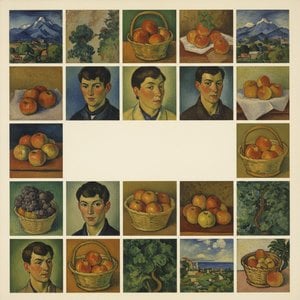
Paul Cézanne: Top 25 Majstrovských Diel pre Váš Domov – Kolekcia ArtsDot
Objavte top 25 diel Paula Cézanna – impresionistické krajinomaľby, zátišia a portréty. Prežite príbeh umelca a jeho majstrovských techník. Reprodukcie obrazov pre luxusný domov na ArtsDot.com

Top 10 legendárnych vodafarieb, ktoré zmenili svet umenia | ArtsDot.com
Objavte top 10 legendárnych vodafarieb od Turner, Homer a ďalších majstrov! História umenia, techniky a inšpirácia pre váš interiér. Reprodukcie obrazov na ArtsDot.com – kvalita múzejnej úrovne.

Beyond Impressionism: Exploring the Emotional Depth of Post-Impressionist Painting
Explore the profound emotional depth & innovative techniques of Post-Impressionism with ArtsDot. Discover Cézanne, Van Gogh, Gauguin & more – and their lasting impact on modern art.


