


 Náhľad
 Odoslať
 Zdieľať
 Podrobnosti o dielo

 Stiahnuť
 Podobné diela
 RTG skúška
 Prezentácia
Dining room (design)
 Ink
Ink- WallArt
- Art Nouveau
 1903
1903- Modern
 35.0 x 25.0 cm
 Museum of Applied Arts
 Zobraziť viac
Giclée / Umenotlač
Giclée tlač alebo plátno múzeálnej kvality s rýchlou výrobou a flexibilnými možnosťami povrchovej úpravy. ( Prejsť na ručne maľovanú reprodukciu Prepnúť na obrázok)




P118B $10

P118H $10

P118W $10

P438Z $10

P508JH $12

P508YH $12

P805H $10

P805Z $10

P919BZ $10

P919G $10

P919XJ $10

P959ZH $10

P968JZ $12

W106C $8

W218G $10

W218JH $8

W218Y $10

W307PJ $10

W316G $10

W316PJ $8

W316Y $10

W398PJ $8

W4111J $10

W500HY $15

W500JH $15

W692G $12

W849H $8

W940BG $15

W953PJ $8




Vyberte si z našich preddefinovaných rozmerov, ktoré zodpovedajú pôvodným pomeroḿ diela.

Môžete zadať vlastné rozmery, aby sa reprodukcia prispôsobila konkrétnemu rámu alebo priestoru. Ak zvolená veľkosť nebude zodpovedať proporciám originálu, dielo buď orežeme, alebo obraz rozšírime pomocou zrkadlenia či farebného doplnenia okrajov. Pred začatím výroby vám pošleme digitálnu ukážku na schválenie.
Máte na vedomí, že náhľad na obrazovke neodzrkadľuje skutočné orezanie alebo rozšírenie. Len digitálna ukážka presne zobrazí finálnu kompozíciu.
Hoci sú k dispozícii vlastné rozmery, pre zachovanie pôvodných proporcií odporúčame vybrať si rozmer z vopred definovaného zoznamu.
Celosvetová doprava () do 2 týždňov namiesto štandardných 4/5 týždňov. (11 august)

Bezplatná expresná doprava po celom svete

Prémiové lnianske plátno

Kompletné poistenie prepravy

Záruka vrátenia colného poplatku

Záruka presného farebného zhodnutia

60-dňá politika vrátenia (iba pri defektoch)

100% záruka vrátenia peňazí

Výhodná množstevná zľava
 Možnosť skla je dostupná len pri rozmeroch pod 110 cm

Dining room (design)
Giclée / Umenotlač
Veľkosť reprodukcie
-


Celková cena za vybrané možnosti
$ 63
Popis predmetu
A Vision of Elegance: The Architectural Grace of Pál Horti’s Dining Room
In the delicate interplay of shadow and light, Pál Horti’s 1903 design for a dining room emerges as a breathtaking testament to the dawn of the twentieth century's aesthetic revolution. This monochromatic masterpiece, originally conceived as the grand prize for the Hungarian Society for Applied Arts furniture exhibition, transcends mere architectural planning to become a poetic meditation on order and grace. Through a masterful use of pen and ink, Horti invites us into a space where every line serves a purpose, creating an atmosphere that is simultaneously structured and ethereal. The composition, viewed from a thoughtful distance, presents a symmetrical arrangement of furniture that feels less like a collection of objects and more like a choreographed dance of geometry and form.
The soul of this work lies in its profound connection to the international currents of the Art Nouveau movement, specifically drawing inspiration from the influential British Applied Arts exhibition of 1902. One can clearly trace the sophisticated influence of the Glasgow School and the Mackintosh workshop within Horti’s meticulous linework. The furniture pieces—the sturdy yet elegant chairs, the commanding table, and the graceful couch—are defined by a rhythmic balance of strong verticality and subtle organic curves. By utilizing stark black patches against a pristine white background, the artist achieves a striking graphic clarity that anticipates the modernism of the coming decades, making this piece an essential inspiration for those who appreciate the intersection of fine art and functional design.
Technically, the drawing is a triumph of precision and texture. Without the use of color, Horti relies entirely on the sophisticated application of hatching and cross-hatching to breathe life into the inanimate. These rhythmic strokes create an illusion of depth and volume, suggesting the weight of wood and the soft drape of upholstery through nothing more than varying line weights. The architectural elements, such as the windows and doorways, are rendered with a simplified, almost skeletal beauty that emphasizes the structural integrity of the room. This technique creates a sense of "flatness" that is paradoxically deep, offering a captivating visual experience that rewards close inspection.
For the discerning collector or interior designer, this artwork offers much more than historical interest; it provides a blueprint for timeless sophistication. The emotional impact of the piece is one of profound serenity and disciplined beauty. It evokes a sense of a bygone era where domestic spaces were treated as sacred canvases for artistic expression. As a high-quality reproduction, this work serves as a sophisticated focal point for any contemporary interior, bringing a touch of Hungarian avant-garde history into a modern setting. It is an invitation to contemplate the enduring power of line, the elegance of symmetry, and the timeless allure of a perfectly composed space.
Podobné diela


Biografia umelca
Robert Henri: A Pioneer of American Regionalism
Robert Henri, born Robert Henry Cozad in Cincinnati, Ohio on February 10, 1865, stands as a pivotal figure in the development of American art at the turn of the 20th century. His life and work represent a significant shift away from European artistic traditions and toward a celebration of American subjects, landscapes, and people – a movement that would later be known as Regionalism. Henri’s journey was marked by unconventional choices, including a deliberate rejection of formal art training in favor of self-education and immersion in the lives he sought to depict. This approach profoundly shaped his artistic vision and cemented his legacy as a champion of realism and social observation.Early Life and Influences
Henri’s early years in Nebraska instilled within him a deep appreciation for the American West, its rugged beauty, and the lives of its inhabitants. Moving to Dawson County at the age of eight, he developed a keen eye for detail and an understanding of rural life that would later become central to his artistic practice. While he initially pursued a career as a commercial artist in Chicago, working primarily in advertising and illustration, Henri’s artistic ambitions extended far beyond these commissions. He was deeply influenced by the works of Gustave Courbet, particularly Courbet's commitment to depicting everyday subjects with unflinching honesty, and by the writings of Walt Whitman, whose celebration of American democracy and individualism resonated strongly with Henri’s own values. The burgeoning Impressionist movement also exerted a subtle influence, though Henri ultimately prioritized direct observation and social commentary over fleeting effects of light and color.The Ashcan School and Social Realism
Henri's most significant contribution to American art lies in his founding and leadership of the Ashcan School around 1897. This group, comprised primarily of artists like George Bellows, John Sloan, and Everett Shinn, rejected the academic traditions of the time and instead focused on depicting the gritty realities of urban life – the crowded tenements, the bustling streets, and the marginalized populations of New York City. Henri’s paintings, such as *Table Talk* (1907) and *The Divan Theater* (1908), captured this atmosphere with remarkable immediacy and empathy. Unlike many artists who romanticized poverty or presented it through a lens of pity, Henri sought to portray the lives of working-class individuals with dignity and respect, highlighting their resilience and humanity. His work was deeply rooted in social realism, reflecting a growing awareness of social injustice and inequality during this period.Technique and Style
Henri’s artistic style is characterized by its directness, spontaneity, and vibrant color palette. He eschewed meticulous detail and idealized forms, opting instead for loose brushstrokes and a focus on capturing the essence of his subjects. His compositions are often dynamic and informal, reflecting the energy and movement of everyday life. Henri's use of color was particularly notable; he employed bold, saturated hues to create a sense of immediacy and emotional intensity. He frequently worked *alla prima*, applying paint directly to the canvas without preliminary sketches, resulting in paintings that possess a remarkable freshness and vitality. His technique can be described as a blend of Impressionistic techniques with a distinctly American sensibility – capturing not just appearances but also the spirit and character of his subjects.Legacy and Historical Significance
Robert Henri’s impact on American art is undeniable. He challenged the established artistic conventions of his time, paving the way for future generations of artists to explore new subject matter and techniques. His commitment to social realism influenced a wide range of artists, including those associated with Social Realism in the mid-20th century. Henri’s emphasis on depicting American life – both its beauty and its struggles – helped to establish art as a vehicle for social commentary and political engagement. Though often overlooked during his lifetime, Henri is now recognized as one of the most important figures in the development of modern American painting, a true pioneer who captured the spirit of a nation undergoing rapid transformation. His work continues to resonate with viewers today, reminding us of the importance of seeing the world around us with open eyes and compassionate hearts.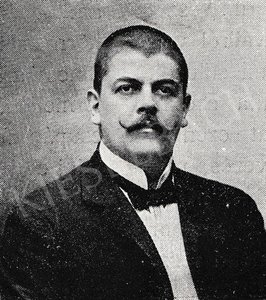
pál horti
1865 - 1907 , Hungary
Základné informácie
- Artistic Movement Or Style: Impressionism
- Artists Or Movements Influenced By This Artist:
- Ashcan School
- American Impressionism
- Artists Who Influenced This Artist:
- William Merritt Chase
- Jean-Léon Gérôme
- Date Of Birth: 1865
- Date Of Death: 1907
- Full Name: Robert Henri
- Nationality: American
- Notable Artworks:
- The Table
- Spanish Artist
- Portrait of a Woman
- Place Of Birth: Cincinnati, Ohio
Súvisiace články

Top 10 slávnych obrazov s dominantnou čiernou farbou | ArtsDot.sk
Objavte top 10 slávnych obrazov s dominantnou čiernou farbou od Rembrandta, Goya a ďalších majstrov. Prežite príbehy umenia, techniky a nadčasovej krásy. Reprodukcie obrazov pre váš interiér na ArtsDot.sk – múzejná kvalita!

Monochromatická elegancia: Využitie čiernej, bielej a šedej abstrakcie v modernom dizajne interiérov
Objavte monochromatickú eleganciu v interiéroch! Sprievodca pre hotelových dizajnérov o využití čiernej, bielej a šedej farieb. Tipy na svetlo, textúru a materiály pre luxusný dizajn.

Monochrome Visions: Exploring the Aesthetic & Historical Significance of Black & White Photography
Explore the rich history & artistic power of black and white photography. From early techniques to iconic masters like Ansel Adams, discover why monochrome continues to captivate art lovers today. Expert insights for collectors.
Abstraktná harmónia: Dosiahnutie interiérovej súdržnosti prostredníctvom textúrneho rezonovania medzi umením, nábytkom a paletou materiálov
Odkryte tajomstvá abstraktnej harmónie v interiéri! Naučte sa, ako vytvoriť súdržný priestor prostredníctvom textúrneho rezonovania medzi umením, nábytkom a farebnou paletou. Expertné rady pre luxusný dizajn.

Fernand Léger: Top 25 diel pre milovníkov moderného umenia a dizajnu interiéru
Objavte top 25 diel Fernand Légera – priekopníka kubizmu a tubizmu. Prežite príbeh za ikonickými obrazmi, farebnou kompozíciou a strojovým vekom. Reprodukcie pre váš interiér na ArtsDot.com! Preskúmajte celú kolekciu online.

