


 Zobraziť v interiéri
 Odoslať
 Zdieľať
 Podrobnosti
 Príručka

 Stiahnuť
 Podobné položky
 RTG skúška
 Prehliadanie diapo\]
 Štatistiky
Crossing the River


 Prečítať si viac
Ručne maľovaná olejová reprodukcia
Ručne maľovaný olej na plátne vo vašej zvolenej veľkosti a v ráme, vyrobený na mieru našimi umelcami. ( Prepnúť na tlač Prepnúť na digitálnu verziu obrazu)




































Vyberte si z našich preddefinovaných rozmerov, ktoré zodpovedajú pôvodným pomeroḿ diela.

Môžete zadať vlastné rozmery tak, aby sa hodili do konkrétneho rámu alebo priestoru. Ak sa váš zvolený rozmer nezhoduje s pôvodnými proporciami obrazu, dielo buď orezáme, alebo ho doplníme ručne maľovanými prvkami. Pred začiatkom výroby vám zašleme digitálny náhľad na schválenie.
Upozorňujeme, že ukážka na obrazovke neodráža skutočné orezanie ani doplnenie. Skutočnú finálnu kompozíciu zobrazuje iba digitálny náhľad.
Hoci sú k dispozícii vlastné rozmery, odporúčame vybrať rozmer z preddefinovaného zoznamu, aby sme zachovali pôvodné proporcie.
Po odoslaní objednávky vám tím ArtsDot.com pošle e-mail s pokynmi a poskytne náhľad na návrh
Celosvetová doprava () za 3 až 4 týždne namiesto štandardných 5 týždňov. (26 september). Bez kompromisov v kvalite.

Bezplatná expresná doprava po celom svete

Vysokokvalitné lnianske plátno

Úplné poistenie prepravy

Záruka vrátenia colného poplatku

Záruka presného farebného zhodnutia

100-dená politika vrátenia tovaru (iba pri vadách)

100% záruka vrátenia peňazí

Ponuka množstevnej zľavy
 Možnosť skla je dostupná len pri rozmeroch pod 110 cm

Crossing the River
Spôsob reprodukcie
Veľkosť reprodukcie
-


Celková cena
$ 263
Súvisiace diela


Biografia umelca
The Renaissance of Indian Bronze
Meera Mukherjee emerged from the vibrant cultural landscape of Kolkata in 1923, not merely as a sculptor, but as a vital bridge between the ancient soul of India and the burgeoning modernism of the twentieth century. Her artistic journey was one of profound discovery, characterized by a desire to breathe new life into the ancestral rhythms of Bengali sculpting. By looking backward into the deep wells of tradition, she found the essential tools to move forward, creating a visual language that felt both timelessly rooted and strikingly contemporary.
Her artistic evolution was deeply shaped by her immersion within the tribal traditions of Chhattisgarh. It was here, amidst the Bastar sculpting community, that she mastered the intricate Dhokra method—a delicate lost-wax casting technique passed down through generations. Rather than simply replicating these ancient forms, Mukherjee possessed the rare brilliance to innovate upon them. She refined the bronze casting process, infusing the rugged, earthy textures of tribal art with a sophisticated modernist sensibility that allowed for greater fluidity and anatomical nuance.
A Humanist Lens on Tradition
The true heart of Mukherjee’s work lies in her unwavering commitment to humanism. Her sculptures do not merely depict figures; they capture the very essence of the common person, celebrating the dignity found in everyday life and folk traditions. Through her mastery of bronze, she transformed a heavy, industrial medium into something that feels remarkably alive, portraying scenes of communal strength and individual grace with an intimate, soulful touch.
Her monumental contributions to the Indian art scene were recognized with the prestigious Padma Shri in 1992, a testament to her role in elevating indigenous techniques to the global stage. Her legacy is defined by this unique duality: she was both a scholar of the past and a pioneer of the future. Through her work, the ancient echoes of the Dhokra tradition were transformed into a powerful, modern voice that continues to resonate within the history of Indian sculpture.

meera mukherjee
1923 - 1998 , India
Rýchle fakty
- Artistic Movement Or Style: Modern Bengali sculpture, Dhokra technique
- Artists Who Influenced This Artist: ['Bastar sculpting tradition']
- Date Of Birth: 1923
- Date Of Death: 1998
- Full Name: Meera Mukherjee
- Nationality: Indian
- Place Of Birth: Kolkata, India
Súvisiace články

The Enduring Form: Sculpture Across History, Technique & Emotional Resonance
Explore the rich history of sculpture with ArtsDot. Discover key techniques, influential artists & investment potential for discerning collectors. Expert insights into valuing and collecting timeless masterpieces.

Top 10 Bronzových Sôch, ktoré Zmenili Umenie Navždy | ArtsDot
Objavte top 10 legendárnych bronzových sôch, ktoré zmenili umenie! Michelangelo, Rodin a ďalší majstri. História, techniky a nadčasová krása pre váš interiér. Reprodukcie múzejnej kvality na ArtsDot.com

Top 10 Bronzových Majstrovských Diel, ktoré Zmenili Umění Navždy | ArtsDot
Objavte top 10 legendárnych bronzových majstrovských diel, ktoré zmenili umenie navždy! Rodin, Michelangelo a ďalší. Prežite príbehy slávnych sôch a nájdite inšpiráciu pre váš interiér na ArtsDot.com.

The Enduring Form: Exploring Themes & Techniques in Sculpture Across Historical Periods
Explore the rich history of sculpture from ancient masterpieces to contemporary innovations. Discover key techniques, influential artists & investment potential for discerning art collectors.
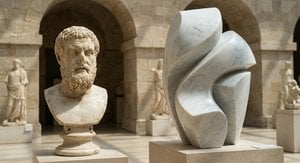
The Enduring Allure of Marble in Art History: From Classical Sculpture to Modern Abstraction
Explore the captivating history of marble sculpture from ancient Greece to modern art. Discover renowned artists like Canova & Michelangelo, carving techniques, and investment insights at ArtsDot.