


 Zobraziť v interiéri
 Odoslať
 Zdieľať
 Podrobnosti
 Príručka

 Stiahnuť
 Podobné položky
 RTG skúška
 Prehliadanie diapo\]
 Štatistiky
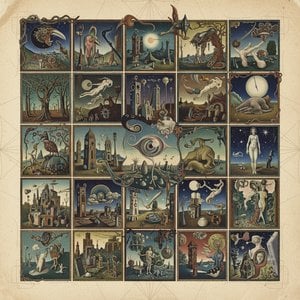
Awakening

 Prečítať si viac
Giclée / Umenotlač
Giclée tlač alebo plátno múzeálnej kvality s rýchlou výrobou a rôznymi možnosťami povrchovej úpravy. ( Objednať ručne maľovanú reprodukciu Prepnúť na digitálnu verziu obrazu)




P118B €10

P118H €10

P118W €10

P438Z €10

P508JH €12

P508YH €12

P805H €10

P805Z €10

P919BZ €10

P919G €10

P919XJ €10

P959ZH €10

P968JZ €12

W106C €8

W218G €10

W218JH €8

W218Y €10

W307PJ €10

W316G €10

W316PJ €8

W316Y €10

W398PJ €8

W4111J €10

W500HY €15

W500JH €15

W692G €12

W849H €8

W940BG €15

W953PJ €8




Vyberte si z našich preddefinovaných rozmerov, ktoré zodpovedajú pôvodným pomeroḿ diela.

Môžete zadať vlastné rozmery, aby sa reprodukcia prispôsobila konkrétnemu rámu alebo priestoru. Ak zvolená veľkosť nebude zodpovedať proporciám originálu, dielo buď orežeme, alebo obraz rozšírime pomocou zrkadlenia či farebného doplnenia okrajov. Pred začatím výroby vám pošleme digitálnu ukážku na schválenie.
Máte na vedomí, že náhľad na obrazovke neodzrkadľuje skutočné orezanie alebo rozšírenie. Len digitálna ukážka presne zobrazí finálnu kompozíciu.
Hoci sú k dispozícii vlastné rozmery, pre zachovanie pôvodných proporcií odporúčame vybrať si rozmer z vopred definovaného zoznamu.
Celosvetová doprava () do 2 týždňov namiesto štandardných 4 až 5 týždňov. (13 október)

Bezplatná expresná doprava po celom svete

Vysokokvalitné lnianske plátno

Úplné poistenie prepravy

Záruka vrátenia colného poplatku

Záruka presného farebného zhodnutia

100-dená politika vrátenia tovaru (iba pri vadách)

100% záruka vrátenia peňazí

Ponuka množstevnej zľavy
 Možnosť skla je dostupná len pri rozmeroch pod 110 cm

Awakening
Giclée / Umenotlač
Veľkosť reprodukcie
-


Celková cena
€ 53
Súvisiace diela


Biografia umelca
The Shadowed World of Max Klinger: A Pioneer of Symbolism
Max Klinger, born in Leipzig in 1857, wasn’t simply an artist; he was a translator—a translator of the human psyche into visual form. His artistic journey wasn't one of immediate acclaim but rather a gradual unfolding of a unique vision – a descent into the psychological depths that would profoundly influence modern art. Klinger’s early training at the Academy of Fine Arts in Karlsruhe, under Karl Gussow, provided him with a solid foundation in traditional techniques, yet it was his fascination with the etchings of artists like Menzel and Goya—masters who understood how to convey not just visual representation but also narrative complexity and emotional intensity – that truly ignited his imagination. These masters demonstrated the power of printmaking to reveal hidden currents, anxieties, and dreams within the human experience; qualities Klinger would masterfully employ throughout his career. He wasn’t content merely to depict the world as it appeared; he sought to unveil its secrets, its unspoken fears, and its elusive hopes.From Realism's Embrace to Symbolic Depths
Klinger’s artistic evolution was marked by a deliberate shift away from straightforward realism towards a more subjective and symbolic language. Initially, his work reflected the aesthetic trends of his time – detailed depictions of everyday life, often imbued with a sense of melancholy or quiet observation. However, this phase proved merely a stepping stone. The turning point came with his series of etchings, Paraphrase on the Finding of a Glove (1881). This ambitious project, comprising ten plates, wasn’t a literal illustration of an event but rather a fragmented, dreamlike exploration of desire, loss, and the complexities of human relationships. The glove itself became a potent symbol – a relic imbued with memory and longing, representing forgotten connections and the ephemeral nature of time. This series established Klinger as a leading voice in the Symbolist movement, demonstrating his ability to transform ordinary objects into vehicles for profound psychological insight. He wasn’t interested in simply showing what things looked like; he wanted to convey *what they felt* like – the emotions and associations they evoked within the viewer's mind.Sculpture, Printmaking, and the Exploration of Myth
Klinger’s artistic output was remarkably diverse, encompassing painting, sculpture, and printmaking—though it’s arguably in the realm of graphic arts that he achieved his most enduring legacy. His prints are characterized by their meticulous technique, dramatic use of light and shadow, and haunting imagery. He wasn't afraid to tackle challenging themes – mortality, sexuality, and the darker aspects of the human psyche. Beyond Paraphrase on the Finding of a Glove, works like his depictions of Faustian bargains and mythological scenes reveal a fascination with archetypal narratives and universal human struggles. His sculptural work, though less prolific than his prints, was equally ambitious. A prime example is his monumental installation in homage to Beethoven at the Vienna Secession in 1902 – a powerful testament to the composer’s genius and a bold statement of artistic innovation. The sculpture depicted Beethoven as a Greek god on a large alabaster throne, conveying both his divine inspiration and his profound human suffering. Klinger's sculptures were often deliberately unsettling, challenging conventional notions of beauty and form.Influences and Artistic Development
Klinger’s artistic development was shaped by a confluence of influences. His early training at the Karlsruhe Academy instilled in him a solid grounding in traditional techniques, but it was his exposure to the works of Menzel and Goya that truly awakened his imagination. These masters demonstrated the power of printmaking to convey not just visual representation but also narrative complexity and emotional intensity – qualities Klinger would masterfully employ throughout his career. He was deeply influenced by Japanese woodblock prints, which he studied extensively during his time in Paris, incorporating their delicate lines and evocative imagery into his own work. Furthermore, Klinger’s engagement with the writings of Arthur Schopenhauer and Friedrich Nietzsche—philosophers who explored themes of pessimism, irrationality, and the search for meaning – informed his artistic vision, leading him to delve into the darker recesses of the human psyche. He was also a contemporary of Arnold Böcklin, whose Symbolist paintings shared a similar preoccupation with dreamlike imagery and psychological symbolism.Legacy and Influence: A Bridge to Modernity
Max Klinger’s influence extended far beyond his own lifetime. He paved the way for Expressionism, Surrealism, and other avant-garde movements that sought to explore the inner world of human experience. His emphasis on symbolism, psychological depth, and subjective interpretation resonated with artists grappling with the anxieties and uncertainties of the modern age. The artist’s exploration of dreamlike states and subconscious desires anticipated the work of later Surrealists like Salvador Dalí and René Magritte. Even in more recent times, Klinger's ideas continue to inspire contemporary artists. In 1991, the Moscow art collective Inspection Medical Hermeneutics created “Klinger’s Boxes,” an installation directly inspired by his work – a testament to the enduring power of his vision. He remains a crucial figure in understanding the transition from 19th-century academic traditions to the radical experimentation of the 20th century. His art invites us to confront our own shadows, to delve into the mysteries of the human psyche, and to recognize the profound beauty that can be found even in the darkest corners of existence.Notable Works & Continued Relevance
Beyond the celebrated Paraphrase on the Finding of a Glove, Klinger’s oeuvre boasts numerous significant pieces. Paintings like “Karl Haberstock,” showcasing his influence on fellow artists, and works reflected in collections at Kunstsammlungen und Museen Augsburg demonstrate his broad impact. His monochrome photographs, such as "Days Of March III," with their intriguing UFO sightings, reveal a willingness to embrace the unconventional and explore the boundaries of perception. Klinger’s art isn't merely historical; it remains strikingly relevant today. In an era defined by uncertainty and rapid change, his exploration of psychological themes – anxiety, alienation, and the search for meaning – continues to resonate with audiences worldwide. His legacy is a reminder that true artistic innovation lies not in simply replicating reality but in revealing its hidden depths and challenging our preconceived notions about the world around us.
Max Klinger
1857 - 1920 , Nemecko
Rýchle fakty
- Artistic Movement Or Style: Symbolizmus
- Artists Or Movements Influenced By This Artist: ['Expressionizmus']
- Artists Who Influenced This Artist:
- Menzel
- Goya
- Date Of Birth: 1857
- Date Of Death: 1920
- Full Name: Max Klinger
- Nationality: Nemecký
- Notable Artworks:
- Paraphrase...
- Beethov.
- Bull
- Place Of Birth: Leipzig, Nemecko
Súvisiace články

Top 10 majstrovských diel nemeckého expresionizmu pre váš domov | ArtsDot
Ponorte sa do sveta nemeckého expresionizmu s ArtsDot! Objavte 10 majstrovských diel Kandinského, Muncha a ďalších. Luxusné reprodukcie obrazov pre váš domov – emotívne umenie online. Explore the full collection on ArtsDot.com

Max Klinger: Symbolism, Science & the Subconscious – A German Master's Legacy
Explore the captivating world of Max Klinger, a pivotal German Symbolist artist. Discover his groundbreaking prints, psychological themes, & influence on modern art movements like Expressionism. Expert analysis and insights.
Max Ernst: Top 25 diel surrealistického majstra pre váš domov | ArtsDot
Ponorte sa do sveta Maxa Ernsta! Objavte top 25 diel surrealistického majstra – od Frottage po snové krajiny. Kúpiť reprodukcie obrazov online na ArtsDot.com a doprajte si luxusný dekor do interiéru.

Top 10 legendárnych leptov, ktoré zmenili umenie navždy | ArtsDot
Objavte 10 legendárnych leptov od Rembrandta, Goya a ďalších majstrov. Prežite príbehy umenia, techniky a nadčasovej krásy. Reprodukcie obrazov pre váš interiér na ArtsDot.com – múzejná kvalita a inšpirácia!

Etching: A Historical Survey of Technique, Aesthetic Qualities & Enduring Artistic Significance
Explore the rich history of etching, from its origins to Rembrandt's masterful innovations. Discover the technique, aesthetic qualities & enduring legacy of this captivating art form. Expert insights for collectors and enthusiasts.