


 Zobraziť v interiéri
 Odoslať
 Zdieľať
 Podrobnosti
 Príručka

 Stiahnuť
 Podobné položky
 RTG skúška
 Prehliadanie diapo\]
 Štatistiky
Chimera


 Prečítať si viac
Umelecké dielo zobrazené na tejto stránke je chránené autorským zákonom, čo znamená, že nemôžeme legálne vytvárať ani predávať jeho identickú reprodukciu. Táto ochrana je vymáhaná na základe medzinárodných dohôd, ako napríklad Bernská konvencia a národnými zákonmi, vrátane tých, ktoré sú stanovené v Autorské právo USA – Title 17. Všetky práva vyhradené.
Ako rešpektujúca a legálna alternatíva ponúkame vlastné, ručne maľované diela inšpirované originálom. Naši skúsení a profesionálni umelci dôkladne študujú štýl, náladu a umelecký podnet originálu, aby vytvorili nové, jedinečné dielo, ktoré vyvoláva rovnaký pocit – pričom samo ostáva vlastným originálnym dielom.
Táto metóda plne dodržiava autorské práva, pretože nezahŕňa kopírovanie ani duplikovanie chráneného diela. Ide skôr o kreatívnu reinterpretáciu – nový obraz, ktorý je ovplybnený originálom, no nie je s ním identický.
Ručne maľovaná olejová reprodukcia
Ručne maľovaný olej na plátne vo vašej zvolenej veľkosti a v ráme, vyrobený na mieru našimi umelcami. ( Prepnúť na tlač Prepnúť na digitálnu verziu obrazu)




P118B €10

P118H €10

P118W €10

P438Z €10

P508JH €12

P508YH €12

P805H €10

P805Z €10

P919BZ €10

P919G €10

P919XJ €10

P959ZH €10

P968JZ €12

W106C €8

W218G €10

W218JH €8

W218Y €10

W307PJ €10

W316G €10

W316PJ €8

W316Y €10

W398PJ €8

W4111J €10

W500HY €15

W500JH €15

W692G €12

W849H €8

W940BG €15

W953PJ €8




Vyberte si z našich preddefinovaných rozmerov, ktoré zodpovedajú pôvodným pomeroḿ diela.

Zadajte šírku a výšku, ktoré potrebujete, aby sa dielo hodilo k vášmu rámu alebo stene. Keďže ide o ručnú maľbu, pri rozmeroch s odlišným pomerom strán môže umelec namalovať o niečo viac okolo obrázka alebo ho mierne orezatú — výber patrí vám. Pred začatím maľovania vám pošleme digitálnu ukážku na schválenie. Obrázok zobrazený na tejto stránke nenahrádza reálny výsledok — ten zobrazuje iba digitálna ukážka.
Po odoslaní objednávky vám tím ArtsDot.com pošle e-mail s pokynmi a poskytne náhľad na návrh
Celosvetová doprava () za 3 až 4 týždne namiesto štandardných 5 týždňov. (20 október). Bez kompromisov v kvalite.

Bezplatná expresná doprava po celom svete

Vysokokvalitné lnianske plátno

Úplné poistenie prepravy

Záruka vrátenia colného poplatku

Záruka presného farebného zhodnutia

100-dená politika vrátenia tovaru (iba pri vadách)

100% záruka vrátenia peňazí

Ponuka množstevnej zľavy
 Možnosť skla je dostupná len pri rozmeroch pod 110 cm

Chimera
Spôsob reprodukcie
Veľkosť reprodukcie
-


Celková cena
€ 229
A Dreamscape of Disjunction: Max Ernst’s “Chimera”
Max Ernst's "Chimera," painted in 1921, isn’t merely a depiction of a scene; it’s an immersion into the fractured logic of the subconscious. This surrealist masterpiece, born from a period of intense artistic and intellectual exploration for Ernst, immediately confronts the viewer with a disorienting yet strangely compelling tableau. The painting presents a solitary figure – seemingly lost in contemplation – positioned before a wall adorned with a chaotic collection of objects: an umbrella tilted at an improbable angle, a chair receding into the distance, and other fragments that defy immediate recognition. It’s a visual riddle, designed not to offer easy answers but to provoke a deeper engagement with the nature of perception and reality itself.
Ernst's genius lies in his masterful manipulation of collage technique, a method he embraced as a means to liberate himself from traditional painting conventions. “Chimera” is a testament to this approach; it’s not painted directly onto canvas but constructed through the layering and juxtaposition of various materials – paper, fabric, wood, and other found objects. This deliberate fragmentation mirrors the fragmented nature of dreams and memories, suggesting that our understanding of the world is inherently unstable and subject to distortion. The resulting texture and visual complexity are deeply evocative, inviting the viewer to trace the lines between the disparate elements and construct their own interpretation.
The Language of Surrealism: Symbolism and Juxtaposition
“Chimera” is a quintessential example of the surrealist movement’s fascination with the irrational and the unconscious. Inspired by artists like Giorgio de Chirico, Ernst sought to tap into the hidden depths of the psyche, bypassing rational thought in favor of intuitive association. The umbrella, for instance, often symbolizes protection or communication, yet here it hangs passively on the wall, stripped of its function and imbued with an unsettling stillness. Similarly, the chair, a symbol of domesticity and stability, is placed in the background, suggesting a detachment from reality and perhaps even a sense of isolation. These carefully chosen juxtapositions create a tension that permeates the entire composition.
The very title, “Chimera,” alludes to the mythical beast—a creature composed of disparate animal parts—representing the composite nature of dreams and the blending of different realities within the mind. Ernst’s use of this mythological reference isn't simply decorative; it underscores the painting’s core theme: the instability of identity and the difficulty of defining a coherent self. The solitary figure, lost in contemplation before this chaotic wall, embodies this struggle – a being adrift in a world where familiar objects hold no fixed meaning.
A Window into the Mind of an Innovator
Understanding “Chimera” requires acknowledging Max Ernst’s broader artistic and intellectual context. Born in Brühl, Germany, in 1891, Ernst was deeply influenced by philosophy, psychology, and literature – fields he pursued with relentless curiosity throughout his life. His early academic training instilled a critical approach to art, prompting him to question established norms and seek new ways of representing the world. “Chimera” reflects this spirit of experimentation, pushing the boundaries of artistic expression and challenging viewers to reconsider their assumptions about what constitutes ‘art’ itself.
The painting's creation coincided with a period of significant upheaval in Europe – the aftermath of World War I and the rise of new political ideologies. Surrealism emerged as a direct response to this climate of uncertainty, offering an alternative mode of expression that embraced the irrational and defied conventional logic. “Chimera” stands as a powerful testament to this movement’s ambition—a visual exploration of the subconscious mind and a bold assertion of artistic freedom.
Bringing "Chimera" Home: Reproduction & Artistic Impact
ArtsDot offers meticulously crafted, hand-painted reproductions of Max Ernst's “Chimera,” allowing you to experience this iconic work in stunning detail. Our artists replicate Ernst’s unique collage technique and evocative use of color with the utmost precision, capturing the painting’s dreamlike atmosphere and unsettling beauty. Whether displayed in a contemporary space or a classic setting, a reproduction of "Chimera" will serve as a captivating focal point, sparking conversation and inviting contemplation.
Beyond its aesthetic appeal, “Chimera” remains a profoundly resonant work of art—a poignant reflection on the nature of reality, identity, and the human condition. It’s an invitation to step outside the confines of rational thought and embrace the mysteries of the subconscious. Explore our collection today and bring this extraordinary piece into your world.
Otázky a odpovede
Na čo sa odporúča použiť „Chimera“ od Max Ernst?
Reprodukcia diela „Chimera“ od Max Ernst je vhodná pre Statement. Toto odporúčanie vychádza z témy, nálady a farebnej skladby tohto diela.
Z akého materiálu je vyrobené dielo „Chimera“ a v akom je štýle?
V diele „Chimera“ sa spája technika Collage s movementom Surrealist Movement.
Akú náladu a emóciu spája dielo „Chimera"?
„Chimera“ od Max Ernst vyvoláva Mysterious pocit v rámci celkového Mystical nálady.
Súvisiace diela


Biografia umelca
A Life Immersed in the Surreal
Max Ernst, narodený Maximilian Maria Ernst dňa 1. apríla 1891 v Brühl, Nemecko, bol duševne plný a neústupný umelec, ktorého život bol sprevádzaný hlbokou zmenením a inovatívnymi prínosmi k umeniu 20. storočia. Jeho cesta bola odlišná od tradičných umeleckých vzdelaní; predstavovala sebaurčenúšku, poháňanú filozofickými úvahamiami, psychologickým záujmom a hlbokým znechutením zo spoločenských konvencií. Jeho otec, učiteľ nepočuliakov a amatérsky maľiar, mu vložil citlivosť k svetu a rebélie proti usadeným autoritám – toto prvé spriadžovanie sa stalo základom jeho umeleckej vize. Ernstovo štúdium na Univerzite v Bonne – zahŕňajúce filozofiu, umenie dejiny, literatúru, psychológiu a psychiatriu – neboli len vedľajšími záujmami, ale hlboko zakorenenými elementmi, ktoré formovali jeho neskoré diela. Nebol len zvedavý na to, *ako* maľovať; skúmal *prečo*. Táto intelektuálna zvídavosť ho priviedla k stretnutiu s revolučnými prácami Picassa, Van Gogha a Gauguina na výstavke Sonderbund v Kolíne roku 1912 – okamih, ktorý neodľahčne zmenil jeho umeleckú trajektóriu. Semená modernizmu boli zasadené.Dadaizmus a Narodenie Surrealistických Vize
Prvá svetová vojna sa stala pre Ernsta významným bodom zlomu. Jeho skúsenosti ako vojaka na východnom a západnom fronte ho hlboko zasiahli, čo viedlo k skeptickému pohľadu na usadené poriadky a túžbe po nových formách vyjadrenia. Toto znechutenie našlo útočisko v burzujúcom Dadaizme, ktorý prijal s nadšením po návrate do Kolína v roku 1918. Spolu s Hansom Arpom – dlhoročným priateľom a spolupracovníkom – sa Ernst stal kľúčovou figúrou kolínskej Dada skupiny, odmietajúc tradičné umelecké konvencie a prijímajúc absurditu, náhodu a protiracionálnosť. Dada však predstavoval len prechodný štág. V začiatkoch 20. rokov sa Ernst presťahoval do Paríža a pripoil sa kPionierske Techniky: Frotáž, Grattáž a Koláž
Ernst bol neustály experimentátor s technikami. Nevyužíval len existujúce metódy – vynájal nové. Možno jeho najznámejšou prínosom je frotáž, proces potierania ceruzky alebo grafitu na textúrované povrchy za účelom vytvorenia neočakávaných a evokujúcich obrazov. Táto technika, ktorá vznikla z momentu nudy pri pozorovaní drevenej struktúry, umožnila Ernstu oslobodiť podvedomie a generovať formy, ktoré sa odporúčali navedenie. Blízko k tomu je grattáž, kde farba je škrabaná po plátne, aby sa odhalili podkladové vrstvy. Využíval aj koláž, zloženie rôznych prvkov – obrázkov z časopisov, vedeckých ilustrácií, fotografií – do surrealistických kompozícií, ktoré vyzývali tradičné chápanie reprezentácie. Tieto techniky neboli len štýlové volby; boli integraľnou súčasťou jeho skúmania podvedomia a túžby po narušení umeleckých hraníc. Jeho maľby často obsahujú opakovacie symbolické obrazy: vtáky (ponožovateľ Loplop), pusté krajiny, znepokojivé juxtaposície a všadeprítomný pocit záhady.Vplyvy a Inšpirácie
Ernst bol ovplyvnený mnohými umelcami a myšlienkami. Picassoho kubistické experimenty, Van Gogha expresívne farby a Gauguina exotické krajiny všetko formovali jeho vnímanie sveta. Okrem toho ho fascinovala psychoanalytická práca Sigmunda Freuda, ktorá ho priviedla k preskúmaniu podvedomia a snových spánkov.Dielo a Dielo
Ernst vytvoril rozsiahlu zbierku diel, ktoré odrážajú jeho experimentálny duch a hlboké záujmy o ľudskú psychiku. Jeho diela sú známe svojou surrealistickou atmosférou, nejasnými obrazmi a využívaním neočakávaných kombinácií farieb a textúr. Medzi jeho najznámejšie diela patria "The Entire City", "Euclides", "Of This Men Shall Know Nothing" a "Forest and Dove". Ernst bol tiež významným grafickým umelcom, ktorý experimentoval s rôznymi technikami tlače, vrátane litografie, gravúry a serigrafie. Jeho grafické diela často obsahujú podobné surrealistické motívy ako jeho maľby, pričom sa zameriava na tematické témy, ako je identita, pamäť a čas.Historický Význam a Dedikácia
Počas druhej svetovej vojny bol Ernst nútený opustiť Európu a našiel útočisko v Spojených štátoch. Pokračoval vo výrobe umenia a experimentovaní s novými technikami počas svojho vyhnanstva, nakoniec sa vrátil do Francúzska po druhej svetovej vojne, kde zostal aktívny až do svojej smrti 1. apríla 1976 v Paríži. Jeho vplyv na neskoršie generácie umelcov je nepopriateľný. Max Ernst bol skutočne revolučný umelec, ktorý preskúmal hranice kreativity a rozšíril chápanie umenia. Jeho diela sú dôkazom síl predstavivosti, priania iracionality a trvalého hľadania porozumenia komplexnosti ľudského psychického sveta.
Max Ernst
1891 - 1976 , Nemecko
Rýchle fakty
- Artistic Movement Or Style: Dadaizmus, Surrealizmus
- Artists Or Movements Influenced By This Artist:
- Surrealizmus
- Dada
- Artists Who Influenced This Artist:
- Picasso
- Van Gogh
- Gauguin
- Date Of Birth: 2. apríl 1891
- Date Of Death: 1. apríl 1976
- Full Name: Max Ernst
- Nationality: Nemecký/Americký, Francúzsky
- Notable Artworks:
- Ofrenda funeraria
- The Equivocal Woman
- L'Ange du foyer
- Place Of Birth: Brühl, Nemecko
Súvisiace články
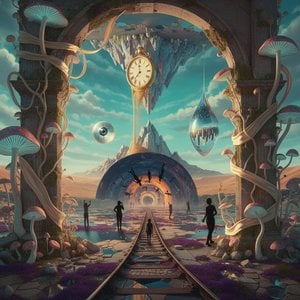
Dreamscapes & Disrupted Realities: Exploring Surrealism's Enduring Influence
Explore the fascinating world of Surrealism! Discover its origins, key artists like Dalí & Magritte, and enduring influence on art & culture. Expert insights & high-quality reproductions at ArtsDot.
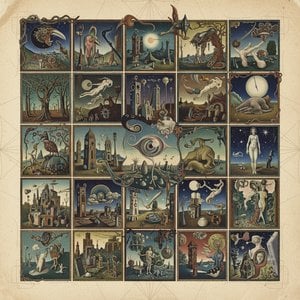
Max Ernst: Top 25 diel surrealistického majstra pre váš domov | ArtsDot
Ponorte sa do sveta Maxa Ernsta! Objavte top 25 diel surrealistického majstra – od Frottage po snové krajiny. Kúpiť reprodukcie obrazov online na ArtsDot.com a doprajte si luxusný dekor do interiéru.

The Gilded Age Reimagined: Exploring the Aesthetic Principles & Enduring Legacy of Art Deco
Explore the captivating world of Art Deco! Discover its origins, defining features, cultural impact & enduring legacy. Expert insights for collectors and design enthusiasts. Shop handmade reproductions at ArtsDot.

Top 10 surrealistických majstrovských diel, ktoré definovali umelecký pohyb | ArtsDot.sk
Ponorte sa do sveta surrealizmu s top 10 majstrovskými dielami od Dalího, Magritta a Miróa. Objavte príbehy za ikonickými obrazmi, techniky a umelecké motívy. Kvalitné reprodukcie na ArtsDot.com – pre váš jedinečný interiér.

Top 10 surrealistických majstrovských diel: Umění snov a podvedomia pre váš domov
Ponorte sa do sveta snov a podvedomia! Objavte top 10 surrealistických majstrovských diel od Dalího, Magritta a Miró. Kvalitné art reprodukcie pre váš domov na ArtsDot.com. Preskúmajte plnú kolekciu online.


