


 Zobraziť v interiéri
 Odoslať
 Zdieľať
 Podrobnosti
 Príručka

 Stiahnuť
 Podobné položky
 RTG skúška
 Prehliadanie diapo\]
 Štatistiky
Max and Quappi

 Prečítať si viac
Ručne maľovaná olejová reprodukcia
Ručne maľovaný olej na plátne vo vašej zvolenej veľkosti a v ráme, vyrobený na mieru našimi umelcami. ( Prepnúť na tlač Prepnúť na digitálnu verziu obrazu)




P118B €10

P118H €10

P118W €10

P438Z €10

P508JH €12

P508YH €12

P805H €10

P805Z €10

P919BZ €10

P919G €10

P919XJ €10

P959ZH €10

P968JZ €12

W106C €8

W218G €10

W218JH €8

W218Y €10

W307PJ €10

W316G €10

W316PJ €8

W316Y €10

W398PJ €8

W4111J €10

W500HY €15

W500JH €15

W692G €12

W849H €8

W940BG €15

W953PJ €8




Vyberte si z našich preddefinovaných rozmerov, ktoré zodpovedajú pôvodným pomeroḿ diela.

Zadajte šírku a výšku, ktoré potrebujete, aby sa dielo hodilo k vášmu rámu alebo stene. Keďže ide o ručnú maľbu, pri rozmeroch s odlišným pomerom strán môže umelec namalovať o niečo viac okolo obrázka alebo ho mierne orezatú — výber patrí vám. Pred začatím maľovania vám pošleme digitálnu ukážku na schválenie. Obrázok zobrazený na tejto stránke nenahrádza reálny výsledok — ten zobrazuje iba digitálna ukážka.
Po odoslaní objednávky vám tím ArtsDot.com pošle e-mail s pokynmi a poskytne náhľad na návrh
Celosvetová doprava () za 3 až 4 týždne namiesto štandardných 5 týždňov. (27 október). Bez kompromisov v kvalite.

Bezplatná expresná doprava po celom svete

Vysokokvalitné lnianske plátno

Úplné poistenie prepravy

Záruka vrátenia colného poplatku

Záruka presného farebného zhodnutia

100-dená politika vrátenia tovaru (iba pri vadách)

100% záruka vrátenia peňazí

Ponuka množstevnej zľavy
 Možnosť skla je dostupná len pri rozmeroch pod 110 cm

Max and Quappi
Spôsob reprodukcie
Veľkosť reprodukcie
-


Celková cena
€ 253
Súvisiace diela


Biografia umelca
early life and artistic development
Max Beckmann, a renowned german painter, draftsman, printmaker, sculptor, and writer, was born on february 12, 1884, in leipzig, saxony. his artistic journey began with academically correct depictions, which later transformed into distorted figures and spaces, reflecting his altered vision of humanity after serving as a medical orderly in world war i. Beckmann’s formative years were marked by a fascination for classical art and a desire to emulate the masters—a pursuit that would ultimately shape his distinctive style. Despite initial inclinations toward academic painting, he swiftly rejected convention, embracing experimentation and forging connections with avant-garde movements like Expressionism. This pivotal experience of the First World War profoundly impacted Beckmann’s artistic sensibilities, triggering a dramatic stylistic shift away from traditional techniques towards a more emotionally charged and symbolically rich approach.artistic style and influences
Beckmann's artistic style—rooted in the imagery of medieval stained glass—was significantly influenced by a constellation of artists who captivated his imagination during his formative years. Among these were Cézanne, whose geometric explorations challenged conventional perspective; Van Gogh, whose vibrant colors and expressive brushstrokes conveyed raw emotion; Blake, whose visionary symbolism infused his art with spiritual depth; Rembrandt, whose masterful use of chiaroscuro created dramatic contrasts of light and shadow; and Rubens, whose opulent compositions celebrated grandeur and dynamism. Furthermore, Beckmann drew inspiration from northern european artists of the late middle ages and early renaissance—Bosch, Bruegel, and Matthias Grünewald—whose unsettling visions of humanity and their preoccupation with moral themes resonated deeply within him. These influences coalesced into a singular artistic vision characterized by distortion, fragmentation, and psychological intensity.notable works and exhibitions
Beckmann’s oeuvre encompasses a vast array of paintings, prints, sculptures, and literary endeavors, yet certain artworks stand out as exemplifying his stylistic prowess and thematic concerns. *The Bark*, acquired by the National Gallery in Berlin, exemplifies Beckmann's masterful command of composition and color—a testament to his unwavering dedication to artistic excellence. Similarly, *Self-Portrait in Tuxedo* captures a moment of introspective contemplation, reflecting Beckmann’s profound engagement with existential questions. His retrospectives at the Städelschule Mannheim (1928) and Basel and Zurich (1930) provided invaluable opportunities for audiences to appreciate the breadth and depth of his artistic legacy. These exhibitions showcased not only his stylistic evolution but also his unwavering commitment to confronting complex social and psychological realities through art.later life and exile
Beckmann’s fortunes took a decisive turn with the ascendancy of Adolf Hitler, resulting in his dismissal from the Frankfurt Art School and the confiscation of over 500 of his artworks—a devastating blow to his artistic career. Forced into self-imposed exile in Amsterdam for ten years, Beckmann faced insurmountable obstacles in securing a visa for the United States, thereby perpetuating his separation from his homeland. Despite these hardships, he continued to produce prolifically during his exile, establishing a studio at Rokin No. 85 and fostering connections with fellow artists and intellectuals. His unwavering belief in artistic freedom—a conviction born from his experiences under Nazi oppression—fueled his creative endeavors and solidified his reputation as one of the most courageous and uncompromising voices of German Expressionism. Beckmann’s legacy extends beyond his artistic creations; he served as a professor at Washington University in St. Louis and the Brooklyn Museum, imparting invaluable knowledge to aspiring artists and shaping the intellectual landscape of his time. His first retrospective in the United States occurred in 1948 at the City Art Museum, Saint Louis—a triumphant return that affirmed his enduring artistic significance. Max Beckmann’s oeuvre remains a powerful testament to the transformative power of art—a realm where distorted figures grapple with existential dilemmas and haunting landscapes convey profound psychological truths.
Max Beckmann
1884 - 1950 , Nemecko
Rýchle fakty
- Artistic Movement Or Style: Expresionizmus
- Artists Or Movements Influenced By This Artist: ['Rembrandt']
- Artists Who Influenced This Artist:
- Georges Seurat
- Vincent van Gogh
- Date Of Birth: február 12, 1884
- Date Of Death: december 27, 1950
- Full Name: Max Carl Friedrich Beckmann
- Nationality: Nemecký
- Notable Artworks:
- The Bark
- Self-Portrait in Tuxedo
- Place Of Birth: Lipsko, Nemecko
Súvisiace články

Wassily Kandinsky: Top 25 diel pre milovníkov umenia a dokonalý dizajn interiéru
Ponorte sa do sveta Wassilyho Kandinského s ArtsDot.com! Objavte top 25 diel abstraktného umenia, expresionizmu a farebných kompozícií. Kúpiť reprodukcie obrazov pre dokonalý dizajn interiéru. Explore the full collection online.

Top 10 majstrov geometrickej abstrakcie: Umění pre váš domov s ArtsDot.com
Ponorte sa do sveta geometrickej abstrakcie! Objavte 10 majstrovských diel od Mondriana, Kandinského a ďalších. História umenia, techniky a farebné kompozície na ArtsDot.com – reprodukcie obrazov pre váš domov.
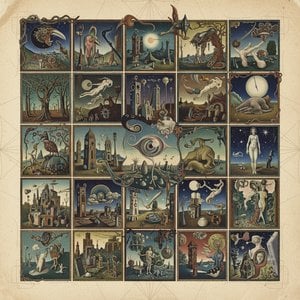
Max Ernst: Top 25 diel surrealistického majstra pre váš domov | ArtsDot
Ponorte sa do sveta Maxa Ernsta! Objavte top 25 diel surrealistického majstra – od Frottage po snové krajiny. Kúpiť reprodukcie obrazov online na ArtsDot.com a doprajte si luxusný dekor do interiéru.

Beyond Representation: Exploring the Emotional Landscape of Abstract Expressionism
Explore the profound emotional world of Abstract Expressionism with ArtsDot. Discover key artists like Pollock & Rothko, learn about collecting, and find museum-quality reproductions to inspire your space.

Top 10 majstrovských diel abstraktného expresionizmu pre váš domov | ArtsDot.com
Ponorte sa do sveta abstraktného expresionizmu s Pollockom, Rothkom a ďalšími majstrami. Objavte príbehy za 10 ikonických diel, techniky a farby, ktoré definovali toto revolučné umenie. Kvalitné reprodukcie na ArtsDot.com.


