


Obraz sa prispôsobuje vašim voľbám: , .
Popis zberateľského predmetu
Explore Mario Sironi’s ‘Composition’ (1955). A striking futuristic painting featuring a woman in distress – a captivating example of Italian Futurist art.
Biografia umelca
Sironi bol taliansky modernista známy svojimi masívnymi, nehybnými formami a geometrickými prvkami. Jeho diela odrážajú osamelosť a izoláciu, pričom sa dotýkajú industriálnych scenérií a života pracujúcich ľudí. Dôležitou časťou jeho tvorby je aj Novecento Italiano.
 Zobraziť viac
Ručne maľovaná olejová reprodukcia
Ručne maľovaný olej na plátne vo vašej zvolenej veľkosti a v ráme, vyrobený na mieru našimi umelcami. ( Prepnúť na tlač Prepnúť na digitálny obraz)
Toto dielo je chránené autorským právom
Umelecké dielo zobrazené na tejto stránke je chránené autorským zákonom, čo znamená, že nemôžeme legálne vytvárať ani predávať jeho identickú reprodukciu. Táto ochrana je vymáhaná na základe medzinárodných dohôd, ako napríklad Bernská konvencia a národnými zákonmi, vrátane tých, ktoré sú stanovené v Autorské právo USA – Title 17. Všetky práva vyhradené.
Ako rešpektujúca a legálna alternatíva ponúkame vlastné, ručne maľované diela inšpirované originálom. Naši skúsení a profesionálni umelci dôkladne študujú štýl, náladu a umelecký podnet originálu, aby vytvorili nové, jedinečné dielo, ktoré vyvoláva rovnaký pocit – pričom samo ostáva vlastným originálnym dielom.
Táto metóda plne dodržiava autorské práva, pretože nezahŕňa kopírovanie ani duplikovanie chráneného diela. Ide skôr o kreatívnu reinterpretáciu – nový obraz, ktorý je ovplybnený originálom, no nie je s ním identický.
Order your in four simple steps
Nespáľujte sa. Každú odpoveď môžete zmeniť; cena vo vašej objednávke sa prispôsobí každej zvolenej možnosti.
1 Prvý krok zo štyroch
Akú veľkosť si prajete?
Tieto veľkosti zachovávajú proporcie originálneho obrazu. Ilustrácia zobrazuje vašu voľbu na stene, nad dvometrovou pohovkou.
alebo zadajte vlastné rozmery
Vyberte si z našich preddefinovaných rozmerov, ktoré zodpovedajú pôvodným pomeroḿ diela.

Zadajte šírku a výšku, ktoré potrebujete, aby sa dielo hodilo k vášmu rámu alebo stene. Keďže ide o ručnú maľbu, pri rozmeroch s odlišným pomerom strán môže umelec namalovať o niečo viac okolo obrázka alebo ho mierne orezatú — výber patrí vám. Pred začatím maľovania vám pošleme digitálnu ukážku na schválenie. Obrázok zobrazený na tejto stránke nenahrádza reálny výsledok — ten zobrazuje iba digitálna ukážka.
2 Druhý krok zo štyroch
Ako by mal byť pripravený: rolovaný, natiahnutý alebo v ráme?
Ceny nižšie sa týkajú veľkosti, ktorú ste si vybrali v prvom kroku.
Vyberte si opletenie plátna
Vyberte si rám

Biele okraje €1

rozostrené okraje €1

Vytiahnutý okraj €1

P118B €10

P118H €10

P118W €10

P438Z €10

P508JH €12

P508YH €12

P805H €10

P805Z €10

P919BZ €10

P919G €10

P919XJ €10

P959ZH €10

P968JZ €12

W106C €8

W218G €10

W218JH €8

W218Y €10

W307PJ €10

W316G €10

W316PJ €8

W316Y €10

W398PJ €8

W4111J €10

W500HY €15

W500JH €15

W692G €12

W849H €8

W940BG €15

W953PJ €8

H24-GOLD €30

H24-SILVER €30

H36-GOLD €45

H36-SILVER €45
V rámoch
Profil: . Celkový rozmer vrátane rámov: .
3 Tretí krok zo štyroch
Chceli by ste v obraze niečo zmeniť?
Väčšina ľudí odpovedá nie. Keďže každý obraz je vytvorený ručne, náš umelec ho však dokáže prispôsobiť aj vám.
Po objednávke vám tím ArtsDot.com pošle e-mail s pokynmi a poskytne náhľad návrhu
4 Štvrtý krok zo štyroch
Niekoľko možností finálnej úpravy
Všetky sú voliteľné. Už zvolené odpovede nesú žiadne dodatočné náklady.
Kto je autorom?
Celosvetová doprava () za 3 až 4 týždne namiesto štandardných 5 týždňov. (17 november). Bez kompromisov v kvalite.
Štítok, ako v múzeu?
Detaily vygravírovaného bronzového pláka
This elegant plaque features the artist's name and the title of the artwork, finely engraved for a timeless presentation.
It is made from bronze with a refined, elegant finish. The text is precisely laser-engraved for a sharp and permanent result. Measuring 9x2 cm, the plaque is compact yet easy to read. It's built to be durable and scratch-resistant, offering a professional, museum-quality look. Mounting is simple thanks to the included adhesive backing.
Detaily transparentnej akrylovej plăty
The plaque includes essential engraved details such as the artist's name, the title of the artwork, the date it was created, the type of media used-like oil on canvas or watercolor-a brief description of the piece, and a QR code that links to the complete artwork information.
It is crafted from clear acrylic, offering a sleek, modern appearance. The text is UV-engraved in black to ensure strong visual contrast. With a size of 10x15 cm, it ensures optimal readability. It comes equipped with two metal hooks for secure wall mounting. The plaque is designed to be weather-resistant, making it suitable for various environments, and it includes interactive features that work seamlessly with smartphone scanning.
Detaily čiernej akrylovej plăty
This elegant plaque includes engraved information such as the artist's name, the title of the artwork, the date it was created, the type of media used (like oil on canvas or watercolor), a short description of the artwork, and a QR code for quick access to more information.
The plaque itself is made from refined black acrylic with a premium finish. The text is laser-engraved in white for high contrast and readability. Its size is 10x15 cm, designed to be easy to read. It comes with two metal hooks for professional mounting. The design is sleek and fits any interior style. It is also weather-resistant and durable, with built-in digital integration for mobile compatibility.
Ochranný lak?
Kedy vám má byť doručené?
✓ Kontrola a objednávka
Vaša maľba presne podľa vašej objednávky

Composition
Technika reprodukcie
Veľkosť reprodukcie
-

Výborne skúsený umelec
Viac detailov, jemnosti a dodatočného času na výrobu
-

Rámovanie reprodukcie
-
-
V prípade umeleckých diel alebo reprodukcií, ktorých ktorákoľvek strana je väčšia ako 105 cm (cca 41 palcov), sa rám dodáva v rozloženom stave ako sada. Táto metóda zabezpečuje bezpečnú доставu a chráni pred poškodením počas prepravy.
Vyžaduje sa odborná montáž – toto nie je produkt na vlastnú prípravu (DIY).
Sada musí byť zmontovaná a plátno napnuté skúseným profesionálnym rámovaníkom, s použitím drevárneho lepidla (nie je súčasťou sady), klieš na napínanie plátna a svoriek na udržanie prav角的 rámov počas schnutia lepidla. Nesprávna montáž alebo nerovnomerné napnutie plátna môže trvalo poškodiť umelecké dielo, čo nie je kryté našou zárukou.
 V prípade umeleckých diel alebo reprodukcií, ktorých ktorákoľvek strana je väčšia ako 105 cm (cca 41 palcov), sa rám dodáva v rozloženom stave ako sada. Táto metóda zabezpečuje bezpečnú доставu a chráni pred poškodením počas prepravy.
Všetky lišty z masívneho dreva sú súčasťou balenia, presne narezané na mieru.
Montuje sa pomocou súčasťou balenia dodaných skrutiek, plus drevolepu na spoje v rohoch, ktorý nie je súčasťou balenia a musí si ho zabezpečiť váš montážnik.
Vyžadujú sa profesionálne nástroje, ktoré nie sú súčasťou sady: kliešte na napínanie plátna (napínací nástroj) a svorky na udržanie pravých uhlov rámov počas schnutia lepidla.
Dôležité:
Spoje v rohoch si vyžadujú lepidlo na drevo, tyče je potrebné upevniť pomocou svoriek, kým lepidlo úplne newyschne, a napnutie plátna na zostavený rám si vyžaduje klieže na napínanie plátna. Žiadna z týchto pomôcok nie je súčasťou sady. Pred objednaním tejto veľkosti si, prosím, zabezpečte skúseného odborníka na zakladanie rámov.

Popisné označenie
-
-

Ochranný lak
Lesklý lak (zvýrazňuje farby, chráni pred svetlom a vlhkosťou)
-

Prispôsobiť moje dielo
Príklady možností úprav: nahradenie tváre vlastnou fotografiou; pridanie domáceho zvieraťa (napr. nahradenie mačky psom); vloženie skrytého odkazu do pozadia; zmena krajiny alebo prvkov v pozadí.
-

Prioritné doručenie
Celosvetová doprava () za 3 až 4 týždne namiesto štandardných 5 týždňov. (17 november). Bez kompromisov v kvalite.
-
Rýchle doručenie
Celosvetová doprava do za 5 týždňov. (24 november).
V cene
Celková cena
€ 234
Možnosť skla je dostupná len pri rozmeroch pod 110 cm
Súčasťou každej objednávky
- Bezplatná expresná doprava po celom svete
- Vysokokvalitné lnianske plátno
- Kompletné poistenie prepravy
- Záruka vrátenia colného poplatku
- Záruka presného farebného zhodnutia
- 100-dená politika vrátenia tovaru (iba pri vadách)
- 100% záruka vrátenia peňazí
- Zľava pri väčšom množstve


 Náhľad v interiéri
 Odoslať ako digitálnu kartu
 Zdieľať
 Podrobnosti o dielo
 Príručka

 Stiahnuť obraz
 Podobné položky
 RTG skúška
 Prehliadanie diapozoje
 Otázky a odpovede
 Štatistiky
Podobné diela


Mario Sironi
1885 - 1961, Taliansko
Biografia umelca
Early Life and Artistic Foundations
Mario Sironi, a towering figure in Italian Modernism, was born on May 12th, 1885, in the rugged island town of Sassari, Sardinia. His lineage held a unique blend of influences – his father, an engineer, instilled a practical sensibility, while his maternal grandfather, Ignazio Villa, was a celebrated architect and sculptor, providing Sironi with an early exposure to the world of art and form. This dual heritage shaped his artistic perspective, grounding him in both the tangible realities of engineering and the evocative power of sculpture. Initially drawn to the structured discipline of engineering at the University of Rome, Sironi’s path soon veered away from this pursuit following a significant nervous breakdown in 1903 – an event that profoundly altered the trajectory of his life and career. This personal crisis served as a catalyst, propelling him towards the world of art, where he found a means to grapple with his inner turmoil and express his complex emotions. He began formal artistic training at the Scuola Libera del Nudo, a renowned studio within the Accademia di Belle Arti di Roma, immersing himself in the study of the human nude and absorbing the techniques of his first influential teacher, Giacomo Balla. This early immersion laid the groundwork for Sironi’s distinctive style, characterized by its exploration of form, space, and the emotional landscape of the modern world.The Early Years: Divisionism and the Seeds of Futurist Influence
Sironi's initial artistic development was deeply rooted in the principles of Divisionism, a technique that flourished in Italy at the turn of the 20th century. This approach, championed by artists like Giovanni Segantini, emphasized the careful separation of colors on the canvas to create an illusion of luminosity and vibrancy. Sironi’s early works, such as “The Student” (circa 1906), demonstrate this influence vividly – a masterful application of color theory and meticulous brushwork that evokes a sense of atmosphere and emotional depth. However, Sironi's artistic journey was not static; he remained open to new influences and experimented with various styles throughout his career. Around 1914, coinciding with the rise of Futurism in Italy, Sironi briefly embraced this revolutionary movement, exhibiting at the Galleria Sprovieri in Rome. While he adopted some of the Futurist’s tenets – a fascination with speed, dynamism, and industrial imagery – he quickly recognized its limitations and moved beyond its narrow focus on celebrating modernity. This period marked a crucial turning point, as Sironi began to develop his own unique artistic language, one that would ultimately define his legacy.A Shift in Perspective: Post-War Solitude and the Rise of Massive Forms
The tumultuous years following World War I profoundly impacted Sironi’s artistic vision. The horrors of war, coupled with a growing sense of isolation and disillusionment, led to a dramatic shift in his style. After the conflict, he abandoned Futurism and began to develop a distinctive aesthetic characterized by massive, immobile forms and geometric shapes – a deliberate departure from the dynamism of his earlier work. These monumental figures, often rendered in muted tones, evoke a sense of stillness, contemplation, and profound solitude. Paintings like “Venere” (1921-1923) and “Solitudine” (“Solitude,” 1925) exemplify this new approach, presenting subjects – often anonymous or abstracted – within vast, undefined spaces that amplify their isolation. Influences from Giorgio de Chirico’s metaphysical paintings, with their unsettling juxtapositions of familiar objects in unfamiliar settings, and Carlo Carrà's exploration of primitive forms, contributed to the development of this emotionally charged style. Sironi wasn’t simply depicting subjects; he was conveying a sense of existential angst – the alienation and uncertainty of modern life.The Novecento Italiano and Political Engagement
In 1922, Mario Sironi became a founding member of the *Novecento Italiano* movement, a reaction against the perceived excesses of Modernism and a return to order and clarity in Italian art. This movement sought to establish a new aesthetic rooted in tradition, emphasizing simplicity, restraint, and a connection to Italy’s artistic heritage. However, Sironi's political views were complex and often controversial. During this period, he became a supporter of Benito Mussolini and his Fascist regime, contributing extensively to their publications with over 1700 cartoons – works that reflected the ideals of the movement. While his art remained largely unaffected by direct political propaganda, his association with Fascism cast a shadow on his reputation after World War II. Despite this historical context, Sironi’s artistic contributions remain significant, representing a unique synthesis of influences and a powerful exploration of the human condition within a rapidly changing world.Legacy and Recognition
Mario Sironi died on August 13th, 1961, in Milan, leaving behind a body of work that continues to fascinate and inspire. His distinctive style – characterized by massive forms, geometric shapes, and a pervasive sense of solitude – has earned him recognition as one of the most important figures in Italian Modernism. His paintings are exhibited internationally at major museums and galleries, including the Centre Georges Pompidou in Paris and the Royal Academy in London. Sironi’s legacy lies not only in his artistic innovations but also in his ability to capture the anxieties and uncertainties of the 20th century – a testament to his profound understanding of the human experience. His work serves as a poignant reminder of the complexities of modern life, inviting viewers to contemplate themes of isolation, alienation, and the search for meaning in an increasingly fragmented world.
Súvisiace články

Mario Sironi: A Poetic of Modern Italian Identity Through Symbolism & Social Commentary
Explore the profound works of Mario Sironi, a key figure in Italian Modernism. Discover his evolution from Futurism to Metaphysical painting and his powerful social commentary. Learn about his legacy at ArtsDot.
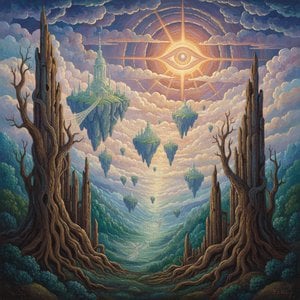
Beyond Symbolism: Exploring the Spiritual Landscapes of Mikalojus Konstantinas Čiurlionis's Art
Explore the captivating world of Mikalojus Konstantinas Čiurlionis, a pioneer of abstract art. Discover his unique blend of music and painting, spiritual themes, and lasting influence on Lithuanian culture. Learn more at ArtsDot.

Giacomo Balla: Dynamism, Futurism & the Aesthetic of Speed – A Comprehensive Exploration
Explore the revolutionary art of Giacomo Balla, a key figure in Futurism. Discover his dynamic paintings capturing speed, light & movement. Learn about his techniques, masterpieces & legacy with our comprehensive guide.