


 Zobraziť v interiéri
 Odoslať
 Zdieľať
 Podrobnosti
 Príručka

 Stiahnuť
 Podobné položky
 RTG skúška
 Prehliadanie diapo\]
 Štatistiky
Acrobat


 Prečítať si viac
Giclée / Umenotlač
Giclée tlač alebo plátno múzeálnej kvality s rýchlou výrobou a rôznymi možnosťami povrchovej úpravy. ( Objednať ručne maľovanú reprodukciu Prepnúť na digitálnu verziu obrazu)




































Vyberte si z našich preddefinovaných rozmerov, ktoré zodpovedajú pôvodným pomeroḿ diela.

Zadajte šírku a výšku, ktoré potrebujete, aby sa reprodukcia hodila k vášmu rámu alebo stene. Print možno len orezávať, nikdy však nemennú veľkosť zvětšiť oproti pôvodnému obrázku, preto pri inom formáte stráca časť obrazu. Pred samotným vytlačiacím procesom vám pošleme digitálny náhľad na schválenie. Obrázok zobrazený na tejto stránke nezobrazuje reálny rez — len digitálny náhľad ukazuje presný výsledok.
Celosvetová doprava () do 2 týždňov namiesto štandardných 4 až 5 týždňov. (23 október)

Bezplatná expresná doprava po celom svete

Vysokokvalitné lnianske plátno

Úplné poistenie prepravy

Záruka vrátenia colného poplatku

Záruka presného farebného zhodnutia

100-dená politika vrátenia tovaru (iba pri vadách)

100% záruka vrátenia peňazí

Ponuka množstevnej zľavy
 Možnosť skla je dostupná len pri rozmeroch pod 110 cm

Acrobat
Giclée / Umenotlač
Veľkosť reprodukcie
-


Celková cena
€ 54
Súvisiace diela


Biografia umelca
Karimeh Abboud: A Pioneer of Palestinian Photography
Karimeh Abboud (1893-1940), a name perhaps less familiar than some of her contemporaries, stands as a pivotal figure in the early history of photography within Palestine. Born in Bethlehem amidst a landscape steeped in religious and cultural significance, she emerged not merely as a photographer but as a chronicler of daily life, a preserver of memory, and one of the first women to establish herself as a professional artist wielding the camera with remarkable skill and vision. Her work offers an intimate glimpse into Palestine during a period of immense social and political transformation – a time before the displacement that would forever alter the region’s identity. Abboud's legacy lies not just in her technical proficiency, but in her courageous independence and her dedication to capturing the essence of Palestinian society through a distinctly feminine lens.Early Life and Artistic Beginnings
Karimeh Abboud’s story begins within a family deeply rooted in Bethlehem’s cultural fabric. Her father, Said Abbud, was a respected teacher and later pastor of the Lutheran Church, providing her with an education that valued both faith and intellectual curiosity. Her mother, Barbara Bader, also contributed to this environment of learning and artistic appreciation. It was in 1913, at the tender age of seventeen, that she received a camera as a birthday gift – an event that irrevocably altered the course of her life. Initially experimenting with portraits of family and friends, capturing the familiar landscapes of Bethlehem, Abboud quickly demonstrated a keen eye for composition and light. Her early photographs, marked by a remarkable sensitivity to detail and a nascent understanding of storytelling through image, were dated as far back as October 1919, establishing her as one of the earliest practitioners of photography in Palestine. This initial foray into the medium was further nurtured during her studies at the American University of Beirut, where she broadened her artistic horizons while simultaneously exploring the rich literary traditions of Arabic literature.A Studio and a Vision: Nazareth and Beyond
Leaving Lebanon, Abboud established a home studio in Nazareth, a bustling city that served as a significant commercial and cultural center during this period. This move marked a transition from purely personal artistic expression to a professional career focused on serving the community. She catered to a diverse clientele – capturing weddings, family portraits, and documenting important social events. Notably, her work was stamped with both Arabic and English lettering: “Karimeh Abbud - Lady Photographer - كريمة عبود: مصورة شمس” (Karimeh Abboud – The Sun’s Photographer). This branding not only advertised her services but also subtly asserted her position as a skilled and respected artist within the local market. Beyond Nazareth, she ventured to other key Palestinian locations like Haifa, Jerusalem, and Tiberias, documenting public spaces and capturing the spirit of these diverse urban centers. Her travels were often undertaken with a keen eye for detail, resulting in evocative images that offer valuable insights into the daily lives of Palestinians during this era.Hand-Painted Reproductions: Preserving the Image
A particularly innovative aspect of Abboud’s practice was her development of hand-painted reproductions of her studio photographs. Recognizing the fragility and potential for deterioration of early photographic prints, she began offering meticulously crafted copies in the mid-1930s. This technique not only ensured the longevity of her work but also elevated it to a level of artistic value, transforming them into treasured souvenirs and keepsakes. These reproductions were often presented as postcards, allowing her images to circulate widely throughout Palestine and beyond. This practice speaks volumes about Abboud’s foresight – anticipating the challenges of preserving visual history in an era before digital technology.Legacy and Historical Significance
Karimeh Abboud's contribution to Palestinian art and cultural heritage is profound. She was one of the first women to gain recognition as a professional photographer in the Arab world, challenging traditional gender roles and demonstrating remarkable entrepreneurial spirit. Her photographs offer an invaluable visual record of Palestine during a period of significant social and political upheaval – a time marked by growing nationalist sentiment, British Mandate rule, and increasing tensions between Jewish and Palestinian communities. Her images capture not only the beauty of the landscape but also the everyday lives, customs, and traditions of the people who inhabited it. Today, her work is being rediscovered and celebrated, offering a vital window into a complex and often overlooked chapter of Middle Eastern history. The recent exhibition at the Eretz Israel Museum in Be’er Sheva, showcasing over 100 of her original photographs, underscores her enduring legacy as a pioneering artist and a true chronicler of Palestine. Her story serves as a reminder that even within the shadows of conflict, artistic expression can provide a powerful means of documenting, preserving, and celebrating cultural identity.
Karimeh Abboud
1893 - 1940 , Palestine
Rýchle fakty
- Full Name: Karimeh Abboud
- Nationality: Palestinian
- Date Of Birth: 1893
- Date Of Death: 1940
- Place Of Birth: Bethlehem, Palestine
- Notable Artworks:
- Baalbek photographs
- Haifa street scenes
- Nazareth portraits
- Artistic Movement Or Style: Early Arab photography
- Artists Who Influenced This Artist: ['Father (pastor)']
- Artists Or Movements Influenced By This Artist: ['None documented']
Súvisiace články

Monochrome Visions: Exploring the Aesthetic & Historical Significance of Black & White Photography
Explore the rich history & artistic power of black and white photography. From early techniques to iconic masters like Ansel Adams, discover why monochrome continues to captivate art lovers today. Expert insights for collectors.
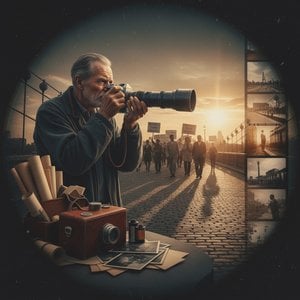
Witnessing History Through Lens & Light: Documentary Photography's Enduring Legacy
Explore the powerful history of documentary photography – from its origins to contemporary masters like Gordon Parks & W. Eugene Smith. Discover how this art form shapes our understanding of society and witness pivotal moments in time.

Beyond the Lens: Photography's Enduring Influence on Modern & Contemporary Art
Explore photography's pivotal role in shaping modern & contemporary art. Discover key movements, influential artists like Stieglitz, and expert collecting advice from ArtsDot.

Top 10 majstrovských diel dokumentárnej fotografie pre váš domov | ArtsDot.sk
Objavte 10 majstrovských diel dokumentárnej fotografie od Dorothea Lange po Henriho Cartier-Bressona. Prežite príbehy ikonických snímok a inšpirujte sa pre váš domov s kvalitnými reprodukciami na ArtsDot.com.

Pictorialism: A Search for Artistic Photography's Soul – Aesthetics, Techniques & Legacy
Explore the captivating world of Pictorialism – a pivotal movement that transformed photography into fine art. Discover key artists like Stieglitz & Käsebier, techniques, and collecting tips from experts.