

 Náhľad v interiéri
 Odoslať ako digitálnu kartu
 Zdieľať
 Podrobnosti o dielo
 Príručka

 Stiahnuť obraz
 Podobné položky
 RTG skúška
 Prehliadanie diapozoje
 Q&A
Q&A Štatistiky
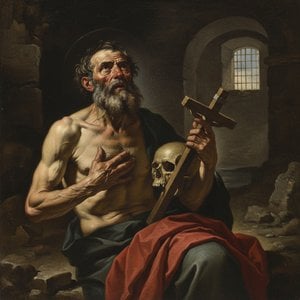
Saint Jerome Writing

- 120.0 x 98.0 cm


 Zobraziť viac
Giclée / Umenotlač
Giclée tlač alebo plátno múzeálnej kvality s rýchlou výrobou a rôznymi možnosťami povrchovej úpravy. ( Kúpiť ručne maľovaný obraz Prepnúť na digitálny obraz)




P118B €10

P118H €10

P118W €10

P438Z €10

P508JH €12

P508YH €12

P805H €10

P805Z €10

P919BZ €10

P919G €10

P919XJ €10

P959ZH €10

P968JZ €12

W106C €8

W218G €10

W218JH €8

W218Y €10

W307PJ €10

W316G €10

W316PJ €8

W316Y €10

W398PJ €8

W4111J €10

W500HY €15

W500JH €15

W692G €12

W849H €8

W940BG €15

W953PJ €8




Vyberte si z našich preddefinovaných rozmerov, ktoré zodpovedajú pôvodným pomeroḿ diela.

Zadajte šírku a výšku, ktoré potrebujete, aby sa reprodukcia hodila k vášmu rámu alebo stene. Print možno len orezávať, nikdy však nemennú veľkosť zvětšiť oproti pôvodnému obrázku, preto pri inom formáte stráca časť obrazu. Pred samotným vytlačiacím procesom vám pošleme digitálny náhľad na schválenie. Obrázok zobrazený na tejto stránke nezobrazuje reálny rez — len digitálny náhľad ukazuje presný výsledok.
Celosvetová doprava () do 2 týždňov namiesto štandardných 4 až 5 týždňov. (2 november)

Bezplatná expresná doprava po celom svete

Vysokokvalitné lnianske plátno

Kompletné poistenie prepravy

Záruka vrátenia colného poplatku

Záruka presného farebného zhodnutia

100-dená politika vrátenia tovaru (iba pri vadách)

100% záruka vrátenia peňazí

Zľava pri väčšom množstve
 Možnosť skla je dostupná len pri rozmeroch pod 110 cm

Saint Jerome Writing
Giclée / Umenotlač
Veľkosť reprodukcie
-


Celková cena
€ 55
The Weight of Time and the Pursuit of Faith
Jusepe de Ribera’s “Saint Jerome Writing,” painted in 1648, isn't merely a portrait; it’s an immersion into the soul of a man wrestling with faith, intellect, and the relentless passage of time. The scene unfolds within a dimly lit study – a space deliberately shrouded in shadow, characteristic of Ribera’s masterful use of chiaroscuro, a technique that dramatically contrasts light and dark to create a powerful sense of drama and psychological depth. Before us sits Saint Jerome, not as a triumphant figure of religious iconography, but as a profoundly human individual, his brow furrowed in concentration, his hand poised over parchment, seemingly lost in the act of transcription. The painting immediately evokes a feeling of quiet contemplation, a profound solitude that speaks to the arduous task of translating scripture and the inner struggle inherent in spiritual devotion.

A Master of Neapolitan Baroque
Ribera, a native of Xativa, Spain, forged an extraordinary career in Naples during the 17th century, becoming one of the most influential figures of the Neapolitan Baroque. His style—often described as “tenebrist”—was deeply rooted in Caravaggio’s innovations, yet Ribera developed his own distinct voice, characterized by a raw, unflinching realism and an intense emotionality. He wasn't interested in idealized beauty or polished surfaces; instead, he sought to capture the essence of human experience – its vulnerability, its struggles, and its moments of profound insight. The painting’s composition is deliberately austere, focusing entirely on Jerome and his immediate surroundings, amplifying the sense of introspection.
Born in 1591 and dying in 1652, Ribera's life was marked by both artistic triumph and personal hardship. He endured periods of poverty, illness, and even accusations of heresy, yet he consistently produced works of extraordinary power and beauty. His dedication to portraying the human condition with unflinching honesty cemented his legacy as a master of Baroque painting.
Symbolism in Shadow and Light
Beyond the immediate depiction of Saint Jerome, the painting is rich in symbolic meaning. The scriptorium itself—a space traditionally associated with learning, wisdom, and divine inspiration—underscores the importance of intellectual pursuit within a religious context. The muted colors, dominated by browns, ochres, and deep reds, contribute to the overall atmosphere of solemnity and contemplation. Notice how Ribera uses light not as a source of illumination but as a tool for dramatic effect, highlighting Jerome’s face and hands while leaving much of the background in shadow. This technique emphasizes his inner world—his thoughts, his struggles, and his unwavering commitment to his task.
The two books flanking the table are not merely props; they represent the Bible itself – the source of Jerome's work and the foundation of his faith. The quill pen symbolizes the act of writing, not just as a physical action but as a process of spiritual transformation. The very posture of the saint—his hunched shoulders, his furrowed brow—suggests the weight of responsibility and the intensity of his devotion.
A Timeless Portrait of Human Struggle
“Saint Jerome Writing” transcends its religious subject matter to offer a universal meditation on human experience. It’s a poignant portrayal of a man grappling with doubt, seeking solace in faith, and striving for understanding in the face of an uncertain world. Ribera's masterful use of light, shadow, and composition creates a deeply moving image that continues to resonate with viewers centuries after its creation. It is a testament to the enduring power of art to capture the complexities of the human spirit—a reminder that even in solitude and contemplation, we are connected by our shared struggles and aspirations.
Otázky a odpovede
Na čo sa odporúča reprodukcia diela „Saint Jerome Writing“ od Jusepe de Ribera?
Odporúčané použitie pre „Saint Jerome Writing“ od Jusepe de Ribera je Statement. Môže však slúžiť aj na iné účely.
Ako môžem získať digitálnu verziu diela „Saint Jerome Writing“ od Jusepe de Ribera?
„Saint Jerome Writing“ je k dispozícii ako stiahnutie digitálneho obrázka vo vysokom rozlíšení, ktorý si môžete zakúpiť priamo na jeho stránke Digitálna fotografia.
Patrí „Saint Jerome Writing“ od Jusepe de Ribera do verejnej domény?
Stav autorských práv pre „Saint Jerome Writing“ od Jusepe de Ribera: dielo je v stave v slobodnom prostredí – autorské práva vypršali. To určuje, či je možné voľne vytvárať reprodukcie tohto obrazu.
Podobné diela


Biografia umelca
A Life Forged in Shadow and Light
Jusepe de Ribera, známy ako Lo Spagnoletto – “Malý Španiel” – bol obdivuhodný umelec barokovej éry, ktorého plátna pulzovali dramatickou intenzitou a bezkompromisnou realistickosťou. Narodil sa v Xàtiva, Španielsko, v roku 1591, a jeho cesta ho odviedla ďaleko od svojich valencijských korienov, čím sa etabloval ako jeden z najvýznamnejších maliarov 17. storočia v Neapole, meste pod španielskou nadvládou. Život Ribery nebol len kronikou umeleckého rozvoja; bol to príbeh spletený s ťažkosťami, ambíciami a nezlomným záväzkom k zobrazovaniu ľudskej existencie v jej čoraz väčšej krúžnosti. A hoci skoré životopisné detaily zatiaľ zahalené v nejakej závoji, vieme, že sa usadil v Taliansku okolo roku 1607, najprv v Ríme a neskôr sa v roku 1616 presťahol do Neapolu – mesta, ktoré sa stalo jeho umeleckým domovom a krízovým bodom pre jeho jedinečný štýl. Jeho manželstvo s Caterínou Azzolino, dcérou miestneho maliara, ďalej posilnilo jeho väzby k neapolskému umelníckeho prostredia, umožňujúc mu rozkvitnúť v jeho živajúcom, no často turbulentnom, prostredí.The Embrace of Tenebrism and Realist Vision
Umelecké vzdelanie Ribery bolo hlboko ovplyvnené prúdmi talianskych maľieb. Vplyv Caravaggia je nepopriateľiteľný; Ribera absorboval revolucionárnu techniku Caravaggia – dramatickú interakciu svetla a tieňa – na vytváranie scén nabitých emocionálnou silou. Avšak on ju neukrádli. Syntetizoval túto techniku s prvkami získanými od iných majstrov, ako je Guido Reni, pričom integroval klasickú citlivosť do svojich kompozícií zatiaľ čo si uchovával vulgárny dopad Caravaggiaovej realizmu. Táto fúzia viedla k štýlu jedinečnému pre neho: charakterizovanému ostrými kontrastmi, intenzívne zameranými postavami a takmer brutálnou úprimnosťou pri zobrazovaní ľudského utrpenia a duchovnej extázie. Jeho skoré diela, ako je *Umučenie sväteho Bartolomeja*, exemplifikujú tento prístup – znepokojivé zobrazovanie bolesti zobrazené s bezkompromisným detailom. Nebol ochotný odmietať fyzické reality mučení, zkrivené postavy, napäté svaly, dokonca aj textúra pokožky a kostí. Tento záväzok k realizmu sa rozširoval aj mimo náboženské motívy; jeho portréty chudobných ľudí a bežnejších obyvateľov, často zobrazované ako filozofi alebo svätci, boli vted' revolucionárne v tom, že zdvihli marginalizovaných na úroveň dôstojnosti a významu, akú zriedka videli v umení.A Career Across Genres and Evolving Styles
Ribera’s artistic output was remarkably diverse. While he is perhaps best known for his religious paintings – scenes of martyrdom, depictions of saints, and dramatic biblical narratives – he also excelled in portraiture, still life, and even landscape painting. His *Saint Jerome and the Angel*, for instance, showcases a softer, more contemplative side to his artistry, while still retaining the characteristic dramatic lighting that defines his work. Throughout his career, Ribera’s style underwent subtle but significant evolutions. His earlier paintings are marked by an almost austere realism and a stark use of tenebrism. As he matured, particularly after establishing himself firmly in Naples, his palette became richer, his compositions more complex, and his lighting somewhat softened. However, the core elements of his Baroque aesthetic – the emotional intensity, the dramatic narratives, and the unwavering commitment to portraying human experience with honesty – remained constant. He was a master craftsman, capable of rendering textures with astonishing precision, from the rough fabric of a beggar’s cloak to the smooth skin of a youthful saint.Key Works and Influences
Ribera's work is characterized by its dramatic intensity and unflinching realism. His most famous paintings include *The Martyrdom of Saint Bartholomew*, *The Lamentation over the Dead Christ*, *Saint Jerome in the Wilderness*, and *The Penitent St. Peter*. He was deeply influenced by Caravaggio, but also drew inspiration from other masters such as Guido Reni and Michelangelo. Ribera’s use of tenebrism – the dramatic contrast between light and shadow – created a sense of drama and emotional intensity that is characteristic of Baroque art. His paintings often depict scenes of suffering and torment, reflecting his own belief in the importance of faith and redemption.Legacy and Lasting Influence
Jusepe de Ribera’s impact on the art world extended far beyond his Neapolitan workshop. He became a pivotal figure in Spanish Baroque painting, alongside masters like Velázquez, Zurbarán, and Murillo. His innovative use of tenebrism and his unflinching realism influenced generations of artists throughout Europe. His work resonated with those seeking to break away from the idealized forms of Renaissance art and embrace a more visceral, emotionally charged style. Even later artists drew inspiration from his dramatic compositions and powerful depictions of human suffering. Today, Ribera’s paintings are housed in prestigious museums around the world – the Museo del Prado in Madrid, the National Gallery of Art in Washington D.C., and numerous institutions across Europe – ensuring that his legacy continues to inspire and captivate audiences centuries after his death in 1652. He stands as a testament to the power of art to confront difficult truths, explore the depths of human emotion, and illuminate the enduring spirit of faith and resilience.
Jusepe de Ribera
1591 - 1652 , Španielsko
Základné informácie
- Artistic Movement Or Style: Baroko
- Artists Or Movements Influenced By This Artist:
- José de Ribera
- Evropské mistrovské dílo
- Artists Who Influenced This Artist:
- Caravaggio
- Guido Reni
- Date Of Birth: 1591
- Date Of Death: 1652
- Full Name: Jusepe de Ribera
- Nationality: Španielsky
- Notable Artworks:
- Martyrium sv. Bartolomäa
- Sv. Jerom a anjel
- Place Of Birth: Xativa, Španielsko
Súvisiace články
Jusepe de Ribera: Dramatic Realism & Spiritual Intensity in the Spanish Golden Age
Explore the powerful Baroque paintings of Jusepe de Ribera, master of tenebrism and dramatic realism. Discover his spiritual intensity, influence on Spanish art, and considerations for collectors. Expert insights at ArtsDot.

The Visceral Stage: Exploring Dramatic Narratives & Emotional Intensity in Baroque Art
Explore the dramatic world of Baroque art! Discover iconic masters like Caravaggio & Rembrandt, their techniques, and the movement's lasting impact. Expert insights for collectors & enthusiasts at ArtsDot.

Top 10 majstrovských diel baroka: Umění a dekor pre váš domov
Ponorte sa do sveta baroka! Objavte top 10 majstrovských diel od Caravaggia, Rembrandta a ďalších slávnych maliarov. Reprodukcie obrazov pre luxusný dekor vášho domova na ArtsDot.com.

The Dramatic Flourish: Exploring the Baroque Movement's Enduring Legacy in Art History
Explore the dramatic world of Baroque art! Discover iconic artists like Caravaggio & Rubens, defining techniques, and its lasting impact on art history. Expert insights for collectors & enthusiasts at ArtsDot.

Theatricality & Triumph: Baroque Drama in Painting & Sculpture
Explore the dramatic world of Baroque art! Discover its history, defining characteristics, & lasting influence on painting & sculpture. Expert insights into Caravaggio, Zurbarán, and Bernini – plus high-quality reproductions at ArtsDot.

