


 Zobraziť v interiéri
 Odoslať
 Zdieľať
 Podrobnosti
 Príručka

 Stiahnuť
 Podobné položky
 RTG skúška
 Prehliadanie diapo\]
 Štatistiky
Male Figure
 1967
1967 184.0 x 54.0 cm
 Prečítať si viac
Ručne maľovaná olejová reprodukcia
Ručne maľovaný olej na plátne vo vašej zvolenej veľkosti a v ráme, vyrobený na mieru našimi umelcami. ( Prepnúť na tlač Prepnúť na digitálnu verziu obrazu)




































Vyberte si z našich preddefinovaných rozmerov, ktoré zodpovedajú pôvodným pomeroḿ diela.

Môžete zadať vlastné rozmery tak, aby sa hodili do konkrétneho rámu alebo priestoru. Ak sa váš zvolený rozmer nezhoduje s pôvodnými proporciami obrazu, dielo buď orezáme, alebo ho doplníme ručne maľovanými prvkami. Pred začiatkom výroby vám zašleme digitálny náhľad na schválenie.
Upozorňujeme, že ukážka na obrazovke neodráža skutočné orezanie ani doplnenie. Skutočnú finálnu kompozíciu zobrazuje iba digitálny náhľad.
Hoci sú k dispozícii vlastné rozmery, odporúčame vybrať rozmer z preddefinovaného zoznamu, aby sme zachovali pôvodné proporcie.
Po odoslaní objednávky vám tím ArtsDot.com pošle e-mail s pokynmi a poskytne náhľad na návrh
Celosvetová doprava () za 3 až 4 týždne namiesto štandardných 5 týždňov. (27 september). Bez kompromisov v kvalite.

Bezplatná expresná doprava po celom svete

Vysokokvalitné lnianske plátno

Úplné poistenie prepravy

Záruka vrátenia colného poplatku

Záruka presného farebného zhodnutia

100-dená politika vrátenia tovaru (iba pri vadách)

100% záruka vrátenia peňazí

Ponuka množstevnej zľavy
 Možnosť skla je dostupná len pri rozmeroch pod 110 cm

Male Figure
Spôsob reprodukcie
Veľkosť reprodukcie
-


Celková cena
$ 263
Súvisiace diela


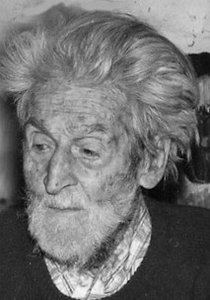
Biografia umelca
The Wandering Soul of American Folk Art
Jon Serl was a man whose life was as layered and textured as the very canvases he created. Born Josef Searls in 1894 in the quiet town of Olean, New York, his journey to becoming a singular voice in American folk art was anything but linear. Before he ever picked up a brush with serious intent, Serl lived a thousand lives under a dozen different names. He was the vaudeville performer known as Slats, a charismatic figure mastering the arts of dance, song, and impersonation; he was Jerry Palmer, navigating the transition from silent films to the era of sound; and he was Ned Palmer, a migrant fruit picker enduring the harsh realities of the Great Depression. This nomadic existence, marked by both the glitter of the stage and the grit of manual labor as a docker, infused his later work with a profound, lived empathy for the human condition.
His artistic development was a late-blooming miracle, a phenomenon that defies the conventional timeline of creative genius. It was not until his mid-fifties that Serl began to paint with the intensity that would eventually define his legacy. Driven by a simple, poignant desire to decorate his own home in San Juan Capistrano, he turned to the medium of painting to capture the vibrant essence of the California landscape. This period of creation, spanning from 1945 until his passing in 1993, saw him produce over 1,200 works that bridged the gap between the whimsical and the surreal. He did not seek the approval of galleries or the prestige of critics; for twenty years, he refused to exhibit, choosing instead to prioritize the raw integrity of his vision over commercial acclaim.
Technique and the Beauty of Imperfection
Serl’s method was a testament to the idea that art requires only vision, not expensive materials. He embraced a resourceful, almost primal approach to his craft, often utilizing scrap wood and discarded cardboard as his primary supports. This choice of medium allowed him to experiment with heavy, tactile surfaces, applying paint with a meticulous care that created a rhythmic, pulsing texture. His work was characterized by no straight lines, a philosophy that mirrored the organic, unpredictable nature of the world he observed. By layering colors and building up the physical presence of the paint, he transformed humble debris into windows onto imaginary realms.
The aesthetic of his work drew deep inspiration from the masters of the American folk tradition. One can trace the lineage of his storytelling to Grandma Moses and the narrative depth of Edward Hicks. Like them, Serl possessed a unique ability to imbue simple scenes with profound symbolic weight. Whether he was depicting animals, landscapes, or enigmatic figures, there was always an underlying sense of magic—a feeling that the boundaries between the real and the imagined were perpetually thin. His home, which he famously described as a "nice dump," was often surrounded by chickens and mice, yet within its walls, his paintings breathed with a life that was entirely untamed.
A Legacy of Visionary Spirit
The historical significance of Jon Serl lies in his refusal to conform to the rigid structures of the art world. He remains a symbol of the transformative power of late-life creativity, proving that the most profound artistic expressions can emerge from the most unexpected circumstances. His life was a tapestry of performance, struggle, and eventual transcendence, leaving behind a body of work that serves as a bridge between the theatricality of his youth and the quiet contemplation of his later years.
Today, Serl is celebrated not just as a self-taught painter, but as a visionary who found beauty in the discarded and meaning in the margins. His ability to weave together the disparate threads of his identity—the performer, the laborer, and the dreamer—into a cohesive visual language ensures his place in the pantheon of American masters. To look upon a Serl painting is to witness a soul that remained forever curious, forever moving, and forever captivated by the light of the California sun.
Rýchle fakty
- Artistic Movement Or Style: Folk Art
- Artists Or Movements Influenced By This Artist: ['Hollywood']
- Artists Who Influenced This Artist:
- Grandma Moses
- Edward Hicks
- Date Of Birth: November 6, 1894
- Date Of Death: June 23, 1993
- Full Name: Jon Serl
- Nationality: American
- Notable Artworks:
- Untitled (Woman with Dog)
- Reptile
- Liz
- Place Of Birth: Olean, New York