


 Náhľad
 Odoslať
 Zdieľať
 Podrobnosti o dielo

 Stiahnuť
 Podobné diela
 RTG skúška
 Prezentácia
 Stats
StatsRoman Capriccio


 Zobraziť viac
Giclée / Umenotlač
Giclée tlač alebo plátno múzeálnej kvality s rýchlou výrobou a flexibilnými možnosťami povrchovej úpravy. ( Kúpiť ručne maľovaný obraz Switch to Digital Image)




































Vyberte si z našich preddefinovaných rozmerov, ktoré zodpovedajú pôvodným pomeroḿ diela.

Môžete zadať vlastné rozmery, aby sa reprodukcia prispôsobila konkrétnemu rámu alebo priestoru. Ak zvolená veľkosť nebude zodpovedať proporciám originálu, dielo buď orežeme, alebo obraz rozšírime pomocou zrkadlenia či farebného doplnenia okrajov. Pred začatím výroby vám pošleme digitálnu ukážku na schválenie.
Máte na vedomí, že náhľad na obrazovke neodzrkadľuje skutočné orezanie alebo rozšírenie. Len digitálna ukážka presne zobrazí finálnu kompozíciu.
Hoci sú k dispozícii vlastné rozmery, pre zachovanie pôvodných proporcií odporúčame vybrať si rozmer z vopred definovaného zoznamu.
Celosvetová doprava () do 2 týždňov namiesto štandardných 4/5 týždňov. (7 september)

Bezplatná expresná doprava po celom svete

Prémiové lnianske plátno

Kompletné poistenie prepravy

Záruka vrátenia colného poplatku

Záruka presného farebného zhodnutia

100-dená politika vrátenia tovaru (iba pri vadách)

100% záruka vrátenia peňazí

Výhodná množstevná zľava
 Možnosť skla je dostupná len pri rozmeroch pod 110 cm

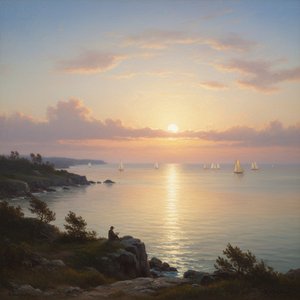
Roman Capriccio
Giclée / Umenotlač
Veľkosť reprodukcie
-


Celková cena za vybrané možnosti
$ 62
Podobné diela


Biografia umelca
John Inigo Richards (1731 – 1810): A Pioneer of Romantic Landscape Painting
John Inigo Richards was a British landscape painter who emerged as one of the foremost figures in the burgeoning Romantic movement, establishing himself as a founding member of the Royal Academy in 1768 and serving as its secretary until his death. His artistic journey began with formal training at St Martin’s Lane Academy in London, where he honed his skills under the tutelage of George Lambert (1700–1765), considered by many to be “the father of English landscape oil painting.” Like fellow artist Francis Hayman, Richards skillfully navigated the theatrical world, undertaking scene painting commissions for London’s theatres between 1777 and 1803 – a passion that would endure throughout his life. This dedication to theatrical design profoundly shaped his artistic vision and contributed to his reputation as an innovator.- Early Influences: Lambert's teachings instilled in Richards a meticulous attention to detail and a commitment to capturing the subtleties of natural light, mirroring the stylistic trends prevalent at the time.
- Theatre Design Legacy: Richards’ involvement with theatre extended beyond mere commissions; he conceived ambitious designs for venues like Chestnut Street Theatre in Philadelphia—a landmark achievement demonstrating his understanding of spatial composition and dramatic storytelling.
Notable Landscapes & Artistic Style
Richards' oeuvre is characterized by a distinctive blend of Baroque grandeur and Romantic sensitivity. He skillfully employed techniques borrowed from Italian landscape painters, notably Claude Lorrain and Gaspar Piquer, to create monumental vistas imbued with atmospheric perspective and idealized beauty. However, unlike his predecessors, Richards embraced the expressive power of emotion—a hallmark of Romanticism—evident in his depictions of dramatic skies and evocative tonal ranges. His canvases frequently explore themes of solitude, contemplation, and communion with nature, reflecting the philosophical currents shaping intellectual life during his era.- Iconic Works: Among Richards’ most celebrated paintings are ‘View of Wakefield,’ a panoramic depiction of Yorkshire’s Wakefield Cathedral—a testament to his mastery of tonal modulation and compositional balance—and ‘Roman Capriccio,’ a breathtaking Baroque landscape showcasing the ruins of Rome bathed in ethereal light.
- Technique & Materials: Richards favored oil paints on canvas, utilizing layering techniques and meticulous blending to achieve remarkable realism while simultaneously conveying an emotional resonance.
Family Life & Personal Connections
Richards’ personal life was marked by significant familial connections. He married Mary Ann Ritchards in 1789—the daughter of actress Anne Pitt—and together they welcomed a child, John Richard Jefferies, born in 1759. Richards' artistic endeavors were deeply intertwined with his family life; he bequeathed to his son a snuff box adorned with a portrait of his mother and former lover – an item that serves as poignant reminder of his formative experiences and enduring passions.Historical Significance & Legacy
John Inigo Richards’ contribution to English landscape painting is undeniable. He championed the Romantic aesthetic, elevating it beyond mere imitation of nature to encompass profound psychological insight. His pioneering spirit helped establish the Royal Academy as a center for artistic innovation and cemented his place among Britain's most influential painters of the eighteenth century. Today, Richards’ works continue to inspire artists and scholars alike—a testament to the enduring power of his vision and the timeless beauty of his landscapes.
john inigo richards
1731 - 1810
Základné informácie
- Artistic Movement Or Style: Romanticism
- Artists Or Movements Influenced By This Artist: ['Richard Wilson']
- Artists Who Influenced This Artist: ['George Lambert']
- Date Of Birth: 1731
- Date Of Death: 1810
- Full Name: John Inigo Richards
- Nationality: British
- Notable Artworks:
- View of Wakefield
- Roman Capriccio
- St Mary Cray Church, Kent, a Christening
- Place Of Birth: England
Súvisiace články

Top 10 Majstrov Romantickej Krajinomaľby: Obrazy, ktoré zmenili svet umenia
Ponorte sa do sveta romantickej krajinomaľby! Objavte top 10 majstrovských diel od Friedricha, Turnera a ďalších. Historické obrazy prírody s nádychom emócií. Reprodukcie obrazov pre váš interiér na ArtsDot.com.

Evocations of Place: A Historical Journey Through Landscape Art
Explore the rich history of landscape art with ArtsDot. Discover renowned artists, movements like Impressionism & Romanticism, and expert guidance for collecting timeless pieces. Find your perfect serene escape today!

John Constable: Top 25 Majstrovských Diel pre Váš Domov | ArtsDot.sk
Ponorte sa do sveta Johna Constabla s ArtsDot.sk! Objavte top 25 majstrovských diel anglického romantizmu – od ikonického Hay Wain až po krajinárske motívy Suffolku. Kvalitné reprodukcie obrazov pre váš domov. Preskúmajte celú kolekciu online!
William Trost Richards: Luminism, Spirituality & the American Landscape Tradition
Explore the captivating landscapes of William Trost Richards, a master of Luminism associated with both the Hudson River School & American Pre-Raphaelite movements. Discover his spiritual connection to nature and lasting influence on American art.

John Singer Sargent's 25 Masterpieces: Portraits & Beyond | ArtsDot
Explore 25 iconic John Singer Sargent paintings – from dazzling portraits to Impressionist landscapes. Discover the stories behind Madame X, El Jaleo & more! Find museum-quality art reproductions and elevate your home decor with ArtsDot.com.