


 Zobraziť v interiéri
 Odoslať
 Zdieľať
 Podrobnosti
 Príručkovo

 Stiahnuť
 Podobné položky
 RTG skúška
 Prehliadanie diapo\]
 Štatistiky
Sin título (Untitled)


 Prečítať si viac
Ručne maľovaná olejová reprodukcia
Ručne maľovaný olej na plátne vo vašej zvolenej veľkosti a v ráme, vyrobený na mieru našimi umelcami. ( Prepnúť na tlač Prepnúť na digitálnu verziu obrazu)




































Vyberte si z našich preddefinovaných rozmerov, ktoré zodpovedajú pôvodným pomeroḿ diela.

Môžete zadať vlastné rozmery tak, aby sa hodili do konkrétneho rámu alebo priestoru. Ak sa váš zvolený rozmer nezhoduje s pôvodnými proporciami obrazu, dielo buď orezáme, alebo ho doplníme ručne maľovanými prvkami. Pred začiatkom výroby vám zašleme digitálny náhľad na schválenie.
Upozorňujeme, že ukážka na obrazovke neodráža skutočné orezanie ani doplnenie. Skutočnú finálnu kompozíciu zobrazuje iba digitálny náhľad.
Hoci sú k dispozícii vlastné rozmery, odporúčame vybrať rozmer z preddefinovaného zoznamu, aby sme zachovali pôvodné proporcie.
Po odoslaní objednávky vám tím ArtsDot.com pošle e-mail s pokynmi a poskytne náhľad na návrh
Celosvetová doprava () za 3 až 4 týždne namiesto štandardných 5 týždňov. (21 september). Bez kompromisov v kvalite.

Bezplatná expresná doprava po celom svete

Vysokokvalitné lnianske plátno

Úplné poistenie prepravy

Záruka vrátenia colného poplatku

Záruka presného farebného zhodnutia

100-dená politika vrátenia tovaru (iba pri vadách)

100% záruka vrátenia peňazí

Ponuka množstevnej zľavy
 Možnosť skla je dostupná len pri rozmeroch pod 110 cm

Sin título (Untitled)
Spôsob reprodukcie
Veľkosť reprodukcie
-


Celková cena
$ 263
Súvisiace diela


Biografia umelca
The Architect of Motion: The Life and Vision of Jesús Rafael Soto
In the quiet streets of Ciudad Bolívar, Venezuela, a young boy once spent his hours meticulously recreating the masterpieces he encountered in magazines and almanacs. This early fascination with the transformative power of imagery was more than a childhood pastime; it was the genesis of a lifelong quest to dismantle the boundaries between the viewer and the viewed. Jesús Rafael Soto, born on June 5, 1923, would grow to become a titan of the Kinetic and Op Art movements, a man whose work did not merely sit upon a wall or stand upon a pedestal, but rather breathed, vibrated, and pulsed with an energy that demanded physical engagement.
Soto’s journey into the professional realm began with the vibrant, graphic world of cinema posters in his hometown. At sixteen, he was already mastering the principles of visual communication, a skill that would later underpin his ability to manipulate light and space. His formal education at the Escuela de Artes Plásticas y Artes Aplicadas in Caracas provided the academic rigor necessary to transition from graphic design to "pure art." Under the mentorship of influential figures like Antonio Edmundos Monsanto, Soto was introduced to a global dialogue of modernism, connecting him with a generation of Venezuelan masters including Carlos Cruz-Diez and Alejandro Otero. This period of intense study and connection laid the groundwork for his departure to Paris in 1951, a move that would catapult his experimental spirit onto the international stage.
The Alchemy of Perception and Material
As Soto’s career matured, he moved away from traditional representation toward a profound exploration of kinetic perception. He became an alchemist of industrial materials, finding poetic potential in the cold surfaces of metal, plexiglass, and nylon. His technique was revolutionary; by layering wire over canvas or superimposing transparent sheets, he created works that appeared to shimmer and oscillate even when the viewer remained still. These were not merely paintings but optical engines designed to trigger a physiological response—a rhythmic vibration that blurred the line between the object and the eye.
The true pinnacle of his sculptural innovation arrived with the Penetrables. Debuting in Caracas in 1968, these monumental installations represented a radical departure from the static nature of traditional sculpture. Constructed from cascading curtains of flexible nylon tubes, the Penetrables invited the public to step inside the artwork itself. To walk through a Penetrable was to lose oneself in a labyrinth of texture and light, where the movement of one's own body dictated the shifting patterns of the art. In these spaces, Soto achieved his ultimate goal: the dissolution of the barrier between the observer and the observed, turning the spectator into an active participant in the creation of the aesthetic experience.
A Lasting Legacy in the Modern Canon
The historical significance of Jesús Rafael Soto cannot be overstated. He was a central figure in a movement that redefined mid-twentieth-century art across South America and beyond, influencing how we perceive space, energy, and motion. His influence is etched into the very fabric of the world's most prestigious institutions, with his works residing in permanent collections such as:
- The Museum of Modern Art (MoMA) in New York
- Tate Modern in London
- Centre Georges Pompidou in Paris
- Museum Ludwig in Germany
- Galleria Nazionale d'Arte Moderna in Rome
Beyond the museum walls, his legacy lives on through the Jesús Soto Museum of Modern Art in his beloved Ciudad Bolívar, a testament to his commitment to his roots and the democratization of art. When Soto passed away in 2005, he left behind more than just a catalog of masterpieces; he left a new way of seeing. He taught us that art is not a static entity to be contemplated from a distance, but a living, breathing phenomenon that exists in the dynamic intersection of light, movement, and human presence.

jesús rafael soto
1923 - 2005
Rýchle fakty
- Artistic Movement Or Style: Op Art & Kinetic Art
- Artists Or Movements Influenced By This Artist: Yaacov Agam, Jean Tinguely
- Artists Who Influenced This Artist: Antonio Eduardo Monsanto
- Date Of Birth: June 5, 1923
- Date Of Death: January 14, 2005
- Full Name: Jesús Rafael Soto
- Nationality: Venezuelan
- Notable Artworks:
- Sin título
- Mirror
- Penetrables
- Place Of Birth: Ciudad Bolívar, Venezuela
Súvisiace články

Top 10 majstrov geometrickej abstrakcie: Umění pre váš domov s ArtsDot.com
Ponorte sa do sveta geometrickej abstrakcie! Objavte 10 majstrovských diel od Mondriana, Kandinského a ďalších. História umenia, techniky a farebné kompozície na ArtsDot.com – reprodukcie obrazov pre váš domov.

Beyond Form & Color: Geometric Abstraction's Evolution in 20th/21st Century Art
Explore the evolution of geometric abstraction from Cubism to contemporary art. Discover key artists like Malevich & Mondrian, investment insights, and expert collecting advice at ArtsDot.

Wassily Kandinsky: Top 25 diel pre milovníkov umenia a dokonalý dizajn interiéru
Ponorte sa do sveta Wassilyho Kandinského s ArtsDot.com! Objavte top 25 diel abstraktného umenia, expresionizmu a farebných kompozícií. Kúpiť reprodukcie obrazov pre dokonalý dizajn interiéru. Explore the full collection online.

Beyond Form & Color: Geometric Abstraction's Enduring Legacy in Art History
Explore the captivating world of geometric abstraction! Discover its origins, key artists like Malevich & Mondrian, and why this movement remains highly valued by art collectors today. Expert insights at ArtsDot.
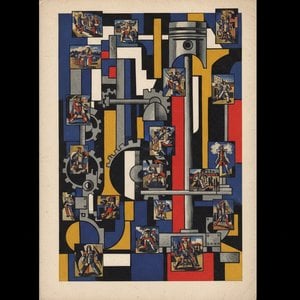
Fernand Léger: Top 25 diel pre milovníkov moderného umenia a dizajnu interiéru
Objavte top 25 diel Fernand Légera – priekopníka kubizmu a tubizmu. Prežite príbeh za ikonickými obrazmi, farebnou kompozíciou a strojovým vekom. Reprodukcie pre váš interiér na ArtsDot.com! Preskúmajte celú kolekciu online.
