

 Odoslať ako digitálnu kartu
 Zdieľať
 Podrobnosti o dielo
 Príručka

 Stiahnuť obraz
 Podobné položky
 Prehliadanie diapozoje
 Otázky a odpovede
 Štatistiky
Naiad

- 74.0 x 195.0 cm


 Zobraziť viac
Giclée / Umenotlač
Giclée tlač alebo plátno múzeálnej kvality s rýchlou výrobou a rôznymi možnosťami povrchovej úpravy. ( Kúpiť ručne maľovaný obraz Prepnúť na digitálny obraz)




































Vyberte si z našich preddefinovaných rozmerov, ktoré zodpovedajú pôvodným pomeroḿ diela.

Zadajte šírku a výšku, ktoré potrebujete, aby sa reprodukcia hodila k vášmu rámu alebo stene. Print možno len orezávať, nikdy však nemennú veľkosť zvětšiť oproti pôvodnému obrázku, preto pri inom formáte stráca časť obrazu. Pred samotným vytlačiacím procesom vám pošleme digitálny náhľad na schválenie. Obrázok zobrazený na tejto stránke nezobrazuje reálny rez — len digitálny náhľad ukazuje presný výsledok.
Celosvetová doprava () do 2 týždňov namiesto štandardných 4 až 5 týždňov. (6 november)

Bezplatná expresná doprava po celom svete

Vysokokvalitné lnianske plátno

Kompletné poistenie prepravy

Záruka vrátenia colného poplatku

Záruka presného farebného zhodnutia

100-dená politika vrátenia tovaru (iba pri vadách)

100% záruka vrátenia peňazí

Zľava pri väčšom množstve
 Možnosť skla je dostupná len pri rozmeroch pod 110 cm

Naiad
Giclée / Umenotlač
Veľkosť reprodukcie
-


Celková cena
€ 56
A Whisper from the Waters: Jean Goujon’s Naiad
Jean Goujon's "Naiad," sculpted in 1547, is more than just a depiction of a water nymph; it’s a frozen moment of graceful longing and timeless beauty. This limestone relief, now housed within the Royal Łazienki Park in Warsaw, Poland, offers a captivating glimpse into the heart of Renaissance Mannerism – a style characterized by its elegant fluidity, heightened emotion, and subtle distortions that imbue figures with an almost palpable sense of movement.
The sculpture immediately draws the eye to the reclining figure, whose form is both powerfully sculpted and exquisitely delicate. Goujon masterfully renders the flowing drapery, creating an illusion of water swirling around her body, a direct reference to the nymph’s aquatic origins. The pose itself—one arm extended downwards as if reaching for the depths, the other gracefully bent—suggests a quiet contemplation, a yearning for something beyond the visible world. Her face, though partially obscured by the folds of her garment, retains an expression of serene vulnerability, hinting at both beauty and a touch of melancholy.
Dominating the scene to the right is a smaller winged figure – often interpreted as an angel or cherub – seemingly observing the naiad with a mixture of concern and admiration. This pairing elevates the sculpture beyond a simple depiction of a mythological subject; it introduces elements of divine intervention and perhaps even a cautionary tale, suggesting the potential dangers inherent in pursuing unattainable desires. The contrast in scale between the two figures further emphasizes this dynamic, creating a visual dialogue that invites interpretation.
The Renaissance Embrace: Style and Technique
Goujon’s “Naiad” is a quintessential example of Mannerist sculpture, a style flourishing during the late 15th and early 16th centuries. Unlike the idealized forms of High Renaissance art, Mannerism embraced asymmetry, elongated proportions, and dramatic lighting to evoke intense emotion and psychological complexity. Goujon skillfully employs these techniques here, subtly distorting the naiad’s form – her limbs are slightly exaggerated, her features delicately rendered – to create a sense of heightened realism and emotional depth.
The sculpture's surface is remarkably smooth, achieved through meticulous carving and polishing. The artist demonstrates a profound understanding of texture, particularly in the rendering of the drapery, which appears both fluid and substantial. Notice how Goujon uses subtle variations in tone to create an illusion of light and shadow, enhancing the three-dimensionality of the relief and drawing the viewer’s eye across its surface. The use of limestone – a relatively soft stone – allowed for intricate detailing and graceful curves, essential elements of the Mannerist style.
A Mythological Echo: Symbolism and Context
The naiad herself is a figure deeply rooted in Greek mythology, representing the spirits of springs, streams, and wells. In ancient Greece, these nymphs were often associated with fertility, purity, and healing – qualities that resonated strongly within Renaissance culture. The sculpture’s placement within the Łazienki Park, originally designed as a royal retreat, further reinforces this connection to nature and the divine.
The inclusion of the winged figure adds another layer of symbolic meaning. Angels and cherubs frequently represented divine grace and protection in Renaissance art, suggesting that the naiad’s yearning is not merely a personal desire but also a reflection of humanity's longing for spiritual fulfillment. The sculpture can be seen as an allegory for the pursuit of beauty, knowledge, or even immortality – themes that preoccupied artists and intellectuals during this period.
A Legacy in Stone: Reproduction and Appreciation
Reproductions of Jean Goujon’s “Naiad” offer a remarkable opportunity to bring this exquisite work of art into your home or office. The original sculpture, crafted over 500 years ago, is a testament to the enduring power of human creativity and artistic skill. When commissioning a reproduction, consider the materials used – high-quality canvas stretched over a wooden frame will faithfully capture the essence of Goujon’s masterpiece.
More than just a decorative object, “Naiad” invites contemplation and reflection. Its graceful lines, evocative symbolism, and masterful technique make it a timeless treasure—a poignant reminder of the beauty, mystery, and enduring allure of the natural world and the human spirit. It’s a piece that speaks to our deepest longings and reminds us of the power of art to transcend time and connect us to the past.
Otázky a odpovede
Aká veľkosť reprodukcie sa odporúča pre „Naiad“ od Jean Goujon?
Pre dielo „Naiad“ od Jean Goujon sa odporúča reprodukcia vo veľkom formáte Medium. Veľkosť je možné upraviť pri zachovaní pomerov.
Na čo sa odporúča použiť „Naiad“ od Jean Goujon?
Odporúčaným použitím vytlačenej verzie diela „Naiad“ je Statement.
Aké umiestnenie sa hodí k formátu diela „Naiad“ od Jean Goujon?
Pre dielo „Naiad“ od Jean Goujon sú uvedené formát (Panoramic) a odporúčaný priestor (Living Room).
Podobné diela


Biografia umelca
Sochár, ktorý stvoril parížsku eleganciu
Jean Goujon (okolo 1510 – okolo 1567) predstavuje jeden z pilierov francúzskeho renesančného sochárstva a architektúry, pričom v sebe spája stylistický žiarivý ohňom manierizmu s hlbokým zakorenením v klasických ideáloch. Hoci je jeho skorý život v Normandii obklopený záhadou, jeho nesmierne bohatá tvorba ho rýchlo ugruntovala ako jeden z najvýznamnejších umeleckých hlasov tejto éry – čo je jasné svedectvom jeho mimoriadneho talentu a neochvejnej oddanosti remeslu. Goujonova cesta sa začala formujúcimi skúsenosťami v Taliansku, kde nasával veľkoleposť rímskeho sochárstva a jeho princípeky integroval do vlastného, nezamiteľného štýlu. Tento vplyv je cítiť v celom jeho dieli, najmä v majstrovskom spracovaní záhybov draperie a anatomickej presnosti.
Jeho umelecký vzostup začal v katedrále v Rouen (1541–42), kde sa podjal monumentálne zadanie – sochat monument k hrobke Louisa de Brézé, seigneur d'Anet—zadanie, ktoré predviedlo jeho rastúce schopnosti a ambície. Tento odvážny projekt upevnil jeho reputáciu vychádzajúcej hviezdy francúzskeho sochárskeho sveta. Súčasne si zdokonaloval svoje architektonické zručnosti pri kostole Saint-Maclou, kde demonštroval vrodenú schopnosť spojiť umeleckú víziu so štrukturálnou inžinierkou. Výsledná stavba stojí ako nádherný príklad renesančnej sakrálnej architektúry, odrážajúca Goujonov záväzok k estetickej kráse aj funkčnej integrite.
Partnerstvo vizionárskej veľkolepomosti
Po presťahovaní sa do Paríža v roku 1544 nadviazal Goujon kľúčové partnerstvo s Pierreom Lescotom, architektom dohliadajúcim na ambicióznu obnovu katedrály Saint-Germain-l'Auxerrois. Spoločne koncipovali a realizovali dychberúce sochárske dekorácie – najvýraznejšie pulpit – čo je majstrovské dielo exemplifikujúce Lescotov neoklasický cit a Goujonovu neskutočnú techniku spracovania draperie. Táto éra spolupráce definovala vizuálny jazyk francúzskeho renesančného umenia, keďže Goujon začal do kameňa vnášať pocit plynulého pohybu a éterickej nežnosti.
Vrchol jeho vplyvu je možno najjasnejšie vidieť v jeho prínose pre Louvri. Jeho práca na fasáde Cour Carrée (kridlo Lescot) zostáva ikonickým úspechom, ktorý prezentuje klasickú eleganciu prostredníctvom zložitých reliéfov odrážajúcich francúzsku umeleckú brilanciu. V týchto dielach možno pozorovať jemnú hru svetla a tieňa na sočných postavách, čo je prejavom jeho schopnosti vnútiť chladnému mramoru život. Jeho majstvo sa rozšírilo aj na fasádu Louvru (detail), kde jeho nesmierna pozornosť k detailu vytvorila majstrovské dielo manieristického štýlu, spájajúce klasickú eleganciu s intricate výzdobou, ktorá fascinuje divákov aj stovky rokov potom.
Odkaz nežnosti a klasickej formy
Goujonov odkaz je definovaný bezprecedentnou schopnosťou harmonizovať napätie manierizmu so sérenitou klasicizmu. Jeho sochy často zobrazujú nymfy a alegorické postavy, ktoré sa zdajú levitovať v rámci svojho architektonického prostredia, čo je technika najznámejšia v jeho Karyatidách. Týchto desať majstrovských postav predstavuje vrchol francúzskeho renesančného sochárstva 16. storočia a prináša divákovi pocit klasickej veľkolepomosti a sofistikovanej elegancie. Prostredníctvom týchto diel Goujon nielen dekoroval budovy; on sochoval samotnú identitu francúzskeho estetického vyvinenia.
Historický význam jeho práce sa nedá ani prehnať, keďže jeho prístup k anatomii a draperii ovplyvnil generácie európskych umelcov. Jeho schopnosť premeniť ťažký kameň na plynulé, rytmické tvary stanovila štandard pre francúzsky klasicizmus, ktorý pretrval dlho po jeho smrti. Dnes slúžia pozostatky jeho géniu – od zložitých detailov krídlov Louvru až po jeho hlboký vplyv na architektonickú ornamentiku – ako trvalé svedectvo človeka, ktorý skutočne stvoril eleganciu Paríža.

Jean Goujon
1510 - 1567 , Francúzsko
Základné informácie
- Artistic Movement Or Style: Manierizmus
- Artists Or Movements Influenced By This Artist: ['Francúzsky klasicizmus']
- Artists Who Influenced This Artist: ['Michelangelo']
- Date Of Birth: ok. 1510 Normandie, Francúzsko
- Date Of Death: ok. 1567
- Full Name: Jean Goujon
- Nationality: Francúz
- Notable Artworks:
- Nymfy (detail)
- Pieta
- Vojna a mier
- Fontaine des Innocents
- Sochy z Louvru
- Place Of Birth: Normandie, Francúzsko
Súvisiace články
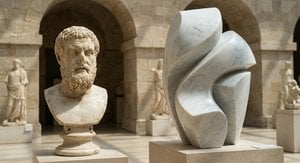
The Enduring Allure of Marble in Art History: From Classical Sculpture to Modern Abstraction
Explore the captivating history of marble sculpture from ancient Greece to modern art. Discover renowned artists like Canova & Michelangelo, carving techniques, and investment insights at ArtsDot.

The Enduring Form: Sculpture Across History, Technique & Emotional Resonance
Explore the rich history of sculpture with ArtsDot. Discover key techniques, influential artists & investment potential for discerning collectors. Expert insights into valuing and collecting timeless masterpieces.

The Enduring Form: Exploring Themes & Techniques in Sculpture Across Historical Periods
Explore the rich history of sculpture from ancient masterpieces to contemporary innovations. Discover key techniques, influential artists & investment potential for discerning art collectors.

Top 10 Bronzových Sôch, ktoré Zmenili Umenie Navždy | ArtsDot
Objavte top 10 legendárnych bronzových sôch, ktoré zmenili umenie! Michelangelo, Rodin a ďalší majstri. História, techniky a nadčasová krása pre váš interiér. Reprodukcie múzejnej kvality na ArtsDot.com

Top 10 Bronzových Majstrovských Diel, ktoré Zmenili Umění Navždy | ArtsDot
Objavte top 10 legendárnych bronzových majstrovských diel, ktoré zmenili umenie navždy! Rodin, Michelangelo a ďalší. Prežite príbehy slávnych sôch a nájdite inšpiráciu pre váš interiér na ArtsDot.com.