
- Domov

- Tlač na plátno
- james passmore smith
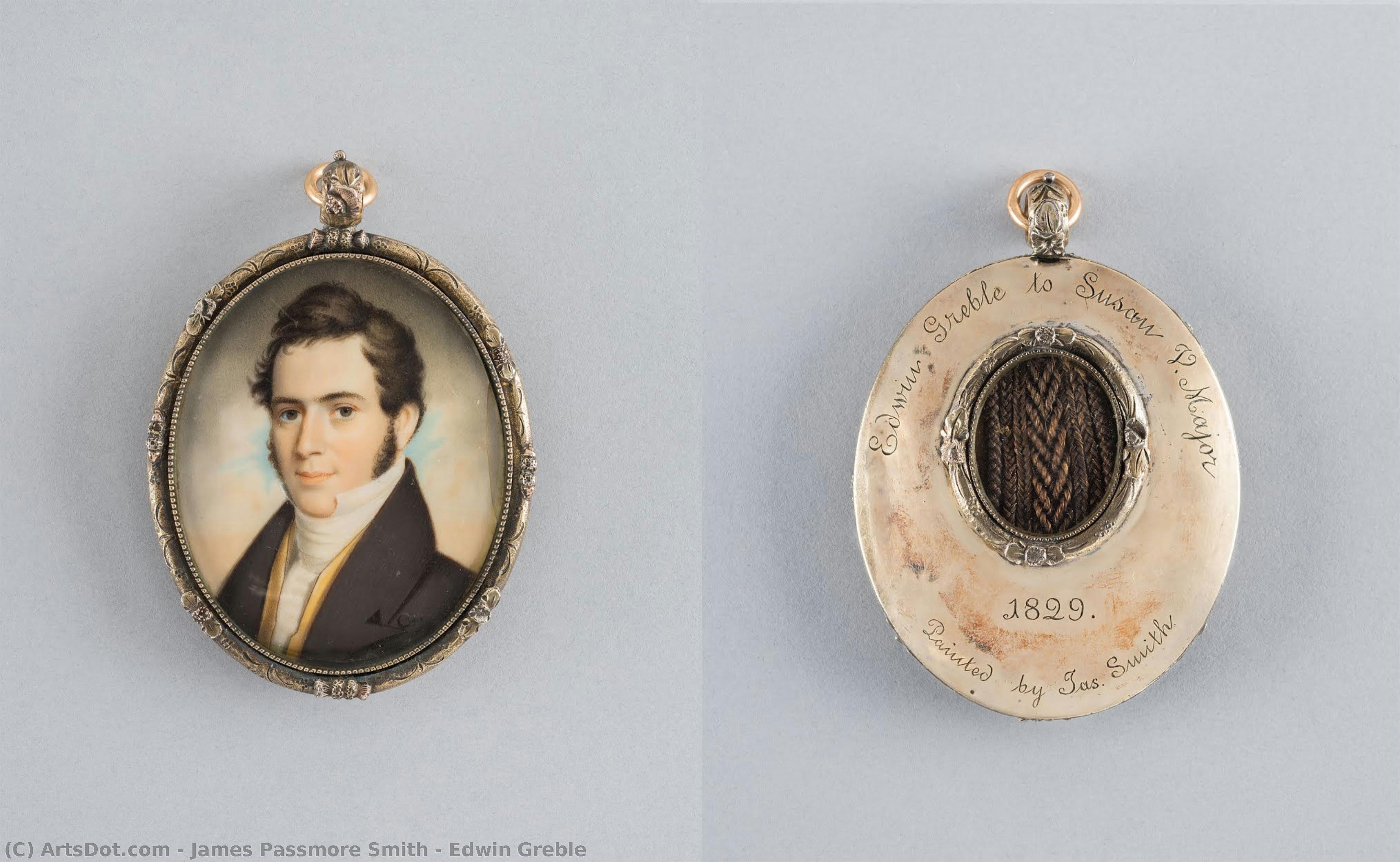
- Edwin Greble
 Objednať reprodukciu Kúpiť digitálnu verziu
 Odoslať
 Zdieľať
 Podrobnosti o dielo
 Pridať do obľúbených

 Stiahnuť
 Podobné diela
 RTG skúška
 Prezentácia
Edwin Greble
 1829
1829 5.0 x 4.0 cm
 Zobraziť viac
Giclée / Umenotlač
Giclée tlač alebo plátno múzeálnej kvality s rýchlou výrobou a flexibilnými možnosťami povrchovej úpravy.




































Vyberte si z našich preddefinovaných rozmerov, ktoré zodpovedajú pôvodným pomeroḿ diela.

Môžete zadať vlastné rozmery, aby sa reprodukcia prispôsobila konkrétnemu rámu alebo priestoru. Ak zvolená veľkosť nebude zodpovedať proporciám originálu, dielo buď orežeme, alebo obraz rozšírime pomocou zrkadlenia či farebného doplnenia okrajov. Pred začatím výroby vám pošleme digitálnu ukážku na schválenie.
Máte na vedomí, že náhľad na obrazovke neodzrkadľuje skutočné orezanie alebo rozšírenie. Len digitálna ukážka presne zobrazí finálnu kompozíciu.
Hoci sú k dispozícii vlastné rozmery, pre zachovanie pôvodných proporcií odporúčame vybrať si rozmer z vopred definovaného zoznamu.
Celosvetová doprava () do 2 týždňov namiesto štandardných 4/5 týždňov. (18 júl)

Bezplatná expresná doprava po celom svete

Prémiové lnianske plátno

Kompletné poistenie prepravy

Záruka vrátenia colného poplatku

Záruka presného farebného zhodnutia

60-dňá politika vrátenia (iba pri defektoch)

100% záruka vrátenia peňazí

Výhodná množstevná zľava
 Možnosť skla je dostupná len pri rozmeroch pod 110 cm

Edwin Greble
Giclée / Umenotlač
Veľkosť reprodukcie
-


Celková cena za vybrané možnosti
-
Popis predmetu
Podobné diela


Biografia umelca
James Passmore Smith: A Victorian Portraitist Rooted in African Heritage
James Passmore Smith (1803 – 1888) stands as a quietly influential figure within the landscape of Victorian portraiture, particularly recognized for his exquisite miniature paintings that captured the dignity and nuance of aristocratic subjects. Born in Salisbury, Rhodesia (now Zimbabwe), Smith’s artistic journey began amidst the burgeoning colonial ambitions of Britain, yet his creative spirit transcended geographical boundaries, establishing him as a respected artist across continents. Smith's formative years instilled within him an appreciation for detail and observation—qualities that would become hallmarks of his distinctive style. While biographical information remains somewhat sparse, evidence suggests he honed his skills initially in London’s artistic milieu before embarking on expeditions to Africa, specifically Rhodesia, where he documented the region’s flora and fauna with remarkable accuracy. This exposure to diverse environments undoubtedly broadened his visual vocabulary and informed his approach to portraiture. His artistic technique was characterized by meticulous layering of translucent glazes—a hallmark of academic painting—allowing for subtle gradations of color and capturing the ethereal quality often associated with portraits of women. Smith’s canvases possessed a remarkable luminosity, achieved through careful manipulation of light and shadow, reflecting the influence of artists like Sir Joshua Reynolds and Thomas Lawrence, masters of neoclassical portraiture who championed naturalism and psychological insight. He skillfully rendered textures—from velvet gowns to satin jackets—with astonishing precision, conveying not merely likeness but also character and emotion. Smith’s oeuvre comprises approximately 300 portraits, predominantly miniature paintings executed in watercolor and occasionally oil on ivory. These diminutive canvases are treasured for their exceptional draughtsmanship and expressive tonal range. Subjects ranged from prominent members of the British aristocracy to wealthy merchants and philanthropists—individuals who sought to commemorate their status and legacy through artistic representation. Notable commissions included portraits of Lord Salisbury (after whom the city bears his name), Edwin Greble, and numerous unnamed ladies of considerable social standing. Beyond his technical prowess, Smith’s work holds significance as one of the earliest documented depictions of African subjects in Western art. His detailed botanical illustrations—particularly those documenting Rhodesian orchids—demonstrate a commitment to scientific observation alongside artistic creativity. These images contributed to the burgeoning interest in African biodiversity during the Victorian era and stand as testament to Smith's pioneering role in bridging the gap between European artistic conventions and African cultural heritage. James Passmore Smith’s legacy resides not merely in his stunning portraits but also in his contribution to shaping perceptions of Africa within the broader context of Victorian art history.
james passmore smith
1803 - 1888 , Zimbabwe
Základné informácie
- Artistic Movement Or Style: Portrait Miniature
- Date Of Birth: 1803
- Full Name: James Passmore Smith
- Nationality: American
- Notable Artworks:
- Portrait of a Lady
- Portrait of a Gentleman
- Edwin Greble
- Place Of Birth: Salisbury, Zimbabwe

