


 Zobraziť v interiéri
 Odoslať
 Zdieľať
 Podrobnosti
 Príručkovo

 Stiahnuť
 Podobné položky
 RTG skúška
 Prehliadanie diapo\]
 Štatistiky
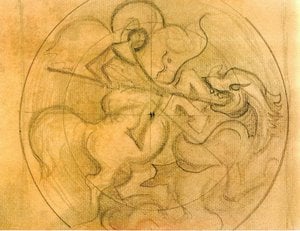
Untitled (976)
 Prečítať si viac
Ručne maľovaná olejová reprodukcia
Ručne maľovaný olej na plátne vo vašej zvolenej veľkosti a v ráme, vyrobený na mieru našimi umelcami. ( Prepnúť na tlač Prepnúť na digitálnu verziu obrazu)




































Vyberte si z našich preddefinovaných rozmerov, ktoré zodpovedajú pôvodným pomeroḿ diela.

Môžete zadať vlastné rozmery tak, aby sa hodili do konkrétneho rámu alebo priestoru. Ak sa váš zvolený rozmer nezhoduje s pôvodnými proporciami obrazu, dielo buď orezáme, alebo ho doplníme ručne maľovanými prvkami. Pred začiatkom výroby vám zašleme digitálny náhľad na schválenie.
Upozorňujeme, že ukážka na obrazovke neodráža skutočné orezanie ani doplnenie. Skutočnú finálnu kompozíciu zobrazuje iba digitálny náhľad.
Hoci sú k dispozícii vlastné rozmery, odporúčame vybrať rozmer z preddefinovaného zoznamu, aby sme zachovali pôvodné proporcie.
Po odoslaní objednávky vám tím ArtsDot.com pošle e-mail s pokynmi a poskytne náhľad na návrh
Celosvetová doprava () za 3 až 4 týždne namiesto štandardných 5 týždňov. (25 september). Bez kompromisov v kvalite.

Bezplatná expresná doprava po celom svete

Vysokokvalitné lnianske plátno

Úplné poistenie prepravy

Záruka vrátenia colného poplatku

Záruka presného farebného zhodnutia

100-dená politika vrátenia tovaru (iba pri vadách)

100% záruka vrátenia peňazí

Ponuka množstevnej zľavy
 Možnosť skla je dostupná len pri rozmeroch pod 110 cm

Untitled (976)
Spôsob reprodukcie
Veľkosť reprodukcie
-


Celková cena
$ 263
Súvisiace diela


Biografia umelca
James Gleeson: Architekt austrálskeho surrealizmu
James Timothy Gleeson (1915-2008) nebol len obyčajným umelcom; bol to tanečník krajín, tkáč nočných môr a snov, a možno aj prvý skutočný surrealista Austrálie. Vychádzajúc z povojnového umeleckého prostredia, Gleeson vytvoril jedinečnú víziu – svet preplatený primálnymi úzkosťami, ozvukom mýtov a psychoanalýzy – ktorá v nás rezonuje dodnes. Jeho tvorba sa nedá ľahko zaradiť; je to silná zmes austrálskej identity, európskych vplyvov a hlboko osobnej symboliky, vyjadrená na odvážnych, impastových plátnach, ktoré si vyžadujú pozornosť a pozývajú k hlbokému snenie.
Narodený v Hornsby v Novom Južnom Walesi, Gleesonov raný život sprevádzal hlboký pocit neistoty a vyobovania. Vďaka tomu, že jeho rodina vlastnila hotel, získal náhľad na temnejšie stránky austrálskej spoločnosti, zatiaľ čo jeho umelecké sklony boli kultivované vďaka stretnutiam s vplyvnými osobnosťami, ako bola May Marsden, ktorá ho smerovala k maľbe ako k ventilu pre jeho rastúce úzkosti. Toto formujúce obdobie v ňom vyvolalo fascináciu podvedomím a túžbu konfrontovať nepohodlné pravdy – tému, ktorá sa stala centrálnou pre celé jeho dielo. Jeho počiatočné školenie na East Sydney Technical College položilo základy, no skutočný ohneň surrealistického citu v ňom zapálilo až ponorenie do diel Dalího, Massona, Freuda a Junga.
Zrod vízie
Gleesonova umelecká cesta začala závislým odmietnutím konvenčnej reprezentácie. Pod vplyvom európskych surrealistov – najmä Dalého skúmania snovej obrazovosti a Massonovej organickej abstrakcie – sa snažil obísť obmedzenia vizuálneho vnímania a namiesto toho zachytiť surovú energiu nevedomia. Jeho rané práce, ako napríklad „Sietič“ (1944), už naznačovali túto ambíciu, keď predstavovali zkreslenú krajinu obývanú záhadnými postavami, ktoré sa zdali vyvierať zo zvráteného víru farieb a tvarov. Bol to výrazný odklon od tradičného austrálskeho umenia, ktoré sa často sústreďovalo na pastorálne scény a idealizované krajiny; Gleeson kráčal po úplne inej ceste.
Povojenná éra, so svojimi úzkosťami spojenými s fašizmom a blížiacou sa hrozbou globálneho konfliktu, hlboko formovala jeho umelecké záujmy. Tieto strachy premenil na silnú, apokalyptickú obrazovosť – rozľahlé, opustené krajiny dominované vysokými skalnými útvarmi, ponorenými postavami a znepokojivými juxtapozíciami. Neboli to len zobrazenia prírody; boli to symbolické reprezentácie neistého postavenia ľudstva v chaotickom vesmíre. Jeho tvorba sa stala vizuálnou meditáciou o smrti, krehkosti bytia a trvajúcej sile primárnych inštinktov.
Jazyk symbolizmu
Gleessonove maľby sú bohaté na symbolizmus, čerpajúc z mýtov, folklóru a psychoanalytickej teórie, aby vytvorili vrstvené významy. Opakujúci sa motív mužského aktu – často zobrazovaný ako osamelá postava vyvrátená z búrlivých vĺn alebo rozpadnutých rúin – predstavuje zraniteľnosť, smrtečnosť a boj o sebaidentifikáciu. Použitie okrových tónov – pripomínajúcich austrálsky outback – vytvára pocit zároveň známosti aj cudzosti, čím zakotvuje jeho surrealistické vízie do krajiny jeho vlastnej domoviny a zároveň vyvoláva nadčasovú, takmer biblickú kvalitu.
Jeho neskoršie diela, najmä diptychy „Ubu“ (70. roky), tento symbolický jazyk dokonale exemplifikujú. Tieto monumentálne plátna zobrazujú ponorené postavy a rozpadajúce sa štruktúry, čo naznačuje kolaps civilizácie a nevyhnutný návrat k primárnemu chaosu. Avšak uprostred tejto devastácie sa nachádza zvláštna krása – pocit odolnosti a neochvejne trvajúceho ducha – ktorý hovorí o ľudskej schopnosti prežitia a obnovy.
Odkaz a uznanie
Vplyv Jamesa Gleessona na austráske umenie je nepopierateľný. Bol pionierom v etablovaní surrealizmu ako životaschopného umeleckého hnutia v krajine, pričom spochybňoval konvenčné predstavy o kráse a reprezentácii. Jeho dielo je dodnes predmetom štúdií a obdivu pre jeho emocionálnu intenzitu, symbolickú hĺbku a jedinečný vizuálny jazyk.
V roku 2004 zorganizovala Národná galéria Austrálie rozsiahlu retrospektívnu výstavu „Beyond the Screen of Sight“, ktorá upevnila jeho miesto medzi najdôležitejších austrálskych umelcov. Výstava pritiahla masovú pozornosť k jeho tvorbe a zdôraznila jej trvajúcu relevantnosť. Jeho odkaz však presahuje jeho maľby; bol tiež váženým umedleckým kritikom, prednášajúcim, kurátorom a spisovateľom, čo významne prispel k rozvoju austrálskej umeleckej histórie. Jeho zbierka bola v roku 2007 darovaná Národnej galérii Austrálie, čím sa zabezpečilo, že jeho vizionárske diela budú naďalej inšpirovať generácie umelcov aj divákov.
Trvalý dojem
Gleessonove maľby nie sú len krásnymi obrazmi; sú to hlboké vyjadrenia o ľudskej kondícii. Konfrontujú nás s našimi strachmi, úzkosťami a smrtečnosťou, no zároveň nám ponúkajú pohľad do skrytých hĺbok nevedomia. Jeho tvorba zostáva mocným svedectvom o nesmiernej sile umenia, ktoré dokáže vyzývať, provokovať a nakoniec osvetliť tajomstvá existencie.

James Gleeson
1915 - 2008 , Australia
Rýchle fakty
- Artistic Movement Or Style: Surrealizmus
- Artists Or Movements Influenced By This Artist:
- Robert Klippel
- Austrálsky surrealizmus
- Artists Who Influenced This Artist:
- Salvador Dalí
- Max Ernst
- Sigmund Freud
- Carl Jung
- Date Of Birth: 21. november 1915
- Date Of Death: 20. október 2008
- Full Name: James Timothy Gleeson
- Nationality: Austrálsky
- Notable Artworks:
- Bez názvu (530)
- Bez názvu (723)
- Bez názvu (973)
- Place Of Birth: Sydney, Austrália