


 Náhľad
 Odoslať
 Zdieľať
 Podrobnosti o dielo

 Stiahnuť
 Podobné diela
 RTG skúška
 Prezentácia
 Stats
StatsThe Theobald Stud
 Classical Landscape Painting
 1825
1825 148.0 x 182.0 cm
 English Heritage
 Zobraziť viac
Giclée / Umenotlač
Giclée tlač alebo plátno múzeálnej kvality s rýchlou výrobou a flexibilnými možnosťami povrchovej úpravy. ( Kúpiť ručne maľovaný obraz Switch to Digital Image)




































Vyberte si z našich preddefinovaných rozmerov, ktoré zodpovedajú pôvodným pomeroḿ diela.

Môžete zadať vlastné rozmery, aby sa reprodukcia prispôsobila konkrétnemu rámu alebo priestoru. Ak zvolená veľkosť nebude zodpovedať proporciám originálu, dielo buď orežeme, alebo obraz rozšírime pomocou zrkadlenia či farebného doplnenia okrajov. Pred začatím výroby vám pošleme digitálnu ukážku na schválenie.
Máte na vedomí, že náhľad na obrazovke neodzrkadľuje skutočné orezanie alebo rozšírenie. Len digitálna ukážka presne zobrazí finálnu kompozíciu.
Hoci sú k dispozícii vlastné rozmery, pre zachovanie pôvodných proporcií odporúčame vybrať si rozmer z vopred definovaného zoznamu.
Celosvetová doprava () do 2 týždňov namiesto štandardných 4/5 týždňov. (9 september)

Bezplatná expresná doprava po celom svete

Prémiové lnianske plátno

Kompletné poistenie prepravy

Záruka vrátenia colného poplatku

Záruka presného farebného zhodnutia

100-dená politika vrátenia tovaru (iba pri vadách)

100% záruka vrátenia peňazí

Výhodná množstevná zľava
 Možnosť skla je dostupná len pri rozmeroch pod 110 cm

The Theobald Stud
Giclée / Umenotlač
Veľkosť reprodukcie
-


Celková cena za vybrané možnosti
$ 62
Podobné diela


Biografia umelca
The Master of the English Hunt: The Life and Legacy of James Barenger
In the dappled sunlight of the early nineteenth-century English countryside, few artists captured the pulse of the hunt and the quiet majesty of the animal kingdom as vividly as James Barenger. Born on Christmas Day in 1780 within the industrious enclave of Kentish Town, London, Barenger was destined for a life steeped in artistic precision. He was the son of James Barenger Snr., a celebrated metal chaser whose meticulous skill in portraying insects for the Royal Academy provided a foundational blueprint for his son’s later mastery of anatomical realism. This familial lineage of craftsmanship meant that from his earliest years, Barenger viewed the natural world not merely as scenery, and certainly not as mere decoration, but as a subject requiring scientific accuracy and profound emotional resonance.
Barenger’s artistic evolution was a journey from the delicate landscapes of his youth to the robust, muscular energy of equestrian portraiture. While he initially found footing as a landscape artist, his true calling emerged through his fascination with the movement and spirit of horses and hounds. By the time he made his formal debut at the Royal Academy in 1807, he had begun to cultivate a style that would define him: a seamless blend of naturalism and narrative tension. His work did not simply sit static upon the canvas; it breathed with the rhythmic panting of hounds and the nervous twitch of a horse's ear, capturing those fleeting, breathless moments of the chase that defined the sporting culture of his era.
Technique, Texture, and the Sporting Tradition
What truly distinguishes Barenger’s oeuvre is his unparalleled ability to render texture and light with an almost tactile quality. Whether he was depicting the coarse, wiry fur of a hunting dog or the sleek, shimmering coat of a bay mare, his brushwork conveyed a deep understanding of organic matter. In masterpieces such as Pheasant Shooting, one can sense the tension of the hunt through his strategic use of composition. He utilized the lush, textured underbrush to guide the viewer’s eye, creating a sense of depth that mirrors the very search conducted by the hunter. This mastery of light and shadow—the interplay of sunbeams piercing through thick woodland canopy—allowed him to elevate sporting scenes from mere documentation to high art.
His influence extended far beyond the walls of private galleries, reaching the wider public through the burgeoning medium of print. Barenger’s paintings were frequently reproduced in prestigious sporting publications of the day, including:
- W. H. Scott’s British Field Sports
- The Sporting Repository
- The Annals of Sporting
- The Sporting Magazine
These engravings, often executed by skilled hands like those of his brother Samuel or W. H. Scott himself, ensured that Barenger’s depictions of legendary animals, such as the famed Blucher, became iconic images within British sporting history. His work served as a visual record of an aristocratic way of life, immortalizing the breeds and the traditions of the English landed gentry.
A Lasting Impression on the English School
Though his life was tragically short, ending in 1831, James Barenger left behind a legacy that solidified his position within the prestigious English School of painting. He moved through the artistic circles of London with distinction, securing commissions from influential families like the Tattersall family, whose patronage allowed him to pursue his passion for animal breeding and fine art simultaneously. His life was a testament to the synergy between observation and execution; he lived much of his life as an avid breeder, a pursuit that undoubtedly informed the anatomical perfection found in his canvases.
Today, Barenger is remembered not merely as an illustrator of hunts, but as a pioneer who brought a new level of dignity and scientific rigor to animal painting. His ability to imbue his subjects with individual character—transforming a mere horse into a portrait of strength and grace—ensures that his work remains a vital chapter in the history of British realism. Through his eyes, we continue to witness the timeless, evocative beauty of the natural world and the enduring spirit of the English sporting tradition.

james barenger
1780 - 1831
Základné informácie
- Artistic Movement Or Style: Early American Art
- Artists Or Movements Influenced By This Artist: ['British School']
- Artists Who Influenced This Artist: ['Dutch Masters']
- Date Of Birth: 1780
- Date Of Death: 1831
- Full Name: James Barenger
- Nationality: English
- Notable Artworks: ['Blucher']
- Place Of Birth: Kentish Town, London
Súvisiace články

John Constable: Top 25 Majstrovských Diel pre Váš Domov | ArtsDot.sk
Ponorte sa do sveta Johna Constabla s ArtsDot.sk! Objavte top 25 majstrovských diel anglického romantizmu – od ikonického Hay Wain až po krajinárske motívy Suffolku. Kvalitné reprodukcie obrazov pre váš domov. Preskúmajte celú kolekciu online!

Idyllic Visions: Exploring the Pastoral Tradition in Western Art – Themes, Techniques & Enduring Appeal
Explore the rich history of pastoral art from classical Arcadia to contemporary interpretations. Discover key artists, themes & collecting tips at ArtsDot.

Idyllic Visions: Exploring the Pastoral Scene in Art History – From Arcadia to Modern Interpretations
Explore the captivating history of pastoral art from classical Arcadia to modern masterpieces. Discover key artists like Millet & Cole at ArtsDot. Find serene landscape paintings for your home.

James Abbott McNeill Whistler: Top 25 diel pre milovníkov umenia a luxusného interiéru
Ponorte sa do sveta Jamesa Abbotta McNeilla Whistlera! Objavte 25 ikonických diel amerického impresionistu – portréty, Nocturnes a farebné harmónie. Kúpiť reprodukcie obrazov pre luxusný interiér na ArtsDot.com.
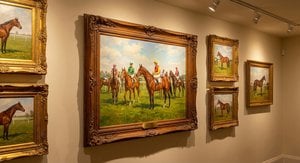
Sir Alfred James Munnings: Top 25 Majstrovských Diel pre Kolekcionárov a Milovníkov Umenia
Objavte top 25 majstrovských diel Alfreda Jamesa Munninga – britského impresionistu oslávujúceho kone a krajinu. Historické maľby, portréty koní a vojnové scény v múzejnej kvalite. Nájdite perfektnú dekoráciu interiéru na ArtsDot.com