

 Odoslať ako digitálnu kartu
 Zdieľať
 Podrobnosti o dielo
 Príručka

 Stiahnuť obraz
 Podobné položky
 Prehliadanie diapozoje
 Otázky a odpovede
 Štatistiky
Figure


 Zobraziť viac
Získajte súbor pripravený na tlač, ktorý ponúka oveľa vyššiu kvalitu než online náhľad. Každý predávaný digitálny obraz pochádza z vysokorozlíseného originálu v našej databáze – zvyčajne s šírkou 5 000 až 15 000 pixelov – takže môžete s istotou tlačiť vo veľkom formáte, vytvárať detailné výrezy alebo reprodukovať jemné detaily.
Žiadny súbor neopustí naše štúdio bez úprav. Digitálny expert kontroluje farby v porovnaní s originálnym obrazom a v prípade potreby ich opraví, následne nástrojmi na profesionálnu retuš zvyšuje mieru ostrosti a detailov — pričom vždy zostáva verný umeleckému ťahu štetca a štýlu autora. Výsledkom je obraz, ktorý pôsobí ako samotné dielo, nie ako naskenovaný snímok s filtrom.
Schvaľujete ešte pred dokončením: náš expert vám obrazový súbor do 72 hodín pošle e-mailom na kontrolu. Nie ste spokojní? Požiadajte o vylepšenia alebo opravy, prípadne si môžete vyžiadať vrátenie platby, ak kvalita nedosahuje očakávanú úroveň.
Táto kvalita je základom dôvery vydavateľov, dizajnových štúdií, galérií a tlačovníkov.
Digitálny obraz
Stiahnite si vysokorozlíšený súbor na osobné zobrazovanie, tlačenie a kreatívne projekty. ( Prepnúť na tlač Kúpiť ručne maľovaný obraz)
Súčasťou každej objednávky digitálneho obrazu
Garantovaná expertná digitálna distribúcia
Keď si vyberiete ArtsDot.com, nezískate len obyčajný obrázok – získate profesionálne upravené digitálne umenie, vytvorené s maximálnou precíznosťou a podložené zárukou vašej spokojnosti. Tu je všetko, čo je súčasťou vašej objednávky automaticky:

Rýchle doručenie e-mailom
Vaša vysokorozlíšená digitálna súprava obrázkov vám bude zaslaná e-mailom do 72 hodín od objednávky – pripravená na okamžité použitie.

Digitálny súbor s vylepšením AI
Vaše dielo je profesionálne optimalizované pomocou pokročilých nástrojov umelej inteligencie a manuálnej úpravy, čo zaručuje maximálnu mieru detailov, čistotu a presnosť farieb.

Bezplatné celoživotné opätovné doručenie
Súbor ste náhodou zmazali alebo ste ho stratili? Žiadne starosti – kedykoľvek vám ho môžeme poslať znova, úplne bez poplatkov.

Bez poplatkov za dovoz – navždy
Užite si svoje umenie okamžite bez colných poplatkov, daní alebo nákladov na dopravu – digitálne stiahnutia sú vždy oslobodené od dane.

Garantovaná presnosť farieb
Pomocou profesionálnych nástrojov a farebného manažmentu zabezpečujeme, aby vaša digitálna fotografia čo najpresnejšie odrážala pôvodné farby.

Záruka spokojnosti 100 dní
Ak nebudete spokojní so svojím digitálnym obrázkom, upravíme ho alebo vám v priebehu 100 dní vrátime 100% – bez zbytočných otázok.

100% Záruka vrátenia peňazí
Nie ste spokojní? Získajte plnú náhradu platby do 100 dní od prijatia digitálneho súboru – bez zbytočných otázok.

Zľavy pri veľkom odbere
Pri kúpe 3 obrázkov získate zľavu 10% - Pri kúpe 5 obrázkov získate zľavu 15% - Pri kúpe 10+ obrázkov získate zľavu 20%. Ideálne pre kreatívne projekty, galérie a agentúry.
A Fragmented Vision of Humanity
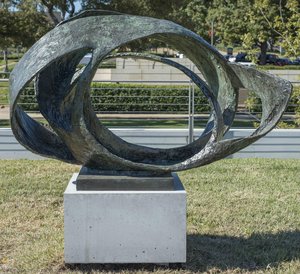
Jacques Lipchitz's "Figure," sculpted in 1930, stands as a profound testament to the transformative power of Cubism and its enduring fascination with exploring the fundamental concepts of form and perception. This bronze masterpiece transcends mere representation; it invites a deep, meditative contemplation on the very essence of human existence through a deliberately abstracted aesthetic. In an era defined by rapid societal shifts, Lipchitz utilized a fragmented language to capture the complexity of the modern soul. The sculpture presents a captivating interplay of geometric precision and organic fluidity, where the human form is not merely depicted but reconstructed through a lens of intellectual rigor and emotional depth.
The composition is a masterclass in the Cubist approach, pioneered by luminaries such as Picasso and Braque. Rather than striving for a realistic or anatomical depiction, Lipchitz dismantles the human figure into interlocking planes, presenting multiple viewpoints simultaneously. The head is rendered with striking simplicity—two oval eyes positioned above a small, triangular nose—which disrupts traditional notions of facial harmony to create a sense of enigmatic presence. Below this stylized visage, undulating vertical forms intersect with curved openings, creating a rhythmic tension between movement and stillness. This structural complexity ensures that the viewer's eye is constantly traveling across the surface, discovering new contours and depths within the bronze.
The Alchemy of Bronze and Form
The materiality of the piece is essential to its enduring impact. The choice of bronze allows for an exquisite level of detail and a rich, tactile quality that stone or wood could not achieve. Through the intricate process of bronze casting, Lipchitz was able to capture subtle variations in surface texture, from the sharp, clean edges of his geometric planes to the softer, more rounded contours of the figure's limbs. The rough, uneven patina resulting from natural oxidation lends the sculpture an ancient, weathered character, suggesting a sense of permanence and historical weight. This textured surface catches the light in a way that emphasizes the sculpture's three-dimensionality, making it a dynamic object that changes appearance depending on the surrounding illumination.
For the discerning collector or interior designer, "Figure" offers an unparalleled opportunity to introduce a piece of art history into a contemporary space. The sculpture’s neutral, earthy tones and sophisticated silhouette allow it to integrate seamlessly into various high-end environments, from minimalist modern galleries to richly textured classical studies. It serves as a powerful focal point, commanding attention through its structural integrity and the quiet strength of its presence. Owning a high-quality reproduction of this work is not merely about acquiring an object; it is about bringing a piece of the avant-garde revolution into one's personal sanctuary, fostering an atmosphere of intellectual curiosity and timeless elegance.
Otázky a odpovede
V akom médiu je vytvorené dielo „Figure“ od Jacques Lipchitz?
Jacques Lipchitz pre dielo „Figure“ použil/a techniku Bronze. Táto technika definuje materiálnu podstatu originálneho diela.
Čo všetko spája téma a atmosféra diela „Figure“ od Jacques Lipchitz?
„Figure“ zobrazuje sculpture, abstraction, bronze, geometric form, cubism style, human figure, texture, modern art a jeho zachytená nálada je Modern.
Kde môžem nájsť sprievodnú stránku k dielu "Figure"?
Sprievodca k dielu „Figure“ je stránka Sprievodca študentom pre dané umelecké dielo – ide o vytlačiteľnú informačnú listinu, ktorá zobrazuje dielo spolu s jeho popisom, uvedením autorstva a identifikačnými údajmi (umelec, dátumy, médium, pôvodná veľkosť, kolekcia).
Podobné diela




Životopis umelca
Život vytesaný zmenami: Cesta Jacques Lipchitza
Narodený ako Chaim Jacob Lipschitz v roku 1891 v litovskom meste Druskininkai, umelecký príbeh Jacques Lipchitza bol dramaticky formovaný vystieľovaním a inováciami. Jeho raný život, zakorenený v litovskej židovskej rodine, kde jeho otec pôsobil ako stavebný dodávateľ, ho spočiatku smeroval k štúdiom inžinierstva. Avšak rastúci tvorivý duch, podporovaný matkinou láskou, ho v roku 1909 pohnal do Paríža – mesta, ktoré v tom čase pulzovalo umeleckou revolúciou. Študoval na École des Beaux-Arts a Académie Julian, pričom sa plne ponoril do živých komunít Montmartre a Montparnasse. Práve v týchto kruhoch nadviazał priateľstvá s luminármi ako Juan Gris, Pablo Picasso a Amedeo Modigliani – pričom ten druhý je známy tým, že zachytil Lipchitza a jeho manželku Berthe v dojmovom dvojité portréte. Tieto rané väzby boli kľúčové a položili základy pre Lipchitzovo prijatie kubizmu, hoci bol tento štýl jasne poznamenaný jeho vlastnou citlivosťou.Kryštalizácia formy: Lipchitz a kubistická sochárstvo
Lipchitz nepreložil maľbu len do troch dimenzií; on kubizmus vytesal. Hoci bol hlboko ovplyvnený rozbitými perspektívami Picassa a Braqueho, Lipchitz si vo svojej tvorbe až do približne rokov 1915–16 zachoval pozoruhodnú mieru figuratívnosti. Jeho sochy neboli úplne abstraktné; naznačovali rozpoznateľné tvary preplnené pocitom emocionálnej váhy. Tento smer zvrat sa vyvinul do toho, čo sa neskôr stalo známe ako „kryštálový kubizmus“ – štýl vyznačujúci sa fazetovaním a priehľadnosťou, čo bol pokus zachytiť viacero pohľadov súčasne v rámci jednej formy. Experimentoval s rozbitím priestoru a vytváral dynamické kompozície, ktoré sa zdali žiariť vnútorným svetlom. Jeho sólová výstavba z roku 1920 v Paríži v Galérii L'Effort Moderne Leonca Rosenberga upevnila jeho pozíciu významnej postavy Parískej školy a predstavila tento jedinečný sochársky jazyk. Diela ako „Harlekýn s klarinetom“ epitomizujú toto obdobie, zobrazujúc fragmentované tvary, ktoré napriek všetkému dokážu vyjadriť pocit hravého vžitku a ľudskej prítomnosti. On nekonštruoval len deštrukciu formy; on ju znovu budoval podľa novej vizuálnej logiky.Exil a reinventácia: Nový svet, obnovená vízia
Prichádzajúci tieň druhej svetovej vojny priniesol do Lipchitzovho života hlbokú otravu. Keď nacistický režim sprísnil svoj réž v Európe a prenasledovanie Židov sa zintenzívnilo, bol donútený opustiť svoju adoptovanú vlast. Vďaka neoceniteľnej pomoci amerického novinára Variana Fryho v Marseille unikol do Spojených štátov, kde sa nakoniec usadil v New Yorku a neskôr v Hastings-on-Hudson. Táto relokácia nebola len geografickým presunom; znamenala zlom v jeho umeleckej trajektórii. Hoci pokračoval vo výskume kubistických princípov, Lipchitzova práca začala nadobúdať nové dimenzie, odrážajúce trauma exilu a rastúcu angažovanosť v existenčných témach. Vytvoril monumentálne sochy ako „Zrod múz“ (1944–1950), ktoré boli vytvorené na pamiatku Jeromeho Wiesnera, čím demonštroval svoju majstrosť v práci s bronzom a schopnosť vyjadriť hlboké emócie prostredníctvom abstraktných tvarov.Neskoré reflexie: Viera, odkaz a toskánsky útočisko
V svojich neskorších rokoch zažíval Lipchitz hlbšie spojenie so svojou židovskou vierou, pričom sa k náboženskej praxi vrátil s obnoveným zapaľom – dokonca denne študoval a nosil tefillin na naliehanie lubavického rebe, rabína Menachema Schneersona. Toto duchovné prebudenie vnieslo do jeho diela novú vrstvu významu. Často sa vrátil do Európy, kde našiel útechu a inšpiráciu v talianskej Pietrasante, kde si vytvoril blízke priateľstvo so spolusochárkom Fiore de Henriquezom. Jehoি autobiography, spísaná s H. Harvardom Arnasonom a vydaná v roku 1972 spolu s výstavou v Metropolitan Museum of Art, ponúkla dojmovú reflexiu jeho života a umeleckej cesty. Jacques Lipchitz zomrel v roku 1973 na Capri vo Taliansku, ale jeho telo bolo odnesené do Jeruzalema na pochovanie – čo je dôkazom jeho hlbokého spojenia s jeho dedičstvom. Jeho toskánska vila Bozio dnes slúži ako židovský letný tábor, čím zabezpečuje, že jeho odkaz bude naďalej inšpirovať budúce generácie. Nezaudal po sebe len mimoriadne bohaté sochárske dielo, ale aj silný príklad umeleckej odolnosti a neochvejne trvajúceho ľudského ducha.
Jacques Lipchitz
1891 - 1973 , Litva
Základné informácie
- Artistic Movement Or Style: Kubizmus, Kryštálový kubizmus
- Artists Who Influenced This Artist:
- Pablo Picasso
- Juan Gris
- Date Of Birth: 1891
- Date Of Death: 1973
- Full Name: Jacques Lipchitz
- Nationality: Lithiánsko-francúzsko-americký
- Notable Artworks:
- Acrobat na kobyle
- Hudobné nástroje
- Gitarista
- Pierrot
- Arlekín s klarinetom
- Muž s gitarou
- Zrod múz
- Place Of Birth: Druskininkai, Litva