


 Náhľad
 Odoslať
 Zdieľať
 Podrobnosti o dielo

 Stiahnuť
 Podobné diela
 RTG skúška
 Prezentácia
Grainfields


 Zobraziť viac
Ručne maľovaná olejová reprodukcia
Ručne maľovaný olej na plátne vo vašej zvolenej veľkosti a v ráme, vyrobený na mieru našimi umelcami. ( Kúpiť tlač Kúpiť obrázok)




P118B $10

P118H $10

P118W $10

P438Z $10

P508JH $12

P508YH $12

P805H $10

P805Z $10

P919BZ $10

P919G $10

P919XJ $10

P959ZH $10

P968JZ $12

W106C $8

W218G $10

W218JH $8

W218Y $10

W307PJ $10

W316G $10

W316PJ $8

W316Y $10

W398PJ $8

W4111J $10

W500HY $15

W500JH $15

W692G $12

W849H $8

W940BG $15

W953PJ $8




Vyberte si z našich preddefinovaných rozmerov, ktoré zodpovedajú pôvodným pomeroḿ diela.

Môžete zadať vlastné rozmery tak, aby sa hodili do konkrétneho rámu alebo priestoru. Ak sa váš zvolený rozmer nezhoduje s pôvodnými proporciami obrazu, dielo buď orezáme, alebo ho doplníme ručne maľovanými prvkami. Pred začiatkom výroby vám zašleme digitálny náhľad na schválenie.
Upozorňujeme, že ukážka na obrazovke neodráža skutočné orezanie alebo doplnenie. Skutočnú finálnu kompozíciu zobrazuje iba digitálny náhľad.
Hoci sú k dispozícii vlastné rozmery, odporúčame vybrať rozmer z preddefinovaného zoznamu, aby sme zachovali pôvodné proporcie.
Po odoslaní objednávky vám tím ArtsDot.com pošle e-mail s pokynmi a poskytne náhľad na návrh.
Celosvetová doprava () za 3 až 4 týždne namiesto štandardných 5 týždňov. (24 august). Bez kompromisov v kvalite.

Bezplatná expresná doprava po celom svete

Prémiové lnianske plátno

Kompletné poistenie prepravy

Záruka vrátenia colného poplatku

Záruka presného farebného zhodnutia

60-dňá politika vrátenia (iba pri defektoch)

100% záruka vrátenia peňazí

Výhodná množstevná zľava
 Možnosť skla je dostupná len pri rozmeroch pod 110 cm

Grainfields
Technika reprodukcie
Veľkosť reprodukcie
-


Celková cena za vybrané možnosti
$ 263
Popis diela
A Moment Frozen in Time: Exploring Jacob van Ruisdael’s “Grainfields”
Jacob van Ruisdael's "Grainfields," painted around 1665, isn’t merely a depiction of a rural Dutch landscape; it’s a profound meditation on the relationship between humanity and nature, a quiet drama unfolding beneath an expansive sky. This remarkable work, now housed within the Metropolitan Museum of Art in New York, offers a glimpse into the heart of the Dutch Golden Age – a period defined by burgeoning prosperity, artistic innovation, and a deep appreciation for the beauty of the natural world. Ruisdael, considered the pre-eminent landscape painter of his era, masterfully captures not just the visual elements of the scene but also an underlying sense of serenity and timelessness that continues to resonate with viewers today.The Canvas as Window: Composition and Technique
Ruisdael’s genius lies in his ability to create a remarkably immersive experience within the confines of a canvas. The composition is deceptively simple, yet profoundly effective. A gently sloping road, barely discernible amidst the undulating grainfields, draws the eye into the heart of the scene. Two figures – likely laborers tending their harvest – stand at the field’s edge, small and unassuming against the vastness of the landscape. Their presence isn't intrusive; rather, they serve as anchors, grounding us in this world while simultaneously emphasizing its scale and solitude. The artist employs a technique characterized by subtle gradations of light and shadow, creating an atmospheric depth that is both realistic and dreamlike. Notice how he uses broken brushstrokes to suggest the texture of the earth, the rustle of the grain, and the hazy distance of the horizon. Crucially, Ruisdael’s decision to dominate the composition with the sky – occupying nearly two-thirds of the canvas – elevates the scene beyond a simple depiction of farmland. It imbues the landscape with a sense of grandeur and spiritual significance, echoing the vastness of God's creation.Echoes of History: Context and Influences
To understand “Grainfields,” it’s essential to consider its historical context. The Dutch Golden Age witnessed an unprecedented economic boom fueled by trade and agriculture. Landscapes like this one weren’t simply decorative; they reflected a national identity deeply rooted in the land. Ruisdael, influenced by earlier landscape painters such as Cornelis Vroom and Allart van Everdingen, built upon established traditions while forging his own distinctive style. His trip to Germany in 1650 exposed him to new artistic influences, particularly the dramatic lighting and atmospheric perspective of Northern European masters. The painting also reflects a broader shift in Dutch society – a growing interest in secular subjects alongside traditional religious themes. The focus on everyday life, as depicted here, signaled a move away from solely didactic art towards works that celebrated beauty and offered moments of contemplation.Symbolism and Emotional Resonance
Beyond its technical brilliance, “Grainfields” is rich in symbolic meaning. The figures at the edge of the field represent humanity’s connection to the land – a relationship built on labor, resilience, and an understanding of nature's rhythms. The windmill, a ubiquitous symbol of Dutch ingenuity and prosperity, stands as a testament to human adaptation and mastery over the environment. However, there is also a sense of melancholy in the scene, perhaps reflecting the hardships of rural life or the fleeting nature of time. The overcast sky hints at an impending storm, suggesting that even in this seemingly idyllic landscape, forces beyond our control are always present. Ultimately, “Grainfields” evokes a feeling of quiet contemplation – a reminder to appreciate the beauty and fragility of the natural world and to find solace in its enduring presence.Bringing Ruisdael Home: Reproductions and Interior Design
Reproductions of "Grainfields" offer a remarkable opportunity to bring this iconic work into your home or office. When selecting a print, consider the quality of the reproduction – seek out options that accurately capture the subtle nuances of Ruisdael’s brushwork and atmospheric effects. The painting's muted palette—dominated by earthy browns, greens, and grays—works beautifully in a variety of interior settings. It complements both rustic and contemporary styles, adding a touch of timeless elegance and contemplative serenity to any space. Whether displayed as a statement piece or incorporated into a larger gallery wall, “Grainfields” is sure to become a cherished focal point, inviting viewers to pause, reflect, and connect with the enduring beauty of the Dutch countryside.Podobné diela


Biografia umelca
Život a prvé kroky Jakuba Isaakszoona van Ruysdaela
Jakub Isaakszoon van Ruysdael, rodený v Haarleme v roku 1628, patrí medzi najvýznamnejších holandských krajinárov Zlatého veku. Jeho život bol síce pomerne málo zdokumentovaný, no jeho dielo hovorí samo za seba – je to svedectvo o pozoruhodnom talente a citlivosti pre prírodné krásy Holandska. Ruysdael nepochádzal z umeleckej rodiny; jeho otec bol majiteľom maliarskeho obchodu, čo mu však poskytlo skorý prístup k materiálom a prostrediu umenia. Jeho rané diela naznačujú vplyv krajinárov ako Hendrick Vroom, ale Ruysdael sa rýchlo vydal vlastnou cestou, hľadiac inšpiráciu priamo v prírode.
Krajinárska virtuozita a umelecký štýl
Ruysdael bol nesmierne plodný maliar, ktorý vytvoril rozsiahly korpus diel zobrazujúcich rozmanité krajinné scenérie Holandska. Od pokojných vidieckych pohľadov až po dramatické vodopády a panoramatické mestské výhľady – jeho tvorba je pozoruhodná svojou všestrannosťou. Po ceste do Nemecka v roku 1650 sa jeho krajiny začali vyznačovať heroickejším charakterom, s monumentálnejšími kompozíciami a výraznejšou hloubkou priestoru. V neskorších dielach, vytvorených v Amsterdame, dominujú rozsiahle mestské panorámy a morské scenérie, kde obloha často zaberá až dve tretiny plátna. Jeho majstrovstvo spočíva v schopnosti zachytiť svetlo a atmosféru, vytvárajúc realistické a zároveň poetické zobrazenia prírody.
Významné diela a charakteristické prvky
Medzi jeho najznámejšie práce patrí Pohľad na Haarlem s bieliacimi plátnami, kde s precíznosťou zachytáva každodenný život holandského mesta, Vodopád v skalnatej a hornatej krajine, ktorý demonštruje jeho zručnosť v zobrazovaní dynamických prírodných síl, a Pohľad na Dam a Damrak v Amsterdame, kde sa prejavuje jeho talent pre mestskú krajinu. Ruysdaelove diela sú charakteristické realistickým vykreslením detailov, ale aj hlbokým emocionálnym nábojom. Jeho oblohy nie sú len kulisou, ale aktívnym prvkom kompozície, ktorý ovplyvňuje celkovú atmosféru obrazu.
Vplyv a odkaz pre budúce generácie
Ruysdaelov vplyv na vývoj krajinárskeho umenia je nesmierny. Jeho diela inšpirovali anglických romantikov, ako aj členov Barbizonskej školy vo Francúzsku a predstaviteľov Hudson River School v USA. Jeho prístup k prírode – založený na priamom pozorovaní a citlivom zachytávaní atmosféry – ovplyvnil generácie holandských krajinárov. Ruysdael nebol len maliar, ale aj vizionár, ktorý dokázal v jednoduchých krajinných scenériach odhaliť hlbokú krásu a poetickú silu prírody.
Museum and Collections
- The National Gallery in London
- The Rijksmuseum in Amsterdam
- The Hermitage Museum in St. Petersburg
Dielo Jakuba Isaakszoona van Ruysdaela je dodnes obdivované pre svoju realistickú krásu, emocionálnu hĺbku a trvalý vplyv na dejiny umenia.

Jakob Isaaksz. Van Ruisdael
1628 - 1682 , Holandsko
Základné informácie
- Artistic Movement Or Style: Zlaté storočie holandska
- Artists Or Movements Influenced By This Artist: ['Anglickí romantici']
- Artists Who Influenced This Artist: ['Hendrick Vroom']
- Date Of Birth: 1628, Haarlem
- Date Of Death: 1682, Amsterdam
- Full Name: Jacob Isaackszoon van Ruisdael
- Nationality: Holanďan
- Notable Artworks:
- Pohľad na Haarlem
- Vodopád v skale
- Amsterdam - Damrak
- Place Of Birth (City And Country): Haarlem, Holandsko
Súvisiace články

Top 10 majstrovských diel holandskej Zlatej éry: Umění pre váš domov s ArtsDot.com
Ponorte sa do sveta holandskej Zlatej éry s ArtsDot.com! Objavte príbehy Rembrandta, Vermeera a ďalších majstrov baroka. Reprodukcie obrazov pre váš domov – inšpirujte sa nadčasnými dielami. Preskúmajte kolekciu online!

Jacob van Ruisdael: Master of Dutch Landscape & the Evocation of National Identity
Explore the life & work of Jacob van Ruisdael, the preeminent Dutch landscape painter. Discover his technical brilliance, symbolic depth, and lasting influence on art history. Learn about collecting Ruisdael's masterpieces.

Golden Light & Dutch Skies: Bringing the Magic of Dutch Golden Age Landscapes into Your Home
Transform your home with the breathtaking light of Dutch Golden Age landscapes. Discover how hand-painted oil reproductions of masterworks like Ruisdael and Vermeer bring timeless elegance, atmosphere, and soulful texture to modern interiors. Elevate your space with museum-quality art.

Charles Leickert: Capturing the Dutch Golden Age Light – A Comprehensive Study of Technique, Context, and Legacy
Explore the captivating winter landscapes of Charles Leickert, a master of Dutch Golden Age light & atmosphere. Discover his techniques, symbolism, and lasting legacy – a comprehensive study for art enthusiasts and collectors.
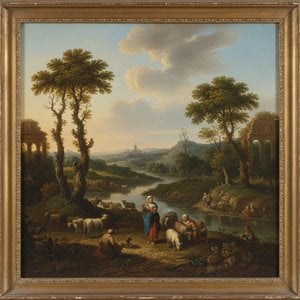
Nicolaes Berchem: Dutch Golden Age Pastoralism & the Evolution of Landscape Painting
Explore the captivating world of Nicolaes Berchem, a leading Dutch Golden Age painter. Discover his idyllic landscapes, masterful technique & lasting influence on art history. Learn more at ArtsDot.



