

The picture follows your choices: , .
Biografia umelca
Objavte dojímavé žánrové malby Isidora Kaufmanna zachytávajúce židovský život vo východnej Európe. Preskúmajte jeho evokatívne diela zobrazujúce hašidské komunity a historické momenty.
 Zobraziť viac
Ručne maľovaná olejová reprodukcia
Ručne maľovaný olej na plátne vo vašej zvolenej veľkosti a v ráme, vyrobený na mieru našimi umelcami. ( Prepnúť na tlač Prepnúť na digitálny obraz)
More about this painting
 Náhľad v interiéri
 Odoslať ako digitálnu kartu
 Zdieľať
 Podrobnosti o dielo
 Príručka

 Stiahnuť obraz
 Podobné položky
 RTG skúška
 Prehliadanie diapozoje
 Q&A
Q&A Štatistiky
Order your painting in four simple steps
Take your time. You can change any answer; the price in your order card follows each choice.
1 Step one of four
Which size would you like?
These sizes keep the proportions of the original painting. The drawing shows your choice on a wall, above a two-metre sofa.
Or give your own measurements
Vyberte si z našich preddefinovaných rozmerov, ktoré zodpovedajú pôvodným pomeroḿ diela.

Zadajte šírku a výšku, ktoré potrebujete, aby sa dielo hodilo k vášmu rámu alebo stene. Keďže ide o ručnú maľbu, pri rozmeroch s odlišným pomerom strán môže umelec namalovať o niečo viac okolo obrázka alebo ho mierne orezatú — výber patrí vám. Pred začatím maľovania vám pošleme digitálnu ukážku na schválenie. Obrázok zobrazený na tejto stránke nenahrádza reálny výsledok — ten zobrazuje iba digitálna ukážka.
2 Step two of four
How should it be prepared: rolled, stretched or framed?
The prices below are for the size you chose in step one.
Choose the edges of the stretched canvas
Choose your frame

White €1

Blurside €1

Extended €1

P118B €10

P118H €10

P118W €10

P438Z €10

P508JH €12

P508YH €12

P805H €10

P805Z €10

P919BZ €10

P919G €10

P919XJ €10

P959ZH €10

P968JZ €12

W106C €8

W218G €10

W218JH €8

W218Y €10

W307PJ €10

W316G €10

W316PJ €8

W316Y €10

W398PJ €8

W4111J €10

W500HY €15

W500JH €15

W692G €12

W849H €8

W940BG €15

W953PJ €8

H24-GOLD €30

H24-SILVER €30

H36-GOLD €45

H36-SILVER €45
V rámoch
Moulding: . Overall size with the frame: .
3 Step three of four
Would you like anything changed in the painting?
Most people answer no. Because each painting is made by hand, our artist can also adapt it for you.
After order, ArtsDot.com team will email client for instructions and provide a mockup preview
4 Step four of four
A few finishing options
All of them are optional. The answers already selected cost nothing extra.
Who paints it?
Celosvetová doprava () za 3 až 4 týždne namiesto štandardných 5 týždňov. (2 november). Bez kompromisov v kvalite.
A nameplate, as in a museum?
Detaily vygravírovaného bronzového pláka
This elegant plaque features the artist's name and the title of the artwork, finely engraved for a timeless presentation.
It is made from bronze with a refined, elegant finish. The text is precisely laser-engraved for a sharp and permanent result. Measuring 9x2 cm, the plaque is compact yet easy to read. It's built to be durable and scratch-resistant, offering a professional, museum-quality look. Mounting is simple thanks to the included adhesive backing.
Detaily transparentnej akrylovej plăty
The plaque includes essential engraved details such as the artist's name, the title of the artwork, the date it was created, the type of media used-like oil on canvas or watercolor-a brief description of the piece, and a QR code that links to the complete artwork information.
It is crafted from clear acrylic, offering a sleek, modern appearance. The text is UV-engraved in black to ensure strong visual contrast. With a size of 10x15 cm, it ensures optimal readability. It comes equipped with two metal hooks for secure wall mounting. The plaque is designed to be weather-resistant, making it suitable for various environments, and it includes interactive features that work seamlessly with smartphone scanning.
Detaily čiernej akrylovej plăty
This elegant plaque includes engraved information such as the artist's name, the title of the artwork, the date it was created, the type of media used (like oil on canvas or watercolor), a short description of the artwork, and a QR code for quick access to more information.
The plaque itself is made from refined black acrylic with a premium finish. The text is laser-engraved in white for high contrast and readability. Its size is 10x15 cm, designed to be easy to read. It comes with two metal hooks for professional mounting. The design is sleek and fits any interior style. It is also weather-resistant and durable, with built-in digital integration for mobile compatibility.
A protective varnish?
When do you need it?
✓ Check and order
Your painting, as you ordered it

Untitled
Technika reprodukcie
Veľkosť reprodukcie
-

Výborne skúsený umelec
Viac detailov, jemnosti a dodatočného času na výrobu
-

Rámovanie reprodukcie
-
-
V prípade umeleckých diel alebo reprodukcií, ktorých ktorákoľvek strana je väčšia ako 105 cm (cca 41 palcov), sa rám dodáva v rozloženom stave ako sada. Táto metóda zabezpečuje bezpečnú доставu a chráni pred poškodením počas prepravy.
Vyžaduje sa odborná montáž – toto nie je produkt na vlastnú prípravu (DIY).
Sada musí byť zmontovaná a plátno napnuté skúseným profesionálnym rámovaníkom, s použitím drevárneho lepidla (nie je súčasťou sady), klieš na napínanie plátna a svoriek na udržanie prav角的 rámov počas schnutia lepidla. Nesprávna montáž alebo nerovnomerné napnutie plátna môže trvalo poškodiť umelecké dielo, čo nie je kryté našou zárukou.
 V prípade umeleckých diel alebo reprodukcií, ktorých ktorákoľvek strana je väčšia ako 105 cm (cca 41 palcov), sa rám dodáva v rozloženom stave ako sada. Táto metóda zabezpečuje bezpečnú доставu a chráni pred poškodením počas prepravy.
Všetky lišty z masívneho dreva sú súčasťou balenia, presne narezané na mieru.
Montuje sa pomocou súčasťou balenia dodaných skrutiek, plus drevolepu na spoje v rohoch, ktorý nie je súčasťou balenia a musí si ho zabezpečiť váš montážnik.
Vyžadujú sa profesionálne nástroje, ktoré nie sú súčasťou sady: kliešte na napínanie plátna (napínací nástroj) a svorky na udržanie pravých uhlov rámov počas schnutia lepidla.
Dôležité:
Spoje v rohoch si vyžadujú lepidlo na drevo, tyče je potrebné upevniť pomocou svoriek, kým lepidlo úplne newyschne, a napnutie plátna na zostavený rám si vyžaduje klieže na napínanie plátna. Žiadna z týchto pomôcok nie je súčasťou sady. Pred objednaním tejto veľkosti si, prosím, zabezpečte skúseného odborníka na zakladanie rámov.

Popisné označenie
-
-

Ochranný lak
Lesklý lak (zvýrazňuje farby, chráni pred svetlom a vlhkosťou)
-

Prispôsobiť moje dielo
Príklady možností úprav: nahradenie tváre vlastnou fotografiou; pridanie domáceho zvieraťa (napr. nahradenie mačky psom); vloženie skrytého odkazu do pozadia; zmena krajiny alebo prvkov v pozadí.
-

Prioritné doručenie
Celosvetová doprava () za 3 až 4 týždne namiesto štandardných 5 týždňov. (2 november). Bez kompromisov v kvalite.
-
Rýchle doručenie
Celosvetová doprava do za 5 týždňov. (9 november).
V cene
Celková cena
€ 234
Možnosť skla je dostupná len pri rozmeroch pod 110 cm
Included with every order
- Bezplatná expresná doprava po celom svete
- Vysokokvalitné lnianske plátno
- Kompletné poistenie prepravy
- Záruka vrátenia colného poplatku
- Záruka presného farebného zhodnutia
- 100-dená politika vrátenia tovaru (iba pri vadách)
- 100% záruka vrátenia peňazí
- Zľava pri väčšom množstve


Podobné diela


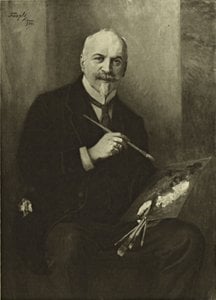
Izidor Kaufmann
1853 - 1921, Rumunsko
Biografia umelca
Kronikár zaniknutého sveta
Isidor Kaufmann predstavuje výnimočnú postać v dejinách ábstrsko-uhorského umenia, známu svojimi dojmovými žánrovými maľbami, ktoré zachytávajú každodenný život a duchovné tradície hasidských komunít v Poľsku a Rumlovensku. Narodený v roku 1853 v Arade v Uhorsku – dnes súčasť Rumunska – do židovskej maďarskej rodiny, prešiel Kaufmannova umelecká cesta náhodnými udalosťami, ktoré ho nakoniec vyniesli medzi najvýznamnejších kronikárov židovskej kultúry konca 19. storočia. Hoci spočiatku smeroval k obchodnej kariére, jeho skutočné poslanie sa prejavilo počas krátkeho štúdia na Landes-Zeichenschule v Budapešti. Tento raný zárodok v nej zapálil celoživotnú vášeň, ktorá ho priviedla na prestížnu Viedenskú akadémiu krásnych umení, kde si napriek počiatočným prekážkam precvičoval svoje schopnosti pod prísnym vedením profesora Trenkwalda.
Keď sa vo veselej atmosfére Viedne ugruntal ako zdatný portrétista, Kaufmann si osvojil štylistické vplyvy takých velikánov ako Joseph Matthäus Aigner. Jeho tvorba začala odrážať sofistikovanú kombináciu akademickej tradície a rodiacaceho sa realizmu, ktorého zastupoval impresionizmus. Tento jedinečný technický základ mu umožnil prekonať hranice čystej reprezentácie a zachytiť hlbokú psychologickú hĺbku a duchovnú váhu svojich predmetov. Jeho majstrovstvo v technike chiaroscuro – dramatickej hre svetla a tieňa – sa stalo jeho vlastným znakom, ktorý dodáva jeho zobrazeniam náboženského štúdia a komunitných rituálov takmer posvätnú atmosféru.
Majstrovské dielo cisárovskej uznania
Zlom v Kaufmannovej kariére prišiel s monumentálnym zastrácaním pre dielo „Der Besuch des Rabbi“ (Rabínova návšteva), ktoré bolo tak významné, že si ho sám cisár František Jozef I. objednal pre Kunsthistorisches Museum. Táto maľba slúži ako definitívny dôkaz jeho schopnosti prepletať minutičkové detaily s hlbokou emocionálnou rezonanciou. Prostredníctvom tohto plátna Kaufmann dokázal, že nebol len pozorovateľom tradície, ale majstrom schopným zachytiť samotnú podstatu ľudskej skúsenosti v špecifických kultúrnych kontextoch. Úspech tohto diela upevnil jeho reputáciu v celej Európe a označil ho za umelca, ktorý dokázal pozdvihnúť etnografickú tému do výšin vysokého umenia.
Jeho tvorba je charakteristická intímnym pohľadom do samého srdca výchdeurópskeho židovského života. Či už portrétoval kontemplatívny pokoj učenca alebo tichú intenzitu mladosti, Kaufmannove maľby fungujú ako okná do sveta, ktorý prechádzal hlbokými historickými zmenami. Medzi jeho najvýznamnejšie práce patria:
- Schachspieler (Šachisti): Úpoločnivé zobrazenie kontemplatívneho okamihu rituálnej hry, ktoré demonštruje jeho schopnosť nájsť krásu v každodenných komunitných interakciách.
- Kabalista: Portrét z roku 1910, ktorý zachytáva židovského učenca hlboko ponoreného do mystických štúdií, ilustrujúc umelcovu zručnosť v zobrazení duchovnej oddanosti.
- Portrét mladého muža: Intímna žánrová maľba z roku 1901, ktorá využíva intenzívny pohľad na to, aby ponúkla pohľad do kultúrnej identity danej éry.
- Portrét Isidora Gewitscha: Majstrovský príklad akademického realizmu, zachytávajúci dôstojnosť a tiché rozjímanie staršieho muža s nadčasovou eleganciou.
Odkaz a historický význam
Historický význam Isidora Kaufmanna spočíva v jeho úlohe vizuálneho historika. Jeho maľby slúžia ako životne dôležitý, evokatívny záznam hasidského života a židovských tradícií počas ich posledných, žiarivých rokov vo východnej Európe pred búrkami 20. storočia. Pod jeho štetcom sú textúry ťažkých čiernych kabátov, žiarenie svieč na starovekých textoch a vznešenosť náboženského rituálu uchované s takmer hmatateľnou jasnosťou. Kaufmann nemal len maľovať scény; zachytil dušu kultúry a zabezpečil, aby dôstojnosť, intelekt a duchovná bohatosť týchto komunít zostali navždy vrytými v kronikách dejín umenia.