

 Zobraziť v interiéri
 Odoslať
 Zdieľať
 Podrobnosti
 Príručkovo

 Stiahnuť
 Podobné položky
 RTG skúška
 Prehliadanie diapo\]
 Štatistiky
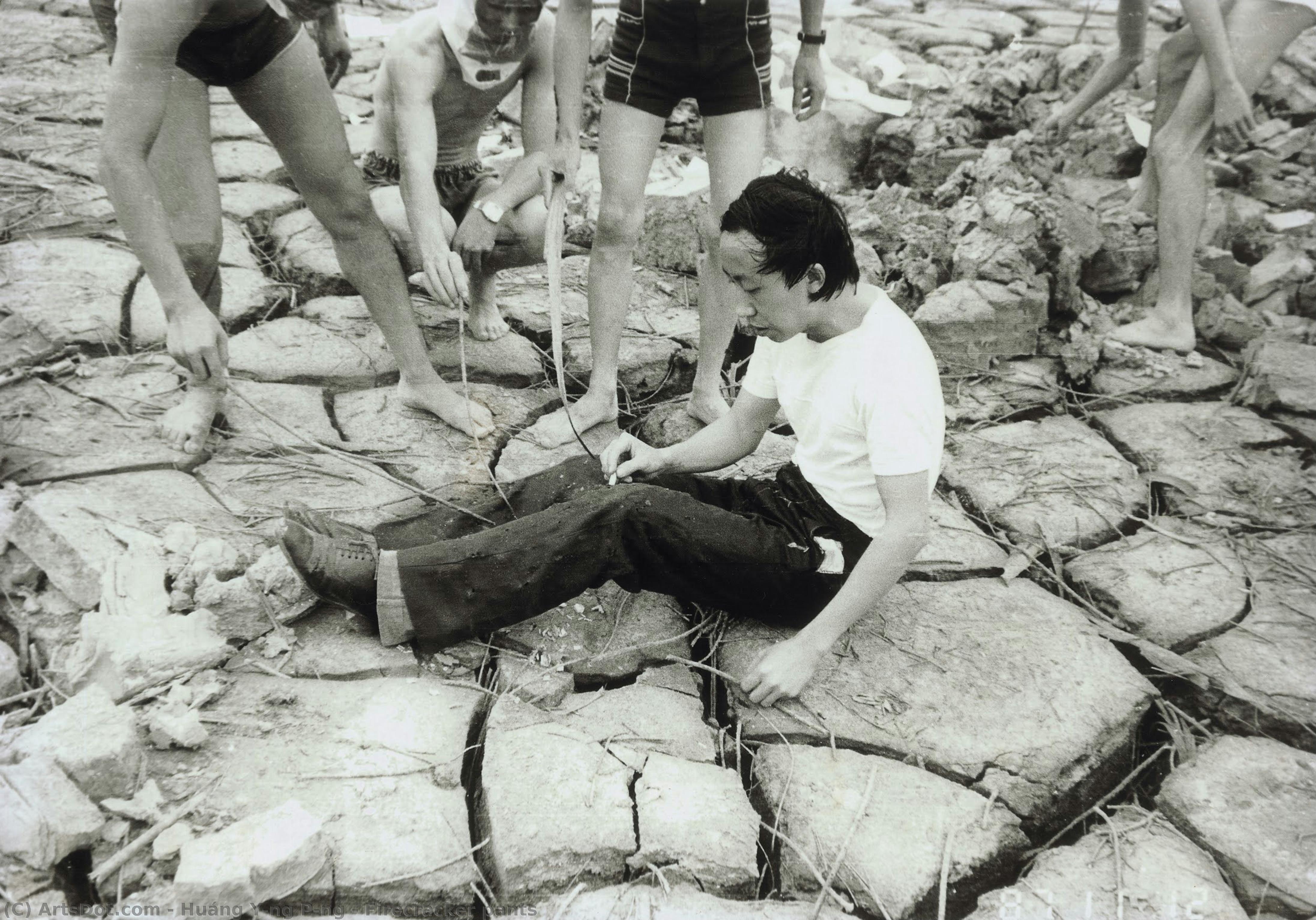
Firecracker pants

 Prečítať si viac
Giclée / Umenotlač
Giclée tlač alebo plátno múzeálnej kvality s rýchlou výrobou a rôznymi možnosťami povrchovej úpravy. ( Objednať ručne maľovanú reprodukciu Prepnúť na digitálnu verziu obrazu)




































Vyberte si z našich preddefinovaných rozmerov, ktoré zodpovedajú pôvodným pomeroḿ diela.

Môžete zadať vlastné rozmery, aby sa reprodukcia prispôsobila konkrétnemu rámu alebo priestoru. Ak zvolená veľkosť nebude zodpovedať proporciám originálu, dielo buď orežeme, alebo obraz rozšírime pomocou zrkadlenia či farebného doplnenia okrajov. Pred začatím výroby vám pošleme digitálnu ukážku na schválenie.
Máte na vedomí, že náhľad na obrazovke neodzrkadľuje skutočné orezanie alebo rozšírenie. Len digitálna ukážka presne zobrazí finálnu kompozíciu.
Hoci sú k dispozícii vlastné rozmery, pre zachovanie pôvodných proporcií odporúčame vybrať si rozmer z vopred definovaného zoznamu.
Celosvetová doprava () do 2 týždňov namiesto štandardných 4 až 5 týždňov. (24 september)

Bezplatná expresná doprava po celom svete

Vysokokvalitné lnianske plátno

Úplné poistenie prepravy

Záruka vrátenia colného poplatku

Záruka presného farebného zhodnutia

100-dená politika vrátenia tovaru (iba pri vadách)

100% záruka vrátenia peňazí

Ponuka množstevnej zľavy
 Možnosť skla je dostupná len pri rozmeroch pod 110 cm

Firecracker pants
Giclée / Umenotlač
Veľkosť reprodukcie
-


Celková cena
$ 62
Súvisiace diela


Biografia umelca
The Provocative Architect of Chaos: The Life and Legacy of Huang Yongping
In the turbulent landscape of late twentieth-century contemporary art, few figures loomed as large or as enigmatically as Huang Yongping. Born in Xiamen, China, in 1954, Huang emerged not merely as a creator of objects, but as a strategist of disruption. His journey began in the aftermath of the Cultural Revolution, entering the Zhejiang Academy of Fine Arts in 1977—the very first class to attend after decades of profound social upheaval. This formative period instilled in him a deep-seated fascination with the malleability of identity and the instability of political and cultural dogmas. As he navigated the burgeoning avant-garde scene in China, Huang became a central figure in the Xiamen Dada movement, a radical collective that sought to dismantle traditional artistic hierarchies through humor, irreverence, and a profound commitment to the concept of "anti-art."
The essence of Huang’s practice was rooted in a deliberate collision of worlds. He famously described his methodology as utilizing “the East to fight the West... and the West to fight the East.” This dialectical approach allowed him to navigate the complexities of being an immigrant and a global citizen after moving to Paris in 1989. His work was never static; it was a continuous process of transformation, much like the physical materials he often manipulated. He was deeply moved by the radical experimentation of Marcel Duchamp, the chance operations of John Cage, and the ritualistic materiality of Joseph Beuys. From these masters, he inherited a belief that art should function as a tool for social critique and strategic intervention, rather than a mere pursuit of aesthetic beauty.
A Methodology of Transformation and Erasure
To encounter a Huang Yongping installation is to enter a space where the boundaries between permanence and decay are blurred. His work often eschewed the traditional canvas in favor of large-scale, immersive environments that challenged the viewer's perception of reality. One of his most iconic—and physically visceral—techniques involved the use of washing machines to wring newspapers and books, a process that literally bled the ink from the written word, reducing history and information to a chaotic, dark slurry. This act of erasure served as a powerful metaphor for the fragility of memory and the volatility of political truth.
His artistic evolution can be viewed through several conceptual lenses:
- The Dismantling of Tradition: In his early years, Huang utilized absurdity to negate established artistic tropes, much like the Duchampian ready-made, stripping objects of their original context to reveal new, often unsettling, meanings.
- The Exploration of Subjectivity: As his career progressed, he moved toward "anti-self-expression," investigating the limits of individual experience and the ways in which the self is constructed or deconstructed by external cultural forces.
- Materiality and Symbolism: Through works like 100 Arms of Guanyin, he bridged the gap between religious iconography and industrial objects, creating a tension between the sacred and the mundane.
Global Recognition and Enduring Significance
Huang Yongping’s impact resonated far beyond the borders of China, earning him a permanent place in the canon of international contemporary art. His international breakthrough at the landmark Magiciens de la Terre exhibition in Paris in 1989 signaled the arrival of a powerful new voice capable of navigating the global stage. Throughout his career, he was honored with prestigious accolades, including being named a Knight of the Order of Arts and Letters by the French Ministry of Culture and receiving the UNESCO Prize for the Promotion of the Arts.
His presence in the world's most esteemed institutions—from the Guggenheim Museum in New York to the Centre Pompidou in Paris—testifies to his profound influence. Even as his works were often too massive or ephemeral for the traditional auction circuit, his legacy remains anchored in the museums and permanent collections that house his transformative installations. Huang Yongping passed away in Paris in 2019, but he left behind a blueprint for how art can serve as a site of resistance, a laboratory for cultural collision, and a profound interrogation of what it means to exist within the flux of history.

huáng yǒng pīng
1954 - 2019 , China
Rýchle fakty
- Artistic Movement Or Style: Avant-garde art
- Artists Or Movements Influenced By This Artist: ['Magiciens de la terre']
- Artists Who Influenced This Artist:
- Joseph Beuys
- John Cage
- Marcel Duchamp
- Date Of Birth: February 18, 1954
- Date Of Death: October 20, 2019
- Full Name: Huang Yongping
- Nationality: Chinese-French
- Notable Artworks:
- Chariot du cycle des 60 ans
- The Beard was Easiest to Burn
- Firecracker pants
- Place Of Birth: Xiamen, China