

 Odoslať ako digitálnu kartu
 Zdieľať
 Podrobnosti o dielo
 Príručka

 Stiahnuť obraz
 Podobné položky
 Prehliadanie diapozoje
 Otázky a odpovede
 Štatistiky
Square tray with

- 22.0 x 17.0 cm


 Zobraziť viac
Umelecké dielo zobrazené na tejto stránke je chránené autorským zákonom, čo znamená, že nemôžeme legálne vytvárať ani predávať jeho identickú reprodukciu. Táto ochrana je vymáhaná na základe medzinárodných dohôd, ako napríklad Bernská konvencia a národnými zákonmi, vrátane tých, ktoré sú stanovené v Autorské právo USA – Title 17. Všetky práva vyhradené.
Táto metóda plne dodržiava autorské práva, pretože nezahŕňa kopírovanie ani duplikovanie chráneného diela. Ide skôr o kreatívnu reinterpretáciu – nový obraz, ktorý je ovplybnený originálom, no nie je s ním identický.
Giclée / Umenotlač
Giclée tlač alebo plátno múzeálnej kvality s rýchlou výrobou a rôznymi možnosťami povrchovej úpravy. ( Kúpiť ručne maľovaný obraz Prepnúť na digitálny obraz)




































Vyberte si z našich preddefinovaných rozmerov, ktoré zodpovedajú pôvodným pomeroḿ diela.

Zadajte šírku a výšku, ktoré potrebujete, aby sa reprodukcia hodila k vášmu rámu alebo stene. Print možno len orezávať, nikdy však nemennú veľkosť zvětšiť oproti pôvodnému obrázku, preto pri inom formáte stráca časť obrazu. Pred samotným vytlačiacím procesom vám pošleme digitálny náhľad na schválenie. Obrázok zobrazený na tejto stránke nezobrazuje reálny rez — len digitálny náhľad ukazuje presný výsledok.
Celosvetová doprava () do 2 týždňov namiesto štandardných 4 až 5 týždňov. (4 november)

Bezplatná expresná doprava po celom svete

Vysokokvalitné lnianske plátno

Kompletné poistenie prepravy

Záruka vrátenia colného poplatku

Záruka presného farebného zhodnutia

100-dená politika vrátenia tovaru (iba pri vadách)

100% záruka vrátenia peňazí

Zľava pri väčšom množstve
 Možnosť skla je dostupná len pri rozmeroch pod 110 cm

Square tray with
Giclée / Umenotlač
Veľkosť reprodukcie
-


Celková cena
€ 56
The Soul of Simplicity: A Masterpiece of Mingei Tradition
In the quiet intersection of utility and artistry lies this exquisite Square Tray, a profound testament to the vision of Hamada Shōji. Created in 1960, this ceramic piece is far more than a mere vessel; it is an embodiment of the mingei philosophy—the Japanese movement dedicated to finding sublime beauty in the functional objects crafted by anonymous artisans for everyday use. The tray’s form, characterized by straight, upright sides and uniquely angled cuboid feet, draws direct inspiration from the historic Tamba Ware square dishes. This connection to the past allows the piece to act as a bridge between the ancient traditions of Japanese pottery and the mid-century modern aesthetic, making it an essential acquisition for those who appreciate art that breathes with history.
The tactile allure of the tray is immediate, inviting the viewer to contemplate the earthy, grounded nature of its medium. Rendered in deep, warm tones of clay-brown, the surface serves as a canvas for subtle, rhythmic decorations. Two soft yellow motifs dance across the center and periphery, providing a gentle contrast that illuminates the matte texture of the stoneware. These delicate applications of color are not merely decorative; they represent the spontaneous, unpretentious spirit of the Mashiko pottery tradition, where the hand of the maker is felt in every stroke. For the interior designer, this piece offers a sophisticated focal point that brings an organic, wabi-sabi elegance to any contemporary setting.
To possess a reproduction of such a significant work is to invite the meditative calm of the mingei movement into one's personal space. Hamada Shōji’s legacy is defined by this very balance: the ability to elevate the mundane into the monumental through honest technique and a deep respect for natural materials. This square tray, with its sturdy geometry and soulful ornamentation, resonates with an emotional depth that transcends time. It serves as a reminder that true luxury is found not in opulence, but in the quiet, enduring strength of well-crafted objects that honor both the earth from which they came and the hands that shaped them.
Otázky a odpovede
V akom médiu je vytvorené dielo „Square tray with“ od Hamada Shōji?
Hamada Shōji pre dielo „Square tray with“ použil/a techniku Ceramic. Táto technika definuje materiálnu podstatu originálneho diela.
Do ktorej fázy kariéry Hamada Shōji spadá dielo „Square tray with“, vzhľadom na jeho dátum vytvorenia?
Vzhľadom na dátum jej vzniku (1960) patrí dielo „Square tray with“ do obdobia Mature Period umelca Hamada Shōji.
Do akého priestoru sa odporúča „Square tray with“ od Hamada Shōji?
Odporúčaným priestorom pre „Square tray with“ od Hamada Shōji je Dining Room. Toto odporúčanie je však samozrejme možné prispôsobiť vášmu interiéru.
Podobné diela


Biografia umelca
Hamada Shōji: A Pioneer of Mingei and the Soul of Mashiko
Born in Kawasaki, Japan, in 1894, Hamada Shōji’s life was a testament to his unwavering dedication to traditional Japanese crafts. Initially studying at Tokyo Institute of Technology under the guidance of Itaya Hazan, he quickly distinguished himself as a visionary artist deeply influenced by the burgeoning *mingei* (folk art) movement. This fascination with the beauty and functionality of everyday objects created by anonymous artisans would shape not only his artistic practice but also the very landscape of Japanese pottery.
Hamada’s early career was marked by a profound respect for the past, yet he possessed an innate desire to innovate. He spent formative years in Okinawa, immersing himself in the techniques and aesthetics of local ceramic traditions – particularly those employed in creating distinctive tableware. This experience, coupled with his time studying under Bernard Leach in England, provided him with a unique synthesis of Eastern and Western artistic sensibilities. Leach’s emphasis on simplicity, functionality, and direct engagement with materials resonated deeply with Hamada's own values, ultimately leading to the establishment of the Leach Pottery in St Ives alongside his mentor.
The Founding of Mashiko: A Center for Mingei
Returning to Japan in 1924, Hamada made a pivotal decision that would cement his legacy – he chose to establish his workshop and studio in Mashiko, a small, unassuming town nestled in Tochigi Prefecture. At the time, Mashiko was largely unknown as a pottery center, its landscape dotted with abandoned kiln sites. Recognizing the potential of this forgotten region, Hamada embarked on a mission to revive its ceramic heritage, transforming it into a world-renowned hub for *mingei* production.
He meticulously sourced his materials locally – clay from the surrounding hills, glazes derived from natural minerals, and even crafting his own brushes. This commitment to regional authenticity became a defining characteristic of his work and a cornerstone of the Mashiko pottery tradition. Hamada’s influence extended beyond simply producing beautiful ceramics; he actively encouraged local potters, fostering a sense of community and preserving traditional techniques for future generations. In 1955, this dedication was formally recognized when he was designated a “Living National Treasure,” a rare honor bestowed upon individuals who embody the spirit of Japanese craftsmanship.
A Style Defined by Simplicity and Function
Hamada Shōji’s artistic style is instantly recognizable for its profound simplicity and inherent functionality. He eschewed elaborate decoration, preferring instead to focus on the intrinsic beauty of the materials themselves – the texture of the clay, the subtle variations in glaze color, and the tactile quality of each piece. His forms are often understated yet elegant, reflecting a deep understanding of human needs and a respect for the utilitarian purpose of his creations.
His innovative techniques blended traditional Japanese methods with modern approaches. He experimented extensively with glazes, developing unique copper-green, iron, and white combinations that created stunning visual effects. Hamada’s work is characterized by a remarkable sense of balance – between restraint and expression, tradition and innovation. Notable examples include the stoneware jar, now housed in the Nelson-Atkins Museum of Art in Kansas City, and the square dish also found within their collection, both showcasing his exceptional skill and attention to detail.
Legacy and Influence
Hamada Shōji’s impact on Japanese ceramics extends far beyond his own prolific output. He was a key figure in popularizing the *mingei* movement, inspiring countless artists and shaping the course of contemporary studio pottery. His dedication to preserving traditional techniques and promoting regional crafts served as a model for future generations of artisans.
His influence can be seen in the work of other prominent potters, such as Bernard Leach, with whom he maintained a close working relationship, and Kawai Kanjiro, another key figure in the *mingei* movement. Hamada’s legacy continues to resonate today, reminding us of the enduring value of craftsmanship, simplicity, and connection to one's cultural heritage. His work remains a testament to his artistic vision and his profound contribution to the world of ceramics.

Hamada Shōji
1894 - 1978 , Japan
Základné informácie
- Full Name: Hamada Shōji
- Nationality: Japanese
- Date Of Birth: 1894
- Date Of Death: 1978
- Place Of Birth: Matsue, Japan
- Notable Artworks:
- Stoneware jar
- Square dish
- Artistic Movement Or Style: Mingei pottery, Studio pottery
- Artists Who Influenced This Artist: ['Kawai Kanjirō']
- Artists Or Movements Influenced By This Artist: ['Bernard Leach']
Súvisiace články

The Golden Hue: Exploring Symbolism & Emotion in Yellow Art
Explore the rich symbolism & emotional power of yellow in art history! From Van Gogh to Kandinsky, discover how artists used this vibrant hue. Expert analysis & high-quality reproductions at ArtsDot.

Top 10 slávnych obrazov v odtieňoch chrómovej žltej: Majstri a ich farebná symfónia | ArtsDot.sk
Objavte top 10 slávnych obrazov v odtieňoch chrómovej žltej! Van Gogh, Monet a ďalší majstri. Farebná symfónia impresionizmu a postimpresionizmu pre váš interiér. Reprodukcie obrazov na ArtsDot.com – umenie s príbehom.

Top 10 slávnych obrazov v odtieňoch hliny: Umění pre váš domov s ArtsDot
Objavte top 10 slávnych obrazov v odtieňoch hliny! Prežite príbehy Van Gogha, Picassa a ďalších majstrov. Reprodukcie pre váš domov s ArtsDot – umenie, ktoré vás inšpiruje. Preskúmajte celú kolekciu online!
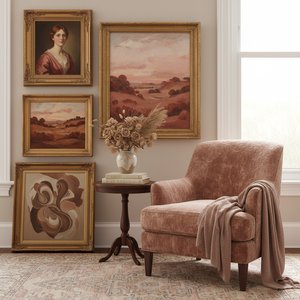
Top 10 slávnych obrazov v odtieňoch ružovej a hnedé: Krása a história umenia pre váš domov
Objavte top 10 slávnych obrazov v ružových a hnedých odtieňoch! Prežite príbehy impresionistických majstrov, renesančných umelcov a ikonické diela. Reprodukcie obrazov pre váš domov na ArtsDot.com – múzejná kvalita a inšpirácia pre interiér.
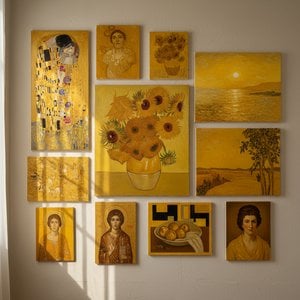
Top 10 slávnych obrazov s dominantnou žltou okrou – Majstri a ich farebná symfónia | ArtsDot.sk
Objavte top 10 slávnych obrazov s dominantnou žltou okrou! Van Gogh, Monet a ďalší majstri impresionizmu. Inšpirujte sa farebnými dielami pre váš interiér a kúpite kvalitné reprodukcie na ArtsDot.sk.