


 Zobraziť v interiéri
 Odoslať
 Zdieľať
 Podrobnosti
 Príručka

 Stiahnuť
 Podobné položky
 RTG skúška
 Prehliadanie diapo\]
 Štatistiky
Dead Deer


 Prečítať si viac
Ručne maľovaná olejová reprodukcia
Ručne maľovaný olej na plátne vo vašej zvolenej veľkosti a v ráme, vyrobený na mieru našimi umelcami. ( Prepnúť na tlač Prepnúť na digitálnu verziu obrazu)




P118B $10

P118H $10

P118W $10

P438Z $10

P508JH $12

P508YH $12

P805H $10

P805Z $10

P919BZ $10

P919G $10

P919XJ $10

P959ZH $10

P968JZ $12

W106C $8

W218G $10

W218JH $8

W218Y $10

W307PJ $10

W316G $10

W316PJ $8

W316Y $10

W398PJ $8

W4111J $10

W500HY $15

W500JH $15

W692G $12

W849H $8

W940BG $15

W953PJ $8




Vyberte si z našich preddefinovaných rozmerov, ktoré zodpovedajú pôvodným pomeroḿ diela.

Môžete zadať vlastné rozmery tak, aby sa hodili do konkrétneho rámu alebo priestoru. Ak sa váš zvolený rozmer nezhoduje s pôvodnými proporciami obrazu, dielo buď orezáme, alebo ho doplníme ručne maľovanými prvkami. Pred začiatkom výroby vám zašleme digitálny náhľad na schválenie.
Upozorňujeme, že ukážka na obrazovke neodráža skutočné orezanie ani doplnenie. Skutočnú finálnu kompozíciu zobrazuje iba digitálny náhľad.
Hoci sú k dispozícii vlastné rozmery, odporúčame vybrať rozmer z preddefinovaného zoznamu, aby sme zachovali pôvodné proporcie.
Po odoslaní objednávky vám tím ArtsDot.com pošle e-mail s pokynmi a poskytne náhľad na návrh
Celosvetová doprava () za 3 až 4 týždne namiesto štandardných 5 týždňov. (25 september). Bez kompromisov v kvalite.

Bezplatná expresná doprava po celom svete

Vysokokvalitné lnianske plátno

Úplné poistenie prepravy

Záruka vrátenia colného poplatku

Záruka presného farebného zhodnutia

100-dená politika vrátenia tovaru (iba pri vadách)

100% záruka vrátenia peňazí

Ponuka množstevnej zľavy
 Možnosť skla je dostupná len pri rozmeroch pod 110 cm

Dead Deer
Spôsob reprodukcie
Veľkosť reprodukcie
-


Celková cena
$ 263
A Haunting Reflection on Life and Mortality: Gustave Courbet’s *Dead Deer*
Gustave Courbet's 1857 oil painting, *Dead Deer*, is a powerfully evocative work that transcends a simple depiction of an animal in repose. It stands as a poignant meditation on the cyclical nature of life, death, and humanity’s relationship with the natural world – themes central to Courbet’s Realist vision. This piece isn't merely observed; it *feels* observed, drawing the viewer into a quiet contemplation of existence.Realism and the Rejection of Idealization
Courbet was a pivotal figure in the development of Realism, a movement that deliberately eschewed the romanticized narratives and idealized forms prevalent in academic painting. He sought to portray the world as it *is*, without embellishment or moralizing. *Dead Deer* exemplifies this approach. Unlike earlier depictions of hunting scenes which often glorified the chase, Courbet presents the aftermath – a stark, unvarnished view of mortality. The deer is not presented heroically; it simply *is*, vulnerable and still in the grass. This unflinching honesty was revolutionary for its time.Compositional Harmony and Technical Mastery
The composition is deceptively simple yet remarkably effective. The deer’s body dominates the canvas, stretching horizontally and anchoring the scene. Courbet employs a muted palette of browns, greens, and ochres, creating an earthy tonality that reinforces the connection to nature. His brushwork is loose and expressive, lending texture and depth to the animal's form and the surrounding foliage. The diffused lighting contributes to a sense of quiet solemnity, casting gentle shadows that emphasize the deer’s stillness. While seemingly straightforward, Courbet masterfully uses these elements to create a deeply atmospheric and emotionally resonant image.Symbolism and Interpretation
The symbolism within *Dead Deer* is layered and open to interpretation. The deer itself has long been associated with grace, innocence, and vulnerability. Its death can be seen as representing the fragility of life, the inevitability of mortality, or even a lament for the loss of wilderness due to human intervention. Considering Courbet’s other works, such as *The Quarry*, which directly depicts the act of hunting, it's reasonable to interpret this painting as a commentary on the consequences of man’s dominion over nature. The deer isn’t simply dead; it is a consequence.Historical Context and Artistic Legacy
Created during a period of significant social and political change in France, *Dead Deer* reflects a growing awareness of humanity's impact on the environment. Courbet’s commitment to depicting everyday life and challenging artistic conventions paved the way for future movements like Impressionism and Cubism. His influence can be seen in the work of artists who followed, who similarly sought to break free from academic constraints and explore new ways of representing the world around them.Emotional Impact and Contemporary Relevance
*Dead Deer* evokes a complex range of emotions – sadness, empathy, and perhaps even a sense of unease. It is a painting that stays with the viewer long after they have turned away. In our contemporary moment, as we grapple with issues of environmental degradation and species extinction, Courbet’s work feels particularly relevant. It serves as a powerful reminder of the interconnectedness of all living things and the importance of respecting the natural world.Collecting & Interior Design Considerations
A reproduction of *Dead Deer* would be a striking addition to any art collection or interior space. Its subdued color palette lends itself well to a variety of décor styles, from rustic and traditional to modern and minimalist. The painting’s contemplative mood makes it particularly suitable for bedrooms, studies, or living rooms – spaces where quiet reflection is valued. The artwork's size allows for versatility in placement; it can serve as a focal point or complement existing furnishings.- Style: Realism
- Technique: Oil on Canvas
- Period: 19th Century
- Subject: Animal, Landscape, Mortality
Súvisiace diela


Biografia umelca
A Rebel’s Brush: The Life and Legacy of Gustave Courbet
Gustave Courbet (1819-1877) – Pioneer of Realism. Explore paintings depicting everyday life & working class subjects like ‘A Burial at Ornans’. Discover his revolutionary impact on 19th-century art. Born in the quiet village of Ornans, France, Jean Désiré Gustave Courbet emerged as a defiant force against the established artistic norms of his time. His story isn't simply one of paint and canvas; it’s a narrative woven with threads of social commentary, political conviction, and an unwavering commitment to portraying the world exactly as he saw it – unidealized, raw, and profoundly real. Growing up in a relatively prosperous bourgeois family, Courbet received encouragement from his mother to pursue his artistic inclinations, a nurturing that would ultimately fuel a revolution in the art world. His formal training began at the École des Beaux-Arts in Paris in 1839, but he quickly found himself chafing against the academic conventions and Romantic idealism prevalent there. While acknowledging influences like Eugène Delacroix and Théodore Géricault, Courbet forged his own path, one that prioritized observation over imagination and truth over tradition.The Birth of Realism: Challenging Artistic Conventions
Courbet’s artistic development was marked by a deliberate rejection of the prevailing aesthetic standards. He wasn't interested in mythological narratives or heroic allegories; his gaze was fixed on the everyday lives of ordinary people, particularly those engaged in labor and rural existence. This commitment to depicting the world without embellishment – what would become known as Realism – initially met with scorn and derision from critics accustomed to more polished and idealized representations. Early works explored landscapes and portraits, but soon shifted towards scenes of working-class life, rendered on a monumental scale traditionally reserved for historical or religious paintings. This deliberate choice wasn’t merely stylistic; it was a statement about the inherent dignity and importance of these often-overlooked subjects. The Stone Breakers, completed in 1849 but tragically destroyed during World War II, exemplified this approach – a stark depiction of two laborers toiling away, their faces obscured by exhaustion and hardship. This painting, along with others like A Burial at Ornans (1850), challenged the very definition of what constituted “worthy” subject matter for high art. He sought to capture the essence of human experience as it unfolded in the mundane realities of daily life, rejecting the sentimentalism and moralizing tendencies that characterized much Romantic painting.Major Works and Artistic Philosophy
Courbet’s artistic philosophy extended beyond subject matter to encompass technique. He favored a direct, impasto style – applying paint thickly onto the canvas – that emphasized the materiality of the medium itself. This method allowed him to convey texture and surface detail with remarkable accuracy, mirroring the physicality of the subjects he depicted. His monumental canvases weren't merely representations; they were explorations of form and color, driven by a desire to capture the immediacy of perception. Consider *The Painter’s Studio* (1855), an ambitious allegorical work reflecting his artistic beliefs and engagement with contemporary social issues. The painting depicts Courbet himself surrounded by symbols representing art, intellect, and morality – a deliberate defiance of academic conventions and a proclamation of artistic independence. He believed that art should serve as a mirror to society, confronting viewers with uncomfortable truths about human existence.Influence and Legacy
Courbet’s influence on subsequent generations of artists is undeniable. He liberated Impressionists and Post-Impressionists from the constraints of traditional representation, encouraging them to experiment with new approaches to color and light. Artists like Monet, Renoir, Cézanne, and Van Gogh recognized Courbet's pioneering spirit and embraced his commitment to portraying the world as he saw it – unidealized and authentically observed. His unwavering conviction in artistic freedom resonated across Europe and beyond, inspiring artists to challenge societal norms and express their own perspectives with boldness and integrity. Gustave Courbet remains a pivotal figure in art history—a testament to the transformative power of confronting reality head-on and refusing to compromise artistic vision for the sake of convention. He died in 1877, leaving behind a legacy that continues to inspire artists and scholars alike.
Gustáv Courbet
1819 - 1877 , Francúzsko
Rýchle fakty
- Artistic Movement Or Style: Realizmus
- Artists Or Movements Influenced By This Artist:
- Impressionizmus
- Postimpressionizmus
- Artists Who Influenced This Artist:
- Eugène Delacroix
- Théodore Géricault
- Caravaggio
- Date Of Birth: 10. júna 1819
- Date Of Death: 31. decembra 1877
- Full Name: Gustave Courbet
- Nationality: Francúzsky
- Notable Artworks:
- A Burial at Ornans
- The Stone Breakers
- The Painter’s Studio
- Place Of Birth: Orléans, Francúzsko
Súvisiace články

Gustave Courbet: Realism's Revolutionary Vision & the Social Canvas of 19th-Century France
Explore the revolutionary art of Gustave Courbet, pioneer of Realism. Discover his iconic paintings, social commentary, and lasting impact on 19th-century French art history. Expert analysis & insights.

Top 10 majstrovských diel realizmu: Umění odrážajúce skutočný život | ArtsDot.sk
Objavte 10 majstrovských diel realizmu od Courbeta, Maneta a ďalších. Ponorte sa do príbehov umelcov a techník, ktoré definovali toto revolučné hnutie. Kúpiť kvalitné art reprodukcie na ArtsDot.sk! Preskúmajte celú kolekciu online.
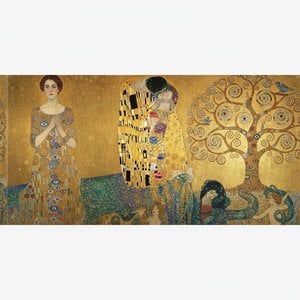
Gustav Klimt: Top 25 diel pre milovníkov umenia a luxusného interiéru
Ponorte sa do sveta Gustava Klimta! Objavte top 25 diel majstra secesie, od zlatých portrétov po symbolistické krajiny. Reprodukcie obrazov v múzejnej kvalite pre váš luxusný interiér na ArtsDot.com. Preskúmajte celú kolekciu online!

Top 10 diel 19. storočia: Majstri a príbehy v umení pre váš domov
Ponorte sa do sveta 19. storočia s top 10 dielami impresionizmu, realizmu a romantizmu! Objavte príbehy Courbeta, Moneta a Van Gogha. Reprodukcie obrazov pre luxusný interiér na ArtsDot.com – umenie online.

Romantic Realism's Finest: 10 Masterpieces for Your Home | ArtsDot
Explore 10 defining masterpieces of Romantic Realism! Discover Courbet, Millet & Daumier's powerful paintings—capturing emotion and social realities. Find museum-quality reproductions for your home at ArtsDot.com.


