

 Náhľad v interiéri
 Odoslať ako digitálnu kartu
 Zdieľať
 Podrobnosti o dielo
 Príručka

 Stiahnuť obraz
 Podobné položky
 RTG skúška
 Prehliadanie diapozoje
 Otázky a odpovede
 Štatistiky
Strips


 Zobraziť viac
Umelecké dielo zobrazené na tejto stránke je chránené autorským zákonom, čo znamená, že nemôžeme legálne vytvárať ani predávať jeho identickú reprodukciu. Táto ochrana je vymáhaná na základe medzinárodných dohôd, ako napríklad Bernská konvencia a národnými zákonmi, vrátane tých, ktoré sú stanovené v Autorské právo USA – Title 17. Všetky práva vyhradené.
Táto metóda plne dodržiava autorské práva, pretože nezahŕňa kopírovanie ani duplikovanie chráneného diela. Ide skôr o kreatívnu reinterpretáciu – nový obraz, ktorý je ovplybnený originálom, no nie je s ním identický.
Giclée / Umenotlač
Giclée tlač alebo plátno múzeálnej kvality s rýchlou výrobou a rôznymi možnosťami povrchovej úpravy. ( Kúpiť ručne maľovaný obraz Prepnúť na digitálny obraz)




P118B €10

P118H €10

P118W €10

P438Z €10

P508JH €12

P508YH €12

P805H €10

P805Z €10

P919BZ €10

P919G €10

P919XJ €10

P959ZH €10

P968JZ €12

W106C €8

W218G €10

W218JH €8

W218Y €10

W307PJ €10

W316G €10

W316PJ €8

W316Y €10

W398PJ €8

W4111J €10

W500HY €15

W500JH €15

W692G €12

W849H €8

W940BG €15

W953PJ €8




Vyberte si z našich preddefinovaných rozmerov, ktoré zodpovedajú pôvodným pomeroḿ diela.

Zadajte šírku a výšku, ktoré potrebujete, aby sa reprodukcia hodila k vášmu rámu alebo stene. Print možno len orezávať, nikdy však nemennú veľkosť zvětšiť oproti pôvodnému obrázku, preto pri inom formáte stráca časť obrazu. Pred samotným vytlačiacím procesom vám pošleme digitálny náhľad na schválenie. Obrázok zobrazený na tejto stránke nezobrazuje reálny rez — len digitálny náhľad ukazuje presný výsledok.
Celosvetová doprava () do 2 týždňov namiesto štandardných 4 až 5 týždňov. (7 november)

Bezplatná expresná doprava po celom svete

Vysokokvalitné lnianske plátno

Kompletné poistenie prepravy

Záruka vrátenia colného poplatku

Záruka presného farebného zhodnutia

100-dená politika vrátenia tovaru (iba pri vadách)

100% záruka vrátenia peňazí

Zľava pri väčšom množstve
 Možnosť skla je dostupná len pri rozmeroch pod 110 cm

Strips
Giclée / Umenotlač
Veľkosť reprodukcie
-


Celková cena
€ 56
Otázky a odpovede
Ako sa štýl diela „Strips“ vzťahuje k ére jeho tvorcu?
Dielo „Strips“ od Gordon Bennett Ao patrí do smeru Contemporary Folk Art, v rámci éry Súčasné umenie svojho autora.
V ktorom roku bolo vytvorené dielo „Strips“?
Dielo „Strips“ od Gordon Bennett Ao vzniklo v roku 2005.
Ktorý národný pôvod stojí za smerom Contemporary Folk Art diela „Strips"?
Dielo „Strips“ vytvoril/a Gordon Bennett Ao, ktorý/á sa narodil/a v krajine Australia, v rámci smeru Contemporary Folk Art. Pôvod umelca spája toto dielo s movementom Contemporary Folk Art, ako ho v krajine Australia praktikujú tamojší umelci.
Podobné diela


Biografia umelca
**pionierská postava domorodého austrálskeho umenia**
Gordon Bennett Ao, významný australiský umelec aboriginského a anglo-keltskeho pôvodu, zanechal nezmazateľnú stopu v súčasnej umeleckej scéne. Narodený 9. októbra 1955 v Monto v Queenslande, Bennettov život bol svedectectvom jeho mnohostranné identity, ktorú odvážne vyjadroval prostredníctvom svojho umenia. Raný život a kariéra: skôr než sa plne zasvätil umeniu, Bennett pracoval v spoločnosti Telecom Australia až do 32. roku života. Tento prechod znamenal začiatok jeho nadobehajúcej umeleckej cesty. Umelecký štýl: známy svojimi živými a hlboko premýšľajúcimi dielami, Bennettovo umenie spochybňovalo vnímanie identity, histórie a samotnej konštrukcie poznania. Jeho odvážny štýl, ľudský vo svojom prístupe, zarezonoval u divákov po celom svete. Príspevok k domorodému australskému umeniu: ako vedúca postava súčasného domorodého austrálskeho umenia, Bennettova tvorba nielen odrážala jeho dedičstvo, ale aj otvorila cestu budúcim generáciám aboriginských umelcov.**významné diela a výstavy**
hoci presný zoznam Bennettových významných diel nie je tu uvedený, jeho prínos do sveta umenia je dobre zdokumentovaný na stránke ArtsDot.com. Niektoré z jeho diel sa nachádzajú v sekcii art movements 1/2, čo ponúka pohľad na jeho umeleckú evolúciu.**oddedičná stopa a vplyv**
Bennettov vplyv presahuje jeho vlastnú generáciu a inšpiruje nových umelcov k preskúmavaniu tém identity a kultúrneho dedičstva. Jeho príspevok k umeniu zabezpečil neustále relevantné miesto a uznanie domorodého austrálskeho umenia v globálnom meradle.**spomienka na Gordona Bennetta Ao**
Bennett odišel do veku 69, 3. júna 2014, ale jeho oddedičstvo žije ďalej. Pre tých, ktorí majú zá interest o hlbšie spoznanie jeho tvorby alebo svet domorodého austrálskeho umenia, stránka prints that you can afford na ArtsDot.com ponúka jedinečnú príležitosť zažiť jeho umenie v hmatateľnej a cenovo dostupnej forme.- **kľúčová myšlienka**: život a tvorba Gordona Bennetta Ao slúžia ako mocné pripomienanie toho, aký veľký dopad môže mať jeden umelec na širší kultúrny celok.
- **budúce smerovanie**: pri našom postupe je nevyhnutné naďalej oslavovať a podporovať umelcov, ktorí, podobne ako Bennett, nami vyvolávajú otázky a rozširujú naše chápanie sveta.
**záver**
Gordon Bennett Ao a jeho pozoruhodná cesta, hoci predčasne prerušená, zanechala v umeleckom svete nezabudnuteľnú stopu. Jeho oddedičstvo slúži ako maják pre budúce generácie, inšpirujúc nové hlasy a vízie v neustále sa vyvíjajúcej krajine súčasného domorodého austrálskeho umenia.
Gordon Bennett Ao
1955 - 2014 , Australia
Základné informácie
- Artistic Movement Or Style: Naratívny realizmus
- Artists Or Movements Influenced By This Artist: ['Sociálny realizmus']
- Artists Who Influenced This Artist: ['Charles White']
- Date Of Birth: 1955
- Date Of Death: 2014
- Full Name: Kerry James Marshall
- Nationality: Američan
- Notable Artworks:
- Bez názvu (Postava)
- Malé oblúky
- Zábavy
- Place Of Birth: Mount Ommanoo, Austrália
Súvisiace články

Gordon Parks: A Poetic Lens on American Life – Photography, Social Justice & Storytelling
Explore the profound work of Gordon Parks, a groundbreaking photographer who documented American life with unparalleled empathy and artistry. Discover his iconic images & lasting impact on social justice through Life magazine & beyond.
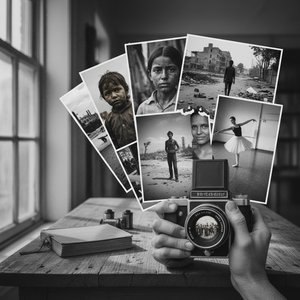
Witnessing History: Documentary Photography as an Art Movement
Explore the powerful history of documentary photography – from its origins to contemporary masters like Gordon Parks. Discover how this art form shapes our understanding of society and witness pivotal moments in time.

Sir John Watson Gordon: A Study in Scottish Landscape Painting & Tonal Impressionism
Explore the captivating portraits of Sir John Watson Gordon, a leading Scottish master. Discover his evolution from neoclassical style to atmospheric Tonalism and influence on 19th-century British art. Learn about his iconic sitters & legacy.