


Obraz sa prispôsobuje vašim voľbám: , .
Popis zberateľského predmetu
A mesmerizing watercolor depiction by Giuseppe Arcimboldo showcases three antler-like structures crafted from meticulously arranged objects – polished antlers adorned with gold, textured antlers bearing growth rings, and smaller curved antlers—reflecting Neo-Platonic symbolism and capturing the spirit of Renaissance scientific inquiry.
 Zobraziť viac
Biografia umelca
Slovenská Meta Popis: Giuseppe Arcimboldo (1527-1593) bol taliansky maliar známy svojimi fantastickými portrétmi zloženými z ovocia, zeleniny a predmetov. Jeho jedinečný štýl, kombinujúci renesančnú eleganciu s surrealistickým humorom, fascinuje dodnes.
Ručne maľovaná olejová reprodukcia
Ručne maľovaný olej na plátne vo vašej zvolenej veľkosti a v ráme, vyrobený na mieru našimi umelcami. ( Prepnúť na tlač Prepnúť na digitálny obraz)
Viac informácií o tomto obraze
 Náhľad v interiéri
 Odoslať ako digitálnu kartu
 Zdieľať
 Podrobnosti o dielo
 Príručka

 Stiahnuť obraz
 Podobné položky
 RTG skúška
 Prehliadanie diapozoje
 Otázky a odpovede
 Štatistiky
Objednajte si svoj obraz v štyroch jednoduchých krokoch
Nespáľujte sa. Každú odpoveď môžete zmeniť; cena vo vašej objednávke sa prispôsobí každej zvolenej možnosti.
1 Prvý krok zo štyroch
Akú veľkosť si prajete?
Tieto veľkosti zachovávajú proporcie originálneho obrazu. Ilustrácia zobrazuje vašu voľbu na stene, nad dvometrovou pohovkou.
alebo zadajte vlastné rozmery
Vyberte si z našich preddefinovaných rozmerov, ktoré zodpovedajú pôvodným pomeroḿ diela.

Zadajte šírku a výšku, ktoré potrebujete, aby sa dielo hodilo k vášmu rámu alebo stene. Keďže ide o ručnú maľbu, pri rozmeroch s odlišným pomerom strán môže umelec namalovať o niečo viac okolo obrázka alebo ho mierne orezatú — výber patrí vám. Pred začatím maľovania vám pošleme digitálnu ukážku na schválenie. Obrázok zobrazený na tejto stránke nenahrádza reálny výsledok — ten zobrazuje iba digitálna ukážka.
2 Druhý krok zo štyroch
Ako by mal byť pripravený: rolovaný, natiahnutý alebo v ráme?
Ceny nižšie sa týkajú veľkosti, ktorú ste si vybrali v prvom kroku.
Vyberte si opletenie plátna
Vyberte si rám

Biele okraje €1

rozostrené okraje €1

Vytiahnutý okraj €1

P118B €10

P118H €10

P118W €10

P438Z €10

P508JH €12

P508YH €12

P805H €10

P805Z €10

P919BZ €10

P919G €10

P919XJ €10

P959ZH €10

P968JZ €12

W106C €8

W218G €10

W218JH €8

W218Y €10

W307PJ €10

W316G €10

W316PJ €8

W316Y €10

W398PJ €8

W4111J €10

W500HY €15

W500JH €15

W692G €12

W849H €8

W940BG €15

W953PJ €8

H24-GOLD €30

H24-SILVER €30

H36-GOLD €45

H36-SILVER €45
V rámoch
Profil: . Celkový rozmer vrátane rámov: .
3 Tretí krok zo štyroch
Chceli by ste v obraze niečo zmeniť?
Väčšina ľudí odpovedá nie. Keďže každý obraz je vytvorený ručne, náš umelec ho však dokáže prispôsobiť aj vám.
Po objednávke vám tím ArtsDot.com pošle e-mail s pokynmi a poskytne náhľad návrhu
4 Štvrtý krok zo štyroch
Niekoľko možností finálnej úpravy
Všetky sú voliteľné. Už zvolené odpovede nesú žiadne dodatočné náklady.
Kto je autorom?
Celosvetová doprava () za 3 až 4 týždne namiesto štandardných 5 týždňov. (3 november). Bez kompromisov v kvalite.
Štítok, ako v múzeu?
Detaily vygravírovaného bronzového pláka
This elegant plaque features the artist's name and the title of the artwork, finely engraved for a timeless presentation.
It is made from bronze with a refined, elegant finish. The text is precisely laser-engraved for a sharp and permanent result. Measuring 9x2 cm, the plaque is compact yet easy to read. It's built to be durable and scratch-resistant, offering a professional, museum-quality look. Mounting is simple thanks to the included adhesive backing.
Detaily transparentnej akrylovej plăty
The plaque includes essential engraved details such as the artist's name, the title of the artwork, the date it was created, the type of media used-like oil on canvas or watercolor-a brief description of the piece, and a QR code that links to the complete artwork information.
It is crafted from clear acrylic, offering a sleek, modern appearance. The text is UV-engraved in black to ensure strong visual contrast. With a size of 10x15 cm, it ensures optimal readability. It comes equipped with two metal hooks for secure wall mounting. The plaque is designed to be weather-resistant, making it suitable for various environments, and it includes interactive features that work seamlessly with smartphone scanning.
Detaily čiernej akrylovej plăty
This elegant plaque includes engraved information such as the artist's name, the title of the artwork, the date it was created, the type of media used (like oil on canvas or watercolor), a short description of the artwork, and a QR code for quick access to more information.
The plaque itself is made from refined black acrylic with a premium finish. The text is laser-engraved in white for high contrast and readability. Its size is 10x15 cm, designed to be easy to read. It comes with two metal hooks for professional mounting. The design is sleek and fits any interior style. It is also weather-resistant and durable, with built-in digital integration for mobile compatibility.
Ochranný lak?
Kedy vám má byť doručené?
✓ Kontrola a objednávka
Vaša maľba presne podľa vašej objednávky

Nature studies
Technika reprodukcie
Veľkosť reprodukcie
-

Výborne skúsený umelec
Viac detailov, jemnosti a dodatočného času na výrobu
-

Rámovanie reprodukcie
-
-
V prípade umeleckých diel alebo reprodukcií, ktorých ktorákoľvek strana je väčšia ako 105 cm (cca 41 palcov), sa rám dodáva v rozloženom stave ako sada. Táto metóda zabezpečuje bezpečnú доставu a chráni pred poškodením počas prepravy.
Vyžaduje sa odborná montáž – toto nie je produkt na vlastnú prípravu (DIY).
Sada musí byť zmontovaná a plátno napnuté skúseným profesionálnym rámovaníkom, s použitím drevárneho lepidla (nie je súčasťou sady), klieš na napínanie plátna a svoriek na udržanie prav角的 rámov počas schnutia lepidla. Nesprávna montáž alebo nerovnomerné napnutie plátna môže trvalo poškodiť umelecké dielo, čo nie je kryté našou zárukou.
 V prípade umeleckých diel alebo reprodukcií, ktorých ktorákoľvek strana je väčšia ako 105 cm (cca 41 palcov), sa rám dodáva v rozloženom stave ako sada. Táto metóda zabezpečuje bezpečnú доставu a chráni pred poškodením počas prepravy.
Všetky lišty z masívneho dreva sú súčasťou balenia, presne narezané na mieru.
Montuje sa pomocou súčasťou balenia dodaných skrutiek, plus drevolepu na spoje v rohoch, ktorý nie je súčasťou balenia a musí si ho zabezpečiť váš montážnik.
Vyžadujú sa profesionálne nástroje, ktoré nie sú súčasťou sady: kliešte na napínanie plátna (napínací nástroj) a svorky na udržanie pravých uhlov rámov počas schnutia lepidla.
Dôležité:
Spoje v rohoch si vyžadujú lepidlo na drevo, tyče je potrebné upevniť pomocou svoriek, kým lepidlo úplne newyschne, a napnutie plátna na zostavený rám si vyžaduje klieže na napínanie plátna. Žiadna z týchto pomôcok nie je súčasťou sady. Pred objednaním tejto veľkosti si, prosím, zabezpečte skúseného odborníka na zakladanie rámov.

Popisné označenie
-
-

Ochranný lak
Lesklý lak (zvýrazňuje farby, chráni pred svetlom a vlhkosťou)
-

Prispôsobiť moje dielo
Príklady možností úprav: nahradenie tváre vlastnou fotografiou; pridanie domáceho zvieraťa (napr. nahradenie mačky psom); vloženie skrytého odkazu do pozadia; zmena krajiny alebo prvkov v pozadí.
-

Prioritné doručenie
Celosvetová doprava () za 3 až 4 týždne namiesto štandardných 5 týždňov. (3 november). Bez kompromisov v kvalite.
-
Rýchle doručenie
Celosvetová doprava do za 5 týždňov. (10 november).
V cene
Celková cena
€ 235
Možnosť skla je dostupná len pri rozmeroch pod 110 cm
Súčasťou každej objednávky
- Bezplatná expresná doprava po celom svete
- Vysokokvalitné lnianske plátno
- Kompletné poistenie prepravy
- Záruka vrátenia colného poplatku
- Záruka presného farebného zhodnutia
- 100-dená politika vrátenia tovaru (iba pri vadách)
- 100% záruka vrátenia peňazí
- Zľava pri väčšom množstve


Giuseppe Arcimboldo: A Renaissance Visionary Reimagined
Giuseppe Arcimboldo (1527 – 1593), an Italian Mannerist painter, stands apart from his contemporaries not merely for stylistic innovation but for a profound engagement with the intellectual currents of his time—specifically, Neo-Platonism and the burgeoning fascination with natural science. Born in Milan during a period marked by papal ambition and artistic experimentation, Arcimboldo’s career unfolded against a backdrop of transformative change, propelling him to prominence as court painter for three Holy Roman Emperors: Maximilian I, Philip II, and Rudolf II—a testament to his ability to capture the zeitgeist and translate complex ideas into visually arresting imagery. While initially recognized for traditional portraits adhering to established conventions, Arcimboldo swiftly distinguished himself through a revolutionary approach – crafting composite heads entirely from meticulously arranged objects: fruits, vegetables, flowers, fish, musical instruments, and even books—a technique that continues to fascinate scholars and artists alike.- The Composite Head Technique: Arcimboldo’s method wasn't simply about clever visual illusion; it represented a deliberate challenge to conventional artistic representation. Rather than depicting the human face in its idealized form, he disassembled it into constituent parts—symbols of nature—creating an image that simultaneously honored classical ideals and reflected the scientific curiosity of the Renaissance.
- Symbolism Rooted in Neo-Platonism: Arcimboldo’s works resonate deeply with Neo-Platonic philosophy, which sought to reconcile pagan mythology with Christian theology by interpreting symbols as reflections of divine truths. Each element within a portrait—the fruits representing fertility and abundance, the flowers symbolizing beauty and virtue—carried specific allegorical meanings intended to convey profound spiritual concepts.
- Court Patronage & Rudolf II’s Vision: Arcimboldo's success stemmed largely from his patronage by Rudolf II, Holy Roman Emperor, who championed a humanist worldview characterized by intellectual exploration and artistic splendor. Rudolf II’s fascination with alchemy, astrology, and natural history mirrored Arcimboldo’s own stylistic ambition—to transcend mere imitation of nature and to express its underlying harmony and order.
Vertumnus: A Masterpiece of Illusion and Allegory
Among Arcimboldo's most celebrated achievements is Vertumnus (1591), an oil painting commissioned by Rudolf II that exemplifies the artist’s mastery of illusionistic technique and symbolic representation. The portrait depicts Rudolf II as a human face constructed from meticulously arranged fruits, vegetables, flowers, and musical instruments—a deliberate homage to the Roman god Vertumnus, whose name translates to “turning” or “changing,” reflecting the cyclical rhythms of nature and mirroring Rudolf II’s belief in the interconnectedness of all things. The composition is remarkably balanced, with each element carefully positioned to contribute to the overall impression of serenity and intellectual contemplation.- Illusionistic Detail: Arcimboldo achieved his breathtaking effect through painstaking layering of paint—a technique known as glazing—creating a shimmering surface that captures the subtle nuances of light and color. The artist’s meticulous attention to detail ensured that each fruit, vegetable, and instrument appeared convincingly integrated into the portrait's form.
- The God Vertumnus & Rudolf II’s Ideal: Arcimboldo’s choice of imagery—specifically Vertumnus—was not arbitrary but deliberately symbolic. The god Vertumnus represented transformation and renewal, mirroring Rudolf II’s aspiration to embody the virtues of wisdom, justice, and compassion—qualities he believed essential for governing his realm effectively.
- A Reflection of Renaissance Thought: Vertumnus stands as a powerful emblem of the Renaissance humanist spirit—a conviction that human reason could illuminate the mysteries of the cosmos and that art could serve as a conduit for conveying profound philosophical ideas.
Beyond Illusion: Arcimboldo’s Artistic Legacy
Giuseppe Arcimboldo's influence extends far beyond his own lifetime, shaping subsequent artistic trends and inspiring generations of artists to explore innovative visual strategies. His pioneering use of composite portraits established a precedent for manipulating perspective and creating imaginative representations that defied conventional conventions—a legacy that continues to resonate in contemporary art practice. Furthermore, Arcimboldo’s unwavering commitment to capturing the essence of his subject matter through symbolic imagery solidified his position as one of the foremost artists of the Mannerist movement—a period characterized by stylistic experimentation and a preoccupation with psychological depth.- Influence on Later Artists: Arcimboldo's technique served as an inspiration for artists like Rembrandt and Diego Velázquez, who similarly employed illusionistic techniques to convey emotion and psychological complexity in their portraits.
- The Mannerist Aesthetic: Arcimboldo’s work embodies the core tenets of Mannerism—a stylistic movement that prioritized expressive distortion over naturalistic representation—marking a decisive break from the idealized beauty of High Renaissance art.
- Enduring Relevance: Today, Arcimboldo's portraits continue to captivate audiences with their arresting visual impact and their profound intellectual depth—testaments to his enduring artistic genius and his ability to transcend temporal boundaries.
Discovering Arcimboldo’s Art Today
Reproductions of Arcimboldo’s masterpieces can be found in prestigious museums worldwide, including the Kunsthistorisches Museum in Vienna and the Louvre in Paris—a testament to their enduring artistic merit. Explore stunning prints and canvases that capture the vibrancy of color and the meticulous detail characteristic of his original paintings—bringing the visionary spirit of Giuseppe Arcimboldo into your home or gallery space.Otázky a odpovede
Nachádza sa dielo „Nature studies“ od Giuseppe Arcimboldo v domovskej krajine umelca?
Nie – dielo sa nachádza v zahraničí. Dielo „Nature studies“ sa nachádza v krajine Švajčiarsko, zatiaľ čo Giuseppe Arcimboldo sa narodil/a v krajine Taliansko.
Aké sú reprodukčné práva k dielu „Nature studies“ v múzeu Österreichische Nationalbibliothek?
Dielo „Nature studies“ od Giuseppe Arcimboldo, ktoré sa nachádza v múzeu Österreichische Nationalbibliothek, je v v slobodnom prostredí – autorské práva vypršali. Tento stav určuje, či je možné vytvárať reprodukcie tohto obrazu.
Pôsobia farby diela „Nature studies“ výrazne alebo jemne?
Farby v díle „Nature studies“ od Giuseppe Arcimboldo majú Balanced intenzitu.
Podobné diela


Giuseppe Arcimboldo
1527 - 1593, Taliansko
Biografia umelca
Giuseppe Arcimboldo: A Master of Illusion and Symbol
Giuseppe Arcimboldo, meno conosciuto di altri grandi maestri del Rinascimento, è un artista che continua a stupire e affascinare per la sua capacità unica di trasformare oggetti comuni – frutta, verdura, fiori, libri, persino strumenti musicali – in ritratti umani straordinari. La sua arte, caratterizzata da una profonda simbologia e da una maestria tecnica senza pari, lo colloca come un precursore del Surrealismo e un’icona dell'ingegno rinascimentale. Nato a Milano nel 1527, Arcimboldo non fu semplicemente un pittore; fu un artista poliedrico, un decoratore di corte, un costumista e un innovatore che sfidò le convenzioni artistiche del suo tempo.Gli Anni Giovanili e la Formazione Artistica
Giuseppe Arcimboldo crebbe in un ambiente artistico stimolante. Suo padre, Biagio Arcimboldo, era già pittore e lavorava presso la Fabbrica del Duomo a Milano, occupandosi di decorazioni per la cattedrale. Questa esperienza precoce fornì al giovane Giuseppe una solida base tecnica e un’apprezzamento per i dettagli, elementi che sarebbero diventati fondamentali nel suo stile distintivo. Inizialmente, Arcimboldo lavorò come assistente in vetreria, creando vetrate colorate per chiese e palazzi, un lavoro che affinò la sua abilità nella composizione e nell'uso del colore. Tuttavia, fu l’incontro con il pittore Giuseppe Meda, che collaborava alla decorazione della cattedrale di Monza, a segnare una svolta decisiva nella sua carriera artistica.La Corte degli Asburgo: Unità di Arte e Politica
Nel 1562, Arcimboldo ottenne un’opportunità cruciale: fu nominato pittore di corte per Ferdinando I d'Asburgo a Vienna. Questo incarico lo catapultò nel cuore del potere imperiale e gli offrì l'occasione di esprimere la sua creatività in un contesto di raffinata eleganza e ambizione politica. Durante i suoi oltre vent’anni al servizio di Maximilian II e Rudolf II, Arcimboldo non fu solo un pittore; fu anche decoratore di corte, costumista, organizzatore di feste e collezionista d'arte. La corte asburgica, nota per la sua apertura mentale e il suo interesse per le nuove idee, offrì ad Arcimboldo un ambiente ideale per sperimentare e sviluppare il suo stile unico.Lo Stile Inconfondibile: Composizioni Oggetto
L’elemento distintivo dell'arte di Arcimboldo è senza dubbio la sua tecnica delle “composizioni oggetto” ( *teste composte*). Invece di dipingere ritratti tradizionali, Arcimboldo creava figure umane assemblate da una miriade di oggetti diversi: frutta, verdura, fiori, libri, strumenti musicali, animali e persino elementi architettonici. Questi oggetti non erano semplicemente disposti casualmente; venivano accuratamente selezionati e posizionati per creare un’illusione di realtà, simulando la pelle, i capelli, gli abiti e le espressioni del soggetto ritratto. La sua capacità di trasformare oggetti banali in volti riconoscibili era straordinaria, e i suoi dipinti erano spesso interpretati come allegorie complesse, ricche di significati simbolici.Simbolismo e Allegoria: Un Linguaggio Visivo Profondo
Dietro l'apparente giocosità delle composizioni oggetto di Arcimboldo si cela un profondo simbolismo. Ogni oggetto scelto per il ritratto aveva un significato specifico, legato alla personalità del soggetto, alla sua professione o al suo status sociale. Ad esempio, i libri disposti in una testa rappresentano la conoscenza e lo studio, mentre gli strumenti musicali simboleggiano l’arte e l'armonia. I suoi ritratti dei quattro stagioni, in particolare, sono ricchi di significati botanici e allegorici, riflettendo il rapporto tra l'uomo e la natura, e la ciclicità della vita. Arcimboldo non si limitava a creare immagini bizzarre; voleva comunicare messaggi complessi, invitando lo spettatore a decifrare i simboli nascosti dietro la composizione.Eredità e Riscoperta: Un Precursore del Surrealismo
Nonostante il suo successo durante la sua vita, l'opera di Arcimboldo rimase relativamente sconosciuta per secoli. I suoi dipinti furono spesso considerati curiosità artistiche, apprezzati per la loro abilità tecnica ma trascurando la loro profondità simbolica e intellettuale. Fu solo nel XX secolo che il suo lavoro fu riscoperto e rivalutato, grazie in gran parte all'influenza del Surrealismo. Artisti come Salvador Dalí furono affascinati dalla sua capacità di sfidare le convenzioni artistiche e di esplorare l'inconscio attraverso composizioni sorprendenti e inaspettate. L’opera di Arcimboldo continua ad ispirare artisti, designer e creativi di tutto il mondo, testimoniando la sua straordinaria originalità e la sua capacità di vedere il mondo con occhi nuovi. Oggi, le sue opere sono esposte nei musei più importanti del mondo, tra cui il Kunsthistorisches Museum a Vienna e il Louvre a Parigi, assicurando che il suo genio artistico possa essere apprezzato da nuove generazioni.


Súvisiace články
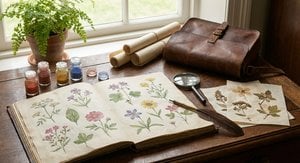
The Flourishing Canvas: A Historical Journey Through Botanical Illustration
Explore the captivating history of botanical illustration! Discover renowned artists like Robert Havell & Mary Walcott, learn about techniques, and find museum-quality art at ArtsDot.com.

Salvador Dalí: Top 25 diel majstra surrealizmu pre váš domov | ArtsDot.sk
Ponorte sa do sveta Salvadora Dalího s ArtsDot.sk! Objavte top 25 diel majstra surrealizmu, ich príbehy a techniky. Reprodukcie obrazov pre váš domov – luxusné dekorácie a umelecká inšpirácia online. Preskúmajte celú kolekciu na ArtsDot.com

Top 10 surrealistických majstrovských diel: Umění snov a podvedomia pre váš domov
Ponorte sa do sveta snov a podvedomia! Objavte top 10 surrealistických majstrovských diel od Dalího, Magritta a Miróa. Umelecké príbehy, techniky a inšpirácia pre váš interiér. Reprodukcie obrazov najvyššej kvality na ArtsDot.com.