
 Oil On Canvas
- WallArt
- Renaissance High
 1505
1505- Renaissance
 65.0 x 90.0 cm
 Galérie dell’Accademia

The picture follows your choices: , .
Popis zberateľského predmetu
'Pieta' was created in 1505 by Giovanni Bellini in High Renaissance style. Find more prominent pieces of religious painting at Wikiart.org – best visual art ...
 Zobraziť viac
Biografia umelca
Giovanni Bellini (1433-1516): Benátsky renesančný majster, známy svojimi sviežimi farbami, pokojnými Madonňami a atmosférickými krajinami. Vplyv Giorgiona & Titiana.
Ručne maľovaná olejová reprodukcia
Ručne maľovaný olej na plátne vo vašej zvolenej veľkosti a v ráme, vyrobený na mieru našimi umelcami. ( Prepnúť na tlač Prepnúť na digitálny obraz)
More about this painting
 Náhľad v interiéri
 Odoslať ako digitálnu kartu
 Zdieľať
 Podrobnosti o dielo
 Príručka

 Stiahnuť obraz
 Podobné položky
 RTG skúška
 Prehliadanie diapozoje
 Q&A
Q&A Štatistiky
Order your painting in four simple steps
Take your time. You can change any answer; the price in your order card follows each choice.
1 Step one of four
Which size would you like?
These sizes keep the proportions of the original painting. The drawing shows your choice on a wall, above a two-metre sofa.
Or give your own measurements
Vyberte si z našich preddefinovaných rozmerov, ktoré zodpovedajú pôvodným pomeroḿ diela.

Zadajte šírku a výšku, ktoré potrebujete, aby sa dielo hodilo k vášmu rámu alebo stene. Keďže ide o ručnú maľbu, pri rozmeroch s odlišným pomerom strán môže umelec namalovať o niečo viac okolo obrázka alebo ho mierne orezatú — výber patrí vám. Pred začatím maľovania vám pošleme digitálnu ukážku na schválenie. Obrázok zobrazený na tejto stránke nenahrádza reálny výsledok — ten zobrazuje iba digitálna ukážka.
2 Step two of four
How should it be prepared: rolled, stretched or framed?
The prices below are for the size you chose in step one.
Choose the edges of the stretched canvas
Choose your frame

White €1

Blurside €1

Extended €1

P118B €10

P118H €10

P118W €10

P438Z €10

P508JH €12

P508YH €12

P805H €10

P805Z €10

P919BZ €10

P919G €10

P919XJ €10

P959ZH €10

P968JZ €12

W106C €8

W218G €10

W218JH €8

W218Y €10

W307PJ €10

W316G €10

W316PJ €8

W316Y €10

W398PJ €8

W4111J €10

W500HY €15

W500JH €15

W692G €12

W849H €8

W940BG €15

W953PJ €8

H24-GOLD €30

H24-SILVER €30

H36-GOLD €45

H36-SILVER €45
V rámoch
Moulding: . Overall size with the frame: .
3 Step three of four
Would you like anything changed in the painting?
Most people answer no. Because each painting is made by hand, our artist can also adapt it for you.
After order, ArtsDot.com team will email client for instructions and provide a mockup preview
4 Step four of four
A few finishing options
All of them are optional. The answers already selected cost nothing extra.
Who paints it?
Celosvetová doprava () za 3 až 4 týždne namiesto štandardných 5 týždňov. (29 október). Bez kompromisov v kvalite.
A nameplate, as in a museum?
Detaily vygravírovaného bronzového pláka
This elegant plaque features the artist's name and the title of the artwork, finely engraved for a timeless presentation.
It is made from bronze with a refined, elegant finish. The text is precisely laser-engraved for a sharp and permanent result. Measuring 9x2 cm, the plaque is compact yet easy to read. It's built to be durable and scratch-resistant, offering a professional, museum-quality look. Mounting is simple thanks to the included adhesive backing.
Detaily transparentnej akrylovej plăty
The plaque includes essential engraved details such as the artist's name, the title of the artwork, the date it was created, the type of media used-like oil on canvas or watercolor-a brief description of the piece, and a QR code that links to the complete artwork information.
It is crafted from clear acrylic, offering a sleek, modern appearance. The text is UV-engraved in black to ensure strong visual contrast. With a size of 10x15 cm, it ensures optimal readability. It comes equipped with two metal hooks for secure wall mounting. The plaque is designed to be weather-resistant, making it suitable for various environments, and it includes interactive features that work seamlessly with smartphone scanning.
Detaily čiernej akrylovej plăty
This elegant plaque includes engraved information such as the artist's name, the title of the artwork, the date it was created, the type of media used (like oil on canvas or watercolor), a short description of the artwork, and a QR code for quick access to more information.
The plaque itself is made from refined black acrylic with a premium finish. The text is laser-engraved in white for high contrast and readability. Its size is 10x15 cm, designed to be easy to read. It comes with two metal hooks for professional mounting. The design is sleek and fits any interior style. It is also weather-resistant and durable, with built-in digital integration for mobile compatibility.
A protective varnish?
When do you need it?
✓ Check and order
Your painting, as you ordered it

The Pity
Technika reprodukcie
Veľkosť reprodukcie
-

Výborne skúsený umelec
Viac detailov, jemnosti a dodatočného času na výrobu
-

Rámovanie reprodukcie
-
-
V prípade umeleckých diel alebo reprodukcií, ktorých ktorákoľvek strana je väčšia ako 105 cm (cca 41 palcov), sa rám dodáva v rozloženom stave ako sada. Táto metóda zabezpečuje bezpečnú доставu a chráni pred poškodením počas prepravy.
Vyžaduje sa odborná montáž – toto nie je produkt na vlastnú prípravu (DIY).
Sada musí byť zmontovaná a plátno napnuté skúseným profesionálnym rámovaníkom, s použitím drevárneho lepidla (nie je súčasťou sady), klieš na napínanie plátna a svoriek na udržanie prav角的 rámov počas schnutia lepidla. Nesprávna montáž alebo nerovnomerné napnutie plátna môže trvalo poškodiť umelecké dielo, čo nie je kryté našou zárukou.
 V prípade umeleckých diel alebo reprodukcií, ktorých ktorákoľvek strana je väčšia ako 105 cm (cca 41 palcov), sa rám dodáva v rozloženom stave ako sada. Táto metóda zabezpečuje bezpečnú доставu a chráni pred poškodením počas prepravy.
Všetky lišty z masívneho dreva sú súčasťou balenia, presne narezané na mieru.
Montuje sa pomocou súčasťou balenia dodaných skrutiek, plus drevolepu na spoje v rohoch, ktorý nie je súčasťou balenia a musí si ho zabezpečiť váš montážnik.
Vyžadujú sa profesionálne nástroje, ktoré nie sú súčasťou sady: kliešte na napínanie plátna (napínací nástroj) a svorky na udržanie pravých uhlov rámov počas schnutia lepidla.
Dôležité:
Spoje v rohoch si vyžadujú lepidlo na drevo, tyče je potrebné upevniť pomocou svoriek, kým lepidlo úplne newyschne, a napnutie plátna na zostavený rám si vyžaduje klieže na napínanie plátna. Žiadna z týchto pomôcok nie je súčasťou sady. Pred objednaním tejto veľkosti si, prosím, zabezpečte skúseného odborníka na zakladanie rámov.

Popisné označenie
-
-

Ochranný lak
Lesklý lak (zvýrazňuje farby, chráni pred svetlom a vlhkosťou)
-

Prispôsobiť moje dielo
Príklady možností úprav: nahradenie tváre vlastnou fotografiou; pridanie domáceho zvieraťa (napr. nahradenie mačky psom); vloženie skrytého odkazu do pozadia; zmena krajiny alebo prvkov v pozadí.
-

Prioritné doručenie
Celosvetová doprava () za 3 až 4 týždne namiesto štandardných 5 týždňov. (29 október). Bez kompromisov v kvalite.
-
Rýchle doručenie
Celosvetová doprava do za 5 týždňov. (5 november).
V cene
Celková cena
€ 232
Možnosť skla je dostupná len pri rozmeroch pod 110 cm
Included with every order
- Bezplatná expresná doprava po celom svete
- Vysokokvalitné lnianske plátno
- Kompletné poistenie prepravy
- Záruka vrátenia colného poplatku
- Záruka presného farebného zhodnutia
- 100-dená politika vrátenia tovaru (iba pri vadách)
- 100% záruka vrátenia peňazí
- Zľava pri väčšom množstve


A Symphony of Sorrow: The Soul of Bellini’s Masterpiece
In the quiet, hallowed halls of the Gallerie dell'Accademia in Venice, there exists a window into the profound depths of human grief and divine compassion. Giovanni Bellini’s “The Pity,” completed in 1505, is not merely a painting; it is a visceral experience of spiritual reflection. As one of the undisputed titans of the High Renaissance, Bellini possessed an unparalleled ability to bridge the gap between the rigid traditions of Byzantine iconography and the burgeoning humanism of his era. In this work, we witness the pinnacle of Venetian mastery, where the heavy weight of mortality meets the ethereal lightness of grace. The scene captures a moment of devastating intimacy: Mary cradling the broken body of Jesus, a composition that resonates with an eternal, quiet ache that transcends the centuries.
The emotional landscape of the painting is as vast as the Venetian sky depicted in its background. Bellini utilizes a masterful chiaroscuro, manipulating light and shadow to sculpt the figures with a lifelike tenderness. The way the soft light falls upon the serene, yet lifeless, features of Christ and the sorrowful countenance of Mary invites the viewer into a state of meditative empathy. For the collector or the lover of fine art, this piece offers more than visual beauty; it provides a profound emotional anchor, a focal point for contemplation that brings a sense of historical gravity and spiritual peace to any space.
Technique and the Venetian Glow
To understand the brilliance of “The Pity,” one must appreciate Bellini’s revolutionary use of oil paint. Unlike the tempera methods of his predecessors, the slow-drying nature of oil allowed Bellini to achieve subtle tonal gradations and a luminous, translucent quality that seems to radiate from within the canvas itself. This technique is particularly evident in the rich, deep blues of Mary’s robes and the delicate, fleshy tones of Christ’s skin. The artist’s ability to layer glazes creates a sense of depth and atmosphere, making the lush greenery and the distant, castle-topped hill feel as though they are breathing within the frame.
The composition is a masterclass in balanced tension. While the central figures command our immediate attention through their emotional gravity, Bellini skillfully guides the eye toward the stylized Venetian landscape. This juxtaposition of the intimate, tragic foreground with the enduring, tranquil background serves to underscore the theme of eternal life amidst earthly suffering. For interior designers seeking to infuse a room with character and depth, a high-quality reproduction of this work offers a sophisticated interplay of color and light, capable of transforming a contemporary setting into a sanctuary of classical elegance.
A Legacy of Devotion and Artistry
The historical context of “The Pity” is deeply intertwined with the golden age of Venice. Born into a lineage of great painters, Giovanni Bellini refined the language of color that would define the Venetian school for generations. This painting, a devotional work likely intended for private contemplation, embodies the era's shift toward more humanized religious subjects. The tenderness of the maternal embrace reflects a growing interest in the human element of sacred narratives, making the divine feel accessible and profoundly relatable.
Owning or displaying a reproduction of such a masterpiece is an invitation to participate in this storied tradition. It is a piece that speaks to the enduring power of compassion and the beauty found in vulnerability. Whether placed in a curated gallery, a scholarly study, or a refined living space, “The Pity” serves as a timeless testament to Bellini’s genius—a work that continues to capture the hearts of those who find beauty in the delicate balance of sorrow and light.
Otázky a odpovede
Aké sýte farby má dielo „The Pity“?
Saturácia farieb diela „The Pity“ je na úrovni Balanced Soft a ich intenzita je Balanced.
Patrí „The Pity“ od Giovanni Bellini medzi vyhľadávané diela v rámci Renaissance High?
„The Pity“ je v katalógu zaznamenané ako Iconic medzi dielami zastúpenými v rámci Renaissance High.
Pôsobia farby diela „The Pity“ výrazne alebo jemne?
Farby v díle „The Pity“ od Giovanni Bellini majú Balanced intenzitu.
Podobné diela


Giovanni Bellini
1433 - 1516, Taliansko
Biografia umelca
A Venetian Master: The Life and Legacy of Giovanni Bellini
Giovanni Bellini, meno conosciuto di altri grandi maestri del Rinascimento veneziano come Giorgione o Tiziano, rappresenta una figura cruciale nel passaggio tra le tradizioni bizantine e l’innovativa spinta che avrebbe definito il XVI secolo. Nato intorno al 1430 – sebbene alcune fonti indichino il 1433 – in una famiglia profondamente radicata nel mondo dell'arte, il percorso di Bellini fu segnato da una continua evoluzione, caratterizzata da una profonda sensibilità per colore, luce e dall’emergente umanesimo del suo tempo. La natura precisa dei suoi rapporti familiari è stata oggetto di dibattito; per anni Jacopo Bellini era stato considerato suo padre, ma la moderna ricerca accademica indica che Jacopo era in realtà il fratello maggiore di Giovanni, con Gentile Bellini come cugino piuttosto che fratello. Indipendentemente da queste complessità, giovane Giovanni crebbe immerso in un laboratorio vibrante di creatività e competenza tecnica, assorbendo le fondamenta della pittura dall’infanzia. Il suo addestramento iniziale probabilmente coinvolse le tecniche tradizionali a tempera, favorite all'epoca, ma il suo talento innato per l’osservazione ed esprimere emozioni lo avrebbe distinto.Le Prime Influenze e lo Sviluppo Artistico
Il panorama artistico del XV secolo a Venezia era un affascinante mix di influenze. La posizione della città come importante centro commerciale espose i suoi artisti a stili e idee diverse, mentre l’eredità bizantina continuava ad esercitare una forte attrazione. Le prime opere di Bellini riflettono questa dualità. Inizialmente, il suo stile portò l'impronta del padre e del fratello, Gentile, con composizioni spesso caratterizzate da un dettaglio meticoloso e una palette emotiva piuttosto contenuta. Tuttavia, anche in queste prime opere iniziarono a emergere indizi della sua futura brillantezza – una delicata gestione della luce, un crescente interesse per ambientazioni naturalistiche e la capacità di infondere ai personaggi religiosi un palpabile senso di pathos umano. L’influenza di Andrea Mantegna, suo suocero, è evidente anche in questo periodo, soprattutto nella chiarezza delle linee e nelle forme scultoree. Bellini iniziò le sue commissioni spesso collaborando con altri artisti del laboratorio, come Gentile, per creare opere su larga scala che riflettevano l’importanza della comunità artistica veneziana.La Rivoluzione nel Colore e nella Tecnica
La vera rivoluzione di Bellini risiedette nell'abbraccio della pittura a olio. Sebbene non sia stato il primo a utilizzare questa tecnica, fu tra i primi artisti veneziani ad sfruttarne appieno il potenziale. A differenza della tempera, che si asciugava rapidamente e richiedeva un approccio lineare preciso, la pittura a olio permise a Bellini di creare dipinti con una profondità e una luminosità senza precedenti. Il suo uso del colore divenne sempre più sofisticato, allontanandosi dalle tonalità vivaci e spesso aggressive della pittura veneziana precedente verso una palette più sfumata e armoniosa. Imparò a catturare gli effetti della luce e dell'atmosfera, infondendo nei suoi paesaggi un senso di serenità e realismo rivoluzionari per l’epoca. Questa maestria nella pittura a olio non solo trasformò il suo lavoro, ma pose anche le basi per lo stile distintivo che avrebbe definito la scuola veneziana – uno stile celebrato per la sua sensualità, ricchezza cromatica e prospettiva atmosferica. I suoi dipinti emanavano una luce interiore, riflettendo una profondità spirituale che risuonava con i suoi contemporanei.Opere Mature e l'Eredità Duratura
Con il passare degli anni, la visione artistica di Bellini continuò ad evolversi. Le sue opere monumentali, come quelle create per le chiese di San Zaccaria e Santa Corona, dimostrano la sua capacità di creare composizioni complesse piene di significato simbolico e risonanza emotiva. *La Trasfigurazione*, ora ospitata nel Museo Capodimonte a Napoli, esemplifica il suo stile maturo – uno spirito sereno combinato con poteri artistici maturati. Servì anche come conservatore delle pitture del Palazzo Ducale, consolidando ulteriormente la sua reputazione come artista di spicco di Venezia. La sua influenza si estese ben oltre la sua vita. Diventò un mentore per una generazione di giovani artisti, tra cui Giorgione e Tiziano, che avrebbero portato avanti il suo lascito e spinto i confini dell'arte veneziana ancora più in là. Questi studenti assorbirono le tecniche e i principi estetici di Bellini, adattandoli ai loro stili individuali e contribuendo all’età d’oro della pittura veneziana. L'impatto di Bellini può essere visto nelle opere di numerosi artisti successivi, consolidando il suo posto come vero maestro del Rinascimento. Morì a Venezia nel 1516, lasciando dietro di sé un corpo di lavoro che continua ad ispirare ammirazione e stupore secoli dopo.Un’Eredità Che Dura nel Tempo
La significatività di Giovanni Bellini va oltre le sue innovazioni tecniche e i suoi risultati artistici. Ha catturato lo spirito di un mondo in cambiamento – un mondo che si confrontava con nuove idee sulla umanità, la spiritualità e il rapporto tra arte e natura. I suoi dipinti non sono semplici rappresentazioni di scene religiose; sono profonde meditazioni sulla fede, la bellezza e la condizione umana. La sua capacità di infondere nei suoi personaggi dignità e grazia, combinata con la sua maestria nel colore e nella luce, creò una lingua visiva che risuonava profondamente con i suoi contemporanei e continua a catturare il pubblico odierno. L’eredità di Bellini non è solo un'eccellenza artistica; è una testimonianza del potere dell'arte di trascendere il tempo e connetterci ai valori duraturi dell'esperienza umana.


Súvisiace články

Jacopo Tintoretto: Top 25 majstrovských diel pre váš domov | ArtsDot.sk
Ponorte sa do sveta Jacopa Tintoretta a objavte jeho 25 najvýznamnejších diel. Benátska renesancia, barokové majstrovstvá a dramatické kompozície – nájdite perfektný obraz pre váš interiér na ArtsDot.com.

Titian: Innovation, Technique & the Venetian Renaissance Portrait Tradition
Explore the revolutionary techniques & enduring legacy of Titian, the master of Venetian Renaissance portraiture. Discover insights for collectors & appreciate his impact on art history.
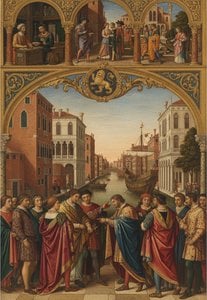
Vittore Carpaccio: Venetian Renaissance Narrative & the Poetics of Detail
Explore the captivating world of Vittore Carpaccio, a master storyteller of the Venetian Renaissance. Discover his intricate details, narrative cycles like 'The Legend of St. Ursula,' and unique artistic style.