


 Zobraziť v interiéri
 Odoslať
 Zdieľať
 Podrobnosti
 Príručkovo

 Stiahnuť
 Podobné položky
 RTG skúška
 Prehliadanie diapo\]
 Štatistiky
Poem


 Prečítať si viac
Ručne maľovaná olejová reprodukcia
Ručne maľovaný olej na plátne vo vašej zvolenej veľkosti a v ráme, vyrobený na mieru našimi umelcami. ( Prepnúť na tlač Prepnúť na digitálnu verziu obrazu)




































Vyberte si z našich preddefinovaných rozmerov, ktoré zodpovedajú pôvodným pomeroḿ diela.

Môžete zadať vlastné rozmery tak, aby sa hodili do konkrétneho rámu alebo priestoru. Ak sa váš zvolený rozmer nezhoduje s pôvodnými proporciami obrazu, dielo buď orezáme, alebo ho doplníme ručne maľovanými prvkami. Pred začiatkom výroby vám zašleme digitálny náhľad na schválenie.
Upozorňujeme, že ukážka na obrazovke neodráža skutočné orezanie ani doplnenie. Skutočnú finálnu kompozíciu zobrazuje iba digitálny náhľad.
Hoci sú k dispozícii vlastné rozmery, odporúčame vybrať rozmer z preddefinovaného zoznamu, aby sme zachovali pôvodné proporcie.
Po odoslaní objednávky vám tím ArtsDot.com pošle e-mail s pokynmi a poskytne náhľad na návrh
Celosvetová doprava () za 3 až 4 týždne namiesto štandardných 5 týždňov. (23 september). Bez kompromisov v kvalite.

Bezplatná expresná doprava po celom svete

Vysokokvalitné lnianske plátno

Úplné poistenie prepravy

Záruka vrátenia colného poplatku

Záruka presného farebného zhodnutia

100-dená politika vrátenia tovaru (iba pri vadách)

100% záruka vrátenia peňazí

Ponuka množstevnej zľavy
 Možnosť skla je dostupná len pri rozmeroch pod 110 cm

Poem
Spôsob reprodukcie
Veľkosť reprodukcie
-


Celková cena
$ 263
Súvisiace diela


Biografia umelca
A Life Dedicated to Zen: The World of Gesshū Sōko
Gesshū Sōko, born in Hizen Province, Japan, in 1618 and passing away in 1696, was far more than simply a calligrapher or poet. He embodied the spirit of Zen Buddhism as both a dedicated teacher within the Sōtō school and a pivotal figure in its reformation during the Edo period. His life unfolded against a backdrop of evolving religious practices and societal shifts, and he navigated these complexities with a profound commitment to his faith and artistic expression. While many artists leave behind a tangible body of work—paintings, sculptures, or architectural marvels—Sōko’s legacy is largely found in the revitalization of monastic codes and the deeply personal reflections captured within his calligraphy and poetry.
Early Life and Zen Training
Details surrounding Sōko's early life remain somewhat elusive. However, it is known that he embarked on a rigorous path of Zen training, initially under teachers associated with the lesser-known ōbaku school—a branch of Zen originating from China. This exposure to a more strictly monastic approach would profoundly shape his later efforts within the Sōtō tradition. The ōbaku school’s emphasis on disciplined practice and direct experience likely instilled in him a desire for clarity and authenticity, qualities that permeate both his teachings and artistic endeavors. He wasn't content with merely preserving existing traditions; he sought to refine them, stripping away perceived excesses and returning to the core principles of Zen.
The Revitalizer of Sōtō Monasticism
Sōko’s most significant contribution lay in his reformation of the Sōtō monastic codes. By the 17th century, some aspects of the Sōtō school had become diluted or overly ritualized. Recognizing this, he undertook a systematic effort to restore the original spirit of *zazen* (seated meditation) and emphasize the importance of direct personal realization. This wasn’t a revolutionary upheaval but rather a careful recalibration—a return to foundational principles. For his dedication to this cause, Sōko earned the fitting title “The Revitalizer.” He believed that true understanding arose not from intellectual study alone, but from immersive practice and unwavering self-reflection.
Calligraphy as Spiritual Practice
Central to understanding Gesshū Sōko is recognizing his calligraphy not merely as an artistic skill, but as a direct extension of his Zen practice. Each brushstroke was imbued with intention, each character a manifestation of his meditative state. His works are characterized by their simplicity and elegance—a deliberate rejection of ostentation in favor of profound clarity. He frequently employed Chinese verses alongside Japanese script, reflecting the deep historical connections between Zen Buddhism and Chinese culture. A particularly striking example is his piece titled ‘Poem,’ which showcases aged paper and gold leaf, creating a timeless work that invites contemplation on life’s impermanence and the beauty found within transience.
Poetry and Reflections on Life and Death
Beyond calligraphy, Sōko was a gifted poet whose verses offer poignant insights into the Zen worldview. His most famous poem, often referred to as his death poem, encapsulates the essence of his teachings:
Inhale, exhaleForward, back
Living, dying:
Arrows, let flown each to each
Meet midway and slice
The void in aimless flight—
Thus I return to the source.
This poem is not a lament for mortality, but rather an acceptance of it as an integral part of existence. The imagery of arrows meeting and slicing through the void speaks to the fleeting nature of life and the ultimate liberation found in surrendering to the present moment. It’s a testament to his ability to distill complex philosophical concepts into concise, evocative language. His passing of Dharma transmission to Manzan Dōhaku further solidified his legacy, ensuring the continuation of Sōtō Zen's revitalized spirit for generations to come.

gesshū sōko
1618 - 1696 , Japan
Rýchle fakty
- Artistic Movement Or Style: Zen Calligraphy, Poetry
- Artists Or Movements Influenced By This Artist: ['Manzan Dōhaku']
- Date Of Birth: 1618
- Date Of Death: 1696
- Full Name: Gesshū Sōko
- Nationality: Japanese
- Notable Artworks: ['Poem']
- Place Of Birth: Hizen Province, Japan
Súvisiace články

Japonisme: How Japanese Woodblock Prints Revolutionized Western Art
Explore the profound impact of Japonisme on Western art. Discover how Japanese ukiyo-e woodblock prints revolutionized perspective, color, and composition for masters like Monet and Van Gogh, forever changing the course of modern art history.

Katsushika Hokusai: 25 Majstrovských Diel pre Krásu Vášho Domova | ArtsDot.com
Ponorte sa do sveta Katsushika Hokusaiho a objavte 25 jeho najznámejších umeleckých diel. Ukiyo-e, The Great Wave, Fujiyama – príbehy za ikonickými obrazmi. Kvalitné reprodukcie pre váš domov na ArtsDot.com.
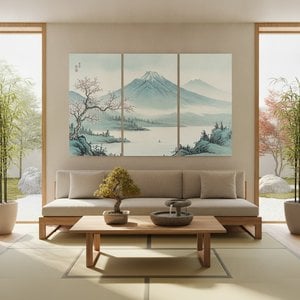
Serene Zen: Transforming Your New Home with the Timeless Elegance of Japanese Landscape Art
Transform your new home into a sanctuary of peace with stunning Japanese landscape art. Discover the beauty of Ukiyo-e and hand-painted Zen masterpieces designed to bring harmony and timeless elegance to your shared space. Expertly curated for modern lovers of fine art.
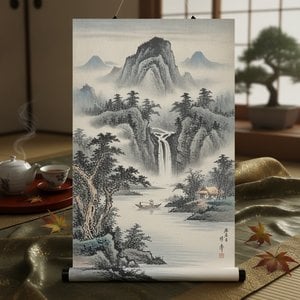
Serenity on Canvas: A Guide to the Timeless Beauty of Japanese Landscape Painting
Discover the serene beauty of Japanese landscape painting. From Hokusai's iconic woodblock prints to meditative sumi-e ink washes, explore a visual journey through the 'floating world' and learn how to bring this timeless Zen aesthetic into your modern home decor.

Xie Zhiliu: A Legacy of Ink Wash Painting & Modern Chinese Literati Tradition
Explore the legacy of Xie Zhiliu, a master of Chinese ink wash painting & prominent figure in modern art. Discover his techniques, influences, and contributions to literati tradition. A guide for discerning collectors.