


 Zobraziť v interiéri
 Odoslať
 Zdieľať
 Podrobnosti
 Príručka

 Stiahnuť
 Podobné položky
 RTG skúška
 Prehliadanie diapo\]
 Štatistiky
Landscape

 Prečítať si viac
Ručne maľovaná olejová reprodukcia
Ručne maľovaný olej na plátne vo vašej zvolenej veľkosti a v ráme, vyrobený na mieru našimi umelcami. ( Prepnúť na tlač Prepnúť na digitálnu verziu obrazu)




P118B €10

P118H €10

P118W €10

P438Z €10

P508JH €12

P508YH €12

P805H €10

P805Z €10

P919BZ €10

P919G €10

P919XJ €10

P959ZH €10

P968JZ €12

W106C €8

W218G €10

W218JH €8

W218Y €10

W307PJ €10

W316G €10

W316PJ €8

W316Y €10

W398PJ €8

W4111J €10

W500HY €15

W500JH €15

W692G €12

W849H €8

W940BG €15

W953PJ €8




Vyberte si z našich preddefinovaných rozmerov, ktoré zodpovedajú pôvodným pomeroḿ diela.

Môžete zadať vlastné rozmery tak, aby sa hodili do konkrétneho rámu alebo priestoru. Ak sa váš zvolený rozmer nezhoduje s pôvodnými proporciami obrazu, dielo buď orezáme, alebo ho doplníme ručne maľovanými prvkami. Pred začiatkom výroby vám zašleme digitálny náhľad na schválenie.
Upozorňujeme, že ukážka na obrazovke neodráža skutočné orezanie ani doplnenie. Skutočnú finálnu kompozíciu zobrazuje iba digitálny náhľad.
Hoci sú k dispozícii vlastné rozmery, odporúčame vybrať rozmer z preddefinovaného zoznamu, aby sme zachovali pôvodné proporcie.
Po odoslaní objednávky vám tím ArtsDot.com pošle e-mail s pokynmi a poskytne náhľad na návrh
Celosvetová doprava () za 3 až 4 týždne namiesto štandardných 5 týždňov. (14 október). Bez kompromisov v kvalite.

Bezplatná expresná doprava po celom svete

Vysokokvalitné lnianske plátno

Úplné poistenie prepravy

Záruka vrátenia colného poplatku

Záruka presného farebného zhodnutia

100-dená politika vrátenia tovaru (iba pri vadách)

100% záruka vrátenia peňazí

Ponuka množstevnej zľavy
 Možnosť skla je dostupná len pri rozmeroch pod 110 cm

Landscape
Spôsob reprodukcie
Veľkosť reprodukcie
-


Celková cena
€ 228
Súvisiace diela


Biografia umelca
Early Life and Artistic Foundations
Frederick William Jackson, born on April 4th, 1843, in the small New York community of Keeseville, emerged from a family that nurtured artistic inclination. His father, George Hallock Jackson, provided stability, while it was his mother, Harriet Maria Allen—a skilled watercolorist herself—who first ignited within him a passion for visual expression. From a young age, Frederick demonstrated a natural talent, receiving foundational training directly from his mother’s practiced hand. This early exposure wasn't merely technical; it instilled in him an appreciation for the subtleties of light and color that would permeate his later work. He absorbed the lessons of Barbizon painters—artists who championed plein air painting and sought to depict nature with uncompromising realism—influencing his artistic sensibilities profoundly. However, Jackson’s path was soon diverted by the tumultuous events unfolding across the nation. In October 1862, he enlisted in the 12th Vermont Infantry, serving for nine months during the Civil War. This period proved formative not through battle, but through observation. He meticulously sketched scenes of army life—the weariness of soldiers, the starkness of camp settings, and the quiet moments between engagements—laying the groundwork for a lifelong dedication to documenting the world around him with an artist’s eye. This careful attention to detail would become a hallmark of his artistic style. Following his service, he briefly established himself as an artistic painter in Rutland, Vermont, but the allure of something more expansive beckoned.Westward Expansion and Photographic Pioneering
In 1866, Jackson embarked on a transformative journey westward, traveling along the newly constructed Union Pacific Railroad. This wasn’t simply a relocation; it was an immersion into a landscape undergoing rapid change—a land of vast prairies, towering mountains, and diverse cultures. He quickly recognized the power of photography to capture this evolving frontier. Recognizing the limitations of traditional painting in conveying the grandeur of the American West, he turned his gaze toward the emerging medium of photogravure. Establishing a business with his brother Edward in Omaha, Nebraska, in 1867, Jackson began documenting the Native American tribes inhabiting the region: the Osages, Otoes, Pawnees, Winnebagoes, and Omahas. These weren’t merely ethnographic studies; they were portraits of dignity and resilience, capturing a way of life on the cusp of profound alteration. He utilized Daguerreotype—a revolutionary photographic process developed by Louis Daguerre—to create stunningly detailed images that captured the essence of these communities. His work earned him the moniker “Missionary to the Indians,” reflecting his respectful approach and desire to preserve their image for posterity. A pivotal commission from the Union Pacific Railroad in 1869 further solidified his career. Tasked with photographing scenery along railroad routes, Jackson’s images served a promotional purpose—enticing settlers and investors westward—but also possessed an inherent artistic merit. This led to his most significant collaboration: joining Ferdinand Hayden's geological survey in 1870.Documenting Yellowstone and Shaping National Identity
Jackson’s participation in Hayden’s geological surveys, particularly the expeditions of 1870-1871 focused on the Yellowstone River region and Rocky Mountains, proved to be a watershed moment. He recognized that capturing the sublime beauty of these landscapes required a new approach—one that went beyond mere representation. Collaborating closely with Thomas Moran—another artist deeply invested in portraying the American West—Jackson pioneered the wet collodion process—a complex technique demanding both technical skill and unwavering dedication. This method allowed for exceptionally sharp images, revealing textures and colors previously unattainable through earlier photographic processes. He utilized various camera types, from stereographic cameras to large format (up to 18x22") equipment, navigating challenging conditions and relying on ingenuity to overcome logistical hurdles. His photographs weren’t simply scientific documentation; they were evocative landscapes that conveyed the awe-inspiring grandeur of Yellowstone—a landscape that would soon inspire Congress to establish Yellowstone National Park in 1872. This monumental decision enshrined this natural wonder for future generations, cementing Jackson's legacy as a champion of conservation and artistic innovation. His contribution wasn’t just visual; it was instrumental in shaping national identity and fostering a profound appreciation for America’s wilderness heritage.Legacy and Artistic Versatility
Frederick William Jackson’s influence extended beyond his photographic achievements—though those undeniably stand apart. He continued to paint, producing a diverse body of work that included landscapes, portraits, and genre scenes. His paintings often reflect the same meticulous observation and appreciation for natural light evident in his photographs.- His landscapes, like “Landscape” depicting a rural village, reveal a sensitivity to color and atmosphere reminiscent of Impressionism.
- He was adept at utilizing different mediums, seamlessly transitioning between painting and photography throughout his career.

Frederick William Jackson
1843 - 1942 , USA
Rýchle fakty
- Artistic Movement Or Style: Realizmus, impresionizmus
- Artists Or Movements Influenced By This Artist: ['Západné krajinky fotografia']
- Artists Who Influenced This Artist: ['Francúzski impresionisti']
- Date Of Birth: 4. apríla 1843
- Date Of Death: 1942
- Full Name: Frederick William Jackson
- Nationality: Američan
- Notable Artworks:
- Scéna výroby syra
- Portrét Johna Armitagea
- Place Of Birth (City And Country): Keeseville, USA
Súvisiace články

Beyond the Horizon: A Curated Guide to Integrating Post-Impressionist Landscapes into Modern Interiors
Transform your home with the emotive power of Post-Impressionist landscapes. Discover expert tips on selecting hand-painted oil reproductions to create a soulful, vibrant interior that reflects your unique style and connection to nature.

Top 10 impresionistických krajín: Majstrovské diela, ktoré zmenili umenie
Ponorte sa do sveta impresionizmu! Objavte top 10 majstrovských diel krajinárskej maľby od Monet, Renoir a ďalších. Inšpirujte sa farebnými plátnami a prineste si kúsok francúzskeho umenia do vášho interiéru s ArtsDot.com. Preskúmajte rozsiahlu kolekciu online!
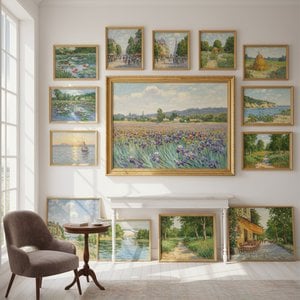
Top 10 impresionistických krajín: Majstrovské diela, ktoré zmenili umenie a dekoráciu interiéru
Ponorte sa do sveta impresionizmu! Objavte top 10 majstrovských diel krajinárstva od Monet, Renoir a ďalších. Inšpirujte sa farebnými plátnami a dekorujte svoj dom s ArtsDot.com – múzejnou kvalitou pre váš interiér. Preskúmajte kolekciu online!

Frederick William Jackson: Capturing the American West Through Luminist Vision & Narrative Detail
Explore the captivating works of Frederick William Jackson, a pioneer of Western realism & Luminist painting. Discover his atmospheric landscapes, depictions of Native American life, and lasting legacy. Learn more at ArtsDot.

John Constable: Top 25 Majstrovských Diel pre Váš Domov | ArtsDot.sk
Ponorte sa do sveta Johna Constabla s ArtsDot.sk! Objavte top 25 majstrovských diel anglického romantizmu – od ikonického Hay Wain až po krajinárske motívy Suffolku. Kvalitné reprodukcie obrazov pre váš domov. Preskúmajte celú kolekciu online!