

 Náhľad v interiéri
 Odoslať ako digitálnu kartu
 Zdieľať
 Podrobnosti o dielo
 Príručka

 Stiahnuť obraz
 Podobné položky
 RTG skúška
 Prehliadanie diapozoje
 Otázky a odpovede
 Štatistiky
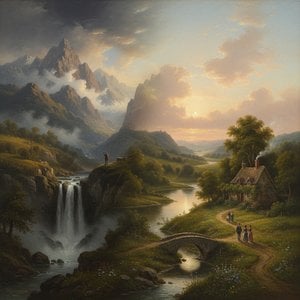
Solitude

 Zobraziť viac
Giclée / Umenotlač
Giclée tlač alebo plátno múzeálnej kvality s rýchlou výrobou a rôznymi možnosťami povrchovej úpravy. ( Kúpiť ručne maľovaný obraz Prepnúť na digitálny obraz)




































Vyberte si z našich preddefinovaných rozmerov, ktoré zodpovedajú pôvodným pomeroḿ diela.

Zadajte šírku a výšku, ktoré potrebujete, aby sa reprodukcia hodila k vášmu rámu alebo stene. Print možno len orezávať, nikdy však nemennú veľkosť zvětšiť oproti pôvodnému obrázku, preto pri inom formáte stráca časť obrazu. Pred samotným vytlačiacím procesom vám pošleme digitálny náhľad na schválenie. Obrázok zobrazený na tejto stránke nezobrazuje reálny rez — len digitálny náhľad ukazuje presný výsledok.
Celosvetová doprava () do 2 týždňov namiesto štandardných 4 až 5 týždňov. (12 november)

Bezplatná expresná doprava po celom svete

Vysokokvalitné lnianske plátno

Kompletné poistenie prepravy

Záruka vrátenia colného poplatku

Záruka presného farebného zhodnutia

100-dená politika vrátenia tovaru (iba pri vadách)

100% záruka vrátenia peňazí

Zľava pri väčšom množstve
 Možnosť skla je dostupná len pri rozmeroch pod 110 cm

Solitude
Giclée / Umenotlač
Veľkosť reprodukcie
-


Celková cena
€ 56
Podobné diela


Biografia umelca
Frederick Richard Lee (1798–1879) – Art UK
Frederick Richard Lee, born in Barnstaple, Devon, in 1798, dedicated his life to capturing the serene beauty of the British countryside and beyond. His artistic journey spanned over six decades, a testament to both enduring passion and considerable skill. From humble beginnings, he ascended within the art world, becoming a respected member of the Royal Academy and leaving behind a legacy of idyllic landscapes that continue to resonate with audiences today. Lee’s early inclinations led him to London in 1818, where he enrolled as a student at the prestigious Royal Academy. This formal training provided a solid foundation for his developing talent, instilling technical proficiency and an understanding of composition that would characterize his future work. By 1834, Lee had begun establishing himself as a promising artist, earning recognition with paintings like “Bringing in the Stag,” now held in the Tate Gallery’s collection. This early success paved the way for his election as an Associate of the Royal Academy (A.R.A.) that same year—a significant milestone signifying acceptance within the established art community. Just four years later, in 1838, he achieved full membership, solidifying his position among Britain’s leading artists.Romantic Influences and Artistic Development
Lee's artistic style was deeply rooted in the Romantic movement, an era that celebrated emotion, imagination, and the sublime power of nature. He shared a particular affinity with the work of John Constable, whose masterful depictions of the English countryside profoundly influenced Lee’s own approach to landscape painting. Like Constable, Lee possessed a keen eye for detail and a remarkable ability to capture atmospheric effects, imbuing his scenes with tranquility and naturalism. His canvases often feature lush pastoral settings, populated by grazing cattle, rolling hills, and idyllic rural life—scenes that evoked a nostalgic longing for a simpler time. He meticulously observed the subtleties of light and color, striving to convey not merely what he saw but also how he felt about it – a hallmark of Romantic sensibility. Lee’s dedication to capturing the essence of nature extended beyond mere representation; he sought to evoke emotion in his viewers, mirroring the profound connection between humanity and the natural world that characterized the movement's core beliefs.Notable Paintings & Collaborations
Lee produced over 300 paintings throughout his lifetime, demonstrating exceptional artistic productivity and unwavering commitment to craft. Among his most celebrated works are “Bringing in the Stag,” a monumental depiction of rural life at Tate Gallery, showcasing Lee’s mastery of composition and color palette. Equally impressive is “Gillingham Mill,” capturing the quiet beauty of a riverside landscape with remarkable precision. Furthermore, he collaborated extensively with fellow artists Sir Edwin Landseer and Thomas Sidney Cooper on ambitious projects—most notably “Rock of Gibraltar,” which portrays the dramatic coastline of Spain with breathtaking grandeur. These collaborations underscored Lee’s belief in collective artistic endeavor and enriched his oeuvre with diverse perspectives and techniques. The resulting paintings stand as testament to Lee's ability to inspire creativity within others, furthering his contribution to British art history.A Life Dedicated to Observation & Artistic Pursuit
Lee’s formative years were spent in Barnstaple, Devon, where he was born into a family of architects—a heritage that instilled in him an appreciation for design and spatial awareness. He moved to London in 1818, enrolling at the Royal Academy and immersing himself in artistic training. This period solidified his technical skills and fostered his understanding of artistic principles, shaping his future creative endeavors. Lee’s personal life was marked by marriage and family—he married Harriet in 1830 and had three children. He continued to pursue his passion for painting throughout his life, traveling extensively in Britain and Europe, documenting landscapes and capturing fleeting moments of beauty. His unwavering dedication to artistic pursuit exemplifies the spirit of Victorian era, where intellectual curiosity and creative expression flourished. Lee’s later years were spent residing at Broadgate House near Pilton—a location that provided inspiration for many of his paintings, particularly “North Duffield Bridge,” which captures the serene charm of a Devon village landscape.Legacy & Recognition
Frederick Richard Lee's enduring legacy rests on his contribution to British landscape painting and Romantic art tradition. His meticulous observation of nature combined with skillful execution resulted in artworks that continue to captivate audiences today—works celebrated for their beauty, tranquility, and evocative portrayal of rural life. He was elected a Fellow of the Royal Academy in 1838—a prestigious honor recognizing his artistic merit and cementing his position among Britain’s foremost artists. Lee's paintings are housed in numerous public collections across England and beyond, ensuring that his vision of natural world will inspire future generations. His work serves as reminder of Romantic movement's fascination with sublime landscapes and its belief in art's capacity to elevate the human spirit—a testament to Lee's enduring influence on British artistic heritage.
Frederick Richard Lee
1798 - 1879 , Spojené kráľovstvo
Základné informácie
- Artistic Movement Or Style: Romantizmus
- Artists Or Movements Influenced By This Artist: ['Landscape painting']
- Artists Who Influenced This Artist: ['John Constable']
- Date Of Birth: 1798
- Date Of Death: 1879
- Full Name: Frederick Richard Lee
- Nationality: Británsky
- Notable Artworks:
- Bringing in the Stag
- Gillingham Mill
- Rock of Gibraltar
- Place Of Birth: Barnstaple, UK
Súvisiace články

Frederick Richard Lee: Capturing Victorian Domestic Life on Canvas
Explore the captivating Victorian genre paintings of Frederick Richard Lee. Discover his life, style, influences & legacy. Expert insights for collectors and art enthusiasts at ArtsDot.
The Sublime and the Picturesque: Exploring Emotion & Nature in Romantic Landscape Painting
Explore the emotional power of Romantic landscape painting! Discover the sublime & picturesque aesthetics, key artists like Friedrich & Cole, and lasting influence on art history. Find your perfect piece at ArtsDot.

Hubert Robert: Picturing Ruins, Preserving Memory – A Study of Romantic Antiquarianism & Artistic Innovation
Explore the captivating world of Hubert Robert, master of Romantic landscape painting & 'capriccio' ruins. Discover his historical context, artistic innovations, and collecting insights with ArtsDot.

The Sublime and the Picturesque: Exploring Emotion & Nature in Romantic Landscape Painting
Explore the emotional power of Romantic landscape painting! Discover the sublime & picturesque traditions, key artists like Friedrich & Cole, and find your perfect artwork at ArtsDot.

Top 10 Majstrov Romantickej Krajinomaľby: Obrazy, ktoré zmenili svet umenia
Ponorte sa do sveta romantickej krajinomaľby! Objavte top 10 majstrovských diel od Friedricha, Turnera a ďalších. Historické obrazy prírody s nádychom emócií. Reprodukcie obrazov pre váš interiér na ArtsDot.com.