

 Náhľad v interiéri
 Odoslať ako digitálnu kartu
 Zdieľať
 Podrobnosti o dielo
 Príručka

 Stiahnuť obraz
 Podobné položky
 RTG skúška
 Prehliadanie diapozoje
 Otázky a odpovede
 Štatistiky
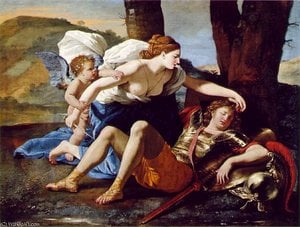
Rinaldo and Armida

- 135.0 x 170.0 cm


 Zobraziť viac
Giclée / Umenotlač
Giclée tlač alebo plátno múzeálnej kvality s rýchlou výrobou a rôznymi možnosťami povrchovej úpravy. ( Kúpiť ručne maľovaný obraz Prepnúť na digitálny obraz)




P118B €10

P118H €10

P118W €10

P438Z €10

P508JH €12

P508YH €12

P805H €10

P805Z €10

P919BZ €10

P919G €10

P919XJ €10

P959ZH €10

P968JZ €12

W106C €8

W218G €10

W218JH €8

W218Y €10

W307PJ €10

W316G €10

W316PJ €8

W316Y €10

W398PJ €8

W4111J €10

W500HY €15

W500JH €15

W692G €12

W849H €8

W940BG €15

W953PJ €8




Vyberte si z našich preddefinovaných rozmerov, ktoré zodpovedajú pôvodným pomeroḿ diela.

Zadajte šírku a výšku, ktoré potrebujete, aby sa reprodukcia hodila k vášmu rámu alebo stene. Print možno len orezávať, nikdy však nemennú veľkosť zvětšiť oproti pôvodnému obrázku, preto pri inom formáte stráca časť obrazu. Pred samotným vytlačiacím procesom vám pošleme digitálny náhľad na schválenie. Obrázok zobrazený na tejto stránke nezobrazuje reálny rez — len digitálny náhľad ukazuje presný výsledok.
Celosvetová doprava () do 2 týždňov namiesto štandardných 4 až 5 týždňov. (10 november)

Bezplatná expresná doprava po celom svete

Vysokokvalitné lnianske plátno

Kompletné poistenie prepravy

Záruka vrátenia colného poplatku

Záruka presného farebného zhodnutia

100-dená politika vrátenia tovaru (iba pri vadách)

100% záruka vrátenia peňazí

Zľava pri väčšom množstve
 Možnosť skla je dostupná len pri rozmeroch pod 110 cm

Rinaldo and Armida
Giclée / Umenotlač
Veľkosť reprodukcie
-


Celková cena
€ 56
A Symphony of Sensuality: The Enchantment of Rinaldo and Armida
In the grand tapestry of the Rococo era, few works capture the delicate tension between passion and duty as exquisitely as François Boucher’s 1734 masterpiece, Rinaldo and Armida. This monumental canvas serves as a breathtaking window into the heart of 1-8th century French elegance, where the boundaries between myth and reality dissolve into a dreamscape of soft light and romantic longing. The painting draws its profound narrative power from Torquato Tasso’s epic poem, Jerusalem Delivered, presenting a moment of suspended animation where the chaos of crusade and conflict is momentarily silenced by the overwhelming force of desire.
At the center of this visual poem lies the intimate encounter between the valiant Christian knight, Rinaldo, and the enchanting sorceress, Armida. Boucher masterfully captures a scene of profound tenderness; as Rinaldo rests in a state of vulnerable repose, Armida leans over him, her fingers gently entwined in his hair. This simple, evocative gesture symbolizes more than mere affection—it represents the subtle triumph of enchantment over heroism, and the irresistible pull of the senses over the dictates of war. The surrounding landscape, an idealized pastoral Arcadia, reinforces this sense of escapism, offering a sanctuary of lush greenery and classical ruins that feels both timeless and otherworldly.
The Mastery of Rococo Technique and Light
To behold this work is to witness the pinnacle of Boucher’s technical virtuosity. The artist employs the hallmark characteristics of the Rococo style with unparalleled grace, utilizing a delicate layering of translucent glazes to achieve a luminous, pearlescent skin tone that seems to glow from within. His use of chiaroscuro—the sophisticated interplay between light and shadow—does not merely define form but imbues the entire composition with an atmospheric depth, as if a soft mist were clinging to the edges of the forest. The color palette is a triumph of pastel harmonies, where silken draperies in muted blues and rosy pinks dance against the verdant, sun-dappled backdrop.
Every brushstroke serves the larger purpose of decorative elegance. Notice the fluid movement of the fabrics and the meticulous attention to the textures of the surrounding elements—the weathered stone of an abandoned temple, the soft plumage of nearby figures, and the intricate strings of a harp held by playful putti. These details create a sensory experience that transcends the flat surface of the canvas, inviting the viewer to step into a world where beauty is the highest law. For the discerning collector or interior designer, such a piece offers more than mere decoration; it provides a focal point of profound sophistication, capable of anchoring a room with its historical weight and aesthetic splendor.
A Timeless Legacy for the Modern Collector
Beyond its technical brilliance, Rinaldo and Armida resonates emotionally through its exploration of universal themes: the vulnerability of the human heart and the transformative power of love. The presence of angelic messengers and pagan deities in the periphery serves as a poignant reminder of the era's intellectual fascination with the clash between divine piety and earthly temptation. It is a painting that breathes with life, offering a sense of movement and emotional complexity that remains strikingly modern.
For those seeking to infuse their living spaces with the opulence of the French court, a high-quality reproduction of this work offers an unparalleled opportunity. Whether placed in a sunlit gallery or a stately study, the painting’s soft light and romantic narrative act as a source of constant inspiration. It is an investment in atmosphere, bringing the legendary charm of Boucher’s Paris into the contemporary home, and ensuring that the exquisite spirit of the Rococo continues to enchant generations to come.
Otázky a odpovede
Aká veľkosť a orientácia sa odporúčajú pre tlač diela „Rinaldo and Armida“ od François Boucher?
Odporúčaná veľkosť pre tlač diela „Rinaldo and Armida“ od François Boucher je Large v orientácii Landscape.
Akú farebnú harmóniu predstavuje „Rinaldo and Armida“ od François Boucher?
Farby diela „Rinaldo and Armida“ od François Boucher vykazujú Strong Color Unity harmóniu. Harmónia popisuje vzájomný vzťah medzi farbami.
Aká sýta je paleta diela „Rinaldo and Armida“?
Farby diela „Rinaldo and Armida“ od François Boucher majú Subtle Color saturáciu. Saturácia určuje, ako sú farby živé alebo tlmené.
Podobné diela




Biografia umelca
François Boucher: Kráľ Rokoka a Jeho Svět
François Boucher (1703-1770) predstavuje prekladateľný bod v histórii francúzskej výtvarnej tvorby, spájajúci sa s obdobím rokoka. Jeho diela nesú v sebe eleganciu, smäľu a hravosť charakteristické pre tento vplyvný štýl, čím sa stal jedným z najvýznamnejších maľiarov svojej doby. Boucherova tvorba nie je len zbierkou obrazov; je to odraz spoločenských hodnôt, luxusu a túžby po potešenie, ktoré definovali francúzsku aristokraciu 18. storočia.
Detstvo a Školné Roky
François Boucher sa narodil 29. septembra 1703 v Paríži, kde jeho umelecká cesta začala pod vedením otca, Jean-a Bouchera, ktorý bol sám maľiar. Už v mladom veku, v roku 1720, dokázal svoj talent a vyhrátil prestížny Grand Prix de Rome – cenu, ktorá mu otvorila cestu do najvyšších kruhov parížskej umeleckej scény. Pred týmto významným úspechom však získal základné vzdelanie u ďalšieho maľára, François Lemoyne, a neskôr pracoval ako pomocník pri graverovaní pod vedením Jean-François Cars. Tento raný výcvik mu poskytol cenné základy v oblasti kreslenia a techniky, ktoré sa neskôr prejavili v jeho tvorbe.
Vzostup k Prominentnosti a Vývoj Tvorby
Po návrate z Talianska, kde získal Grand Prix de Rome, Boucher okamžite vstúpil do akadémie – Académie Royale de Peinture et de Sculpture v roku 1731. Jeho debut, obraz *Rinaldo a Armida* (1734), okamžite ukázal jeho maľerskú zručnosť a schopnosť precítiť sa s témami mytológie a pastoračných scén. V tomto období sa jeho osobitný štýl začínal formovať – charakterizovaný jemným štetcom, pastelovými farbami a dôrazom na detailné vyjadrenie krásy a smäľa.
Kľúčové Práce a Motívy
Boucherova zbierka obsahuje širokú škálu tém – od mytologických príbehov cez portréty, krajinárske scény až po dekoratívne motívy. Medzi jeho najznámejšie diela patrí:
- “Raňajky” (1739): Jemná a elegantná reprezentácia domáceho života, zobrazujúca jeho manželku a deti v pokojnej atmosfére.
- “Víťazstvo Venúsy” (1740-1751): Séria obrazov, ktoré dokazujú Boucherovu maštrelnosť pri vyjadrovaní mytologických príbehov s dôrazom na krásu a eleganciu.
- Portréty Madame de Pompadour: Jeho spolupráca s Madame de Pompadour, vplyvnou dámou kráľa Lýva XV., mu zabezpečila prestíž a bohatý prúd zakázok.
- Krajinárske diela, ako “Západ Slnka”, ktoré zobrazujú idylické a pokojné prostredie prírody.
Boucher často zdôrazňoval témy lásky, krásy, potešenia a ideálneho sveta mytológie. Jeho diela sú plné hravosti a smäľa, čím sa stávajú symbolom luxusu a dobrej spoločnosti 18. storočia.
Vplyv a Dedikácia
Boucherov vplyv presahoval samotnú maľbu. Bol tiež významným dizajnérom kostýmov pre divadlá, tvorcom tapet pre dielne Beauvais a Gobelins a spolupracoval s výrobou porcelánu Vincennes a Sèvres. Jeho povzvyšovanie na *Premier Peintre du Roi* (Prvý kráľovský maľiar) v roku 1765 potvrdilo jeho postavenie ako najvýznamnejšieho umelca francúzskej rokoka. Jeho diela sa šírila po Európe, ovplyvňujúc umelecké trendy a formujúce štýl v krajinách ako Štokholm, Kodaň a Petrohrad.
Historická Dôležitosť
Boucherova tvorba poskytuje cenný pohľad na spoločenské hodnoty a zvyklosti 18. storočia Francúzska. Jeho diela odrážajú aristokraciu tej doby, charakterizovanú luxusom, eleganciou a túžbou po potešení. Jeho prácu si dnes pamätáme ako významný príklad umeleckej tvorby, ktorá definovala svoju dobu a dodnes inšpiruje umelcov.

François Boucher
1703 - 1770 , Francúzsko
Základné informácie
- Artistic Movement Or Style: Rokoko
- Artists Or Movements Influenced By This Artist: ['Jean-Honoré Fragonard']
- Artists Who Influenced This Artist:
- François Lemoyne
- Jean-François Cars
- Date Of Birth: 29. september 1703
- Date Of Death: 30. máj 1770
- Full Name: François Boucher
- Nationality: Francúzsky
- Notable Artworks:
- Rinaldo a Armida
- Raňajka
- Víťazstvo Venúsy
- Place Of Birth: Paríž, Francúzsko
Súvisiace články

The Rococo Reverie of Fragonard: Love, Leisure & Pleasure in 18th-Century France
Explore the captivating world of Jean-Honoré Fragonard! Discover his Rococo masterpieces, intimate portraits & the allure of 18th-century French art. Learn about 'The Progress of Love' and more at ArtsDot.
François Boucher: Rococo Master of Myth, Sensuality, and the French Court
Explore the captivating world of François Boucher, master of Rococo painting! Discover his iconic works, aristocratic patronage, and lasting influence on French art history. Learn more at ArtsDot.

Top 10 majstrovských diel rokokového umenia pre váš domov | ArtsDot.com
Ponorte sa do sveta rokokového umenia! Objavte top 10 majstrovských diel od Watteaua, Bouchera a ďalších. Luxusné reprodukcie obrazov pre váš domov na ArtsDot.com – inšpirujte sa pastelovými farbami a elegantnou výzdobou.

The Rococo Aesthetic: Opulence, Rebellion & the Pursuit of Pleasure in 18th-Century Art
Explore the opulent world of Rococo art! Discover its origins, key artists like Watteau & Boucher, and lasting influence on design. Expert insights for collectors & enthusiasts.

The Rococo Style: Aristocratic Leisure & the Pursuit of Delight in 18th-Century Art
Explore the opulent world of Rococo art! Discover Watteau, Boucher & Nattier's masterpieces. Expert insights for collectors seeking museum-quality reproductions and custom portraits at ArtsDot.

