


 Zobraziť v interiéri
 Odoslať
 Zdieľať
 Podrobnosti
 Príručka

 Stiahnuť
 Podobné položky
 RTG skúška
 Prehliadanie diapo\]
 Štatistiky
Animated Landscape
 Akryl na plátne
- WallArt
- Cubism
 1921
1921- High Medieval
 25.0 x 37.0 cm
 Prečítať si viac
Ručne maľovaná olejová reprodukcia
Ručne maľovaný olej na plátne vo vašej zvolenej veľkosti a v ráme, vyrobený na mieru našimi umelcami. ( Prepnúť na tlač Prepnúť na digitálnu verziu obrazu)




P118B €10

P118H €10

P118W €10

P438Z €10

P508JH €12

P508YH €12

P805H €10

P805Z €10

P919BZ €10

P919G €10

P919XJ €10

P959ZH €10

P968JZ €12

W106C €8

W218G €10

W218JH €8

W218Y €10

W307PJ €10

W316G €10

W316PJ €8

W316Y €10

W398PJ €8

W4111J €10

W500HY €15

W500JH €15

W692G €12

W849H €8

W940BG €15

W953PJ €8




Vyberte si z našich preddefinovaných rozmerov, ktoré zodpovedajú pôvodným pomeroḿ diela.

Môžete zadať vlastné rozmery tak, aby sa hodili do konkrétneho rámu alebo priestoru. Ak sa váš zvolený rozmer nezhoduje s pôvodnými proporciami obrazu, dielo buď orezáme, alebo ho doplníme ručne maľovanými prvkami. Pred začiatkom výroby vám zašleme digitálny náhľad na schválenie.
Upozorňujeme, že ukážka na obrazovke neodráža skutočné orezanie ani doplnenie. Skutočnú finálnu kompozíciu zobrazuje iba digitálny náhľad.
Hoci sú k dispozícii vlastné rozmery, odporúčame vybrať rozmer z preddefinovaného zoznamu, aby sme zachovali pôvodné proporcie.
Po odoslaní objednávky vám tím ArtsDot.com pošle e-mail s pokynmi a poskytne náhľad na návrh
Celosvetová doprava () za 3 až 4 týždne namiesto štandardných 5 týždňov. (10 október). Bez kompromisov v kvalite.

Bezplatná expresná doprava po celom svete

Vysokokvalitné lnianske plátno

Úplné poistenie prepravy

Záruka vrátenia colného poplatku

Záruka presného farebného zhodnutia

100-dená politika vrátenia tovaru (iba pri vadách)

100% záruka vrátenia peňazí

Ponuka množstevnej zľavy
 Možnosť skla je dostupná len pri rozmeroch pod 110 cm

Animated Landscape
Spôsob reprodukcie
Veľkosť reprodukcie
-


Celková cena
€ 226
Fernand Léger’s “Animated Landscape”: A Symphony of Cubism and Modernity
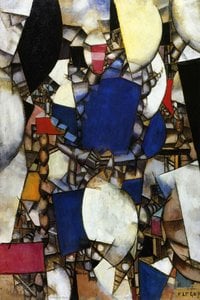
Fernand Léger's "Animated Landscape," painted in 1921, isn’t merely a depiction of a village scene; it’s a vibrant manifesto of the artist’s unique vision – a synthesis of his pioneering Tubist style with the foundational principles of Cubism. Measuring just 25 x 37 cm, this deceptively compact canvas explodes with energy and dynamism, inviting viewers into a world where everyday life is rendered through bold geometric forms and a captivating sense of movement. Léger, born Joseph Fernand Henri Léger in Argentan, Normandy, in 1881, possessed an early fascination with the mechanics of the industrial age, a theme that would become increasingly central to his artistic explorations throughout his career.
The painting’s core lies within Léger's distinctive Tubism – a term initially coined derisively by art critic Louis Vauxcelles but ultimately embraced as a descriptor for Léger’s innovative approach. Tubism, at its heart, sought to capture the essence of modern life through simplified, cylindrical shapes, creating an illusion of constant motion and suggesting the underlying structure of machines and industrial forms. This isn't a realistic portrayal; rather, it’s an abstracted representation of urban activity, filtered through Léger’s intensely personal aesthetic. The warm brown tonal palette provides a grounding backdrop for this bustling scene, allowing the geometric shapes to truly command attention.
Composition and the Dance of Form
The composition is meticulously crafted, revealing a complex interplay between architectural elements and human figures. At least twelve individuals populate the village, each rendered with a simplified, almost schematic quality – their forms reduced to cylinders and rounded planes. Notably, several are depicted carrying umbrellas, adding a touch of everyday life and suggesting a specific time of year, perhaps a rainy afternoon. The buildings surrounding the village aren’t presented as static structures; instead, they're fragmented and reassembled into a series of interlocking geometric shapes – tall, narrow towers juxtaposed with shorter, wider blocks. This deliberate distortion creates a sense of visual rhythm and contributes significantly to the painting’s overall feeling of movement.
Léger masterfully employs line and color to convey this dynamism. Bold, black lines delineate the edges of the buildings and figures, while varying shades of brown create depth and suggest texture. The use of overlapping shapes and planes further enhances the illusion of movement, as if the scene is constantly shifting and evolving before our eyes. It’s a deliberate departure from traditional perspective, prioritizing the suggestion of volume and form over strict adherence to realistic representation.
Context within Modern Art
"Animated Landscape" stands as a pivotal work within the context of early 20th-century art movements. Léger's exploration of geometric abstraction and his embrace of industrial forms anticipated later developments in Pop Art, demonstrating a remarkable prescience regarding the future direction of modern visual culture. The painting’s creation coincided with a period of rapid technological advancement and social change – a time when artists were grappling with how to represent the complexities and contradictions of the modern world. Léger's work reflects this spirit of experimentation and innovation, boldly rejecting traditional artistic conventions in favor of a new language of form and color.
Symbolism and Emotional Resonance
Beyond its formal qualities, “Animated Landscape” carries a subtle symbolic weight. The simplified figures evoke a sense of anonymity and universality, suggesting that the painting is not about any particular place or time but rather about the shared experience of urban life. The cylindrical shapes, reminiscent of machine parts, subtly allude to the increasing dominance of technology in modern society – a theme that would continue to preoccupy Léger throughout his career. The overall effect is one of controlled chaos, a vibrant and energetic depiction of a world in constant motion. It’s a painting that invites contemplation, prompting viewers to consider their own relationship with the rhythms and complexities of contemporary life.
A Captivating Reproduction
ArtsDot offers meticulously crafted hand-painted reproductions of Fernand Léger's "Animated Landscape," allowing you to bring this iconic artwork into your home or office. Each reproduction is created by skilled artists using archival quality materials, ensuring that the colors and details faithfully capture the essence of the original painting. Whether you’re an art enthusiast, a collector, or simply seeking a striking piece of décor, our reproductions provide a beautiful and authentic way to experience the genius of Fernand Léger.
Otázky a odpovede
Aká paleta a dominantná farba definujú "Animated Landscape"?
Farebná identita diela „Animated Landscape“ od Fernand Léger: paleta v odtieňoch Pastelové tóny, ktorej dominuje Khaki (#f8c582).
Ako sa v díle „Animated Landscape“ spájajú kontrast a harmónia?
Farebná analýza diela „Animated Landscape“ od Fernand Léger zachytáva Serene kontrast a Unified Palette harmóniu.
Kedy bolo vytvorené dielo „Animated Landscape“ od Fernand Léger?
Dielo „Animated Landscape“ pochádza z roku 1921. Toto datum zaraduje prácu do kariéry umelca Fernand Léger aj do jeho éry.
K ktorému umelcovi sa pripisuje dielo "Animated Landscape"?
Dielo „Animated Landscape“ vytvoril/a Fernand Léger. Informácie na tejto stránke opisujú originálne dielo umelca/ky Fernand Léger.
Kto je autorom diela "Animated Landscape" a do ktorého smeru patrí?
Dielo „Animated Landscape“ vytvoril/a Fernand Léger v štýle Cubism. Umenec a smer definujú tradíciu tohto diela.
V akom veku vytvoril/a Fernand Léger dielo „Animated Landscape"?
Fernand Léger vytvoril/a „Animated Landscape“ vo veku 40 rokov. Umenec sa narodil/a v roku 1881 a dielo pochádza z roku 1921.
Aké sú reálne rozmery diela „Animated Landscape“ od Fernand Léger?
Originálne rozmery diela "Animated Landscape" sú 25 x 37 cm. Pôvodné rozmery sú užitočným vodidlom pri výbere veľkosti reprodukcie.
Súvisiace diela




Biografia umelca
Fernand Léger: Život Vytvarovaný Formou
Fernand Léger, narodený Joseph Fernand Henri Léger v roku 1881 v malej dedinke Argentan v Normandii, je zásadnou figúrou v evolúcii moderného umenia. Jeho cesta od poľnohospodárskych krajín detstva až po popredné miesto v parížskej avantgárdovej scéne je dôkazom neochrabného umeleckého zrakového zážitku a neustáleho úsilia o zachytenie ducha strojárstva. Na rozdiel od mnohých svojich kolegov, ktorí abstraktný um prispôsobili ako únik od reprezentácie, hľadal *integráciu* modernosti – jej dynamiku, mechanické formy, jej samotnú esenciu – do nového vizuálneho jazyka, ktorý bol zároveň silne abstraktný a hlboko zakorennený v pozoriteľnom svete. Jeho rané roky, sprevádzané fyzickou prácou na farmách, poskytli protiklad k priemyselnému budúcemu, ktorému sa tak vášnivým spôsobom venoval. Počiatok jeho života bol určený ako architekt, ale po presune do Paríža okolo roku 1900, kde si zarobil ako stavebný kresliar, sa venoval maľbe. Táto obdoba bola poznačená tradičnými akademickými vzdelávacími programami, no až objavenie revolučných diel Paula Cézanneho začalo prebiehať skutočná transformácia.Narodenie ‘Tubizmu’ a Sekcia Zlatého
Retrospektíva Cézanneho v roku 1907 pôsobila ako katalyzátor, ktorý oslobodil Légera od konvenčných reprezentácií a poháňal ho k zameraniu sa na viac geometrický a štrukturálny prístup. Začal rozoberať formy, analyzovať ich základné štruktúry a znovu ich stavať na plátne s novým dôrazom na solídnosť a objem. Táto skúmanie rýchlo viedlo k jeho zapojeniu do okruhu Kubizmu, ale Léger nebol spokojný len s replikovaním štýlov Picasso alebo Braquea. Naopak, vyvinul svoj vlastný jedinečný idiom – osobnú formu kubizmu, ktorú kritici hravo preznamenali ako “Tubizmus”. Tento tubistický štýl sa vyznačoval cylindrickými formami, zredukovanými plochami a výraznými farebnými kontrastmi, oslavoval strojársku estetiku ešte predtým, než sa stala všeobecne rozšírenou. Jeho rané diela boli ovplyvnené impresionizmom a Cézanneho vplyvom, ktorý ho presvedčil o dôležitosti analýzy formy a objemu. Léger sa stal aktívnym účastníkom avantgárdového prostredia, pričom sa spojil s umelcami ako Jean Metzinger, Henri Le Fauconnier, Francis Picabia a Marcel Duchamp v skupine Puteaux, známej aj ako Sekcia Zlatého (The Golden Section). Táto skupina skúmala matematické princípy harmonie a proporcií, snažiac sa vniesť do svojho umenia pocit poriadku a racionality. Ich kolektívne výskumy posúvali hranice umeleckej tvorby a položili základy pre ďalšie rozvoj abstrakčného umenia.Vojna, Mechanizácia a Nová Estetika
Rozruch prvej svetovej vojny zásadne ovplyvnil Légerov život a dielo. Jeho služba na fronte od roku 1914 do 1916 ho vystavila krutej realite moderného konfliktu – artilérijským útokom, leteckej bitke a dehumanizujúcim efektom mechanizovaných bojových prostriedkov. Táto skúsenosť nezaviedla neporiadok alebo odmietanie modernity; naopak, posilnila jeho fascináciu strojmi a ich mocou. Náčrtky, ktoré urobil počas svojej služby, dokumentovali krásu vojenských technológií v svetle, transformujúc zbrane ničenia na objekty umeleckého premýšľania. Po návrate do civilného života sa jeho estetika ďalej vyvíjala. Jeho maľby začali odrážať viac zredukovanú, mechanickú senzibilitu, oslavujúce dynamiku a efektívnosť priemyselného sveta. *Soldier s fajkom* (1916) je príkladom tohto posunu, ktorý zobrazuje zjednodušené formy a výrazné farby, ktoré evokujú pocit mechanickej presnosti. Toto nebolo len estetické rozhodnutie; bolo to filozofický vyhlásenie – potvrdenie potenciálu modernosti pre pokrok a obnovu, aj v období devastujúcich konfliktov.Dielo a Trvalý Vplyv
V neskorších rokoch svojho života pokračoval Léger v skúmaní prepojenia umenia a priemyslu, vytváral diela oslavujúca moderné životy s jedinečnou kombináciou abstrakcie a figúry. Jeho séria *Animované krajiny* z roku 1921 ukázala postavy a zvieračky integrované do zredukovaných kompozícií, rozmaznáva hranice medzi organickým a neorganickým. Bol tiež experimentálny v sochách a filmovej tvorbe, rozširujúc svoj umelecký obzor za hranice tradičnej maľby. Légerov vplyv na ďalšie generácie umelcov je nepopierateľný. Jeho zredukovaná reprezentácia formy, prijatie strojárskej imagery a oslava populárnej kultury predznamenali nástup Pop Art desaťročia skôr. Umelci ako Roy Lichtenstein a Andy Warhol v ňom videli jasný dlh. Léger premostil medziu abstraktným umením a reprezentáciou, dokázal, že je možné vytvárať diela, ktoré sú zároveň intelektuálne náročné a vizuálne pútavé. Dnes sú maľby Fernanda Légera vystavené v hlavných múzeách po celom svete, vrátane Muzea umenia a dejín v Paríži a Muzea Fernanda Légera, špecificky venovaného jeho dielu. Zostáva zásadnou figúrou 20. storočia – vizionárom, ktorý odvážne hľadal krásu v strojárskom svete a prenášal jeho energiu na plátno s nevídanou odvahou a originalitou.
Fernand Léger
1881 - 1955 , Francúzsko
Rýchle fakty
- Artistic Movement Or Style: Tubism, Kubizmus
- Artists Or Movements Influenced By This Artist: ['Pop Art']
- Artists Who Influenced This Artist: ['Paul Cézanne']
- Date Of Birth: 4 Feb 1881
- Date Of Death: 17 Aug 1955
- Full Name: Fernand Léger
- Nationality: Francúzsky
- Notable Artworks:
- Les Nus dans la forêt
- Machine Element
- The Great Parade
- Place Of Birth: Argentan, Francúzsko
Súvisiace články

John Constable: Top 25 Majstrovských Diel pre Váš Domov | ArtsDot.sk
Ponorte sa do sveta Johna Constabla s ArtsDot.sk! Objavte top 25 majstrovských diel anglického romantizmu – od ikonického Hay Wain až po krajinárske motívy Suffolku. Kvalitné reprodukcie obrazov pre váš domov. Preskúmajte celú kolekciu online!

Priemyselná estetika v umení: 10 diel pre moderný interiér | ArtsDot
Ponorte sa do sveta priemyselnej estetiky s 10 ikonickými dielami od Moneta po Pollocka. Objavte príbehy, techniky a farebné motívy industriálneho umenia pre váš moderný interiér. Reprodukcie obrazov najvyššej kvality na ArtsDot.com.

Fernand Léger: Top 25 diel pre milovníkov moderného umenia a dizajnu interiéru
Objavte top 25 diel Fernand Légera – priekopníka kubizmu a tubizmu. Prežite príbeh za ikonickými obrazmi, farebnou kompozíciou a strojovým vekom. Reprodukcie pre váš interiér na ArtsDot.com! Preskúmajte celú kolekciu online.

Animalia: Trvalá prítomnosť zvierat v umení a dizajne interiérov
Preskúmajte fascinujúci svet zvierat v umení a dizajne interiérov. Od symboliky po terapeutické účinky – objavte ich trvalý význam s .

Top 10 Majstrov Romantickej Krajinomaľby: Obrazy, ktoré zmenili svet umenia
Ponorte sa do sveta romantickej krajinomaľby! Objavte top 10 majstrovských diel od Friedricha, Turnera a ďalších. Historické obrazy prírody s nádychom emócií. Reprodukcie obrazov pre váš interiér na ArtsDot.com.


