

Obraz sa prispôsobuje vašim voľbám: , .
Biografia umelca
Explore the exquisite Baroque flower paintings of Ernst Stuven (1657-1712), a German master known for his detailed still lifes & Dutch influence.
 Zobraziť viac
Objavte svoj v štyroch jednoduchých krokoch
Nespáľujte sa. Každú odpoveď môžete zmeniť; cena vo vašej objednávke sa prispôsobí každej zvolenej možnosti.
1 Prvý krok zo štyroch
Akú veľkosť si prajete?
Tieto veľkosti zachovávajú proporcie originálneho obrazu. Ilustrácia zobrazuje vašu voľbu na stene, nad dvometrovou pohovkou.
alebo zadajte vlastné rozmery
Vyberte si z našich preddefinovaných rozmerov, ktoré zodpovedajú pôvodným pomeroḿ diela.

Zadajte šírku a výšku, ktoré potrebujete, aby sa dielo hodilo k vášmu rámu alebo stene. Keďže ide o ručnú maľbu, pri rozmeroch s odlišným pomerom strán môže umelec namalovať o niečo viac okolo obrázka alebo ho mierne orezatú — výber patrí vám. Pred začatím maľovania vám pošleme digitálnu ukážku na schválenie. Obrázok zobrazený na tejto stránke nenahrádza reálny výsledok — ten zobrazuje iba digitálna ukážka.
2 Druhý krok zo štyroch
Ako by mal byť pripravený: rolovaný, natiahnutý alebo v ráme?
Ceny nižšie sa týkajú veľkosti, ktorú ste si vybrali v prvom kroku.
Vyberte si opletenie plátna
Vyberte si rám

Biele okraje €1

rozostrené okraje €1

Vytiahnutý okraj €1

P118B €10

P118H €10

P118W €10

P438Z €10

P508JH €12

P508YH €12

P805H €10

P805Z €10

P919BZ €10

P919G €10

P919XJ €10

P959ZH €10

P968JZ €12

W106C €8

W218G €10

W218JH €8

W218Y €10

W307PJ €10

W316G €10

W316PJ €8

W316Y €10

W398PJ €8

W4111J €10

W500HY €15

W500JH €15

W692G €12

W849H €8

W940BG €15

W953PJ €8

H24-GOLD €30

H24-SILVER €30

H36-GOLD €45

H36-SILVER €45
V rámoch
Profil: . Celkový rozmer vrátane rámov: .
3 Tretí krok zo štyroch
Chceli by ste v obraze niečo zmeniť?
Väčšina ľudí odpovedá nie. Keďže každý obraz je vytvorený ručne, náš umelec ho však dokáže prispôsobiť aj vám.
Po objednávke vám tím ArtsDot.com pošle e-mail s pokynmi a poskytne náhľad návrhu
4 Štvrtý krok zo štyroch
Niekoľko možností finálnej úpravy
Všetky sú voliteľné. Už zvolené odpovede nesú žiadne dodatočné náklady.
Kto je autorom?
Celosvetová doprava () za 3 až 4 týždne namiesto štandardných 5 týždňov. (22 november). Bez kompromisov v kvalite.
Štítok, ako v múzeu?
Detaily vygravírovaného bronzového pláka
This elegant plaque features the artist's name and the title of the artwork, finely engraved for a timeless presentation.
It is made from bronze with a refined, elegant finish. The text is precisely laser-engraved for a sharp and permanent result. Measuring 9x2 cm, the plaque is compact yet easy to read. It's built to be durable and scratch-resistant, offering a professional, museum-quality look. Mounting is simple thanks to the included adhesive backing.
Detaily transparentnej akrylovej plăty
The plaque includes essential engraved details such as the artist's name, the title of the artwork, the date it was created, the type of media used-like oil on canvas or watercolor-a brief description of the piece, and a QR code that links to the complete artwork information.
It is crafted from clear acrylic, offering a sleek, modern appearance. The text is UV-engraved in black to ensure strong visual contrast. With a size of 10x15 cm, it ensures optimal readability. It comes equipped with two metal hooks for secure wall mounting. The plaque is designed to be weather-resistant, making it suitable for various environments, and it includes interactive features that work seamlessly with smartphone scanning.
Detaily čiernej akrylovej plăty
This elegant plaque includes engraved information such as the artist's name, the title of the artwork, the date it was created, the type of media used (like oil on canvas or watercolor), a short description of the artwork, and a QR code for quick access to more information.
The plaque itself is made from refined black acrylic with a premium finish. The text is laser-engraved in white for high contrast and readability. Its size is 10x15 cm, designed to be easy to read. It comes with two metal hooks for professional mounting. The design is sleek and fits any interior style. It is also weather-resistant and durable, with built-in digital integration for mobile compatibility.
Ochranný lak?
Kedy vám má byť doručené?
✓ Kontrola a objednávka
Vaša maľba presne podľa vašej objednávky

Fruit Study
Technika reprodukcie
Veľkosť reprodukcie
-

Výborne skúsený umelec
Viac detailov, jemnosti a dodatočného času na výrobu
-

Rámovanie reprodukcie
-
-
V prípade umeleckých diel alebo reprodukcií, ktorých ktorákoľvek strana je väčšia ako 105 cm (cca 41 palcov), sa rám dodáva v rozloženom stave ako sada. Táto metóda zabezpečuje bezpečnú доставu a chráni pred poškodením počas prepravy.
Vyžaduje sa odborná montáž – toto nie je produkt na vlastnú prípravu (DIY).
Sada musí byť zmontovaná a plátno napnuté skúseným profesionálnym rámovaníkom, s použitím drevárneho lepidla (nie je súčasťou sady), klieš na napínanie plátna a svoriek na udržanie prav角的 rámov počas schnutia lepidla. Nesprávna montáž alebo nerovnomerné napnutie plátna môže trvalo poškodiť umelecké dielo, čo nie je kryté našou zárukou.
 V prípade umeleckých diel alebo reprodukcií, ktorých ktorákoľvek strana je väčšia ako 105 cm (cca 41 palcov), sa rám dodáva v rozloženom stave ako sada. Táto metóda zabezpečuje bezpečnú доставu a chráni pred poškodením počas prepravy.
Všetky lišty z masívneho dreva sú súčasťou balenia, presne narezané na mieru.
Montuje sa pomocou súčasťou balenia dodaných skrutiek, plus drevolepu na spoje v rohoch, ktorý nie je súčasťou balenia a musí si ho zabezpečiť váš montážnik.
Vyžadujú sa profesionálne nástroje, ktoré nie sú súčasťou sady: kliešte na napínanie plátna (napínací nástroj) a svorky na udržanie pravých uhlov rámov počas schnutia lepidla.
Dôležité:
Spoje v rohoch si vyžadujú lepidlo na drevo, tyče je potrebné upevniť pomocou svoriek, kým lepidlo úplne newyschne, a napnutie plátna na zostavený rám si vyžaduje klieže na napínanie plátna. Žiadna z týchto pomôcok nie je súčasťou sady. Pred objednaním tejto veľkosti si, prosím, zabezpečte skúseného odborníka na zakladanie rámov.

Popisné označenie
-
-

Ochranný lak
Lesklý lak (zvýrazňuje farby, chráni pred svetlom a vlhkosťou)
-

Prispôsobiť moje dielo
Príklady možností úprav: nahradenie tváre vlastnou fotografiou; pridanie domáceho zvieraťa (napr. nahradenie mačky psom); vloženie skrytého odkazu do pozadia; zmena krajiny alebo prvkov v pozadí.
-

Prioritné doručenie
Celosvetová doprava () za 3 až 4 týždne namiesto štandardných 5 týždňov. (22 november). Bez kompromisov v kvalite.
-
Rýchle doručenie
Celosvetová doprava do za 5 týždňov. (29 november).
V cene
Celková cena
€ 235
Možnosť skla je dostupná len pri rozmeroch pod 110 cm
Súčasťou každej objednávky
- Bezplatná expresná doprava po celom svete
- Vysokokvalitné lnianske plátno
- Kompletné poistenie prepravy
- Záruka vrátenia colného poplatku
- Záruka presného farebného zhodnutia
- 100-dená politika vrátenia tovaru (iba pri vadách)
- 100% záruka vrátenia peňazí
- Zľava pri väčšom množstve


 Náhľad v interiéri
 Prepnúť na tlač
 Odoslať ako digitálnu kartu
 Zdieľať
 Podrobnosti o dielo
 Príručka

 Stiahnuť obraz
 Podobné položky
 RTG skúška
 Prehliadanie diapozoje
 Otázky a odpovede
 Štatistiky
Podobné diela


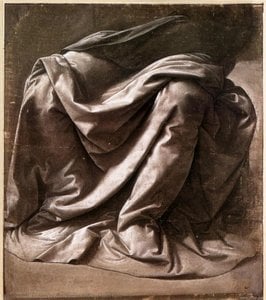


Ernst Stuven
1657 - 1712, Germany
Biografia umelca
The Botanical Soul of the Baroque: The Life of Ernst Stuven
In the grand, sweeping narrative of the seventeenth century, where the dramatic shadows of the Baroque era met the meticulous precision of the Dutch Golden Age, the name Ernst Stuven emerges as a master of the delicate and the ephemeral. Born in 1657 in the industrious city of Hamburg, Germany, Stuven’s early life was shaped by the rigorous traditions of Northern European craftsmanship. His initial artistic foundations were laid under the watchful eye of Georg Hainz, a mentor who instilled in him the discipline required to capture the minute complexities of the natural world. Yet, the true metamorphosis of his talent occurred when, at the age of eighteen, he ventured toward the vibrant artistic pulse of Amsterdam. This relocation was more than a mere change of scenery; it was an immersion into a culture where light, texture, and botanical splendor were celebrated with unparalleled fervor.
The trajectory of Stuven’s career was profoundly influenced by his time in the studios of some of the era's most esteemed masters. After studying under Johannes Voorhout, he found himself drawn to the specialized allure of flower painting, leading him into the prestigious studio of Willem van Aelst. It was here that Stuven refined his ability to render the velvety texture of a petal and the translucent shimmer of dew. His artistic evolution continued as he later sought the guidance of Abraham Mignon, further honing a style that balanced scientific accuracy with an almost poetic atmospheric perspective. Through these associations, Stulen became a vital link in the chain of Dutch-influenced botanical art, blending German precision with the lush, emotive qualities of the Amsterdam school.
A Mastery of Bloom and Decay
To gaze upon a Stuven masterpiece is to enter a silent, fragrant world where time seems to suspend itself. His work was never merely about the depiction of flora; it was an exploration of vanitas—the profound meditation on the fleeting nature of life. While his canvases often featured vibrant arrangements of roses, tulips, and primroses, there was always an underlying tension between the peak of blossom and the inevitable onset of decay. He utilized a sophisticated palette of muted tones—deep greens, earthy browns, and rich reds—to create a sense of profound tranquility and understated elegance. Unlike contemporaries who relied on jarring contrasts, Stuven mastered the art of tonal gradation, allowing each element of his compositions to emerge softly from the shadows.
His technical prowess extended beyond the petals themselves to the surrounding elements that grounded his compositions. He possessed an uncanny ability to render the cold, hard surface of a stone slab or the fragile transparency of a glass vase with equal conviction. This interplay between the organic and the inorganic served to heighten the sensory experience of his viewers, making the flowers feel tangibly present within the viewer's space. His achievements in this genre were not merely measured by technical skill but by his ability to evoke an emotional response—a quiet reverence for the intricate beauty found in the smallest corners of nature.
Legacy and the Shadows of a Turbulent Life
Despite the serene beauty of his canvases, the personal history of Ernst Stuven was marked by periods of significant turbulence. The annals of art history, particularly the writings of Houbraken, reveal a life that was not without its darker chapters. His relationship with his pupil, Willem Grasdorp, was famously fraught with conflict, leading to legal repercussions and a period of incarceration in Amsterdam's Rasphuis. Such dramatic shifts in fortune—from the heights of artistic success to the depths of social isolation—add a layer of poignant complexity to his legacy. In his later years, moving through Haarlem and eventually settling in Rotterdam, he lived a life supported by patrons who recognized the enduring value of his hand.
Ultimately, the historical significance of Ernst Stuven lies in his contribution to the enduring tradition of the still life. He remains a pivotal figure for anyone seeking to understand the intersection of German training and Dutch aesthetic innovation. His works continue to serve as windows into a lost era of botanical wonder, reminding us that even the most fleeting bloom can be rendered immortal through the dedicated brush of a master. Through his meticulous observation and soulful execution, Stuven ensured that the delicate dance of light and life would never truly fade from the halls of art history.
Súvisiace články

Karl Blossfeldt's 'Urformen der Kunst': Pioneering Botanical Photomicrography & Aesthetic Form
Explore Karl Blossfeldt's groundbreaking *Urformen der Kunst* & pioneering botanical photography. Discover the aesthetic power of nature, New Objectivity influences, and his lasting impact on modern art. Learn about collecting key works.

The Precision of Perception: Scientific Illustration as Art & Epistemology
Explore the fascinating history of scientific illustration – where art meets accuracy. Discover key artists like Karl Blossfeldt & Maud H. Purdy, and delve into its profound epistemological roots. ArtsDot offers museum-quality reproductions.
The Flourishing Canvas: A Historical & Artistic Exploration of Botanical Illustration
Explore the rich history of botanical illustration! Discover key artists like Havell & Barraband, learn about scientific accuracy & aesthetic beauty. Shop museum-quality reproductions at ArtsDot.