


 Náhľad
 Odoslať
 Zdieľať
 Podrobnosti o dielo

 Stiahnuť
 Podobné diela
 RTG skúška
 Prezentácia
The Old Castle
 Oil
Oil- WallArt
- Dutch Golden Age
 1670
1670- Early Modern
 40.0 x 56.0 cm
 Metropolitné múzeum umenia
 Zobraziť viac
Giclée / Umenotlač
Giclée tlač alebo plátno múzeálnej kvality s rýchlou výrobou a flexibilnými možnosťami povrchovej úpravy. ( Kúpiť ručne maľovaný obraz Kúpiť obrázok)




P118B $10

P118H $10

P118W $10

P438Z $10

P508JH $12

P508YH $12

P805H $10

P805Z $10

P919BZ $10

P919G $10

P919XJ $10

P959ZH $10

P968JZ $12

W106C $8

W218G $10

W218JH $8

W218Y $10

W307PJ $10

W316G $10

W316PJ $8

W316Y $10

W398PJ $8

W4111J $10

W500HY $15

W500JH $15

W692G $12

W849H $8

W940BG $15

W953PJ $8




Vyberte si z našich preddefinovaných rozmerov, ktoré zodpovedajú pôvodným pomeroḿ diela.

Môžete zadať vlastné rozmery, aby sa reprodukcia prispôsobila konkrétnemu rámu alebo priestoru. Ak zvolená veľkosť nebude zodpovedať proporciám originálu, dielo buď orežeme, alebo obraz rozšírime pomocou zrkadlenia či farebného doplnenia okrajov. Pred začatím výroby vám pošleme digitálnu ukážku na schválenie.
Máte na vedomí, že náhľad na obrazovke neodzrkadľuje skutočné orezanie alebo rozšírenie. Len digitálna ukážka presne zobrazí finálnu kompozíciu.
Hoci sú k dispozícii vlastné rozmery, pre zachovanie pôvodných proporcií odporúčame vybrať si rozmer z vopred definovaného zoznamu.
Celosvetová doprava () do 2 týždňov namiesto štandardných 4/5 týždňov. (6 september)

Bezplatná expresná doprava po celom svete

Prémiové lnianske plátno

Kompletné poistenie prepravy

Záruka vrátenia colného poplatku

Záruka presného farebného zhodnutia

100-dňá politika vrátenia (iba pri defektoch)

100% záruka vrátenia peňazí

Výhodná množstevná zľava
 Možnosť skla je dostupná len pri rozmeroch pod 110 cm

The Old Castle
Giclée / Umenotlač
Veľkosť reprodukcie
-


Celková cena za vybrané možnosti
$ 62
A Rustic Precursor: Emanuel Murant’s “The Old Castle”
Emanuel Murant (1622 – 1700) remains a figure shrouded in artistic obscurity, yet his contribution to the Dutch Golden Age landscape painting tradition deserves renewed attention. Often overshadowed by contemporaries like Philips Wouwerman and Rembrandt, Murant’s meticulous observation of rural life and architectural detail—particularly his fascination with ruined farmhouses—established him as an influential precursor to Jan van der Heyden, a pivotal artist who would revolutionize urban panoramas in the latter half of the seventeenth century. This essay delves into Murant's formative years, artistic training, prolific output, and lasting legacy, arguing for a reassessment of his role within the broader context of Dutch art history. Early Life & Family Background: Born in Amsterdam to Isaach Murant, a Calvinist teacher who had studied in Geneva, Emanuel’s upbringing instilled a deep appreciation for humanist ideals and a keen interest in capturing the beauty of the natural world—a fascination that would permeate his artistic endeavors throughout his life. While biographical details about Murant remain scarce, scholars believe he honed his skills under the tutelage of Pieter Savertijnsz., a respected Amsterdam landscape painter who championed a style characterized by serene compositions and subtle tonal gradations. The Artistic Style: Murant’s distinctive approach to landscape painting distinguished him from many of his peers. Unlike Rembrandt's dramatic chiaroscuro, Murant favored a softer palette—primarily earth tones—creating images imbued with an atmosphere of contemplative stillness. His meticulous attention to detail extended beyond mere representation; he sought to convey not just what he saw but also the emotional resonance of the scene. As Arnold Houbraken noted of Murrant’s paintings that “one could count the bricks in the masonry,” highlighting Murant's dedication to accuracy and realism—a hallmark of his artistic vision. The Old Castle exemplifies this style perfectly, demonstrating Murant’s ability to transform a crumbling ruin into a symbol of timeless beauty and melancholy. Technique & Materials: Executed in oil on wood, “The Old Castle” showcases Murant’s masterful command of technique. He employed layering glazes—thin coats of translucent paint—to build up tonal depth and luminosity, capturing the interplay of light and shadow with remarkable subtlety. The artist's careful brushwork contributes to the painting's textural richness, conveying the rough surface of weathered stone and the delicate foliage of surrounding trees. This meticulous process ensured that every element of the composition was rendered with precision and sensitivity—a testament to Murant’s artistic prowess. Historical Context & Significance: “The Old Castle” emerged during the Dutch Golden Age (c. 1600–1700), a period marked by unprecedented artistic innovation and cultural flourishing. The painting reflects the broader humanist spirit of the era, which championed observation of nature and contemplation on mortality—themes that resonated deeply with artists and audiences alike. Furthermore, Murant’s work anticipates Van der Heyden's groundbreaking urban panoramas, demonstrating an early exploration of perspective and compositional strategies that would become central to Baroque art. Its inclusion in The Metropolitan Museum of Art’s collection underscores its enduring artistic merit and its place within the canon of Dutch landscape painting. Symbolism & Emotional Impact: Beyond its technical brilliance, “The Old Castle” possesses a profound symbolic significance. The crumbling edifice represents decay and decline—a poignant reminder of the passage of time and the inevitability of ruin. Yet, amidst the ruins, Murant captures a moment of serene beauty—the dappled sunlight filtering through the trees—suggesting that even in darkness there is light, and that nature retains its enduring power to inspire awe and contemplation. The painting evokes feelings of nostalgia for bygone eras and invites viewers to reflect on the fragility of human existence—a timeless message conveyed with understated grace and artistry.- Title: The Old Castle
- Artist: Emanuel Murant
- Medium: Oil on Wood
- Dimensions: 40 x 56 cm
- Date: 1670
Further Exploration
For more information about Emanuel Murant and his works, visit /en/art/show/art-8xzse5-en/. You can also learn more about The Metropolitan Museum of Art and its collection at https://ArtsDot.com. To discover more about other artists and their works, visit the List of artists in the Web Gallery of Art on Wikipedia.https://Wikipedia.org/wiki/List_of_artists_in_the_Web_Gallery_of_ArtResources
Podobné diela


Biografia umelca
Emanuel Murant: The Rustic Forerunner of Jan van der Heyden
Emanuel Murant (1622 – 1700) remains a figure shrouded in artistic obscurity, yet his contribution to the Dutch Golden Age landscape painting tradition deserves renewed attention. Often overshadowed by contemporaries like Philips Wouwerman and Rembrandt, Murant’s meticulous observation of rural life and architectural detail—particularly his fascination with ruined farmhouses—established him as an influential precursor to Jan van der Heyden, a pivotal artist who would revolutionize urban panoramas in the latter half of the seventeenth century. This biography delves into Murant's formative years, artistic training, prolific output, and lasting legacy, arguing for a reassessment of his role within the broader context of Dutch art history.- Early Life & Family Background: Born in Amsterdam to Isaach Murant, a Calvinist teacher who had studied in Geneva, Emanuel’s upbringing instilled a deep appreciation for humanist ideals and scholarly pursuits. His family resided near the Nieuwmarkt school, fostering an environment conducive to artistic development amidst intellectual discourse.
- Artistic Training & Influences: Murant's formal education commenced under Philips Wouwerman in Haarlem, where he honed his skills in Italianate landscape painting—a stylistic trend heavily influenced by Renaissance ideals and Venetian masters. This training instilled a disciplined approach to observation and representation, shaping Murant’s distinctive artistic vision.
- Career Highlights & Patronage: Murant secured commissions from the Admiralty during his early career, demonstrating his ability to navigate the competitive art market of Amsterdam. Furthermore, he married Berberke Willems in 1654, establishing a stable domestic life and expanding his social network—connections that likely facilitated access to influential patrons and artistic opportunities.
- Notable Works & Artistic Style: Murant’s oeuvre is characterized by an unparalleled sensitivity to detail, particularly in depicting ruined farmhouses—structures rendered with painstaking accuracy, capturing the textures of weathered stone and crumbling timber. His landscapes convey a profound understanding of rural topography and atmospheric conditions, reflecting the humanist preoccupation with natural beauty prevalent during his time.
- Legacy & Recognition: Murant’s brother David possessed numerous paintings by Murant that Houbraken meticulously documented during his artistic biography in 1710s—a testament to Murant's enduring artistic presence and a crucial source for reconstructing his oeuvre. Despite the scholarly neglect of Murant’s work until recently, ongoing research continues to illuminate his significance as a formative figure in Dutch landscape painting and a precursor to Van der Heyden’s groundbreaking urban panoramas.
The Influence of Italianate Landscape Painting
Murant's artistic training under Philips Wouwerman cemented his allegiance to the Italianate landscape style, which dominated artistic circles in Haarlem and Amsterdam during Murant’s formative years. This stylistic trend drew inspiration from Renaissance ideals and Venetian masters—artists who championed perspectival illusionism and idealized depictions of nature—resulting in landscapes imbued with grandeur and serenity. Murant's meticulous attention to detail—evident in his renderings of architectural elements and atmospheric effects—reflected the humanist preoccupation with observation and representation that characterized this influential artistic movement.Murant’s Obsession with Ruined Farmhouses
Perhaps Murant’s most distinctive contribution to Dutch landscape painting lies in his fascination with ruined farmhouses—structures rendered with painstaking accuracy, capturing the textures of weathered stone and crumbling timber. Unlike many of his contemporaries who favored idealized depictions of rural life, Murant confronted decay and ruin head-on—a stylistic choice that underscored his humanist concern for confronting mortality and accepting the inevitability of change. His landscapes convey a profound understanding of both the natural landscape and urban evolution during his lifetime.Connections to Jan van der Heyden
Recent scholarship has revealed compelling evidence suggesting Murant’s influence on Jan van der Heyden—a pivotal artist who would revolutionize urban panoramas in the latter half of the seventeenth century. Comparative analyses of Murant's and Van der Heyden's paintings demonstrate shared stylistic motifs—particularly the depiction of densely populated cityscapes rendered with meticulous architectural detail—indicating that Murant’s pioneering approach to townscape painting served as a catalyst for Van der Heyden’s artistic innovations.Concluding Remarks
Emanuel Murant’s legacy extends beyond his individual achievements; he represents a crucial link in the chain of artistic influence connecting Renaissance ideals to Baroque innovation—a testament to the enduring power of observation and representation within Dutch art history. By recognizing Murant's role as a “rustic forerunner” of Jan van der Heyden, scholars can gain a deeper appreciation for the complexities of artistic development during the Dutch Golden Age and reaffirm Murant’s rightful place among the most significant painters of his era.
Emanuel Murant
1622 - 1700 , Netherlands
Základné informácie
- Artistic Movement Or Style: Golden Age
- Artists Or Movements Influenced By This Artist: ['Jan van der Heyden']
- Artists Who Influenced This Artist: ['Philips Wouwerman']
- Date Of Birth: Amsterdam, Netherlands (1622)
- Date Of Death: 1700
- Full Name: emanuel murant
- Nationality: Dutch
- Notable Artworks:
- The Old Castle
- A Landscape with Cottages
- Dilapidated Farm
- Place Of Birth: Amsterdam
Súvisiace články

Top 10 majstrovských diel holandskej Zlatej éry: Umění pre váš domov s ArtsDot.com
Ponorte sa do sveta holandskej Zlatej éry s ArtsDot.com! Objavte príbehy Rembrandta, Vermeera a ďalších majstrov baroka. Reprodukcie obrazov pre váš domov – inšpirujte sa nadčasnými dielami. Preskúmajte kolekciu online!

Golden Age Reflections: Dutch Baroque Painting & Cultural Innovation
Explore the Dutch Golden Age of painting! Discover key artists like Vermeer & ter Borch, their innovative techniques, and the rich cultural context behind these Baroque masterpieces. Learn about collecting & appreciating this iconic art period.

Illuminating Innovation: Exploring the Dutch Golden Age of Painting
Explore the Dutch Golden Age of painting with ArtsDot. Discover Rembrandt, Vermeer & other Masters. Learn about key characteristics, iconic artworks, and lasting influence. Expert insights for collectors & enthusiasts.
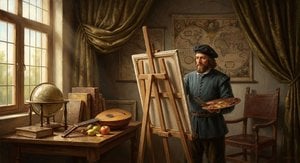
Illuminating Realism: Exploring the Dutch Golden Age of Painting (1600-1700)
Explore the Dutch Golden Age of painting (1600-1700) with ArtsDot. Discover Rembrandt, Vermeer & other masters. Learn about techniques, history & find museum-quality reproductions.

Golden Light & Dutch Skies: Bringing the Magic of Dutch Golden Age Landscapes into Your Home
Transform your home with the breathtaking light of Dutch Golden Age landscapes. Discover how hand-painted oil reproductions of masterworks like Ruisdael and Vermeer bring timeless elegance, atmosphere, and soulful texture to modern interiors. Elevate your space with museum-quality art.