

 Odoslať ako digitálnu kartu
 Zdieľať
 Podrobnosti o dielo
 Príručka

 Stiahnuť obraz
 Podobné položky
 Prehliadanie diapozoje
 Otázky a odpovede
 Štatistiky
Pulpit (on the right)

- 123.0 x 292.0 cm


 Zobraziť viac
Giclée / Umenotlač
Giclée tlač alebo plátno múzeálnej kvality s rýchlou výrobou a rôznymi možnosťami povrchovej úpravy. ( Kúpiť ručne maľovaný obraz Prepnúť na digitálny obraz)




































Vyberte si z našich preddefinovaných rozmerov, ktoré zodpovedajú pôvodným pomeroḿ diela.

Zadajte šírku a výšku, ktoré potrebujete, aby sa reprodukcia hodila k vášmu rámu alebo stene. Print možno len orezávať, nikdy však nemennú veľkosť zvětšiť oproti pôvodnému obrázku, preto pri inom formáte stráca časť obrazu. Pred samotným vytlačiacím procesom vám pošleme digitálny náhľad na schválenie. Obrázok zobrazený na tejto stránke nezobrazuje reálny rez — len digitálny náhľad ukazuje presný výsledok.
Celosvetová doprava () do 2 týždňov namiesto štandardných 4 až 5 týždňov. (4 november)

Bezplatná expresná doprava po celom svete

Vysokokvalitné lnianske plátno

Kompletné poistenie prepravy

Záruka vrátenia colného poplatku

Záruka presného farebného zhodnutia

100-dená politika vrátenia tovaru (iba pri vadách)

100% záruka vrátenia peňazí

Zľava pri väčšom množstve
 Možnosť skla je dostupná len pri rozmeroch pod 110 cm

Pulpit (on the right)
Giclée / Umenotlač
Veľkosť reprodukcie
-


Celková cena
€ 56
A Final Masterpiece of Bronze and Spirit
In the hallowed, sun-drenched silence of the Basilica of San Lorenzo in Florence, there exists a sculptural marvel that captures the very essence of a soul nearing its earthly end. Donatello’s Resurrection Pulpit, specifically the right-hand structure completed in 1465, is far more than a liturgical platform; it is a profound meditation on the cycle of life, death, and rebirth. As one of the artist's final monumental achievements, this work serves as a poignant testament to a lifetime spent redefining the boundaries of sculpture. The pulpit does not merely sit within its sacred space; it commands it, offering a breathtaking synthesis of classical grandeur and an almost raw, human vulnerability that continues to stir the hearts of all who behold it.
The artistry on display is a masterclass in the lost-wax casting technique, a meticulous process where molten bronze is poured into intricate molds to capture every minute detail. Working alongside his talented pupils, Bertoldo and Bellano, Donatello achieved a level of surface texture that feels alive. The polished bronze surfaces catch the flickering candlelight of the basilica, creating a dynamic interplay of light and shadow that breathes movement into the static metal. This technical brilliance allows for an extraordinary depth of relief, where figures seem to emerge from the very substance of the pulpit, pulling the viewer into a tactile, three-dimensional narrative of divine intervention.
The Human Face of the Divine
While many Renaissance sculptors sought to present an idealized, untouchable perfection, Donatello’s genius lay in his commitment to psychological realism. In this pulpit, the transition from Gothic tradition to the Florentine Renaissance is palpable. The figures are not distant icons; they are imbued with a heavy, palpable emotion. One can sense the weight of sorrow, the tension of anticipation, and the quiet awe of the resurrection through subtle facial expressions and the deliberate, expressive gestures of the hands. This focus on the human condition aligns perfectly with the burgeoning humanist movement of the 15th century, which sought to find the divine within the nuances of human experience.
The symbolism embedded within the intricate carvings invites a deeper, more contemplative engagement. The pulpit acts as a bridge between the earthly and the celestial, utilizing classical proportions—inspired by the architectural innovations of Brunelleschi—to ground the spiritual subject matter in a sense of physical permanence. For the collector or the lover of fine art, owning a reproduction of such a piece is not merely about decorating a space; it is about introducing an element of historical gravity and intellectual depth into an interior. It provides a focal point that encourages reflection, making it an ideal centerpiece for those seeking to surround themselves with works that possess both aesthetic beauty and a profound, enduring narrative.
To bring a high-quality reproduction of this masterpiece into one's home is to invite the spirit of the Renaissance into the modern era. Whether placed in a curated gallery setting or as a sophisticated accent in a thoughtfully designed study, the pulpit’s complex textures and emotive power serve as a constant reminder of the enduring power of artistic vision. It remains a timeless icon of Florence, a sculptural poem written in bronze that continues to resonate with the universal themes of hope and transformation.
Otázky a odpovede
Aké sýte farby má dielo „Pulpit (on the right)“?
Saturácia farieb diela „Pulpit (on the right)“ je na úrovni Muted a ich intenzita je Monochromatic.
Do ktorej fázy kariéry Donatello spadá dielo „Pulpit (on the right)“, vzhľadom na jeho dátum vytvorenia?
Datovanie do roku 1465 situuje dielo „Pulpit (on the right)“ do obdobia Mature Period v rámci umeleckého vývoja Donatello.
Je možné reprodukovat dielo „Pulpit (on the right)“ od Donatello z hľadiska autorského práva?
Autorské právo k dielu „Pulpit (on the right)“ od Donatello je jasné: toto dielo patrí do v slobodnom prostredí – autorské práva vypršali. Jeho prítomnosť v múzeu Bazilika svätého Vavrinca v Ríme tento stav nemení.
Podobné diela


Biografia umelca
Early Life and Artistic Beginnings
Donato di Niccolò di Betto Bardi, universally known as Donatello, was born in Florence around 1386 – a date shrouded in some uncertainty, with records suggesting a range between 1382 and 1387. His origins were modest; his father, Niccolò, was a wool carder, a common profession within the burgeoning merchant class of Florence. This background, though not aristocratic, provided Donatello with an early exposure to the city’s vibrant artistic scene, as sculpture flourished alongside commerce. He received his initial training in stone carving, likely under the tutelage of a local sculptor – a typical path for young apprentices seeking their craft. Early influences were deeply rooted in the Gothic style prevalent at the time, but Donatello quickly demonstrated an innate desire to break free from its rigid conventions and explore new artistic horizons.Key Works and Innovative Techniques
Donatello’s most celebrated works represent a pivotal shift in Florentine sculpture, marking a transition towards the Renaissance ideals of humanism and naturalism. His *David*, initially commissioned by the Medici family, stands as a testament to this transformation. Unlike previous depictions of the biblical hero, which often portrayed him as an aged king, Donatello’s David is a youthful, muscular figure – a celebration of male beauty and strength. This daring departure from tradition immediately established Donatello's reputation for innovation. Other significant works include *St. Louis of Toulouse*, a bronze sculpture now housed in the Basilica di Santa Croce, showcasing his mastery of texture and detail; the dramatic *Sacrifice of Isaac*, created for the campanile of Santa Maria del Fiore, which features strikingly realistic portraiture within its narrative scene; and the poignant *Crucifix* (1425) for Santa Croce, a powerful depiction of Christ’s agony that resonated deeply with viewers. Donatello's artistic style evolved through distinct phases. Initially, his work reflected the expressive qualities and classical monumentality characteristic of the late Gothic period. However, he steadily developed a more personal and individualistic approach, characterized by heightened emotionality and a profound understanding of human anatomy. He pioneered techniques such as *rilievo schiacciato* – a flattened relief that created an illusion of depth – and employed meticulous detail to capture the nuances of human expression. His ability to imbue his sculptures with life and emotion was truly remarkable, setting him apart from his contemporaries.Influences and Artistic Connections
Donatello’s artistic development was shaped by a confluence of factors. The burgeoning humanist movement in Florence, which emphasized classical learning and secular values, profoundly influenced his thinking. He drew inspiration from ancient Roman sculpture, meticulously studying its forms and proportions. His collaboration with Filippo Brunelleschi, the architect of the Duomo, further broadened his artistic horizons. Brunelleschi’s innovative use of perspective and mathematical principles informed Donatello's approach to composition and spatial relationships. Furthermore, he was mentored by Lorenzo Ghiberti, a master sculptor whose workshop provided him with invaluable experience and exposure to diverse artistic styles.Legacy and Historical Significance
Donatello’s impact on the course of Western art is immeasurable. He is widely considered one of the most important sculptors of the Early Renaissance, and his innovations profoundly influenced generations of artists who followed. His *David* became a model for subsequent depictions of the biblical hero, while his emphasis on realism and emotional expression set a new standard for sculpture. Donatello’s work demonstrated that sculpture could be more than just decorative ornamentation; it could convey complex ideas, evoke powerful emotions, and celebrate the beauty and dignity of humanity. His legacy continues to inspire artists today, solidifying his place as one of the greatest sculptors in history.
Donatello
1386 - 1466 , Taliansko
Základné informácie
- Artistic Movement Or Style: Rána renesancia
- Artists Or Movements Influenced By This Artist: ['Taliansky renesans']
- Artists Who Influenced This Artist: ['Klasická socha']
- Date Of Birth: c. 1386
- Date Of Death: 1466
- Full Name: Donatello di Niccolò
- Nationality: Taliančania
- Notable Artworks:
- David
- St. Louis
- Sacríficio
- Place Of Birth: Florencia, Taliansko
Súvisiace články

Top 10 Bronzových Sôch, ktoré Zmenili Umenie Navždy | ArtsDot
Objavte top 10 legendárnych bronzových sôch, ktoré zmenili umenie! Michelangelo, Rodin a ďalší majstri. História, techniky a nadčasová krása pre váš interiér. Reprodukcie múzejnej kvality na ArtsDot.com

Top 10 Bronzových Majstrovských Diel, ktoré Zmenili Umění Navždy | ArtsDot
Objavte top 10 legendárnych bronzových majstrovských diel, ktoré zmenili umenie navždy! Rodin, Michelangelo a ďalší. Prežite príbehy slávnych sôch a nájdite inšpiráciu pre váš interiér na ArtsDot.com.

The Enduring Form: Sculpture Across History, Technique & Emotional Resonance
Explore the rich history of sculpture with ArtsDot. Discover key techniques, influential artists & investment potential for discerning collectors. Expert insights into valuing and collecting timeless masterpieces.

The Enduring Form: Exploring Themes & Techniques in Sculpture Across Historical Periods
Explore the rich history of sculpture from ancient masterpieces to contemporary innovations. Discover key techniques, influential artists & investment potential for discerning art collectors.
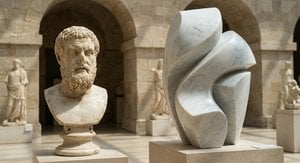
The Enduring Allure of Marble in Art History: From Classical Sculpture to Modern Abstraction
Explore the captivating history of marble sculpture from ancient Greece to modern art. Discover renowned artists like Canova & Michelangelo, carving techniques, and investment insights at ArtsDot.
