

 Náhľad v interiéri
 Odoslať ako digitálnu kartu
 Zdieľať
 Podrobnosti o dielo
 Príručka

 Stiahnuť obraz
 Podobné položky
 RTG skúška
 Prehliadanie diapozoje
 Otázky a odpovede
 Štatistiky
Prophet Jeremiah


 Zobraziť viac
Giclée / Umenotlač
Giclée tlač alebo plátno múzeálnej kvality s rýchlou výrobou a rôznymi možnosťami povrchovej úpravy. ( Kúpiť ručne maľovaný obraz Prepnúť na digitálny obraz)




P118B €10

P118H €10

P118W €10

P438Z €10

P508JH €12

P508YH €12

P805H €10

P805Z €10

P919BZ €10

P919G €10

P919XJ €10

P959ZH €10

P968JZ €12

W106C €8

W218G €10

W218JH €8

W218Y €10

W307PJ €10

W316G €10

W316PJ €8

W316Y €10

W398PJ €8

W4111J €10

W500HY €15

W500JH €15

W692G €12

W849H €8

W940BG €15

W953PJ €8




Vyberte si z našich preddefinovaných rozmerov, ktoré zodpovedajú pôvodným pomeroḿ diela.

Zadajte šírku a výšku, ktoré potrebujete, aby sa reprodukcia hodila k vášmu rámu alebo stene. Print možno len orezávať, nikdy však nemennú veľkosť zvětšiť oproti pôvodnému obrázku, preto pri inom formáte stráca časť obrazu. Pred samotným vytlačiacím procesom vám pošleme digitálny náhľad na schválenie. Obrázok zobrazený na tejto stránke nezobrazuje reálny rez — len digitálny náhľad ukazuje presný výsledok.
Celosvetová doprava () do 2 týždňov namiesto štandardných 4 až 5 týždňov. (4 november)

Bezplatná expresná doprava po celom svete

Vysokokvalitné lnianske plátno

Kompletné poistenie prepravy

Záruka vrátenia colného poplatku

Záruka presného farebného zhodnutia

100-dená politika vrátenia tovaru (iba pri vadách)

100% záruka vrátenia peňazí

Zľava pri väčšom množstve
 Možnosť skla je dostupná len pri rozmeroch pod 110 cm

Prophet Jeremiah
Giclée / Umenotlač
Veľkosť reprodukcie
-


Celková cena
€ 56
Donatello’s Prophet Jeremiah: A Testament to Renaissance Faith
Donatello's "Prophet Jeremiah," sculpted in marble around 1423 during the Florentine Renaissance, stands as an enduring emblem of artistic innovation and spiritual contemplation. Commissioned by Lorenzo Medici for Santa Maria del Fiore Cathedral, this monumental figure transcends mere representation; it embodies a profound engagement with humanist ideals intertwined with biblical narrative—a hallmark of the era’s transformative cultural landscape.Sculptural Form and Technique: Embracing Classical Influence
The sculpture's design reflects Donatello’s masterful assimilation of classical sculptural principles. Unlike earlier depictions of prophets, Jeremiah is presented in a strikingly naturalistic pose, mirroring statues from antiquity – specifically those inspired by Greek models. This deliberate choice underscores the Renaissance fascination with reviving Greco-Roman aesthetics and demonstrating an understanding of anatomical accuracy. The sculptor skillfully employed techniques honed during his formative years studying under Filippo Brunelleschi, utilizing chisel and mallet to carve intricate details into the marble block. Note the careful drapery folds that convey movement and volume, mirroring the flowing robes characteristic of Roman sculptures. Donatello’s meticulous attention to surface texture contributes to the sculpture's palpable presence and enhances its visual impact.Historical Context: Florence Amidst Artistic Flourishing
Florence in the early 15th century was experiencing an unprecedented surge of artistic creativity—the Renaissance—fueled by patronage from wealthy families like the Medici. This period witnessed a revival of interest in classical art and philosophy, prompting artists to explore new approaches to portraying human form and emotion. Donatello’s “Prophet Jeremiah” exemplifies this spirit of experimentation, pushing boundaries established by Gothic sculpture traditions. The cathedral project itself served as a catalyst for artistic ambition, attracting talent from across Italy and establishing Santa Maria del Fiore as the epicenter of Renaissance art.Symbolism: Lamentation and Divine Revelation
Jeremiah’s posture—arms outstretched in supplication—immediately conveys sorrow and lamentation, reflecting the prophet's prophetic role as bearer of God’s word amidst impending doom. The scroll he clutches symbolizes divine revelation – Jeremiah’s prophecies concerning Judah’s destruction and eventual redemption. Donatello skillfully captures this emotional intensity through subtle facial expressions and nuanced musculature, demonstrating a deep understanding of human psychology. Furthermore, the sculpture’s placement within the cathedral underscores its spiritual significance—a visual reminder of faith and repentance amidst the grandeur of Florentine artistic achievement.Emotional Impact: A Moment Frozen in Time
“Prophet Jeremiah” continues to resonate with viewers centuries after its creation. Its serene yet melancholic countenance evokes empathy and invites contemplation on themes of suffering, resilience, and divine grace. Donatello’s masterful execution ensures that the sculpture retains an immediacy that transcends time—a testament to his artistic genius and a cornerstone of Florentine Renaissance art history. Hand-painted reproductions offer a captivating opportunity to experience this timeless masterpiece in your own home.Otázky a odpovede
Čo spoločné má dielo „Prophet Jeremiah“ s ostatnou tvorbou umelca Donatello?
V rámci tvorby umelca Donatello sa dielo „Prophet Jeremiah“ radí do štýlu Early Renaissance, pričom sprevádzajú ho témy ako classicalidealism, religiousdevotion, humanformrepresentation, florenceculture, donatellolegacy.
Kde si môžem kúpiť digitálnu podobu diela „Prophet Jeremiah“ od Donatello?
Ak si chcete kúpiť digitálnu verziu diela „Prophet Jeremiah“ od Donatello, objednajte si stiahnutie digitálneho obrázka vo vysokom rozlíšení na jeho stránke Digitálna fotografia.
Aký je formát diela „Prophet Jeremiah“?
„Prophet Jeremiah“ od Donatello je Tall kompozícia. Pred výberom veľkosti tlače sa oplatí skontrolovať jej proporcie.
Podobné diela


Biografia umelca
Early Life and Artistic Beginnings
Donato di Niccolò di Betto Bardi, universally known as Donatello, was born in Florence around 1386 – a date shrouded in some uncertainty, with records suggesting a range between 1382 and 1387. His origins were modest; his father, Niccolò, was a wool carder, a common profession within the burgeoning merchant class of Florence. This background, though not aristocratic, provided Donatello with an early exposure to the city’s vibrant artistic scene, as sculpture flourished alongside commerce. He received his initial training in stone carving, likely under the tutelage of a local sculptor – a typical path for young apprentices seeking their craft. Early influences were deeply rooted in the Gothic style prevalent at the time, but Donatello quickly demonstrated an innate desire to break free from its rigid conventions and explore new artistic horizons.Key Works and Innovative Techniques
Donatello’s most celebrated works represent a pivotal shift in Florentine sculpture, marking a transition towards the Renaissance ideals of humanism and naturalism. His *David*, initially commissioned by the Medici family, stands as a testament to this transformation. Unlike previous depictions of the biblical hero, which often portrayed him as an aged king, Donatello’s David is a youthful, muscular figure – a celebration of male beauty and strength. This daring departure from tradition immediately established Donatello's reputation for innovation. Other significant works include *St. Louis of Toulouse*, a bronze sculpture now housed in the Basilica di Santa Croce, showcasing his mastery of texture and detail; the dramatic *Sacrifice of Isaac*, created for the campanile of Santa Maria del Fiore, which features strikingly realistic portraiture within its narrative scene; and the poignant *Crucifix* (1425) for Santa Croce, a powerful depiction of Christ’s agony that resonated deeply with viewers. Donatello's artistic style evolved through distinct phases. Initially, his work reflected the expressive qualities and classical monumentality characteristic of the late Gothic period. However, he steadily developed a more personal and individualistic approach, characterized by heightened emotionality and a profound understanding of human anatomy. He pioneered techniques such as *rilievo schiacciato* – a flattened relief that created an illusion of depth – and employed meticulous detail to capture the nuances of human expression. His ability to imbue his sculptures with life and emotion was truly remarkable, setting him apart from his contemporaries.Influences and Artistic Connections
Donatello’s artistic development was shaped by a confluence of factors. The burgeoning humanist movement in Florence, which emphasized classical learning and secular values, profoundly influenced his thinking. He drew inspiration from ancient Roman sculpture, meticulously studying its forms and proportions. His collaboration with Filippo Brunelleschi, the architect of the Duomo, further broadened his artistic horizons. Brunelleschi’s innovative use of perspective and mathematical principles informed Donatello's approach to composition and spatial relationships. Furthermore, he was mentored by Lorenzo Ghiberti, a master sculptor whose workshop provided him with invaluable experience and exposure to diverse artistic styles.Legacy and Historical Significance
Donatello’s impact on the course of Western art is immeasurable. He is widely considered one of the most important sculptors of the Early Renaissance, and his innovations profoundly influenced generations of artists who followed. His *David* became a model for subsequent depictions of the biblical hero, while his emphasis on realism and emotional expression set a new standard for sculpture. Donatello’s work demonstrated that sculpture could be more than just decorative ornamentation; it could convey complex ideas, evoke powerful emotions, and celebrate the beauty and dignity of humanity. His legacy continues to inspire artists today, solidifying his place as one of the greatest sculptors in history.
Donatello
1386 - 1466 , Taliansko
Základné informácie
- Artistic Movement Or Style: Rána renesancia
- Artists Or Movements Influenced By This Artist: ['Taliansky renesans']
- Artists Who Influenced This Artist: ['Klasická socha']
- Date Of Birth: c. 1386
- Date Of Death: 1466
- Full Name: Donatello di Niccolò
- Nationality: Taliančania
- Notable Artworks:
- David
- St. Louis
- Sacríficio
- Place Of Birth: Florencia, Taliansko
Súvisiace články
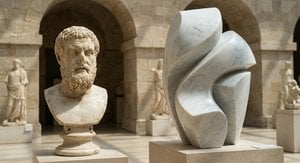
The Enduring Allure of Marble in Art History: From Classical Sculpture to Modern Abstraction
Explore the captivating history of marble sculpture from ancient Greece to modern art. Discover renowned artists like Canova & Michelangelo, carving techniques, and investment insights at ArtsDot.

Top 10 Bronzových Majstrovských Diel, ktoré Zmenili Umění Navždy | ArtsDot
Objavte top 10 legendárnych bronzových majstrovských diel, ktoré zmenili umenie navždy! Rodin, Michelangelo a ďalší. Prežite príbehy slávnych sôch a nájdite inšpiráciu pre váš interiér na ArtsDot.com.

Top 10 Bronzových Sôch, ktoré Zmenili Umenie Navždy | ArtsDot
Objavte top 10 legendárnych bronzových sôch, ktoré zmenili umenie! Michelangelo, Rodin a ďalší majstri. História, techniky a nadčasová krása pre váš interiér. Reprodukcie múzejnej kvality na ArtsDot.com

The Enduring Form: Sculpture Across History, Technique & Emotional Resonance
Explore the rich history of sculpture with ArtsDot. Discover key techniques, influential artists & investment potential for discerning collectors. Expert insights into valuing and collecting timeless masterpieces.

The Enduring Form: Exploring Themes & Techniques in Sculpture Across Historical Periods
Explore the rich history of sculpture from ancient masterpieces to contemporary innovations. Discover key techniques, influential artists & investment potential for discerning art collectors.
