


 Náhľad
 Odoslať
 Zdieľať
 Podrobnosti o dielo

 Stiahnuť
 Podobné diela
 RTG skúška
 Prezentácia
Composition (Thrust)

 Zobraziť viac
Ručne maľovaná olejová reprodukcia
Ručne maľovaný olej na plátne vo vašej zvolenej veľkosti a v ráme, vyrobený na mieru našimi umelcami. ( Kúpiť tlač Kúpiť obrázok)




































Vyberte si z našich preddefinovaných rozmerov, ktoré zodpovedajú pôvodným pomeroḿ diela.

Môžete zadať vlastné rozmery tak, aby sa hodili do konkrétneho rámu alebo priestoru. Ak sa váš zvolený rozmer nezhoduje s pôvodnými proporciami obrazu, dielo buď orezáme, alebo ho doplníme ručne maľovanými prvkami. Pred začiatkom výroby vám zašleme digitálny náhľad na schválenie.
Upozorňujeme, že ukážka na obrazovke neodráža skutočné orezanie alebo doplnenie. Skutočnú finálnu kompozíciu zobrazuje iba digitálny náhľad.
Hoci sú k dispozícii vlastné rozmery, odporúčame vybrať rozmer z preddefinovaného zoznamu, aby sme zachovali pôvodné proporcie.
Po odoslaní objednávky vám tím ArtsDot.com pošle e-mail s pokynmi a poskytne náhľad na návrh.
Celosvetová doprava () za 3 až 4 týždne namiesto štandardných 5 týždňov. (17 august). Bez kompromisov v kvalite.

Bezplatná expresná doprava po celom svete

Prémiové lnianske plátno

Kompletné poistenie prepravy

Záruka vrátenia colného poplatku

Záruka presného farebného zhodnutia

60-dňá politika vrátenia (iba pri defektoch)

100% záruka vrátenia peňazí

Výhodná množstevná zľava
 Možnosť skla je dostupná len pri rozmeroch pod 110 cm

Composition (Thrust)
Technika reprodukcie
Veľkosť reprodukcie
-


Celková cena za vybrané možnosti
$ 263
Popis diela
A Dynamic Portrait: Exploring David Hockney's "Composition (Thrust)"
David Hockney’s “Composition (Thrust,” while seemingly straightforward in its depiction of a man’s face, is a captivating exploration of form, color, and the dynamism inherent within portraiture. The painting presents a close-up view of a man with striking features – notably a vibrant red nose and mouth – framed by what appear to be glasses. A chair subtly appears in the background, anchoring the composition without distracting from the central figure. The bold use of blue as a backdrop creates a powerful contrast, intensifying the colors within the face and drawing the viewer’s eye directly to the subject's expression. This isn't merely a likeness; it's an energetic arrangement of shapes and hues designed to evoke a sense of movement and immediacy.Style & Technique: Pop Art Meets Formal Experimentation
“Composition (Thrust” firmly resides within Hockney’s oeuvre as a product of the Pop Art movement, which flourished in the 1960s. However, Hockney transcends simple replication of popular imagery. While sharing Pop Art's embrace of bold colors and recognizable subjects, his work demonstrates a sophisticated understanding of formal artistic principles. The painting’s composition isn’t accidental; it’s carefully constructed to create visual tension and interest. Hockney’s technique involves layering paint in a way that suggests both spontaneity and deliberate control. While the exact medium remains unknown without further documentation, it's likely acrylic or oil paints were used to achieve the vibrant color saturation characteristic of his style. The visible brushstrokes contribute to the painting’s overall energy and prevent it from feeling static.Historical Context & Hockney's Artistic Evolution
Born in 1937, David Hockney emerged as a leading figure in British art during a period of significant social and cultural change. The 1960s witnessed the rise of Pop Art as a reaction against Abstract Expressionism’s perceived seriousness and exclusivity. Hockney's work, alongside artists like Andy Warhol and Roy Lichtenstein, brought everyday subjects into the realm of fine art. "Composition (Thrust” reflects this shift towards accessibility and engagement with popular culture. However, it also showcases Hockney’s ongoing exploration of portraiture – a theme that has consistently defined his career. This piece can be seen as an early example of his later experiments with perspective and composition, foreshadowing the innovative approaches he would develop in subsequent decades.Emotional Impact & Symbolic Resonance
Beyond its aesthetic appeal, “Composition (Thrust” evokes a complex range of emotions. The vibrant red hues of the nose and mouth suggest vitality and perhaps even a touch of intensity or passion. The man’s gaze, though not explicitly visible, implies a sense of self-assuredness or introspection. While seemingly simple, the painting invites viewers to contemplate the psychology of its subject. The "thrust" in the title hints at an underlying dynamism – a force pushing forward, whether it be emotional, intellectual, or creative. The composition’s deliberate imbalance and bold color choices contribute to a feeling of energetic tension that keeps the viewer engaged.Bringing Hockney's Vision Home
A reproduction of “Composition (Thrust” offers an opportunity to introduce a touch of modern British art into any space. Its striking colors and dynamic composition make it a captivating focal point, while its historical significance adds depth and intellectual appeal. Whether you are a seasoned collector or simply seeking a piece that sparks conversation and inspires creativity, this painting is sure to resonate with those who appreciate the power of bold artistry.Podobné diela


Biografia umelca
A Life Painted in Light: The World of David Hockney
David Hockney, born July 9, 1937, in Bradford, England, is more than simply a painter; he’s a visual polymath whose career has spanned painting, drawing, printmaking, stage design, and photography. His story begins amidst the grit and determination of Bradford, a landscape that instilled within him a keen observational eye, even as his father, Kenneth Hockney, fostered a spirit of independent thought through conscientious objection during World War II. This early environment shaped a young artist who would consistently challenge conventions and forge his own path. Formal education at Wellington Primary School and Bradford Grammar School laid the foundation for a career that would redefine British art in the 20th and 21st centuries, culminating in studies at Bradford College of Art and later, the prestigious Royal College of Art in London. It was during these formative years that Hockney began to articulate a unique artistic voice, one that blended Pop sensibilities with a distinctly British perspective.The Rise of a Pop Icon and Beyond
The 1960s witnessed Hockney’s ascent as a pivotal figure within the burgeoning Pop Art movement. However, unlike some contemporaries who wholeheartedly embraced American commercial culture, Hockney brought a uniquely British sensibility to the genre. His work exploded with vibrant color and bold lines, depicting scenes that were both familiar and subtly subversive. A Bigger Splash (1966), perhaps his most iconic early piece, encapsulates this perfectly – a seemingly simple depiction of a swimming pool becomes a meditation on Californian leisure, artifice, and the very act of seeing. This wasn’t merely representation; it was an exploration of how we perceive reality. Critics noted Hockney's masterful use of color theory, mirroring techniques pioneered by Matisse and Cézanne, establishing him as a key innovator within the movement. His double portraits, like American Collectors (Fred and Marcia Weisman), demonstrate his remarkable ability to capture not just likeness but also the essence of personality and relationship—a characteristic that would become central to his oeuvre. Hockney’s stylistic choices reflected a deliberate rejection of traditional academic painting, prioritizing immediacy and visual impact.Experimentation, Innovation, and The Rescue Of Painting
Hockney's artistic curiosity has never been confined to a single medium. Throughout his career, he relentlessly experimented with new technologies and approaches. From his early embrace of lithography and etching to his later explorations of photography – particularly his use of Polaroid composites in the 1980s – Hockney consistently pushed the boundaries of what art could be. He famously declared painting wasn’t dead but needed “rescuing” from its own conventions, leading him to develop innovative techniques like perspective distortions and fragmented viewpoints. This desire to revitalize painting led to ambitious projects such as Pearblossom Hwy., 11–18th April 1986, a complex photomontage that challenged traditional notions of space and representation—a bold statement against the prevailing artistic trends of the time. His stage designs for opera, including sets for Mozart's The Magic Flute and Stravinsky’s The Rake’s Progress, further demonstrate his versatility and ability to translate his visual language into a different artistic realm. Hockney’s pioneering use of Polaroid photography—creating composite images from multiple exposures—became a defining feature of his style, influencing countless artists and photographers.Recognition, Legacy, And Enduring Influence
David Hockney’s contributions to the art world have been widely recognized throughout his illustrious career. He was appointed Order of the Companion of Honour (CH) in 2018, a testament to his profound impact on British culture—a prestigious honor bestowed upon him for his lifetime achievements. Prior to that, he was elected a Fellow of the Royal Society (FRS) in 2003 and received the Laureate of the Praemium Imperiale for Painting in 2000—acknowledging his exceptional artistic talent and contribution to scientific advancement. His works are held in major museum collections worldwide, ensuring his art continues to inspire new generations. Hockney’s influence extends beyond the visual arts; he has become a cultural icon, celebrated for his wit, intelligence, and unwavering commitment to artistic exploration. He remains an active force in the art world, continually challenging expectations and inspiring artists across disciplines—a figure whose legacy will undoubtedly endure for decades to come.Further Explorations
- Place Furstenberg, Paris: A captivating example of Hockney’s interior scenes, showcasing his mastery of color and composition.
- Jacques-Louis David – Hockney's early influences included the monumental canvases of Jacques-Louis David, reflecting a fascination with classical grandeur and dramatic storytelling.
- Pierre-Jean David d’Angers – Monet’s Impressionist landscapes served as inspiration for Hockney’s exploration of light and atmosphere—a stylistic connection that underscores his artistic lineage.

David Hockney
1937 - , Spojené kráľovskosti
Základné informácie
- Artistic Movement Or Style: Pop Art
- Artists Or Movements Influenced By This Artist: ['Pauline Boty']
- Artists Who Influenced This Artist: ['Francis Bacon']
- Date Of Birth: 9 júla 1937
- Full Name: David Hockney
- Nationality: Británia
- Notable Artworks:
- A Bigger Splash
- Portrait of an Artist
- We Two Boys Together
- Place Of Birth: Bradford, UK
Súvisiace články

Top 10 slávnych obrazov v odtieňoch sivomodrej: Umění pre váš domov s ArtsDot
Objavte top 10 slávnych obrazov v odtieňoch sivomodrej! Preskúmajte príbehy Van Gogha, Moneta a ďalších majstrov. Reprodukcie obrazov pre váš domov s ArtsDot – umenie online.

Serene Blue Backgrounds: Discover Soulful Art to Transform Your Space with Timeless Elegance
Transform your home with soulful blue art. From serene Monet impressions to modern textured sculptures, discover curated masterpieces designed to inspire calm. Explore expert art consultations and bespoke hand-painted reproductions to create your personal sanctuary.

David Hockney: A Retrospective on Pop Art's Chronicler of Light, Space, and the Everyday
Explore the life & work of David Hockney, Pop Art's master chronicler. Discover his iconic paintings, Californian landscapes, and lasting influence on modern art. Expert analysis for collectors.
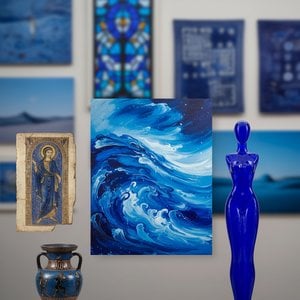
The Allure of Azure: Exploring the Symbolic & Aesthetic Depths of Blue in Art History
Explore the rich history of blue in art! Discover its symbolism, from ancient pigments to modern masterpieces by Kandinsky & Seurat. Uncover the psychological impact and cultural meanings behind this captivating hue.

Top 10 majstrovských diel Pop Artu: Ikony umenia pre váš domov | ArtsDot.com
Objavte top 10 majstrovských diel Pop Artu od Andyho Warhola, Roya Lichtensteina a ďalších. Prežite príbeh umenia, techniky a ikonických motívov. Reprodukcie obrazov pre váš domov na ArtsDot.com! Preskúmajte celú kolekciu online.



