

 Náhľad v interiéri
 Odoslať ako digitálnu kartu
 Zdieľať
 Podrobnosti o dielo
 Príručka

 Stiahnuť obraz
 Podobné položky
 RTG skúška
 Prehliadanie diapozoje
 Otázky a odpovede
 Štatistiky
Self-Portrait

- 164.0 x 122.0 cm


 Zobraziť viac
Giclée / Umenotlač
Giclée tlač alebo plátno múzeálnej kvality s rýchlou výrobou a rôznymi možnosťami povrchovej úpravy. ( Kúpiť ručne maľovaný obraz Prepnúť na digitálny obraz)




P118B €10

P118H €10

P118W €10

P438Z €10

P508JH €12

P508YH €12

P805H €10

P805Z €10

P919BZ €10

P919G €10

P919XJ €10

P959ZH €10

P968JZ €12

W106C €8

W218G €10

W218JH €8

W218Y €10

W307PJ €10

W316G €10

W316PJ €8

W316Y €10

W398PJ €8

W4111J €10

W500HY €15

W500JH €15

W692G €12

W849H €8

W940BG €15

W953PJ €8




Vyberte si z našich preddefinovaných rozmerov, ktoré zodpovedajú pôvodným pomeroḿ diela.

Zadajte šírku a výšku, ktoré potrebujete, aby sa reprodukcia hodila k vášmu rámu alebo stene. Print možno len orezávať, nikdy však nemennú veľkosť zvětšiť oproti pôvodnému obrázku, preto pri inom formáte stráca časť obrazu. Pred samotným vytlačiacím procesom vám pošleme digitálny náhľad na schválenie. Obrázok zobrazený na tejto stránke nezobrazuje reálny rez — len digitálny náhľad ukazuje presný výsledok.
Celosvetová doprava () do 2 týždňov namiesto štandardných 4 až 5 týždňov. (18 november)

Bezplatná expresná doprava po celom svete

Vysokokvalitné lnianske plátno

Kompletné poistenie prepravy

Záruka vrátenia colného poplatku

Záruka presného farebného zhodnutia

100-dená politika vrátenia tovaru (iba pri vadách)

100% záruka vrátenia peňazí

Zľava pri väčšom množstve
 Možnosť skla je dostupná len pri rozmeroch pod 110 cm

Self-Portrait
Giclée / Umenotlač
Veľkosť reprodukcie
-


Celková cena
€ 56
A Gaze Through Time: The Introspective Mastery of David Bailly
In the quiet, shadowed depths of the Dutch Golden Age, few works capture the profound weight of human existence as poignantly as David Bailly’s Self-Portrait. Painted in 1625, this masterpiece serves as more than a mere likeness; it is a window into the soul of a man navigating the complexities of his own mortality and legacy. As the viewer approaches this canvas, they are met with an arresting, direct gaze that seems to bridge the centuries, pulling us into a silent dialogue with the artist himself. The composition is masterfully balanced, centering a middle-aged Bailly against a dark, indeterminate void that pushes his features forward, demanding our undivided attention.
The technique employed by Bailly is a testament to the rigorous training of the Leiden school. Through a sophisticated use of chiaroscuro, he orchestrates a dramatic interplay between light and shadow. A soft, directional light source from the upper left illuminates the contours of his face, highlighting the weathered texture of his skin and the thoughtful furrow of his brow. Every detail—from the crisp, white folds of his period collar to the meticulously rendered strands of his beard—is executed with a breathtaking realism that speaks to the artist's profound command over oil paint. This tactile quality does not merely replicate reality; it breathes life into the canvas, making the subject feel palpably present.
Symbolism and the Vanitas Tradition
Beyond its technical brilliance, the painting is steeped in the rich symbolic language of the 17th-century vanitas tradition. During this era, Dutch artists frequently used portraiture to meditate on the fleeting nature of life, the inevitability of death, and the vanity of earthly pursuits. In Bailly’s self-portrait, the somber palette of earth tones and the stark contrast of light against darkness evoke a sense of contemplative melancholy. The artist uses his own likeness as a vessel for these larger philosophical inquiries, inviting collectors and observers to reflect on the passage of time.
For the discerning art lover or interior designer, this piece offers a profound emotional resonance that transcends simple decoration. It is an artwork of substance, providing a focal point of intellectual and aesthetic depth. Whether placed in a curated gallery setting or as a commanding centerpiece in a sophisticated study, the Self-Portrait brings with it an atmosphere of timeless wisdom and quiet dignity. To possess a reproduction of this work is to invite a piece of history into one's space—a piece that celebrates the enduring power of human introspection and the exquisite artistry of the Dutch masters.
Otázky a odpovede
Akú náladu a emóciu vyjadruje „Self-Portrait“ od David Bailly?
V diele „Self-Portrait“ sprevádza Calm nálada Reflective emóciu.
Môžem si pred objednávkou pozrieť náhľad diela „Self-Portrait“ od David Bailly?
Náhľad diela „Self-Portrait“ od David Bailly si môžete pozrieť na jeho stránke Náhľad diela.
Využíva „Self-Portrait“ od David Bailly silné kontrasty alebo jemné harmónie?
V diele „Self-Portrait“ sa Statement kontrast spája s Strong Color Unity harmóniou.
Podobné diela


Súvisiace články

Top 10 majstrovských diel holandskej baroka: Umění pre váš domov s ArtsDot
Objavte top 10 majstrovských diel holandskej baroka s ArtsDot! Rembrandt, Vermeer a ďalší. Prežite príbehy umenia, techniky a farieb. Reprodukcie obrazov pre váš domov – Explore the full collection online.

Rembrandt van Rijn: Top 25 Majstrovských Diel pre Váš Domov | ArtsDot
Ponorte sa do sveta Rembrandta van Rijna s ArtsDot.com! Objavte 25 majstrovských diel holandského baroka, portrétov a ikonických obrazov plných svetla a tieňa. Kúpiť kvalitné reprodukcie pre váš interiér. Preskúmajte celú kolekciu online!

Egon Schiele: Top 25 diel pre milovníkov umenia a luxusný interiérový dizajn | ArtsDot.com
Ponorte sa do sveta Egona Schieleho! Objavte top 25 diel expresionistického majstra, jeho portréty a techniku. Luxusné reprodukcie obrazov pre váš interiér na ArtsDot.com. Preskúmajte celú kolekciu online.
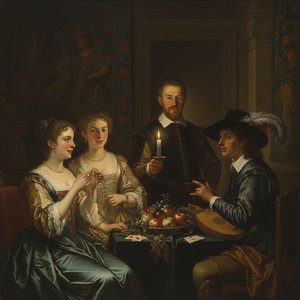
Gerard van Honthorst: Illuminating the Dutch Golden Age with Caravaggism & Courtly Grace
Explore the captivating world of Gerard van Honthorst, a Dutch Golden Age master renowned for his dramatic chiaroscuro & courtly portraits. Discover his life, art, and lasting influence on Baroque painting.

Vanitas & Beyond: Exploring Mortality's Artistic Legacy for the Elite Collector
Explore the rich history & symbolism of Vanitas paintings with ArtsDot. Discover masterpieces reflecting mortality, societal values, & collecting insights for discerning art enthusiasts.