


 Zobraziť v interiéri
 Odoslať
 Zdieľať
 Podrobnosti
 Príručkovo

 Stiahnuť
 Podobné položky
 RTG skúška
 Prehliadanie diapo\]
 Štatistiky
The Cardinal Virtues

 Prečítať si viac
Ručne maľovaná olejová reprodukcia
Ručne maľovaný olej na plátne vo vašej zvolenej veľkosti a v ráme, vyrobený na mieru našimi umelcami. ( Prepnúť na tlač Prepnúť na digitálnu verziu obrazu)




































Vyberte si z našich preddefinovaných rozmerov, ktoré zodpovedajú pôvodným pomeroḿ diela.

Môžete zadať vlastné rozmery tak, aby sa hodili do konkrétneho rámu alebo priestoru. Ak sa váš zvolený rozmer nezhoduje s pôvodnými proporciami obrazu, dielo buď orezáme, alebo ho doplníme ručne maľovanými prvkami. Pred začiatkom výroby vám zašleme digitálny náhľad na schválenie.
Upozorňujeme, že ukážka na obrazovke neodráža skutočné orezanie ani doplnenie. Skutočnú finálnu kompozíciu zobrazuje iba digitálny náhľad.
Hoci sú k dispozícii vlastné rozmery, odporúčame vybrať rozmer z preddefinovaného zoznamu, aby sme zachovali pôvodné proporcie.
Po odoslaní objednávky vám tím ArtsDot.com pošle e-mail s pokynmi a poskytne náhľad na návrh
Celosvetová doprava () za 3 až 4 týždne namiesto štandardných 5 týždňov. (21 september). Bez kompromisov v kvalite.

Bezplatná expresná doprava po celom svete

Vysokokvalitné lnianske plátno

Úplné poistenie prepravy

Záruka vrátenia colného poplatku

Záruka presného farebného zhodnutia

100-dená politika vrátenia tovaru (iba pri vadách)

100% záruka vrátenia peňazí

Ponuka množstevnej zľavy
 Možnosť skla je dostupná len pri rozmeroch pod 110 cm

The Cardinal Virtues
Spôsob reprodukcie
Veľkosť reprodukcie
-


Celková cena
$ 263
Súvisiace diela


Biografia umelca
Cherubino Alberti: The Borghegiano Master of Mannerist Engraving
Cherubino Alberti (1553–1615), also called Borghegiano, stands as a pivotal figure in the artistic landscape of Renaissance Italy—specifically during the fervent patronage of Clement VIII. Though overshadowed by his brother Giovanni’s more celebrated frescoes within the Vatican’s Sala Clementina, Cherubino’s singular contribution to engraving cemented his legacy as one of the era's foremost printmakers and solidified his family’s reputation for artistic excellence. Born in Borgo San Sepulcro, Tuscany, Alberti descended from a lineage deeply rooted in craftsmanship; his father, Alberto Alberti, was a sculptor and carver—a familial tradition that instilled within Cherubino himself an unwavering dedication to meticulous detail and technical mastery.- Early Influences & Training: Alberti’s artistic education commenced under Cornelius Cort in Rome, where he absorbed the stylistic precepts of Raphael and embraced the prevailing currents of Mannerist art. This formative period exposed him to the grandeur and innovation of Michelangelo's monumental sculptures and instilled a profound appreciation for expressive distortion—a hallmark of the Mannerist aesthetic.
- Engraving Virtuoso: Alberti swiftly established himself as an exceptional engraver, meticulously replicating the visions of his contemporaries. His initial commissions focused on works by Federico and Taddeo Zuccari, followed by collaborations with Raphael, Michelangelo, Polidoro da Caravaggio, Andrea del Sarto, Rosso Fiorentino, Marco Pino Sebastianio, and Cristofano Gherardi—artists whose stylistic prowess profoundly impacted Alberti’s oeuvre. Notably, he undertook projects based on ancient sculptures, demonstrating a keen interest in classical ideals and techniques.
The Sala Clementina Frescoes: A Collaborative Triumph
Perhaps Alberti's most enduring achievement resides in his partnership with Giovanni Alberti during the decoration of the Sala Clementina—a monumental fresco cycle commissioned by Pope Clement VIII. This ambitious undertaking demanded unparalleled artistic coordination and technical prowess, resulting in a breathtaking panorama of mythological scenes rendered with remarkable precision and emotional depth. The frescoes exemplify the collaborative spirit characteristic of Florentine art circles during this period and stand as testament to Alberti’s ability to synthesize disparate influences into a cohesive visual narrative.- Technique & Style: Alberti's engraving style was characterized by meticulous draughtsmanship, subtle tonal gradations, and an unwavering commitment to capturing the nuances of form and texture—traits that mirrored his fresco technique. He skillfully employed etching and drypoint methods, achieving astonishing levels of detail and expressive power.
- Notable Engravings: Alberti produced over 180 engravings during his lifetime, showcasing a diverse range of subjects—from biblical narratives to mythological allegories to portraits of prominent figures. Among his most celebrated prints are depictions of Raphael’s “School of Athens,” Michelangelo’s “Creation of Adam,” and scenes from Caravaggio's dramatic compositions.
Legacy & Historical Significance
Cherubino Alberti’s contribution to the artistic heritage of Italy extends far beyond his individual engravings. He served as director of the Accademia di San Luca—Rome’s premier artists’ guild—promoting artistic innovation and fostering a vibrant intellectual environment. His influence permeated Florentine art circles, shaping stylistic trends and inspiring subsequent generations of engravers and painters. Alberti's meticulous craftsmanship and unwavering dedication to classical ideals ensured that his work would endure as an exemplar of Mannerist excellence—a testament to the enduring power of artistic vision and technical skill.Further Exploration
For a deeper understanding of Cherubino Alberti’s life and artistry, consult resources such as:- Wikipedia:
- Getty Museum:
- The Art Institute of Chicago:
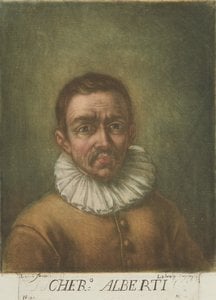
Cherubino Alberti
1553 - 1615
Rýchle fakty
- Artistic Movement Or Style: Mannerist
- Artists Or Movements Influenced By This Artist: ['Renaissance art']
- Artists Who Influenced This Artist:
- Raphael
- Michelangelo
- Cornelius Cort
- Date Of Birth: February 24, 1553
- Date Of Death: October 18, 1615
- Full Name: Cherubino Alberti
- Nationality: Italian
- Notable Artworks:
- Sala Clementina frescoes
- Madonna and Child in Glory with Angels
- Fame
- Place Of Birth: Borgo San Sepulcro, Tuscany
