


Obraz sa prispôsobuje vašim voľbám: , .
Popis zberateľského predmetu
Charles Willson Peale's "The Artist in His Museum" (1822) captures the artist’s life, art, and scientific pursuits within his Philadelphia museum. A unique blend of portraiture & natural history.
 Zobraziť viac
Biografia umelca
Charles Willson Peale bol americký maliar známy svojimi ikonickými portrétmi Georgea Washingtona a jeho významným prispením založením prvého amerického múzea v Philadelphii – institúcie ktorá podporovala rozvoj vedeckej edukácie. Jeho neoclassicistický štýl oslňuje dodnes!
Ručne maľovaná olejová reprodukcia
Ručne maľovaný olej na plátne vo vašej zvolenej veľkosti a v ráme, vyrobený na mieru našimi umelcami. ( Prepnúť na tlač Prepnúť na digitálny obraz)
Viac informácií o tomto obraze
 Náhľad v interiéri
 Odoslať ako digitálnu kartu
 Zdieľať
 Podrobnosti o dielo
 Príručka

 Stiahnuť obraz
 Podobné položky
 RTG skúška
 Prehliadanie diapozoje
 Otázky a odpovede
 Štatistiky
Objednajte si svoj obraz v štyroch jednoduchých krokoch
Nespáľujte sa. Každú odpoveď môžete zmeniť; cena vo vašej objednávke sa prispôsobí každej zvolenej možnosti.
1 Prvý krok zo štyroch
Akú veľkosť si prajete?
Tieto veľkosti zachovávajú proporcie originálneho obrazu. Ilustrácia zobrazuje vašu voľbu na stene, nad dvometrovou pohovkou.
alebo zadajte vlastné rozmery
Vyberte si z našich preddefinovaných rozmerov, ktoré zodpovedajú pôvodným pomeroḿ diela.

Zadajte šírku a výšku, ktoré potrebujete, aby sa dielo hodilo k vášmu rámu alebo stene. Keďže ide o ručnú maľbu, pri rozmeroch s odlišným pomerom strán môže umelec namalovať o niečo viac okolo obrázka alebo ho mierne orezatú — výber patrí vám. Pred začatím maľovania vám pošleme digitálnu ukážku na schválenie. Obrázok zobrazený na tejto stránke nenahrádza reálny výsledok — ten zobrazuje iba digitálna ukážka.
2 Druhý krok zo štyroch
Ako by mal byť pripravený: rolovaný, natiahnutý alebo v ráme?
Ceny nižšie sa týkajú veľkosti, ktorú ste si vybrali v prvom kroku.
Vyberte si opletenie plátna
Vyberte si rám

Biele okraje €1

rozostrené okraje €1

Vytiahnutý okraj €1

P118B €10

P118H €10

P118W €10

P438Z €10

P508JH €12

P508YH €12

P805H €10

P805Z €10

P919BZ €10

P919G €10

P919XJ €10

P959ZH €10

P968JZ €12

W106C €8

W218G €10

W218JH €8

W218Y €10

W307PJ €10

W316G €10

W316PJ €8

W316Y €10

W398PJ €8

W4111J €10

W500HY €15

W500JH €15

W692G €12

W849H €8

W940BG €15

W953PJ €8

H24-GOLD €30

H24-SILVER €30

H36-GOLD €45

H36-SILVER €45
V rámoch
Profil: . Celkový rozmer vrátane rámov: .
3 Tretí krok zo štyroch
Chceli by ste v obraze niečo zmeniť?
Väčšina ľudí odpovedá nie. Keďže každý obraz je vytvorený ručne, náš umelec ho však dokáže prispôsobiť aj vám.
Po objednávke vám tím ArtsDot.com pošle e-mail s pokynmi a poskytne náhľad návrhu
4 Štvrtý krok zo štyroch
Niekoľko možností finálnej úpravy
Všetky sú voliteľné. Už zvolené odpovede nesú žiadne dodatočné náklady.
Kto je autorom?
Celosvetová doprava () za 3 až 4 týždne namiesto štandardných 5 týždňov. (9 november). Bez kompromisov v kvalite.
Štítok, ako v múzeu?
Detaily vygravírovaného bronzového pláka
This elegant plaque features the artist's name and the title of the artwork, finely engraved for a timeless presentation.
It is made from bronze with a refined, elegant finish. The text is precisely laser-engraved for a sharp and permanent result. Measuring 9x2 cm, the plaque is compact yet easy to read. It's built to be durable and scratch-resistant, offering a professional, museum-quality look. Mounting is simple thanks to the included adhesive backing.
Detaily transparentnej akrylovej plăty
The plaque includes essential engraved details such as the artist's name, the title of the artwork, the date it was created, the type of media used-like oil on canvas or watercolor-a brief description of the piece, and a QR code that links to the complete artwork information.
It is crafted from clear acrylic, offering a sleek, modern appearance. The text is UV-engraved in black to ensure strong visual contrast. With a size of 10x15 cm, it ensures optimal readability. It comes equipped with two metal hooks for secure wall mounting. The plaque is designed to be weather-resistant, making it suitable for various environments, and it includes interactive features that work seamlessly with smartphone scanning.
Detaily čiernej akrylovej plăty
This elegant plaque includes engraved information such as the artist's name, the title of the artwork, the date it was created, the type of media used (like oil on canvas or watercolor), a short description of the artwork, and a QR code for quick access to more information.
The plaque itself is made from refined black acrylic with a premium finish. The text is laser-engraved in white for high contrast and readability. Its size is 10x15 cm, designed to be easy to read. It comes with two metal hooks for professional mounting. The design is sleek and fits any interior style. It is also weather-resistant and durable, with built-in digital integration for mobile compatibility.
Ochranný lak?
Kedy vám má byť doručené?
✓ Kontrola a objednávka
Vaša maľba presne podľa vašej objednávky

Self Portrait
Technika reprodukcie
Veľkosť reprodukcie
-

Výborne skúsený umelec
Viac detailov, jemnosti a dodatočného času na výrobu
-

Rámovanie reprodukcie
-
-
V prípade umeleckých diel alebo reprodukcií, ktorých ktorákoľvek strana je väčšia ako 105 cm (cca 41 palcov), sa rám dodáva v rozloženom stave ako sada. Táto metóda zabezpečuje bezpečnú доставu a chráni pred poškodením počas prepravy.
Vyžaduje sa odborná montáž – toto nie je produkt na vlastnú prípravu (DIY).
Sada musí byť zmontovaná a plátno napnuté skúseným profesionálnym rámovaníkom, s použitím drevárneho lepidla (nie je súčasťou sady), klieš na napínanie plátna a svoriek na udržanie prav角的 rámov počas schnutia lepidla. Nesprávna montáž alebo nerovnomerné napnutie plátna môže trvalo poškodiť umelecké dielo, čo nie je kryté našou zárukou.
 V prípade umeleckých diel alebo reprodukcií, ktorých ktorákoľvek strana je väčšia ako 105 cm (cca 41 palcov), sa rám dodáva v rozloženom stave ako sada. Táto metóda zabezpečuje bezpečnú доставu a chráni pred poškodením počas prepravy.
Všetky lišty z masívneho dreva sú súčasťou balenia, presne narezané na mieru.
Montuje sa pomocou súčasťou balenia dodaných skrutiek, plus drevolepu na spoje v rohoch, ktorý nie je súčasťou balenia a musí si ho zabezpečiť váš montážnik.
Vyžadujú sa profesionálne nástroje, ktoré nie sú súčasťou sady: kliešte na napínanie plátna (napínací nástroj) a svorky na udržanie pravých uhlov rámov počas schnutia lepidla.
Dôležité:
Spoje v rohoch si vyžadujú lepidlo na drevo, tyče je potrebné upevniť pomocou svoriek, kým lepidlo úplne newyschne, a napnutie plátna na zostavený rám si vyžaduje klieže na napínanie plátna. Žiadna z týchto pomôcok nie je súčasťou sady. Pred objednaním tejto veľkosti si, prosím, zabezpečte skúseného odborníka na zakladanie rámov.

Popisné označenie
-
-

Ochranný lak
Lesklý lak (zvýrazňuje farby, chráni pred svetlom a vlhkosťou)
-

Prispôsobiť moje dielo
Príklady možností úprav: nahradenie tváre vlastnou fotografiou; pridanie domáceho zvieraťa (napr. nahradenie mačky psom); vloženie skrytého odkazu do pozadia; zmena krajiny alebo prvkov v pozadí.
-

Prioritné doručenie
Celosvetová doprava () za 3 až 4 týždne namiesto štandardných 5 týždňov. (9 november). Bez kompromisov v kvalite.
-
Rýchle doručenie
Celosvetová doprava do za 5 týždňov. (16 november).
V cene
Celková cena
€ 235
Možnosť skla je dostupná len pri rozmeroch pod 110 cm
Súčasťou každej objednávky
- Bezplatná expresná doprava po celom svete
- Vysokokvalitné lnianske plátno
- Kompletné poistenie prepravy
- Záruka vrátenia colného poplatku
- Záruka presného farebného zhodnutia
- 100-dená politika vrátenia tovaru (iba pri vadách)
- 100% záruka vrátenia peňazí
- Zľava pri väčšom množstve


Charles Willson Peale’s “The Artist in His Museum” – A Window into Early American Identity
Charles Willson Peale's 1822 self-portrait, "The Artist in His Museum," is far more than a simple depiction of an aging painter. It’s a meticulously constructed tableau vivant—a staged scene brimming with symbolism and offering a profound glimpse into the burgeoning identity of early America. Painted during a period of intense national formation, Peale sought to capture not just his own likeness but also the spirit of a nation striving to define itself through art, science, and a celebration of its natural heritage.
The painting immediately draws the eye with its dramatic lighting—a stark contrast between the deep crimson curtain concealing the museum’s interior and the softer illumination that highlights Peale's face. This theatrical effect wasn’t merely for aesthetic appeal; it served to elevate the artist, positioning him as a central figure within this carefully curated world. The composition is layered, inviting the viewer to explore multiple levels of meaning. In the foreground, we see Peale himself, his silver hair and thoughtful expression suggesting both wisdom and a touch of melancholy. He’s not simply posing; he's actively engaging with his surroundings, as if presenting them to an unseen audience.
A Cabinet of Curiosities: Symbolism and Natural History
Beyond Peale’s portrait lies the meticulously arranged collection within the museum—a veritable cabinet of curiosities that speaks volumes about the era's fascination with both the natural world and the pursuit of knowledge. A dead wild turkey, carefully taxidermied alongside Peale’s tools, represents a connection to American wilderness and a celebration of its bounty. Nearby, a majestic bald eagle, also preserved in meticulous detail, embodies national pride and the ideals of freedom. These specimens aren't merely decorative; they are tangible reminders of America’s unique natural resources and the burgeoning scientific spirit that sought to understand and classify them.
The inclusion of a paddlefish from the Allegheny River—a relatively obscure specimen—demonstrates Peale’s commitment to showcasing both familiar and exotic elements within his collection. Even more striking is the mastodon skeleton, a relic of a prehistoric past, symbolizing America's vastness and its place in the grand sweep of geological time. These objects weren’t simply displayed; they were presented as evidence of American progress—a testament to the nation’s ability to both preserve the past and embrace the future.
Neoclassical Portraiture and a Reflection on Time
Technically, “The Artist in His Museum” is a prime example of Neoclassical portraiture, characterized by its realistic representation and emphasis on capturing likeness. Peale employs smooth brushstrokes and subtle gradations of tone to create a sense of depth and volume, particularly in the rendering of his own face. The muted earth tones of the palette—dominated by browns, reds, and creams—lend the painting a dignified and contemplative mood. The inclusion of a partially visible paintbrush hints at Peale’s profession as a painter, further anchoring the scene within the realm of artistic creation.
However, the painting transcends mere portraiture. It's also a meditation on time and legacy. Peale, nearing eighty years old, is depicted not as a fading figure but as an active participant in his own museum—a guardian of knowledge and a symbol of American ingenuity. The scene suggests that art and science are inextricably linked, both serving to illuminate the human experience and preserve it for posterity.
A Legacy of Innovation and Artistic Vision
Charles Willson Peale’s “The Artist in His Museum” is more than just a painting; it's a microcosm of early America—a testament to the nation’s burgeoning identity, its embrace of scientific inquiry, and its celebration of artistic achievement. Peale’s vision extended beyond simply creating beautiful images; he sought to educate and inspire, establishing the Philadelphia Museum as one of the first American museums and laying the foundation for a new era of cultural exploration. Reproductions of this iconic work offer a captivating window into a pivotal moment in American history—a reminder that art can be both a reflection of our past and a vision of our future.
Otázky a odpovede
Kto je autorom a aké je vznikové obdobie diela „Self Portrait"?
Dielo „Self Portrait“ vytvoril/a Charles Willson Peale v roku 1822.
V akom médiu je vytvorené dielo „Self Portrait“ od Charles Willson Peale?
Charles Willson Peale pre dielo „Self Portrait“ použil/a techniku Oil On Canvas. Táto technika definuje materiálnu podstatu originálneho diela.
Ako sa v díle „Self Portrait“ spájajú kontrast a harmónia?
Farebná analýza diela „Self Portrait“ od Charles Willson Peale zachytáva Balanced kontrast a Strong Color Unity harmóniu.
Podobné diela


![The Procession To Calvary [detail] — Pieter Bruegel Starší, Northern Mannerism](/media/artworks/images-thumb/cd/6e/cd6ed1a8a9ff3f207ad25305adfeb0f7.jpg)


Charles Willson Peale
1741 - 1827, Spojené kráľovskства
Biografia umelca
Charles Willson Peale: A Life of Art, Science, and Patriotism
Born April 15, 1741, Chester, Queen Anne’s County, Maryland; Died February 22, 1827, Philadelphia, Pennsylvania Peale's life unfolded against a backdrop of considerable hardship following the untimely demise of his father. Determined to forge his own path, he embarked on an apprenticeship as a saddler – a craft that instilled in him meticulous attention to detail and precision – before discovering his profound passion for artistic expression. This early fascination would propel him toward remarkable accomplishments spanning both art and science. He received formative training from John Hesselius, honing his skills in classical portraiture, and briefly collaborated with John Singleton Copley, absorbing the stylistic nuances of Boston’s vibrant artistic milieu. However, it was his time studying under Benjamin West in London (1767-1770) that truly cemented his artistic vision. Exposure to European Neoclassical ideals profoundly impacted Peale's style, shaping him into a master of capturing idealized beauty and conveying intellectual depth.Artistic Career and Major Works
Peale’s fame rests primarily upon his portraits of luminaries from the American Revolution – an endeavor that yielded nearly sixty depictions of George Washington alone. These canvases transcend mere likeness; they serve as invaluable historical documents, meticulously documenting the personalities and aspirations of pivotal figures who shaped the nation's destiny. Peale’s artistic style evolved gracefully over time, initially mirroring West’s restrained elegance but subsequently embracing a more assertive realism, driven by an unwavering commitment to accurately portraying his subjects. Among his most celebrated works are:- George Washington (1772): This monumental portrait marked the genesis of Peale's enduring partnership with Washington – a relationship that would solidify his reputation as America’s foremost portraitist and historian.
- The Staircase Group (c. 1795): A breathtaking feat of trompe l'oeil artistry, this tableau depicts Peale’s sons Raphael and Titian as if seamlessly integrated into the architectural grandeur of their father’s Philadelphia home. It exemplifies Peale’s masterful manipulation of perspective and illusionistic technique.
Scientific Pursuits and Peale’s American Museum
Beyond his artistic endeavors, Charles Willson Peale possessed an ardent devotion to natural history – a passion that fueled his tireless exploration of the natural world. Recognizing the transformative potential of scientific observation and experimentation, he established Peale's American Museum in Philadelphia (1784), arguably the inaugural museum within the United States. This ambitious institution housed an astonishing array of botanical specimens, zoological specimens, and archaeological artifacts – representing a daring attempt to cultivate intellectual curiosity and disseminate knowledge amongst the burgeoning American populace. Notably, Peale captivated public imagination with his captivating displays of mastodon bones—a monumental discovery resulting from an expedition undertaken in 1801—demonstrating his unwavering commitment to scientific advancement and securing his place as a pioneer in paleontological research. He meticulously documented his findings, furthering the understanding of prehistoric life and inspiring generations of scientists to follow in his footsteps.Legacy and Historical Significance
Peale’s artistic legacy extends far beyond the canvases he created; it embodies the spirit of Enlightenment thought – prioritizing reason and observation alongside aesthetic beauty. His portraits stand as enduring symbols of American leadership and intellectual prowess, offering invaluable insights into the personalities and convictions of those who steered the nation toward independence. The establishment of Peale's American Museum represents a bold step forward in fostering scientific literacy and cultivating an appreciation for the natural world—a contribution that continues to resonate within the annals of American cultural history. His influence permeated subsequent artistic circles, shaping stylistic trends and inspiring artists to embrace both meticulous realism and imaginative storytelling. Furthermore, his family lineage endured through his sons James Peale and Rubens Peale – accomplished artists who enriched the museum’s collection and perpetuated Peale's enduring legacy as a champion of art and science alike.

Súvisiace články

Charles Bird King: Capturing Native American Dignity Through Portraiture & Cultural Exchange
Explore the captivating portraits of Charles Bird King, renowned for his depictions of Native American leaders. Discover the historical context, artistic techniques, and collecting value of these significant 19th-century artworks.

Reflecting the Self: A History of Portraiture & Psychological Insight
Explore the fascinating history of self-portraiture from Renaissance masters like Dürer & Rembrandt to modern interpretations. Discover the psychological insights and artistic techniques behind these iconic works. Expert analysis for art enthusiasts.
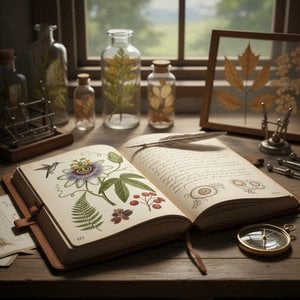
Titian Ramsay Peale II: A Legacy of Botanical Precision & Artistic Innovation
Explore the life & art of Titian Ramsay Peale II, a master of botanical precision and wildlife painting. Discover his legacy bridging art & natural history at ArtsDot.