
 Akryl na plátne
- WallArt
- Romantic Idealism
 1820
1820 18.0 x 24.0 cm
 Hamburger Kunsthalle

The picture follows your choices: , .
Popis zberateľského predmetu
Caspar David Friedrichova Drifting Clouds – romantická krajinka plná mlhy a majestátnych hôr. Výstavný obraz v Hamborgu
 Zobraziť viac
Biografia umelca
Ľadové more (1824) – Majstrovské dielo romantizmu zobrazujúce drsnú arktickú krajinu, symboliku a silnú emocionalitu. Objavte krásu prírody v jej najpôsobivejšej podobe.
Ručne maľovaná olejová reprodukcia
Ručne maľovaný olej na plátne vo vašej zvolenej veľkosti a v ráme, vyrobený na mieru našimi umelcami. ( Prepnúť na tlač Prepnúť na digitálny obraz)
More about this painting
 Náhľad v interiéri
 Odoslať ako digitálnu kartu
 Zdieľať
 Podrobnosti o dielo
 Príručka

 Stiahnuť obraz
 Podobné položky
 RTG skúška
 Prehliadanie diapozoje
 Q&A
Q&A Štatistiky
Order your painting in four simple steps
Take your time. You can change any answer; the price in your order card follows each choice.
1 Step one of four
Which size would you like?
These sizes keep the proportions of the original painting. The drawing shows your choice on a wall, above a two-metre sofa.
Or give your own measurements
Vyberte si z našich preddefinovaných rozmerov, ktoré zodpovedajú pôvodným pomeroḿ diela.

Zadajte šírku a výšku, ktoré potrebujete, aby sa dielo hodilo k vášmu rámu alebo stene. Keďže ide o ručnú maľbu, pri rozmeroch s odlišným pomerom strán môže umelec namalovať o niečo viac okolo obrázka alebo ho mierne orezatú — výber patrí vám. Pred začatím maľovania vám pošleme digitálnu ukážku na schválenie. Obrázok zobrazený na tejto stránke nenahrádza reálny výsledok — ten zobrazuje iba digitálna ukážka.
2 Step two of four
How should it be prepared: rolled, stretched or framed?
The prices below are for the size you chose in step one.
Choose the edges of the stretched canvas
Choose your frame

White €1

Blurside €1

Extended €1

P118B €10

P118H €10

P118W €10

P438Z €10

P508JH €12

P508YH €12

P805H €10

P805Z €10

P919BZ €10

P919G €10

P919XJ €10

P959ZH €10

P968JZ €12

W106C €8

W218G €10

W218JH €8

W218Y €10

W307PJ €10

W316G €10

W316PJ €8

W316Y €10

W398PJ €8

W4111J €10

W500HY €15

W500JH €15

W692G €12

W849H €8

W940BG €15

W953PJ €8

H24-GOLD €30

H24-SILVER €30

H36-GOLD €45

H36-SILVER €45
V rámoch
Moulding: . Overall size with the frame: .
3 Step three of four
Would you like anything changed in the painting?
Most people answer no. Because each painting is made by hand, our artist can also adapt it for you.
After order, ArtsDot.com team will email client for instructions and provide a mockup preview
4 Step four of four
A few finishing options
All of them are optional. The answers already selected cost nothing extra.
Who paints it?
Celosvetová doprava () za 3 až 4 týždne namiesto štandardných 5 týždňov. (30 október). Bez kompromisov v kvalite.
A nameplate, as in a museum?
Detaily vygravírovaného bronzového pláka
This elegant plaque features the artist's name and the title of the artwork, finely engraved for a timeless presentation.
It is made from bronze with a refined, elegant finish. The text is precisely laser-engraved for a sharp and permanent result. Measuring 9x2 cm, the plaque is compact yet easy to read. It's built to be durable and scratch-resistant, offering a professional, museum-quality look. Mounting is simple thanks to the included adhesive backing.
Detaily transparentnej akrylovej plăty
The plaque includes essential engraved details such as the artist's name, the title of the artwork, the date it was created, the type of media used-like oil on canvas or watercolor-a brief description of the piece, and a QR code that links to the complete artwork information.
It is crafted from clear acrylic, offering a sleek, modern appearance. The text is UV-engraved in black to ensure strong visual contrast. With a size of 10x15 cm, it ensures optimal readability. It comes equipped with two metal hooks for secure wall mounting. The plaque is designed to be weather-resistant, making it suitable for various environments, and it includes interactive features that work seamlessly with smartphone scanning.
Detaily čiernej akrylovej plăty
This elegant plaque includes engraved information such as the artist's name, the title of the artwork, the date it was created, the type of media used (like oil on canvas or watercolor), a short description of the artwork, and a QR code for quick access to more information.
The plaque itself is made from refined black acrylic with a premium finish. The text is laser-engraved in white for high contrast and readability. Its size is 10x15 cm, designed to be easy to read. It comes with two metal hooks for professional mounting. The design is sleek and fits any interior style. It is also weather-resistant and durable, with built-in digital integration for mobile compatibility.
A protective varnish?
When do you need it?
✓ Check and order
Your painting, as you ordered it

Drifting Clouds
Technika reprodukcie
Veľkosť reprodukcie
-

Výborne skúsený umelec
Viac detailov, jemnosti a dodatočného času na výrobu
-

Rámovanie reprodukcie
-
-
V prípade umeleckých diel alebo reprodukcií, ktorých ktorákoľvek strana je väčšia ako 105 cm (cca 41 palcov), sa rám dodáva v rozloženom stave ako sada. Táto metóda zabezpečuje bezpečnú доставu a chráni pred poškodením počas prepravy.
Vyžaduje sa odborná montáž – toto nie je produkt na vlastnú prípravu (DIY).
Sada musí byť zmontovaná a plátno napnuté skúseným profesionálnym rámovaníkom, s použitím drevárneho lepidla (nie je súčasťou sady), klieš na napínanie plátna a svoriek na udržanie prav角的 rámov počas schnutia lepidla. Nesprávna montáž alebo nerovnomerné napnutie plátna môže trvalo poškodiť umelecké dielo, čo nie je kryté našou zárukou.
 V prípade umeleckých diel alebo reprodukcií, ktorých ktorákoľvek strana je väčšia ako 105 cm (cca 41 palcov), sa rám dodáva v rozloženom stave ako sada. Táto metóda zabezpečuje bezpečnú доставu a chráni pred poškodením počas prepravy.
Všetky lišty z masívneho dreva sú súčasťou balenia, presne narezané na mieru.
Montuje sa pomocou súčasťou balenia dodaných skrutiek, plus drevolepu na spoje v rohoch, ktorý nie je súčasťou balenia a musí si ho zabezpečiť váš montážnik.
Vyžadujú sa profesionálne nástroje, ktoré nie sú súčasťou sady: kliešte na napínanie plátna (napínací nástroj) a svorky na udržanie pravých uhlov rámov počas schnutia lepidla.
Dôležité:
Spoje v rohoch si vyžadujú lepidlo na drevo, tyče je potrebné upevniť pomocou svoriek, kým lepidlo úplne newyschne, a napnutie plátna na zostavený rám si vyžaduje klieže na napínanie plátna. Žiadna z týchto pomôcok nie je súčasťou sady. Pred objednaním tejto veľkosti si, prosím, zabezpečte skúseného odborníka na zakladanie rámov.

Popisné označenie
-
-

Ochranný lak
Lesklý lak (zvýrazňuje farby, chráni pred svetlom a vlhkosťou)
-

Prispôsobiť moje dielo
Príklady možností úprav: nahradenie tváre vlastnou fotografiou; pridanie domáceho zvieraťa (napr. nahradenie mačky psom); vloženie skrytého odkazu do pozadia; zmena krajiny alebo prvkov v pozadí.
-

Prioritné doručenie
Celosvetová doprava () za 3 až 4 týždne namiesto štandardných 5 týždňov. (30 október). Bez kompromisov v kvalite.
-
Rýchle doručenie
Celosvetová doprava do za 5 týždňov. (6 november).
V cene
Celková cena
€ 233
Možnosť skla je dostupná len pri rozmeroch pod 110 cm
Included with every order
- Bezplatná expresná doprava po celom svete
- Vysokokvalitné lnianske plátno
- Kompletné poistenie prepravy
- Záruka vrátenia colného poplatku
- Záruka presného farebného zhodnutia
- 100-dená politika vrátenia tovaru (iba pri vadách)
- 100% záruka vrátenia peňazí
- Zľava pri väčšom množstve


Friedrichovo Driftenie Oblohov
Friedrichovo Driftenie Oblohov predstavuje vrchol romantickej idealizmu – umelecké dielo Caspara Davida Friedricha, ktoré uchádzať srdce každého pozorovateľa. Tento obraz vytvoril roku 1820 a jeho rozmerné rozmery – 18 x 24 cm – aktuálne nájdete v Kunsthalle Hamburgu, kde si ho môžete pozrieť osobne. Friedrichovo umelecké dielo je viac ako len krajinský západný východ; je to vyjadrenie filozofického hľadiska na svet, ktoré odráža základné hodnoty romantickej estetiky.Kompozícia Obrazu
Obraz zobrazuje pokojnú krajinu s Vysokými Tatrami zahalenými mlžou – scenárium, ktoré Friedrich často používal ako zdroj svojho umeleckého výrazu. Základom obrazu je široký panoramatický výhľad na údolie Elbe, kde voda pokojne plynie medzi rozptýlenými skalnými blokmi. Nebeská časť obrazu dominuje oblami, ktoré sa pomaly pohybujú cez plátno – Friedrichovo použitie atmosférickej perspektívy vytvára pocit hĺbky a dynamiky, čo je charakteristické pre jeho štýl.Symbolizmus Obrazu
Friedrich často skúmal témy prírody, duchovnosti a ľudskej kondície v svojich dielach. Driftenie Oblohov vyjadruje filozofický pohľad na svet – mlžné Tatry reprezentujú neznáme alebo sublime, čo je základný prvok romantickej estetiky. Oblá obloha môže byť interpretovaná ako metafora plynutia času a neustále sa meniacej reality – Friedrichovo umelecké dielo vyzýva pozorovateľa k meditácii nad otázkami existencie.Technika Obrazu
Friedrich používal olej na plátno, pričom jeho technika impresionizmu je charakteristická použitím tzv. impasto – výrazného zvýšeného povrchu farieb, ktorý dodáva obrazu textúru a živý vzhľad. Tento efekt vytvára pocit dotyku a podporuje emocionálny záujem pozorovateľa o umelecké dielo. Friedrichovo umelecké dielo je viac ako len reprodukcia prírody; je to vyjadrenie filozofického hľadiska na svet, ktoré odráža základné hodnoty romantickej estetiky.Význam Obrazu
Driftenie Oblohov si zaslúži miesto v srdci každého pozorovateľa – obraz zachytáva majestát prírody a vyjadruje filozofický pohľad na svet, ktorý bude mať pozitívny dopad na vaše životné skúsenosti. Tento obraz je viac ako len dekorácia; je to zdroj inspirácie a umelecké dielo, ktoré vám umožní priblížiť sa k základným hodnotám romantickej estetiky. Reprodukcie Friedrichova Driftenia Oblohov sú dostupné na ArtsDot.com – kvalitné reprodukcie zachytávajú esenciu a krásu originálneho obrazu Caspara Davida Friedricha, čo vám umožní priblížiť sa k základným hodnotám romantickej estetiky.Otázky a odpovede
Môžem si pred objednávkou pozrieť náhľad diela „Drifting Clouds“ od Caspar David Friedrich?
Náhľad diela „Drifting Clouds“ od Caspar David Friedrich si môžete pozrieť na jeho stránke Náhľad diela.
Čo spoločné má dielo „Drifting Clouds“ s ostatnou tvorbou umelca Caspar David Friedrich?
„Drifting Clouds“ patrí k dielu Caspar David Friedrich v rámci smeru Romantic Idealism, ktorého zachytané témy zahŕňajú constable’s landscapes, romantic idealism, sublime nature, spiritual contemplation, friedrich style.
Akú atmosféru vyžaruje dielo „Drifting Clouds“?
„Drifting Clouds“ od Caspar David Friedrich má v nálade charakterizovanú ako Romantický. Táto klasifikácia môže pomôcť pri vhodnom umiestnení diela.
Podobné diela


Caspar David Friedrich
1774 - 1840, Nemecko
Biografia umelca
A Solitary Vision: The Life and Art of Caspar David Friedrich
Born in the Baltic port city of Greifswald in 1774, Caspar David Friedrich’s life was steeped in a melancholic atmosphere that would profoundly shape his artistic vision. His early years were marked by loss – the deaths of his mother and siblings cast a long shadow, fostering a sensitivity to mortality and transience that became central themes in his work. Initially educated by his older brother Christian in drawing, Friedrich’s formal training began at the University of Leipzig, where he pursued both art and theology, though neither degree was completed. This dual interest – a fascination with the visual world alongside a deep spiritual questioning – would prove crucial to his development as an artist. Further studies in Copenhagen honed his technical skills, exposing him to landscape painting traditions that would serve as a foundation for his unique style, yet it was not imitation he sought but rather expression—a means of conveying inner emotional states through the language of nature.The Birth of Romantic Landscape
Friedrich’s artistic journey wasn't merely about depicting scenery; it was about imbuing landscapes with profound symbolic meaning. He moved away from the meticulous detail favored by earlier artists, embracing a more personal and expressive approach. His paintings are characterized by an emphasis on the sublime – evoking feelings of awe, terror, and spiritual connection in the face of nature’s grandeur. The use of *Rückenfiguren*, figures seen from behind, became a signature element, inviting viewers to step into the scene and share in the contemplative experience. Natural elements like ancient trees, towering mountains, swirling fog, and crumbling ruins weren't simply picturesque details; they were potent symbols representing life’s cycles, spiritual longing, and the weight of history. His palette, often muted with blues, grays, and browns, further enhanced the mood of introspection and solemnity that pervades his work. He pioneered a way to depict landscapes not as mere views but as reflections of the human soul—a revolutionary concept for its time.Iconic Works and Enduring Themes
Several paintings stand out as defining examples of Friedrich’s artistic achievement. “Abbey in the Oakwood” (1809-1810), a haunting image of a ruined churchyard enveloped by bare trees, speaks powerfully to themes of mortality and spiritual decay. This artwork exemplifies the Romantic preoccupation with ruins and decay as symbols of time's passage and the inevitable decline of earthly existence. “Wanderer Above the Sea of Fog” (c. 1818), perhaps his most famous work, encapsulates the Romantic ideal of the individual confronting the vastness and mystery of existence. The figure, silhouetted against a swirling sea of mist, embodies both human aspiration and insignificance—a poignant reminder of our vulnerability in the face of overwhelming natural forces. “Chalk Cliffs on Rügen” (1818) demonstrates his mastery of atmospheric effects and subtly conveys a sense of national identity—a growing concern in the fragmented political landscape of early 19th-century Germany. The dramatic interplay of light and shadow contributes to the painting's mood of contemplation and grandeur. “The Sea of Ice” (1824), a chilling depiction of an Arctic wasteland, represents nature’s immense power and indifference to human fate—a powerful visual statement about the insignificance of humankind compared to the forces of geological time.Influences and Artistic Style
Friedrich's artistic style was profoundly influenced by Dutch Golden Age landscape painters like Jacob van Ruisdael and Rembrandt, whose masterful use of chiaroscuro – dramatic contrasts between light and dark – established a precedent for expressive painting. He also drew inspiration from the philosophical writings of Immanuel Kant, which explored the limits of human perception and championed subjective experience—a cornerstone of Romantic thought. Friedrich’s technique involved meticulous observation of nature combined with an intuitive understanding of how to convey emotion through color and composition. His distinctive *Rückenfiguren* motif – figures viewed from behind – served as a deliberate device for inviting viewers into the scene and encouraging them to contemplate the spiritual significance of their surroundings.Legacy and Rediscovery
Friedrich’s art captured the very spirit of the Romantic era—a period defined by a rejection of Enlightenment rationalism in favor of emotion, imagination, and individualism. His landscapes served as powerful symbols of German national identity during a time of political fragmentation, fostering a sense of shared cultural heritage. Though he died in Dresden in 1840, his legacy extends far beyond the confines of 19th-century Germany. He didn’t simply paint what he saw; he painted what he *felt*, and it is this emotional honesty that continues to captivate and inspire. His work stands as a testament to the enduring power of art to explore the deepest questions of human existence, reminding us of our place within the vastness of nature and the mysteries of the universe. He remains a pivotal figure whose influence resonates throughout subsequent artistic movements—particularly Symbolism and Surrealism—demonstrating his lasting contribution to the history of Western art.


Súvisiace články

Anton von Werner: Imperial Painter, Historical Witness & Shifting German Identity
Explore the life & work of Anton von Werner, Imperial Germany's leading painter. Discover his dramatic depictions of war, unification, and court life – a fascinating insight into 19th-century German history & art.

Top 10 majstrovských diel nemeckého expresionizmu pre váš domov | ArtsDot
Ponorte sa do sveta nemeckého expresionizmu s ArtsDot! Objavte 10 majstrovských diel Kandinského, Muncha a ďalších. Luxusné reprodukcie obrazov pre váš domov – emotívne umenie online. Explore the full collection on ArtsDot.com
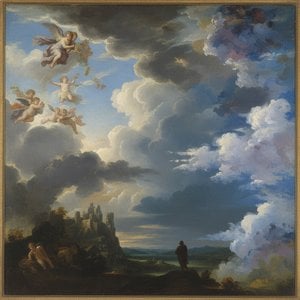
Ephemeral Visions: Clouds as Motif & Metaphor in Western Art History
Explore the captivating history of clouds in Western art! From Romantic masterpieces to Symbolist visions, discover how artists captured atmosphere, emotion & spirituality. A guide for collectors and enthusiasts.